



Consequences of Being Blacklisted in Thailand: Immigration Law, International Employment, and the Role of Certified Translators and Certified Interpreters
Author: Griroek Gruaythong
28 May 2026, Bangkok – Blacklisting under Thai immigration law is a legal measure that significantly affects foreign nationals in relation to travel rights, visa applications, employment opportunities, and international legal reputation (Immigration Act B.E. 2522, 1979). This article examines the consequences of blacklisting under the Thai Immigration Act B.E. 2522 and analyzes the role of Certified Translators, Translation Certification Providers, and Certified Interpreters in immigration and legal processes. Particular attention is given to cases in which foreign nationals are required to submit appeal documents, request blacklist removal, or apply for new visas in foreign jurisdictions. The study further demonstrates that accurate legal translation and professional interpreting services are essential for protecting individual rights and reducing transnational legal disputes (Šarčević, 1997; Venuti, 2018). In this context, the Southeast Asian Association of Translation and Interpreting Professionals plays a significant role in establishing professional standards, certifying linguistic competence, and enhancing the credibility of translated documents and interpreting services in immigration proceedings.
Introduction
In the era of globalization, international mobility has become increasingly complex, prompting many states to implement stricter immigration control measures in order to maintain national security and public order. Thailand, as one of Southeast Asia’s major tourism and economic hubs, has adopted blacklisting measures against foreign nationals who violate immigration laws, including visa overstays and unauthorized employment, under the Immigration Act B.E. 2522 (1979).
Being blacklisted affects not only an individual’s ability to re-enter Thailand but also influences future visa applications, employment opportunities, and overall legal standing in the international arena (Siam Legal International, 2024). Furthermore, individuals involved in immigration disputes frequently require multilingual legal documentation, including police clearance certificates, court judgments, appeal petitions, and immigration records, all of which must be translated and certified according to international legal standards. Consequently, Certified Translators and Certified Interpreters play a crucial role in ensuring accuracy, transparency, and reliability in immigration-related legal proceedings (Mikkelson, 2016).
Consequences of Blacklisting in Thailand
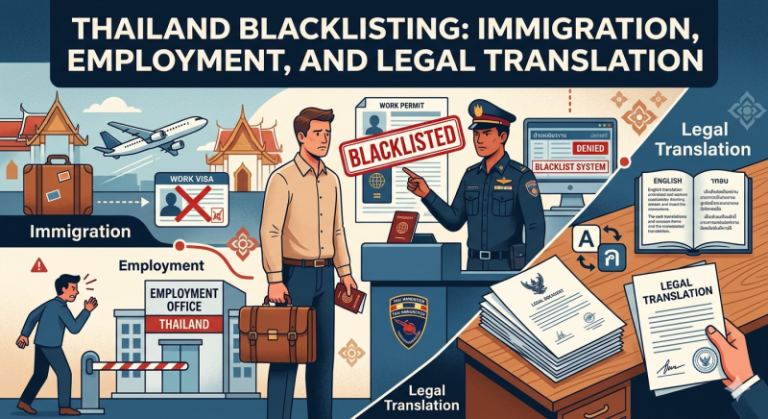
Blacklisting under Thai immigration law directly affects the right of foreign nationals to enter the country. Individuals who are blacklisted may be prohibited from re-entering Thailand for several years depending on the severity of the immigration violation, such as prolonged overstay or repeated violations of immigration regulations (Immigration Act B.E. 2522, 1979). Even after the blacklist period expires, immigration officers retain discretionary authority to subject former offenders to increased scrutiny upon re-entry (Siam Legal International, 2024).
Beyond domestic implications, a history of blacklisting may negatively impact visa applications in other countries. Immigration authorities worldwide often consider previous immigration violations when assessing the credibility and admissibility of visa applicants. As a result, individuals with a blacklist history may face heightened suspicion, prolonged screening procedures, and stricter visa requirements (Siam Legal International, 2024).
In the employment sector, multinational corporations and international organizations frequently conduct immigration and criminal background checks during recruitment processes. A record of immigration violations, including overstaying or unauthorized employment, may diminish an applicant’s credibility and reduce opportunities for positions involving international travel or work permit sponsorship (Toury, 2012).
The Role of Certified Translators and Certified Interpreters
Legal proceedings related to immigration blacklisting often require the preparation and submission of multilingual documents for appeals, legal petitions, or visa reapplications. These documents must be translated accurately and certified in order to be accepted by courts, embassies, and immigration authorities. Certified Translators therefore play a vital role in transferring legal meaning from one language to another while preserving legal precision and contextual integrity (Šarčević, 1997).
Translation Certification Providers are responsible for verifying that translated documents accurately reflect the original content. This process is particularly important in international legal matters where documents are presented before courts, immigration offices, or diplomatic missions. Even minor translation inaccuracies may significantly affect judicial outcomes or visa decisions (American Translators Association, 2023).
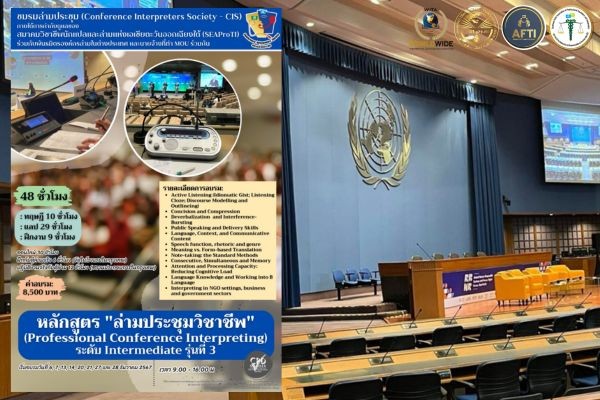
Certified Interpreters also play an essential role during immigration interviews, investigations, and hearings. Many foreign nationals facing blacklist-related proceedings lack sufficient proficiency in the Thai language, making professional interpretation necessary to ensure accurate communication between immigration officers and applicants. Interpreters contribute to the protection of procedural rights and help minimize misunderstandings that may arise during legal proceedings (Niska, 2002).
The Southeast Asian Association of Translation and Interpreting Professionals contributes to the establishment of professional standards, accreditation systems, and specialized training programs for translators and interpreters within the region. Such professional standards enhance institutional confidence in the quality and reliability of translation and interpreting services used in immigration and legal contexts (Venuti, 2018). Furthermore, the association promotes professional ethics and specialized expertise in immigration law and international legal communication.
Preventive Measures Against Blacklisting
Preventing blacklisting requires strict compliance with immigration regulations. Foreign nationals should regularly monitor visa validity periods, ensure compliance with reporting obligations, and verify immigration stamps upon entering and departing Thailand. In cases of overstay, immediate contact with immigration authorities and prompt legal resolution may help reduce the severity of penalties (Siam Legal International, 2024).
Moreover, seeking advice from immigration lawyers, Certified Translators, and Certified Interpreters at an early stage may reduce documentation errors and improve communication with government agencies (Mikkelson, 2016).
Conclusion
Blacklisting in Thailand constitutes a significant legal measure with broad implications for international mobility, visa applications, employment opportunities, and personal legal reputation. Resolving immigration disputes and restoring legal status often require accurate multilingual documentation and effective cross-cultural communication. Consequently, Certified Translators, Translation Certification Providers, and Certified Interpreters play indispensable roles in immigration-related legal processes, particularly in transnational legal contexts. The development of professional standards by regional translation and interpreting associations therefore represents an important mechanism for supporting justice, legal transparency, and procedural reliability in cross-border legal systems (Šarčević, 1997; Venuti, 2018).
References
- American Translators Association. (2023). Certified translation and professional standards. ATA Publications.
- Immigration Act B.E. 2522 (1979) (Thailand).
- Mikkelson, H. (2016). Introduction to court interpreting (2nd ed.). Routledge.
- Niska, H. (2002). Community interpreter training: Past, present, future. In F. Pöchhacker & M. Shlesinger (Eds.), The interpreting studies reader (pp. 133–144). Routledge.
- Siam Legal International. (2024). Consequences of being blacklisted in Thailand. Siam Legal International.
- Šarčević, S. (1997). New approach to legal translation. Kluwer Law International.
- Toury, G. (2012). Descriptive translation studies and beyond (2nd ed.). John Benjamins.
- Venuti, L. (2018). The translator’s invisibility: A history of translation (3rd ed.). Routledge.
For professional services, please visit: https://www.seaproti.org/practitioners/
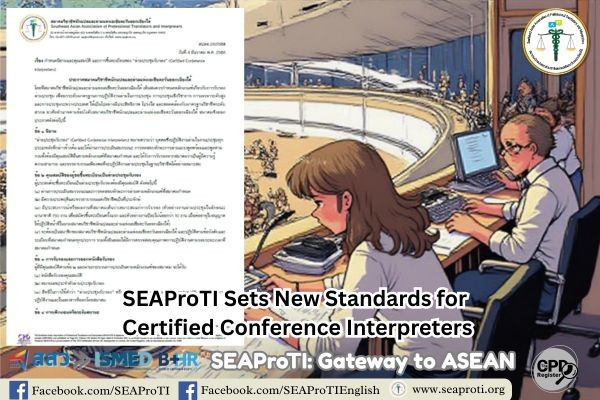
About certified translators, translation certifiers, and certified interpreters associated with SEAProTI. The Southeast Asian Association of Professional Translators and Interpreters (SEAProTI) has officially shared the qualifications and requirements for becoming Certified Translators, Translation Certification Providers, and Certified Interpreters in Sections 9 and 10 of the Royal Gazette, which was published by the Prime Minister’s Office in Thailand on July 25, 2024. Certified Translators, Translation Certification Providers, and Certified Interpreters
The Council of State has proposed the enactment of a Royal Decree, granting registered translators and recognised translation certifiers from professional associations or accredited language institutions the authority to provide legally valid translation certification (Letter to SEAProTI dated April 28, 2025)
SEAProTI is the first professional association in Thailand and Southeast Asia to implement a comprehensive certification system for translators, certifiers, and interpreters.
Head Office: Baan Ratchakru Building, No. 33, Room 402, Soi Phahonyothin 5, Phahonyothin Road, Phaya Thai District, Bangkok 10400, Thailand
Email: hello@seaproti.com | Tel.: (+66) 2-114-3128 (Office hours: Mon–Fri, 09:00–17:00)
ผลกระทบของการถูกขึ้นบัญชีดำในประเทศไทย: มิติทางกฎหมายคนเข้าเมือง การจ้างงานระหว่างประเทศ และบทบาทของนักแปลรับรองและล่ามรับรอง
ผู้เขียน: ไกรฤกษ์ กรวยทอง
28 พฤษภาคม 2569, กรุงเทพมหานคร – การถูกขึ้นบัญชีดำ (blacklist) ตามกฎหมายคนเข้าเมืองของประเทศไทยเป็นมาตรการทางกฎหมายที่ส่งผลกระทบอย่างกว้างขวางต่อบุคคลต่างชาติ ทั้งในด้านสิทธิในการเดินทาง การขอวีซ่า การทำงาน และภาพลักษณ์ทางกฎหมายในระดับระหว่างประเทศ (พระราชบัญญัติคนเข้าเมือง พ.ศ. 2522, 2522) บทความนี้มุ่งศึกษาผลกระทบของการถูกขึ้นบัญชีดำภายใต้พระราชบัญญัติคนเข้าเมือง พ.ศ. 2522 ตลอดจนวิเคราะห์บทบาทของนักแปลรับรอง (Certified Translators) ผู้รับรองการแปล (Translation Certification Providers) และล่ามรับรอง (Certified Interpreters) ในกระบวนการทางกฎหมายและการบริหารงานคนเข้าเมือง โดยเฉพาะในกรณีที่บุคคลต่างชาติต้องยื่นเอกสารอุทธรณ์ ขอเพิกถอนบัญชีดำ หรือดำเนินการขอวีซ่าใหม่ในต่างประเทศ นอกจากนี้ บทความยังชี้ให้เห็นว่าการแปลเอกสารทางกฎหมายอย่างถูกต้องและการล่ามที่มีมาตรฐานวิชาชีพมีบทบาทสำคัญต่อการคุ้มครองสิทธิของบุคคลและการลดข้อพิพาททางกฎหมายข้ามพรมแดน (ชาร์เชวิช, 2540; เวนูตี, 2561) ทั้งนี้ สมาคมวิชาชีพนักแปลและล่ามแห่งเอเชียตะวันออกเฉียงใต้มีบทบาทสำคัญในการกำหนดมาตรฐานวิชาชีพ การรับรองคุณภาพ และการสร้างความน่าเชื่อถือของเอกสารแปลและการล่ามในกระบวนการตรวจคนเข้าเมืองระหว่างประเทศ
บทนำ
ในยุคโลกาภิวัตน์ การเคลื่อนย้ายบุคคลระหว่างประเทศมีความซับซ้อนมากขึ้น ส่งผลให้รัฐต่าง ๆ ใช้มาตรการควบคุมคนเข้าเมืองอย่างเข้มงวดเพื่อรักษาความมั่นคงและระเบียบสังคม ประเทศไทยในฐานะศูนย์กลางเศรษฐกิจและการท่องเที่ยวแห่งหนึ่งของเอเชียตะวันออกเฉียงใต้ได้กำหนดมาตรการ “บัญชีดำ” สำหรับบุคคลต่างชาติที่กระทำผิดกฎหมายคนเข้าเมือง เช่น การอยู่เกินกำหนดอนุญาต (overstay) หรือการทำงานโดยไม่ได้รับอนุญาต ภายใต้พระราชบัญญัติคนเข้าเมือง พ.ศ. 2522 (พระราชบัญญัติคนเข้าเมือง พ.ศ. 2522, 2522)
การถูกขึ้นบัญชีดำมิได้ส่งผลเฉพาะต่อการเดินทางเข้าประเทศไทยเท่านั้น แต่ยังส่งผลต่อการขอวีซ่าของประเทศอื่น การสมัครงาน และสถานะทางกฎหมายในอนาคต (สยามลีกัลอินเตอร์เนชันแนล, 2567) นอกจากนี้ ในกระบวนการแก้ไขปัญหาทางกฎหมายดังกล่าว บุคคลต่างชาติมักต้องใช้เอกสารหลายภาษา เช่น หนังสือรับรองความประพฤติ คำพิพากษา เอกสารอุทธรณ์ และเอกสารรับรองสถานะ ซึ่งจำเป็นต้องได้รับการแปลและรับรองอย่างถูกต้องตามมาตรฐานสากล ดังนั้น นักแปลรับรองและล่ามรับรองจึงมีบทบาทสำคัญในการสร้างความถูกต้อง โปร่งใส และความน่าเชื่อถือให้แก่กระบวนการทางกฎหมายคนเข้าเมือง (มิคเคลสัน, 2559)
ผลกระทบของการถูกขึ้นบัญชีดำในประเทศไทย
การถูกขึ้นบัญชีดำภายใต้กฎหมายคนเข้าเมืองไทยมีผลโดยตรงต่อสิทธิในการเดินทางเข้าประเทศ โดยบุคคลที่ถูกขึ้นบัญชีดำอาจถูกห้ามเข้าประเทศไทยเป็นระยะเวลาหลายปีขึ้นอยู่กับลักษณะของการกระทำผิด เช่น การอยู่เกินกำหนดอนุญาตเป็นระยะเวลานานหรือการฝ่าฝืนคำสั่งของเจ้าหน้าที่ตรวจคนเข้าเมือง (พระราชบัญญัติคนเข้าเมือง พ.ศ. 2522, 2522) แม้ภายหลังจะครบกำหนดระยะเวลาห้ามเข้าประเทศแล้ว เจ้าหน้าที่ตรวจคนเข้าเมืองยังสามารถใช้ดุลพินิจในการตรวจสอบอย่างเข้มงวดต่อบุคคลดังกล่าวได้ (สยามลีกัลอินเตอร์เนชันแนล, 2567)
นอกจากผลกระทบภายในประเทศแล้ว ประวัติการถูกขึ้นบัญชีดำยังส่งผลต่อการยื่นขอวีซ่าของประเทศอื่น เนื่องจากหลายประเทศให้ความสำคัญกับประวัติการปฏิบัติตามกฎหมายคนเข้าเมืองของผู้สมัครวีซ่า ผู้ที่เคยถูกขึ้นบัญชีดำอาจถูกตั้งข้อสงสัยเกี่ยวกับความน่าเชื่อถือและความเสี่ยงในการกระทำผิดซ้ำ ส่งผลให้กระบวนการพิจารณาวีซ่ามีความเข้มงวดและใช้เวลานานมากขึ้น (สยามลีกัลอินเตอร์เนชันแนล, 2567)
ในด้านการจ้างงาน องค์กรระหว่างประเทศและบริษัทข้ามชาติจำนวนมากกำหนดให้ผู้สมัครงานผ่านการตรวจสอบประวัติทางกฎหมายและประวัติการเข้าเมือง การมีประวัติการอยู่เกินกำหนดหรือการละเมิดกฎหมายตรวจคนเข้าเมืองอาจส่งผลต่อความเชื่อมั่นของนายจ้าง โดยเฉพาะในตำแหน่งงานที่เกี่ยวข้องกับการเดินทางระหว่างประเทศหรือการขอใบอนุญาตทำงาน (ทูรี, 2555)
บทบาทของนักแปลรับรองและล่ามรับรอง
ในกระบวนการทางกฎหมายที่เกี่ยวข้องกับการขึ้นบัญชีดำ บุคคลต่างชาติมักต้องจัดเตรียมเอกสารหลายประเภทเพื่อใช้ในการยื่นอุทธรณ์ การยื่นคำร้อง หรือการขอวีซ่าใหม่ เอกสารเหล่านี้จำเป็นต้องได้รับการแปลอย่างถูกต้องและได้รับการรับรองเพื่อให้หน่วยงานราชการและสถานทูตยอมรับ นักแปลรับรองจึงมีบทบาทสำคัญในการถ่ายทอดสารทางกฎหมายจากภาษาหนึ่งสู่อีกภาษาหนึ่งโดยคงไว้ซึ่งความหมายทางกฎหมายอย่างครบถ้วน (ชาร์เชวิช, 2540)
ผู้รับรองการแปลมีหน้าที่ตรวจสอบและรับรองว่าเอกสารแปลมีความถูกต้องตรงกับต้นฉบับ ซึ่งเป็นกระบวนการสำคัญในงานกฎหมายระหว่างประเทศ โดยเฉพาะในกรณีที่เอกสารถูกใช้ต่อหน้าศาล หน่วยงานตรวจคนเข้าเมือง หรือสถานทูต ความคลาดเคลื่อนในการแปลแม้เพียงเล็กน้อยอาจส่งผลต่อผลการพิจารณาคดีหรือการอนุมัติวีซ่าได้ (สมาคมนักแปลอเมริกัน [American Translators Association] , 2566)
ล่ามรับรองมีบทบาทสำคัญในขั้นตอนการสอบสวน การสัมภาษณ์ และการพิจารณาคำร้องของหน่วยงานตรวจคนเข้าเมือง เนื่องจากผู้ถูกขึ้นบัญชีดำจำนวนมากไม่สามารถสื่อสารภาษาไทยได้อย่างเพียงพอ ล่ามรับรองจึงทำหน้าที่ถ่ายทอดข้อมูล ข้อเท็จจริง และคำชี้แจงระหว่างเจ้าหน้าที่รัฐกับบุคคลต่างชาติอย่างถูกต้องและเป็นกลาง เพื่อคุ้มครองสิทธิขั้นพื้นฐานและลดความเข้าใจผิดที่อาจเกิดขึ้น (นิสกา, 2545)
สมาคมวิชาชีพนักแปลและล่ามแห่งเอเชียตะวันออกเฉียงใต้มีบทบาทในการกำหนดมาตรฐานวิชาชีพ การอบรม และการรับรองคุณสมบัติของนักแปลและล่ามในภูมิภาค การมีมาตรฐานวิชาชีพที่ชัดเจนช่วยเพิ่มความเชื่อมั่นให้แก่หน่วยงานภาครัฐ ศาล และองค์กรระหว่างประเทศว่าเอกสารแปลและการล่ามมีคุณภาพและสามารถนำไปใช้ในกระบวนการทางกฎหมายได้อย่างมีประสิทธิภาพ (เวนูตี, 2561) นอกจากนี้ สมาคมยังมีบทบาทในการส่งเสริมจริยธรรมวิชาชีพและการพัฒนาทักษะเฉพาะด้านกฎหมายคนเข้าเมืองและกฎหมายระหว่างประเทศ
การป้องกันปัญหาการถูกขึ้นบัญชีดำ
การป้องกันปัญหาการถูกขึ้นบัญชีดำสามารถทำได้โดยการปฏิบัติตามกฎหมายคนเข้าเมืองอย่างเคร่งครัด ผู้เดินทางควรตรวจสอบประเภทวีซ่าและระยะเวลาการอนุญาตให้อยู่ในประเทศไทยอย่างสม่ำเสมอ รวมถึงดำเนินการรายงานตัวต่อสำนักงานตรวจคนเข้าเมืองตามที่กฎหมายกำหนด ในกรณีที่เกิดการอยู่เกินกำหนด ผู้กระทำควรรีบติดต่อเจ้าหน้าที่และดำเนินการแก้ไขโดยเร็วเพื่อลดความรุนแรงของบทลงโทษ (สยามลีกัลอินเตอร์เนชันแนล, 2567)
นอกจากนี้ การขอคำปรึกษาจากผู้เชี่ยวชาญด้านกฎหมายคนเข้าเมือง นักแปลรับรอง และล่ามรับรองตั้งแต่ระยะแรกสามารถช่วยลดความผิดพลาดในการจัดเตรียมเอกสารและการสื่อสารกับหน่วยงานรัฐได้อย่างมีประสิทธิภาพ (มิคเคลสัน, 2559)
สรุป
การถูกขึ้นบัญชีดำในประเทศไทยเป็นมาตรการทางกฎหมายที่มีผลกระทบในวงกว้าง ทั้งต่อเสรีภาพในการเดินทาง การขอวีซ่า การทำงาน และภาพลักษณ์ทางกฎหมายของบุคคลในระดับสากล กระบวนการแก้ไขปัญหาและการฟื้นฟูสถานะทางกฎหมายจำเป็นต้องอาศัยเอกสารและการสื่อสารที่ถูกต้องแม่นยำ ส่งผลให้นักแปลรับรอง ผู้รับรองการแปล และล่ามรับรองมีบทบาทสำคัญในกระบวนการดังกล่าว โดยเฉพาะในบริบทของกฎหมายระหว่างประเทศและงานตรวจคนเข้าเมือง การพัฒนามาตรฐานวิชาชีพของผู้ปฏิบัติงานด้านภาษาโดยองค์กรวิชาชีพในเอเชียตะวันออกเฉียงใต้จึงเป็นกลไกสำคัญในการสนับสนุนความยุติธรรมและความน่าเชื่อถือของกระบวนการทางกฎหมายข้ามพรมแดน (ชาร์เชวิช, 2540; เวนูตี, 2561)
เอกสารอ้างอิง
- สมาคมนักแปลอเมริกัน. (2566). Certified translation and professional standards. ATA Publications.
- พระราชบัญญัติคนเข้าเมือง พ.ศ. 2522 (2522) (ประเทศไทย).
- มิคเคลสัน, เอช. (2559). Introduction to court interpreting (พิมพ์ครั้งที่ 2). Routledge.
- นิสกา, เอช. (2545). Community interpreter training: Past, present, future. ใน เอฟ. เพิคฮัคเกอร์ และ เอ็ม. ชเลซิงเกอร์ (บ.ก.), The interpreting studies reader (น. 133–144). Routledge.
- สยามลีกัลอินเตอร์เนชันแนล. (2567). Consequences of being blacklisted in Thailand. Siam Legal International.
- ชาร์เชวิช, เอส. (2540). New approach to legal translation. Kluwer Law International.
- ทูรี, จี. (2555). Descriptive translation studies and beyond (พิมพ์ครั้งที่ 2). John Benjamins.
- เวนูตี, แอล. (2561). The translator’s invisibility: A history of translation (พิมพ์ครั้งที่ 3). Routledge.
สมาคมวิชาชีพนักแปลและล่ามแห่งเอเชียตะวันออกเฉียงใต้ (SEAProTI) ได้ประกาศหลักเกณฑ์และคุณสมบัติของผู้ที่ขึ้นทะเบียนเป็น “นักแปลรับรอง (Certified Translators) และผู้รับรองการแปล (Translation Certification Providers) และล่ามรับรอง (Certified Interpreters)” ของสมาคม หมวดที่ 9 และหมวดที่ 10 ในราชกิจจานุเบกษา ของสำนักเลขาธิการคณะรัฐมนตรี ในสำนักนายกรัฐมนตรี แห่งราชอาณาจักรไทย ลงวันที่ 25 ก.ค. 2567 เล่มที่ 141 ตอนที่ 66 ง หน้า 100 อ่านฉบับเต็มได้ที่: นักแปลรับรอง ผู้รับรองการแปล และล่ามรับรอง
สำนักคณะกรรมการกฤษฎีกาเสนอให้ตราเป็นพระราชกฤษฎีกา โดยกำหนดให้นักแปลที่ขึ้นทะเบียน รวมถึงผู้รับรองการแปลจากสมาคมวิชาชีพหรือสถาบันสอนภาษาที่มีการอบรมและขึ้นทะเบียน สามารถรับรองคำแปลได้ (จดหมายถึงสมาคม SEAProTI ลงวันที่ 28 เม.ย. 2568)
สมาคมวิชาชีพนักแปลและล่ามแห่งเอเชียตะวันออกเฉียงใต้เป็นสมาคมวิชาชีพแห่งแรกและแห่งเดียวในประเทศไทยและภูมิภาคเอเชียตะวันออกเฉียงใต้ที่มีระบบรับรองนักแปลรับรอง ผู้รับรองการแปล และล่ามรับรอง
สำนักงานใหญ่: อาคารบ้านราชครู เลขที่ 33 ห้อง 402 ซอยพหลโยธิน 5 ถนนพหลโยธิน แขวงพญาไท เขตพญาไท กรุงเทพมหานคร 10400 ประเทศไทย