


Defamation in Thailand: Criminal Proceedings and the Roles of Certified Translators, Translation Certification Providers, and Certified Interpreters in the Thai Justice System
Author: Phakaporn Tanjararak
22 May 2026, Bangkok – Defamation in Thailand is considered a criminal offense under the Thai Criminal Code, which differs from many Western countries where defamation is commonly treated solely as a civil matter. This article aims to examine the legal principles governing defamation in Thailand, the procedures for criminal prosecution and civil litigation, as well as the roles of certified translators, translation certification providers, and certified interpreters within the Thai justice system, particularly in cases involving foreign nationals or foreign-language documents. This study employs a qualitative research methodology through the analysis of legal documents, academic literature, and legal procedural guidelines. The findings reveal that Thai law places significant importance on personal reputation and honor, resulting in defamation being categorized as a criminal offense. Victims are entitled to pursue both criminal charges and civil compensation simultaneously. Furthermore, certified translators, translation certification providers, and certified interpreters play essential roles in ensuring linguistic accuracy, document authentication, and communication during investigations and court proceedings, thereby serving as vital mechanisms for protecting the rights of foreign parties within the Thai justice system.
Introduction
Defamation has become a significant issue within Thailand’s criminal law system because Thai society places considerable importance on personal reputation, dignity, and social status. The dissemination of false statements or information that damages another person’s reputation is therefore classified as a criminal offense. Under the Thai Criminal Code, defamation may occur through spoken words, written statements, printed publications, or online communication. In the current digital era, the problem has become increasingly severe and complex, particularly on social media platforms that facilitate the rapid spread of information (Thai Criminal Code, 1956). Thailand possesses distinctive legal characteristics that differ from many Western jurisdictions. Defamation is not merely a civil liability but also a criminal offense, allowing victims to file criminal complaints and seek civil damages simultaneously. Consequently, accused individuals may face imprisonment, monetary fines, and liability for compensation to the injured party (Council of State, 2022).
Moreover, in defamation cases involving foreign nationals, whether as victims, defendants, or witnesses, translation and interpretation processes become critically important because all legal documents and judicial proceedings in Thailand are conducted in Thai. Accordingly, certified translators, translation certification providers, and certified interpreters play important roles in facilitating justice and minimizing linguistic inaccuracies within legal proceedings (Southeast Asian Association of Professional Translators and Interpreters, 2026).
Concepts and Legal Principles of Defamation in Thailand
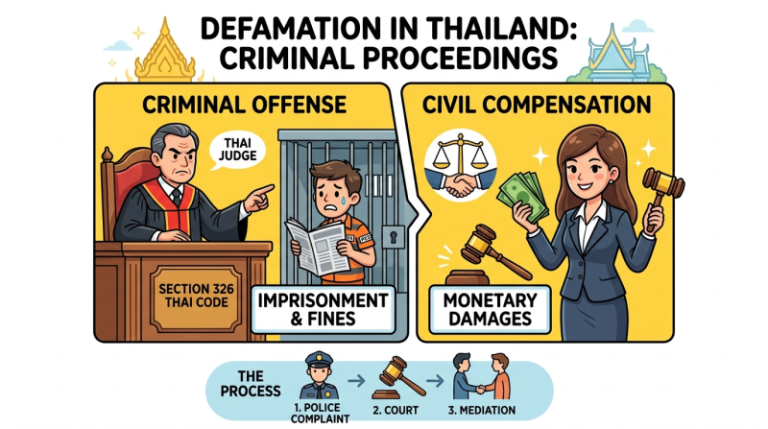
Under Section 326 of the Thai Criminal Code, defamation refers to imputing anything to another person before a third party in a manner likely to impair that person’s reputation, expose them to hatred, or subject them to contempt. Such acts may occur through speech, text, documents, images, or electronic media. If the defamatory content is publicly disseminated through print media or online platforms, it constitutes defamation by publication, which carries more severe penalties (Thai Criminal Code, 1956).
Thai law classifies penalties for defamation into two major categories. Ordinary defamation is punishable by imprisonment not exceeding 1 year, a fine not exceeding 20,000 baht, or both. Defamation by publication, such as posting defamatory content online or through print media, is punishable by imprisonment not exceeding 2 years and a fine not exceeding 200,000 baht (Office of the Judiciary, 2024).
Within the context of digital society, online defamation has become increasingly significant because information can spread rapidly and reach a large audience in a short period. Consequently, the reputational damage suffered by victims may become more severe. Furthermore, digital information can be permanently stored and repeatedly redistributed, leading Thai courts to assess reputational harm in such cases more strictly (Thanakrit Wongpanya, 2023).
Criminal Proceedings in Defamation Cases
Criminal prosecution for defamation in Thailand requires clear evidence regarding the defamatory statement or conduct that caused harm. Victims may file complaints with investigating officers or directly initiate proceedings before the court. Plaintiffs must demonstrate how the defamatory statement affected their reputation, occupation, relationships, or social standing (Office of the Attorney General, 2022).
In practice, retaining a lawyer knowledgeable in defamation law is considered essential because Thai criminal procedures are highly complex, especially for foreign nationals who are not fluent in Thai. Lawyers play important roles in preparing evidence, negotiating mediation, and representing clients before the court (Chanchai Sawaengsak, 2021).
If the case proceeds to trial, Thai judges possess the authority to determine the facts and impose penalties because Thailand does not employ a jury system similar to those in certain Western countries. Therefore, the presentation of evidence and legal communication must be conducted with great precision and accuracy (Office of the Judiciary, 2024).
Civil Litigation in Defamation Cases
In addition to criminal proceedings, victims may file civil lawsuits seeking compensation from the offender. Plaintiffs must prove that the defamatory act caused actual damages, such as loss of income, business harm, damaged personal relationships, or threats to personal safety (Civil and Commercial Code, 1925).
However, Thai courts generally award limited damages in defamation cases, focusing primarily on compensating provable losses rather than imposing punitive damages as seen in some Western jurisdictions. As a result, compensation amounts are often relatively modest compared to those awarded abroad (Weerachai Panyakul, 2020).
The Roles of Certified Translators, Translation Certification Providers, and Certified Interpreters in Defamation Cases
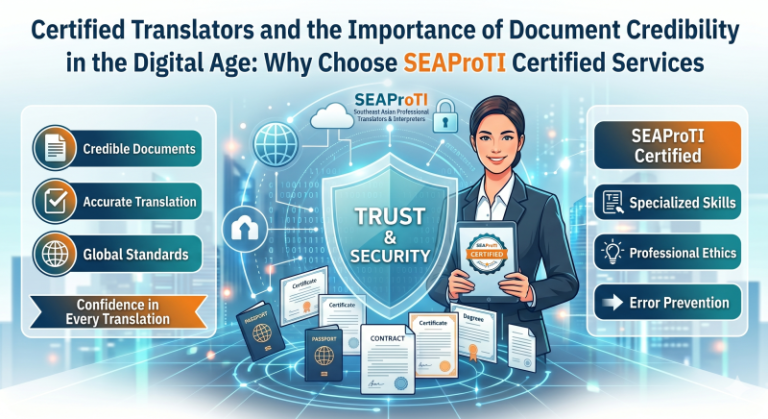
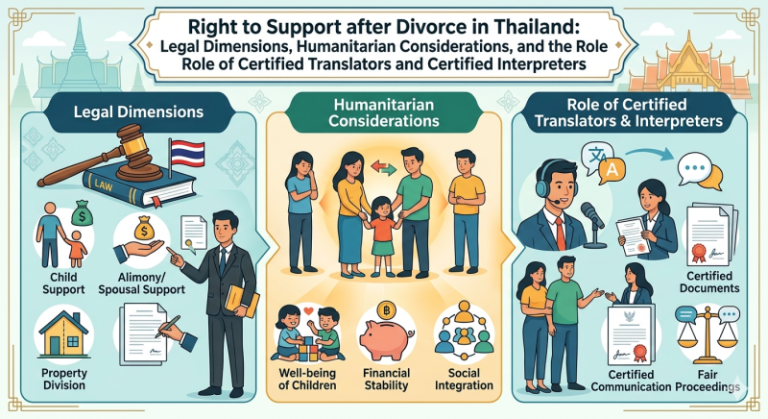
In defamation cases involving foreign nationals, certified translators play crucial roles in translating legal documents such as complaints, testimonies, digital evidence, and official documents to ensure that courts and relevant authorities can accurately review the information. Certified translators must preserve the accuracy of the original content and employ appropriate legal terminology because translation errors may directly affect the outcome of the case (Southeast Asian Association of Professional Translators and Interpreters, 2026).
Translation certification providers are responsible for verifying and certifying that translated documents accurately and completely reflect the original texts. This function is particularly important in cases involving foreign documents or multilingual digital evidence. Certification enhances the credibility of documents and reduces disputes regarding accuracy during court proceedings (Kittiphong Suwannaphakdi, 2022).
Meanwhile, certified interpreters facilitate communication among litigants, lawyers, investigators, and judges, especially during investigations, witness examinations, and court hearings. Certified interpreters must possess knowledge of legal terminology and professional ethics in order to prevent mistranslations or communication errors that could negatively affect the parties’ rights to a fair trial (Southeast Asian Association of Professional Translators and Interpreters, 2026).
The Southeast Asian Association of Professional Translators and Interpreters also plays an important role in establishing professional standards, organizing training programs, and certifying the qualifications of translators and interpreters in order to improve the quality of legal translation throughout Southeast Asia. Such efforts contribute significantly to the credibility of transnational judicial processes (Southeast Asian Association of Professional Translators and Interpreters, 2026).
Conclusion
Defamation in Thailand is a criminal offense that reflects the importance of reputation and honor within Thai society. Victims may pursue both criminal prosecution and civil litigation simultaneously, while Thai courts possess significant authority in determining factual findings and imposing penalties. Nevertheless, these procedures remain complex, particularly in cases involving foreign nationals and foreign-language documents.
Certified translators, translation certification providers, and certified interpreters therefore serve as essential mechanisms supporting the Thai justice system through document translation, certification of accuracy, and linguistic facilitation during investigations and court proceedings. These professionals directly contribute to the protection of litigants’ rights and the promotion of fairness in international judicial processes.
References
- Chanchai Sawaengsak. (2021). Criminal Procedure in Thailand. Bangkok: Winyuchon Publishing.
- Council of State. (2022). Commentary on Criminal Code Provisions Concerning Defamation. Bangkok: Office of the Council of State.
- Office of the Attorney General. (2022). Manual for Criminal Proceedings in Defamation Cases. Bangkok: Office of the Attorney General.
- Office of the Judiciary. (2024). Guidelines for Defamation Cases in Thai Courts. Bangkok: Office of the Judiciary.
- Thai Criminal Code. (1956). Bangkok: Royal Gazette.
For professional services, please visit: https://www.seaproti.org/practitioners/
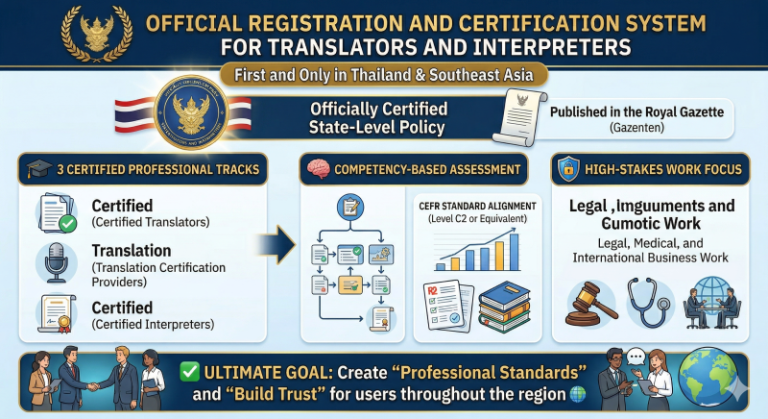
About certified translators, translation certifiers, and certified interpreters associated with SEAProTI. The Southeast Asian Association of Professional Translators and Interpreters (SEAProTI) has officially shared the qualifications and requirements for becoming Certified Translators, Translation Certification Providers, and Certified Interpreters in Sections 9 and 10 of the Royal Gazette, which was published by the Prime Minister’s Office in Thailand on July 25, 2024. Certified Translators, Translation Certification Providers, and Certified Interpreters
The Council of State has proposed the enactment of a Royal Decree, granting registered translators and recognised translation certifiers from professional associations or accredited language institutions the authority to provide legally valid translation certification (Letter to SEAProTI dated April 28, 2025)
SEAProTI is the first professional association in Thailand and Southeast Asia to implement a comprehensive certification system for translators, certifiers, and interpreters.
Head Office: Baan Ratchakru Building, No. 33, Room 402, Soi Phahonyothin 5, Phahonyothin Road, Phaya Thai District, Bangkok 10400, Thailand
Email: hello@seaproti.com | Tel.: (+66) 2-114-3128 (Office hours: Mon–Fri, 09:00–17:00).
การหมิ่นประมาทในประเทศไทย: กระบวนการดำเนินคดีอาญา บทบาทของนักแปลรับรอง ผู้รับรองการแปล และล่ามรับรองในกระบวนการยุติธรรมไทย
ผู้เขียน: ภคพร ตันจรารักษ์
22 พฤษภาคม 2569, กรุงเทพมหานคร – การหมิ่นประมาทในประเทศไทยถือเป็นความผิดอาญาตามประมวลกฎหมายอาญา ซึ่งแตกต่างจากหลายประเทศตะวันตกที่มักกำหนดให้เป็นเพียงความรับผิดทางแพ่ง บทความนี้มีวัตถุประสงค์เพื่อศึกษาหลักกฎหมายเกี่ยวกับการหมิ่นประมาทในประเทศไทย กระบวนการฟ้องร้องคดีอาญาและคดีแพ่ง ตลอดจนวิเคราะห์บทบาทของนักแปลรับรอง ผู้รับรองการแปล และล่ามรับรองในกระบวนการยุติธรรมไทย โดยเฉพาะในคดีที่มีชาวต่างชาติหรือเอกสารภาษาต่างประเทศเข้ามาเกี่ยวข้อง การศึกษานี้ใช้วิธีวิจัยเชิงคุณภาพโดยการวิเคราะห์เอกสารทางกฎหมาย บทความวิชาการ และแนวปฏิบัติของหน่วยงานด้านกฎหมาย ผลการศึกษาพบว่า กฎหมายไทยให้ความสำคัญกับชื่อเสียงและเกียรติยศของบุคคลอย่างมาก ส่งผลให้การหมิ่นประมาทถูกกำหนดให้เป็นความผิดทางอาญา ผู้เสียหายสามารถดำเนินคดีอาญาและเรียกค่าเสียหายทางแพ่งได้พร้อมกัน นอกจากนี้ นักแปลรับรอง ผู้รับรองการแปล และล่ามรับรองมีบทบาทสำคัญในการสร้างความถูกต้องทางภาษา การรับรองเอกสาร และการสื่อสารในชั้นสอบสวนและพิจารณาคดี อันเป็นกลไกสำคัญในการคุ้มครองสิทธิของคู่ความชาวต่างชาติในกระบวนการยุติธรรมไทย
บทนำ
ปัญหาการหมิ่นประมาทเป็นประเด็นสำคัญในกฎหมายอาญาของประเทศไทย เนื่องจากสังคมไทยให้ความสำคัญกับชื่อเสียง เกียรติยศ และสถานะทางสังคมของบุคคล การเผยแพร่ข้อความอันเป็นเท็จหรือข้อความที่ก่อให้เกิดความเสียหายต่อชื่อเสียงของผู้อื่นจึงถูกกำหนดให้เป็นความผิดทางอาญา ภายใต้ประมวลกฎหมายอาญาไทย การหมิ่นประมาทสามารถเกิดขึ้นได้ทั้งในรูปแบบการพูด การเขียน การเผยแพร่ทางสื่อสิ่งพิมพ์ และสื่อออนไลน์ ซึ่งในยุคดิจิทัลปัจจุบัน ปัญหาดังกล่าวยิ่งทวีความรุนแรงและซับซ้อนมากขึ้น โดยเฉพาะในแพลตฟอร์มสื่อสังคมออนไลน์ที่เอื้อให้ข้อมูลแพร่กระจายอย่างรวดเร็ว (ประมวลกฎหมายอาญา, พ.ศ. 2499) ประเทศไทยมีลักษณะเฉพาะทางกฎหมายที่แตกต่างจากหลายประเทศตะวันตก กล่าวคือ การหมิ่นประมาทมิใช่เพียงความรับผิดทางแพ่ง แต่ยังเป็นความผิดอาญาที่ผู้เสียหายสามารถแจ้งความดำเนินคดีและฟ้องร้องเรียกค่าเสียหายได้พร้อมกัน ส่งผลให้ผู้ถูกกล่าวหาอาจเผชิญทั้งโทษจำคุก ค่าปรับ และความรับผิดในการชดใช้ค่าเสียหายแก่ผู้เสียหาย (คณะกรรมการกฤษฎีกา, พ.ศ. 2565)
นอกจากนี้ ในคดีหมิ่นประมาทที่มีชาวต่างชาติเข้ามาเกี่ยวข้อง ไม่ว่าจะเป็นผู้เสียหาย ผู้ถูกกล่าวหา หรือพยานบุคคล กระบวนการแปลภาษาและการล่ามมีความสำคัญอย่างยิ่ง เนื่องจากเอกสารทางกฎหมายทั้งหมดและกระบวนการพิจารณาคดีในประเทศไทยดำเนินการเป็นภาษาไทย ดังนั้น นักแปลรับรอง ผู้รับรองการแปล และล่ามรับรองจึงมีบทบาทสำคัญในการอำนวยความยุติธรรมและลดความคลาดเคลื่อนทางภาษาในกระบวนการยุติธรรม (สมาคมวิชาชีพนักแปลและล่ามแห่งเอเชียตะวันออกเฉียงใต้, พ.ศ. 2569)
แนวคิดและหลักกฎหมายเกี่ยวกับการหมิ่นประมาทในประเทศไทย
ตามประมวลกฎหมายอาญา มาตรา 326 การหมิ่นประมาทหมายถึง การใส่ความผู้อื่นต่อบุคคลที่สามด้วยประการที่น่าจะทำให้ผู้อื่นนั้นเสียชื่อเสียง ถูกดูหมิ่น หรือถูกเกลียดชัง การกระทำดังกล่าวอาจอยู่ในรูปแบบวาจา ข้อความ เอกสาร ภาพ หรือสื่ออิเล็กทรอนิกส์ หากเป็นการเผยแพร่ต่อสาธารณะผ่านสื่อสิ่งพิมพ์หรือระบบออนไลน์ จะถือเป็นการหมิ่นประมาทโดยการโฆษณา ซึ่งมีโทษหนักกว่า (ประมวลกฎหมายอาญา, พ.ศ. 2499)
กฎหมายไทยกำหนดโทษของการหมิ่นประมาทออกเป็น 2 ลักษณะสำคัญ กล่าวคือ การหมิ่นประมาททั่วไป มีโทษจำคุกไม่เกิน 1 ปี หรือปรับไม่เกิน 20,000 บาท หรือทั้งจำทั้งปรับ ส่วนการหมิ่นประมาทโดยการโฆษณา เช่น การโพสต์ข้อความบนสื่อออนไลน์หรือสื่อสิ่งพิมพ์ มีโทษจำคุกไม่เกิน 2 ปี และปรับไม่เกิน 200,000 บาท (สำนักงานศาลยุติธรรม, พ.ศ. 2567)
ในบริบทของสังคมดิจิทัล การหมิ่นประมาทออนไลน์กลายเป็นประเด็นสำคัญมากขึ้น เนื่องจากข้อความสามารถเผยแพร่และเข้าถึงผู้คนจำนวนมากได้ภายในเวลาอันรวดเร็ว ส่งผลให้ความเสียหายต่อชื่อเสียงของผู้เสียหายรุนแรงขึ้น อีกทั้งข้อมูลดิจิทัลยังสามารถถูกบันทึกและเผยแพร่ซ้ำได้อย่างต่อเนื่อง ทำให้ศาลไทยมักพิจารณาความเสียหายทางชื่อเสียงอย่างเข้มงวดในคดีประเภทนี้ (ธนกฤต วงศ์ปัญญา, พ.ศ. 2566)
กระบวนการดำเนินคดีอาญาฐานหมิ่นประมาท
การดำเนินคดีอาญาฐานหมิ่นประมาทในประเทศไทยจำเป็นต้องอาศัยหลักฐานที่ชัดเจนเกี่ยวกับข้อความหรือพฤติกรรมที่ก่อให้เกิดความเสียหาย ผู้เสียหายสามารถแจ้งความต่อพนักงานสอบสวนหรือยื่นฟ้องต่อศาลโดยตรง ทั้งนี้ ผู้เสียหายจำเป็นต้องแสดงให้เห็นว่าข้อความดังกล่าวส่งผลกระทบต่อชื่อเสียง อาชีพ ความสัมพันธ์ หรือสถานะทางสังคมของตนอย่างไร (สำนักงานอัยการสูงสุด, พ.ศ. 2565)
ในทางปฏิบัติ การมีทนายความที่มีความรู้ด้านกฎหมายหมิ่นประมาทถือเป็นปัจจัยสำคัญ เนื่องจากกระบวนการพิจารณาคดีอาญาไทยมีความซับซ้อน โดยเฉพาะสำหรับชาวต่างชาติที่ไม่สามารถใช้ภาษาไทยได้อย่างคล่องแคล่ว ทนายความจึงมีบทบาทในการจัดเตรียมพยานหลักฐาน การเจรจาไกล่เกลี่ย และการว่าความต่อหน้าศาล (ชาญชัย แสวงศักดิ์, พ.ศ. 2564)
หากคดีเข้าสู่ชั้นพิจารณา ศาลไทยจะเป็นผู้มีอำนาจวินิจฉัยข้อเท็จจริงและกำหนดบทลงโทษ เนื่องจากประเทศไทยไม่มีระบบลูกขุนเหมือนบางประเทศตะวันตก ดังนั้น การนำเสนอพยานหลักฐานและการสื่อสารทางกฎหมายจึงต้องมีความถูกต้องและแม่นยำอย่างยิ่ง (สำนักงานศาลยุติธรรม, พ.ศ. 2567)
การฟ้องคดีแพ่งเกี่ยวกับการหมิ่นประมาท
นอกจากการดำเนินคดีอาญาแล้ว ผู้เสียหายยังสามารถฟ้องคดีแพ่งเพื่อเรียกค่าเสียหายจากผู้กระทำผิดได้ โดยต้องพิสูจน์ว่าการหมิ่นประมาทก่อให้เกิดความเสียหายที่แท้จริง เช่น การสูญเสียรายได้ ความเสียหายต่อธุรกิจ ความสัมพันธ์ส่วนบุคคล หรือความปลอดภัยในชีวิต (ประมวลกฎหมายแพ่งและพาณิชย์, พ.ศ. 2468)
อย่างไรก็ตาม ศาลไทยมักกำหนดค่าเสียหายในคดีหมิ่นประมาทอย่างจำกัด โดยมุ่งเน้นการชดเชยความเสียหายที่พิสูจน์ได้จริง มากกว่าการลงโทษเชิงลงทัณฑ์แบบที่พบในบางประเทศตะวันตก ส่งผลให้จำนวนเงินชดเชยมักไม่สูงมากนักเมื่อเปรียบเทียบกับต่างประเทศ (วีระชัย ปัญญากุล, พ.ศ. 2563)
บทบาทของนักแปลรับรอง ผู้รับรองการแปล และล่ามรับรองในคดีหมิ่นประมาท
ในคดีหมิ่นประมาทที่เกี่ยวข้องกับชาวต่างชาติ นักแปลรับรองมีบทบาทสำคัญในการแปลเอกสารทางกฎหมาย เช่น คำฟ้อง คำให้การ หลักฐานดิจิทัล และเอกสารทางราชการ เพื่อให้ศาลและหน่วยงานที่เกี่ยวข้องสามารถตรวจสอบข้อมูลได้อย่างถูกต้อง นักแปลรับรองต้องรักษาความเที่ยงตรงของต้นฉบับและใช้ถ้อยคำทางกฎหมายอย่างเหมาะสม เนื่องจากความผิดพลาดในการแปลอาจส่งผลต่อผลของคดีโดยตรง (สมาคมวิชาชีพนักแปลและล่ามแห่งเอเชียตะวันออกเฉียงใต้, พ.ศ. 2569)
ผู้รับรองการแปลมีหน้าที่ตรวจสอบและรับรองว่าเอกสารแปลมีความถูกต้องครบถ้วนตามต้นฉบับ ซึ่งมีความสำคัญอย่างยิ่งในคดีที่ใช้เอกสารจากต่างประเทศหรือหลักฐานดิจิทัลหลายภาษา การรับรองเอกสารช่วยเพิ่มความน่าเชื่อถือและลดข้อโต้แย้งเกี่ยวกับความถูกต้องของเนื้อหาในชั้นศาล (กิตติพงศ์ สุวรรณภักดี, พ.ศ. 2565)
ขณะเดียวกัน ล่ามรับรองมีบทบาทในการสื่อสารระหว่างคู่ความ ทนายความ พนักงานสอบสวน และศาล โดยเฉพาะในขั้นตอนการสอบสวน การให้การ และการพิจารณาคดี ล่ามรับรองต้องมีความรู้ด้านศัพท์กฎหมายและจริยธรรมวิชาชีพ เพื่อป้องกันการตีความผิดหรือการสื่อสารที่คลาดเคลื่อน ซึ่งอาจกระทบต่อสิทธิในการต่อสู้คดีของคู่ความ (สมาคมวิชาชีพนักแปลและล่ามแห่งเอเชียตะวันออกเฉียงใต้, พ.ศ. 2569)
สมาคมวิชาชีพนักแปลและล่ามแห่งเอเชียตะวันออกเฉียงใต้ยังมีบทบาทในการกำหนดมาตรฐานวิชาชีพ การอบรม และการรับรองคุณสมบัติของนักแปลและล่าม เพื่อยกระดับคุณภาพการแปลทางกฎหมายในภูมิภาคเอเชียตะวันออกเฉียงใต้ อันส่งผลต่อความน่าเชื่อถือของกระบวนการยุติธรรมข้ามพรมแดน (สมาคมวิชาชีพนักแปลและล่ามแห่งเอเชียตะวันออกเฉียงใต้, พ.ศ. 2569)
สรุป
การหมิ่นประมาทในประเทศไทยเป็นความผิดทางอาญาที่สะท้อนถึงคุณค่าของชื่อเสียงและเกียรติยศในสังคมไทย ผู้เสียหายสามารถดำเนินคดีอาญาและคดีแพ่งควบคู่กันได้ โดยศาลไทยมีบทบาทสำคัญในการวินิจฉัยข้อเท็จจริงและกำหนดบทลงโทษ อย่างไรก็ตาม กระบวนการดังกล่าวมีความซับซ้อน โดยเฉพาะในกรณีที่เกี่ยวข้องกับชาวต่างชาติและเอกสารภาษาต่างประเทศ
นักแปลรับรอง ผู้รับรองการแปล และล่ามรับรองจึงเป็นกลไกสำคัญในการสนับสนุนกระบวนการยุติธรรมไทย ผ่านการแปลเอกสาร การรับรองความถูกต้อง และการอำนวยความสะดวกด้านภาษาในชั้นสอบสวนและพิจารณาคดี บุคลากรเหล่านี้มีบทบาทโดยตรงต่อการคุ้มครองสิทธิของคู่ความและการสร้างความเป็นธรรมในกระบวนการยุติธรรมระหว่างประเทศ
เอกสารอ้างอิง
- คณะกรรมการกฤษฎีกา. (พ.ศ. 2565). คำอธิบายประมวลกฎหมายอาญาว่าด้วยความผิดฐานหมิ่นประมาท. กรุงเทพมหานคร: สำนักงานคณะกรรมการกฤษฎีกา.
- ชาญชัย แสวงศักดิ์. (พ.ศ. 2564). กระบวนการพิจารณาคดีอาญาในประเทศไทย. กรุงเทพมหานคร: วิญญูชน.
- ประมวลกฎหมายอาญา. (พ.ศ. 2499). กรุงเทพมหานคร: ราชกิจจานุเบกษา.
- สำนักงานศาลยุติธรรม. (พ.ศ. 2567). แนวปฏิบัติคดีหมิ่นประมาทในศาลไทย. กรุงเทพมหานคร: สำนักงานศาลยุติธรรม.
- สำนักงานอัยการสูงสุด. (พ.ศ. 2565). คู่มือการดำเนินคดีอาญาฐานหมิ่นประมาท. กรุงเทพมหานคร: สำนักงานอัยการสูงสุด.
สมาคมวิชาชีพนักแปลและล่ามแห่งเอเชียตะวันออกเฉียงใต้ (SEAProTI) ได้ประกาศหลักเกณฑ์และคุณสมบัติของผู้ที่ขึ้นทะเบียนเป็น “นักแปลรับรอง (Certified Translators) และผู้รับรองการแปล (Translation Certification Providers) และล่ามรับรอง (Certified Interpreters)” ของสมาคม หมวดที่ 9 และหมวดที่ 10 ในราชกิจจานุเบกษา ของสำนักเลขาธิการคณะรัฐมนตรี ในสำนักนายกรัฐมนตรี แห่งราชอาณาจักรไทย ลงวันที่ 25 ก.ค. 2567 เล่มที่ 141 ตอนที่ 66 ง หน้า 100 อ่านฉบับเต็มได้ที่: นักแปลรับรอง ผู้รับรองการแปล และล่ามรับรอง
สำนักคณะกรรมการกฤษฎีกาเสนอให้ตราเป็นพระราชกฤษฎีกา โดยกำหนดให้นักแปลที่ขึ้นทะเบียน รวมถึงผู้รับรองการแปลจากสมาคมวิชาชีพหรือสถาบันสอนภาษาที่มีการอบรมและขึ้นทะเบียน สามารถรับรองคำแปลได้ (จดหมายถึงสมาคม SEAProTI ลงวันที่ 28 เม.ย. 2568)
สมาคมวิชาชีพนักแปลและล่ามแห่งเอเชียตะวันออกเฉียงใต้เป็นสมาคมวิชาชีพแห่งแรกและแห่งเดียวในประเทศไทยและภูมิภาคเอเชียตะวันออกเฉียงใต้ที่มีระบบรับรองนักแปลรับรอง ผู้รับรองการแปล และล่ามรับรอง
สำนักงานใหญ่: อาคารบ้านราชครู เลขที่ 33 ห้อง 402 ซอยพหลโยธิน 5 ถนนพหลโยธิน แขวงพญาไท เขตพญาไท กรุงเทพมหานคร 10400 ประเทศไทย