


The Importance of Dowry in Thai Marriage: Social and Cultural Dimensions and the Role of Certified Translators and Certified Interpreters in Cross-Cultural Marriages
Author: Griroek Gruaythong
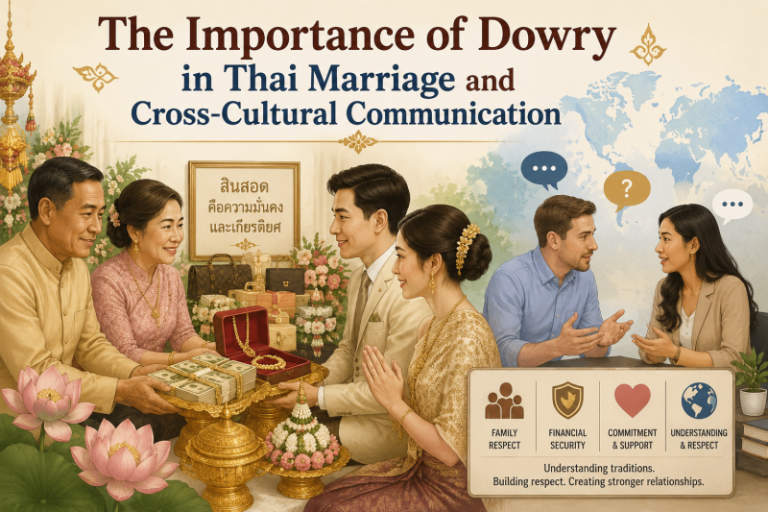
20 May 2026, Bangkok – This article examines the significance of sin sod (Thai dowry) within Thai marriage culture as a social and cultural mechanism reflecting values associated with social status, economic stability, and kinship relations in Thai society. The study explores the transformation of the dowry system from a traditional custom into a contemporary practice shaped by globalization and intercultural marriage. Furthermore, the article discusses the roles of Certified Translators, Translation Certification Providers, and Certified Interpreters affiliated with the Southeast Asian Association of Translators and Interpreters as linguistic and cultural mediators who facilitate communication between intercultural couples, families, and state institutions. Their responsibilities include the translation and certification of legal documents as well as the interpretation of cultural concepts related to Thai dowry practices. The study argues that language professionals function not merely as transmitters of language but also as social agents who reduce intercultural misunderstanding, promote cross-cultural understanding, and support transnational marriage processes in contemporary Southeast Asia.
Keywords: Thai dowry, sin sod, Thai marriage, intercultural marriage, certified translators, certified interpreters, cultural mediation
Introduction
Marriage in Thai society is not merely a union between two individuals; it is also a social and cultural institution that connects families, kinship networks, and social status. One of the most significant components of Thai marriage traditions is sin sod, commonly referred to as Thai dowry, which consists of money or assets presented by the groom to the bride’s family as a symbol of financial readiness and respect toward the bride’s parents (Mulder, 2000). Although rooted in traditional social structures, the practice of dowry remains prevalent in contemporary Thai society and continues to adapt to changing economic and cultural conditions.
In the context of intercultural marriage, particularly marriages between Thai nationals and foreigners, dowry often becomes a site of cultural negotiation. The concept of presenting money or assets to the bride’s family may be interpreted differently across cultures (Cohen, 1996). For many foreigners unfamiliar with Thai customs, dowry may appear to resemble a transactional exchange or the “purchase” of a bride. In contrast, within Thai cultural understanding, sin sod symbolizes responsibility, gratitude, and familial honor.
Under such circumstances, language professionals such as certified translators and certified interpreters play a crucial role in facilitating intercultural understanding. Their work includes translating legal and official documents, certifying marriage-related documentation, and interpreting the cultural meanings embedded in Thai marriage traditions. This article therefore investigates the significance of dowry in Thai society alongside the role of language professionals in cross-cultural marriage contexts.
The Concept of Dowry in Thai Society
Dowry has long functioned as a cultural institution reflecting Thai social values and family structures. Traditionally, the amount of dowry depended on factors such as economic status, education, occupation, and social reputation of both the bride and groom (Van Esterik, 2000). Such considerations demonstrate how marriage historically operated as a mechanism for maintaining social status and ensuring familial stability.
In contemporary Thai society, however, the meaning of dowry has become increasingly flexible. Many families now treat dowry as a symbolic gesture rather than a strict financial transfer. In numerous cases, the bride’s family returns all or part of the dowry to the newlyweds after the wedding ceremony or uses it to support wedding expenses. This reflects the reality that modern Thai weddings are often elaborate social events associated with substantial financial costs (Jory, 2021).
Dowry and Intercultural Marriage
The growth of transnational marriage in Thailand has added complexity to dowry negotiations, particularly when the groom is a foreigner. Some Thai families may expect higher dowries from foreign grooms due to assumptions regarding their economic capability and perceived financial security (Kitiarsa, 2010).
Nevertheless, cultural and linguistic differences frequently generate misunderstandings. In many Western societies, giving money to the bride’s family may be interpreted as a form of commodification of women or as evidence of gender inequality. In contrast, Thai society generally views dowry as a symbolic act demonstrating respect, gratitude, and commitment to family responsibility. Consequently, explaining the cultural significance of sin sod becomes essential in fostering intercultural understanding between couples and their families.
The Role of Certified Translators and Certified Interpreters
Within the context of transnational marriage, Certified Translators, Translation Certification Providers, and Certified Interpreters affiliated with the Southeast Asian Association of Translators and Interpreters perform important legal and cultural functions.
First, certified translators are responsible for translating and certifying documents related to marriage procedures, including certificates of marital status, birth certificates, passports, financial records, and prenuptial agreements. Such documents must meet legal standards and be accepted by governmental authorities in both Thailand and foreign jurisdictions. Accuracy in translation is therefore essential, as even minor errors may affect the legal status of the couple.
Second, certified interpreters act as cultural mediators by explaining Thai customs and social expectations to foreign spouses and their families. Interpreting the concept of dowry requires cultural sensitivity because sin sod is closely associated with family honor, gratitude, and social values rather than purely economic exchange.
Moreover, language professionals contribute to reducing conflicts and misunderstandings between intercultural families through accurate and impartial communication. Translation scholars increasingly regard translators and interpreters as “social agents” who actively shape meaning and power relations in intercultural communication (Buzelin, 2011).
Conclusion
Dowry remains a significant component of Thai marriage culture, reflecting values associated with family, social status, and responsibility. Although the meaning and practice of dowry have evolved in contemporary society, the tradition continues to play an important role, particularly within intercultural marriages involving differing cultural values and linguistic backgrounds.
In this context, certified translators, translation certification providers, and certified interpreters serve as essential intermediaries connecting language, law, and culture. Their responsibilities extend beyond linguistic transfer to include cultural mediation and the facilitation of mutual understanding. Consequently, language professionals play a crucial role in supporting successful intercultural marriages and ensuring effective communication within transnational family relationships.
References
- Buzelin, H. (2011). Agents of translation. In Y. Gambier & L. van Doorslaer (Eds.), Handbook of translation studies (Vol. 2, pp. 6–12). John Benjamins.
- Cohen, E. (1996). Thai tourism: Hill tribes, islands and open-ended prostitution. White Lotus.
- Jory, P. (2021). Thailand’s theory of monarchy: The Vessantara Jataka and the idea of the perfect man. SUNY Press.
- Kitiarsa, P. (2010). Religious commodifications in Asia: Marketing gods. Routledge.
- Mulder, N. (2000). Inside Thai society: Religion, everyday life, change. Silkworm Books.
- Van Esterik, P. (2000). Materializing Thailand. Berg.
For professional services, please visit: https://www.seaproti.org/practitioners/
About certified translators, translation certifiers, and certified interpreters associated with SEAProTI. The Southeast Asian Association of Professional Translators and Interpreters (SEAProTI) has officially shared the qualifications and requirements for becoming Certified Translators, Translation Certification Providers, and Certified Interpreters in Sections 9 and 10 of the Royal Gazette, which was published by the Prime Minister’s Office in Thailand on July 25, 2024. Certified Translators, Translation Certification Providers, and Certified Interpreters
The Council of State has proposed the enactment of a Royal Decree, granting registered translators and recognised translation certifiers from professional associations or accredited language institutions the authority to provide legally valid translation certification (Letter to SEAProTI dated April 28, 2025)
SEAProTI is the first professional association in Thailand and Southeast Asia to implement a comprehensive certification system for translators, certifiers, and interpreters.
Head Office: Baan Ratchakru Building, No. 33, Room 402, Soi Phahonyothin 5, Phahonyothin Road, Phaya Thai District, Bangkok 10400, Thailand
Email: hello@seaproti.com | Tel.: (+66) 2-114-3128 (Office hours: Mon–Fri, 09:00–17:00)
สินสอดในวัฒนธรรมการสมรสไทย: มิติทางสังคม วัฒนธรรม และบทบาทของนักแปลรับรองกับล่ามรับรองในบริบท
การสมรสข้ามวัฒนธรรม
ผู้เขียน: ไกรฤกษ์ กรวยทอง
20 พฤษภาคม 2569, กรุงเทพมหานคร – บทความนี้มุ่งศึกษาบทบาทและความสำคัญของ “สินสอด” (sin sod) ในวัฒนธรรมการสมรสไทยในฐานะกลไกทางสังคมและวัฒนธรรมที่สะท้อนค่านิยมเรื่องสถานะทางสังคม ความมั่นคงทางเศรษฐกิจ และความสัมพันธ์เชิงเครือญาติในสังคมไทย โดยวิเคราะห์พัฒนาการของระบบสินสอดจากธรรมเนียมดั้งเดิมสู่บริบทสังคมร่วมสมัยที่ได้รับอิทธิพลจากโลกาภิวัตน์และการสมรสข้ามวัฒนธรรม นอกจากนี้ บทความยังอภิปรายบทบาทของนักแปลรับรอง (Certified Translators) ผู้รับรองการแปล (Translation Certification Providers) และล่ามรับรอง (Certified Interpreters) ของ สมาคมวิชาชีพนักแปลและล่ามแห่งเอเชียตะวันออกเฉียงใต้ ในฐานะตัวกลางทางภาษาและวัฒนธรรมที่ช่วยอำนวยความเข้าใจระหว่างคู่สมรสต่างชาติ ครอบครัว และหน่วยงานรัฐ ทั้งในด้านการแปลเอกสารทางกฎหมาย การรับรองเอกสาร และการตีความเชิงวัฒนธรรมเกี่ยวกับธรรมเนียมสินสอด ผลการศึกษาชี้ให้เห็นว่า ผู้ปฏิบัติงานด้านภาษาไม่ได้ทำหน้าที่เพียงถ่ายทอดภาษาเท่านั้น แต่ยังมีบทบาทสำคัญในการลดความคลาดเคลื่อนทางวัฒนธรรม ส่งเสริมความเข้าใจระหว่างวัฒนธรรม และสนับสนุนกระบวนการสมรสข้ามชาติในบริบทเอเชียตะวันออกเฉียงใต้ร่วมสมัย
คำสำคัญ: สินสอด, การสมรสไทย, การสมรสข้ามวัฒนธรรม, นักแปลรับรอง, ล่ามรับรอง, การแปลเชิงวัฒนธรรม
บทนำ
การสมรสในสังคมไทยมิได้เป็นเพียงความสัมพันธ์ระหว่างบุคคลสองคน หากแต่เป็นกระบวนการทางสังคมและวัฒนธรรมที่เชื่อมโยงครอบครัว เครือญาติ และสถานะทางสังคมเข้าด้วยกัน หนึ่งในองค์ประกอบสำคัญของพิธีสมรสไทยคือ “สินสอด” (sin sod) ซึ่งหมายถึงทรัพย์สินหรือเงินที่ฝ่ายชายมอบให้ครอบครัวฝ่ายหญิงเพื่อแสดงถึงความพร้อมในการดูแลคู่สมรสและการให้เกียรติแก่บิดามารดาของเจ้าสาว (มัลเดอร์, 2543) แม้ว่าประเพณีดังกล่าวจะมีรากฐานมาจากโครงสร้างสังคมดั้งเดิม แต่ระบบสินสอดยังคงดำรงอยู่ในสังคมไทยร่วมสมัยและได้รับการปรับเปลี่ยนให้สอดคล้องกับบริบททางเศรษฐกิจและวัฒนธรรมที่เปลี่ยนแปลงไป
ในบริบทของการสมรสข้ามวัฒนธรรม โดยเฉพาะการสมรสระหว่างชาวไทยกับชาวต่างชาติ ประเด็นเรื่องสินสอดมักกลายเป็นพื้นที่ของการเจรจาต่อรองทางวัฒนธรรม เนื่องจากแนวคิดเกี่ยวกับการมอบทรัพย์สินแก่ครอบครัวเจ้าสาวอาจถูกตีความแตกต่างกันไปในแต่ละสังคม (Cohen, 1996) สำหรับชาวต่างชาติที่ไม่คุ้นเคยกับวัฒนธรรมไทย สินสอดอาจถูกมองว่าเป็นการซื้อขายหรือการแลกเปลี่ยนทางเศรษฐกิจ ขณะที่ในบริบทไทย สินสอดกลับมีความหมายเชิงสัญลักษณ์เกี่ยวกับความรับผิดชอบ ความกตัญญู และเกียรติยศของครอบครัว
ภายใต้สถานการณ์ดังกล่าว ผู้ปฏิบัติงานด้านภาษา เช่น นักแปลรับรองและล่ามรับรอง จึงมีบทบาทสำคัญในการสร้างความเข้าใจระหว่างวัฒนธรรม โดยเฉพาะในการแปลเอกสารทางกฎหมาย การรับรองเอกสารการสมรส และการตีความความหมายเชิงวัฒนธรรมของประเพณีไทยให้แก่คู่สมรสต่างชาติ บทความนี้จึงมุ่งศึกษาความสำคัญของสินสอดในสังคมไทยควบคู่กับบทบาทของผู้ปฏิบัติงานด้านภาษาในบริบทการสมรสข้ามชาติ
แนวคิดเรื่องสินสอดในสังคมไทย
สินสอดถือเป็นธรรมเนียมปฏิบัติที่สะท้อนค่านิยมเกี่ยวกับครอบครัวและโครงสร้างทางสังคมของไทยมาอย่างยาวนาน ในอดีต การกำหนดจำนวนสินสอดสัมพันธ์กับสถานะทางเศรษฐกิจ การศึกษา อาชีพ และชื่อเสียงของทั้งฝ่ายชายและฝ่ายหญิง (ฟาน เอสเตอริก, 2543) แนวคิดดังกล่าวสะท้อนให้เห็นถึงบทบาทของการแต่งงานในฐานะกลไกในการรักษาสถานะทางสังคมและสร้างความมั่นคงให้กับครอบครัว
อย่างไรก็ตาม สังคมไทยร่วมสมัยได้ปรับเปลี่ยนความหมายของสินสอดให้มีลักษณะยืดหยุ่นมากขึ้น หลายครอบครัวมองสินสอดในเชิงสัญลักษณ์มากกว่าการเป็นทรัพย์สินที่ต้องส่งมอบจริง บ่อยครั้งที่ครอบครัวฝ่ายหญิงคืนสินสอดทั้งหมดหรือบางส่วนให้แก่คู่สมรสหลังพิธีแต่งงาน หรือใช้เงินดังกล่าวเป็นค่าใช้จ่ายในการจัดงานแต่งงาน ทั้งนี้เพราะพิธีสมรสไทยร่วมสมัยมักมีค่าใช้จ่ายสูงและถูกคาดหวังให้มีความยิ่งใหญ่ในเชิงสังคม (จอรี, 2564)
สินสอดกับการสมรสข้ามวัฒนธรรม
การขยายตัวของการสมรสข้ามชาติในประเทศไทยทำให้ประเด็นเรื่องสินสอดมีความซับซ้อนมากขึ้น โดยเฉพาะเมื่อฝ่ายชายเป็นชาวต่างชาติ ครอบครัวไทยจำนวนหนึ่งอาจมีความคาดหวังเกี่ยวกับสินสอดในระดับสูง เนื่องจากมองว่าชาวต่างชาติมีฐานะทางเศรษฐกิจมั่นคงและสามารถเป็นผู้ดูแลครอบครัวได้ (กิติอาษา, 2553)
อย่างไรก็ตาม ความแตกต่างด้านวัฒนธรรมและภาษาอาจนำไปสู่ความเข้าใจคลาดเคลื่อน ตัวอย่างเช่น ในหลายประเทศตะวันตก การมอบเงินให้ครอบครัวเจ้าสาวอาจถูกตีความว่าเป็นการ “ซื้อเจ้าสาว” ซึ่งมีนัยด้านสิทธิสตรีและความไม่เท่าเทียมทางเพศ ขณะที่ในบริบทไทย สินสอดถูกมองว่าเป็นการให้เกียรติและแสดงความรับผิดชอบต่อครอบครัวของเจ้าสาว ดังนั้น การอธิบายความหมายเชิงวัฒนธรรมของสินสอดจึงมีความสำคัญอย่างยิ่งต่อการสร้างความเข้าใจระหว่างคู่สมรสต่างวัฒนธรรม
บทบาทของนักแปลรับรองและล่ามรับรอง
ในบริบทของการสมรสข้ามชาติ นักแปลรับรอง ผู้รับรองการแปล และล่ามรับรองของ สมาคมวิชาชีพนักแปลและล่ามแห่งเอเชียตะวันออกเฉียงใต้ มีบทบาทสำคัญทั้งในมิติทางกฎหมายและวัฒนธรรม
ประการแรก นักแปลรับรองมีหน้าที่แปลและรับรองเอกสารที่เกี่ยวข้องกับการสมรส เช่น หนังสือรับรองสถานภาพการสมรส สูติบัตร หนังสือเดินทาง เอกสารทางการเงิน และสัญญาก่อนสมรส เพื่อให้เอกสารดังกล่าวได้รับการยอมรับจากหน่วยงานราชการทั้งในประเทศไทยและต่างประเทศ ความถูกต้องของการแปลมีความสำคัญอย่างยิ่ง เนื่องจากข้อผิดพลาดเพียงเล็กน้อยอาจส่งผลต่อสถานะทางกฎหมายของคู่สมรส
ประการที่สอง ล่ามรับรองทำหน้าที่เป็นตัวกลางทางวัฒนธรรม (cultural mediators) โดยช่วยอธิบายบริบทและความหมายของธรรมเนียมไทยให้คู่สมรสต่างชาติเข้าใจอย่างถูกต้อง การตีความเกี่ยวกับสินสอดจำเป็นต้องคำนึงถึงความละเอียดอ่อนทางวัฒนธรรม เพราะแนวคิดดังกล่าวเกี่ยวข้องกับเกียรติยศ ครอบครัว และคุณค่าทางสังคมมากกว่ามิติทางเศรษฐกิจเพียงอย่างเดียว
นอกจากนี้ ผู้ปฏิบัติงานด้านภาษายังมีบทบาทในการลดความขัดแย้งและความเข้าใจผิดระหว่างครอบครัวต่างวัฒนธรรม ผ่านการสื่อสารที่ถูกต้องและเป็นกลาง นักวิชาการด้านการแปลมองว่า นักแปลและล่ามเป็นตัวแสดงทางสังคม (social agents) ที่มีอิทธิพลต่อการสร้างความหมายและอำนาจในกระบวนการสื่อสารข้ามวัฒนธรรม (บูเซอแลง, 2554)
บทสรุป
สินสอดเป็นองค์ประกอบสำคัญของวัฒนธรรมการสมรสไทยที่สะท้อนค่านิยมเกี่ยวกับครอบครัว สถานะทางสังคม และความรับผิดชอบ แม้บริบทสังคมร่วมสมัยจะทำให้ความหมายของสินสอดเปลี่ยนแปลงไปในบางด้าน แต่ธรรมเนียมดังกล่าวยังคงมีบทบาทสำคัญ โดยเฉพาะในการสมรสข้ามวัฒนธรรมที่เกี่ยวข้องกับความแตกต่างด้านภาษาและค่านิยม
ในบริบทดังกล่าว นักแปลรับรอง ผู้รับรองการแปล และล่ามรับรองมีบทบาทสำคัญในการเชื่อมโยงความเข้าใจระหว่างภาษา กฎหมาย และวัฒนธรรม ทั้งในฐานะผู้ถ่ายทอดภาษาและผู้ไกล่เกลี่ยทางวัฒนธรรม บทบาทของผู้ปฏิบัติงานด้านภาษาจึงเป็นส่วนสำคัญในการสนับสนุนความเข้าใจระหว่างคู่สมรสต่างชาติ และช่วยให้กระบวนการสมรสข้ามชาติเป็นไปอย่างราบรื่นและสอดคล้องกับบริบททางสังคมและกฎหมายของแต่ละประเทศ
บรรณานุกรม
- บูเซอแลง, เอช. (2554). Agents of translation. ใน วาย. กอมบิเยร์ และ แอล. ฟาน ดอร์สเลียร์ (บ.ก.), Handbook of translation studies (เล่ม 2, น. 6–12). John Benjamins.
- โคเฮน, อี. (2539). Thai tourism: Hill tribes, islands and open-ended prostitution. White Lotus.
- จอรี, พี. (2564). Thailand’s theory of monarchy: The Vessantara Jataka and the idea of the perfect man. SUNY Press.
- กิติอาษา, พี. (2553). Religious commodifications in Asia: Marketing gods. Routledge.
- มัลเดอร์, เอ็น. (2543). Inside Thai society: Religion, everyday life, change. Silkworm Books.
- ฟาน เอสเตอริก, พี. (2543). Materializing Thailand. Berg.
สมาคมวิชาชีพนักแปลและล่ามแห่งเอเชียตะวันออกเฉียงใต้ (SEAProTI) ได้ประกาศหลักเกณฑ์และคุณสมบัติของผู้ที่ขึ้นทะเบียนเป็น “นักแปลรับรอง (Certified Translators) และผู้รับรองการแปล (Translation Certification Providers) และล่ามรับรอง (Certified Interpreters)” ของสมาคม หมวดที่ 9 และหมวดที่ 10 ในราชกิจจานุเบกษา ของสำนักเลขาธิการคณะรัฐมนตรี ในสำนักนายกรัฐมนตรี แห่งราชอาณาจักรไทย ลงวันที่ 25 ก.ค. 2567 เล่มที่ 141 ตอนที่ 66 ง หน้า 100 อ่านฉบับเต็มได้ที่: นักแปลรับรอง ผู้รับรองการแปล และล่ามรับรอง
สำนักคณะกรรมการกฤษฎีกาเสนอให้ตราเป็นพระราชกฤษฎีกา โดยกำหนดให้นักแปลที่ขึ้นทะเบียน รวมถึงผู้รับรองการแปลจากสมาคมวิชาชีพหรือสถาบันสอนภาษาที่มีการอบรมและขึ้นทะเบียน สามารถรับรองคำแปลได้ (จดหมายถึงสมาคม SEAProTI ลงวันที่ 28 เม.ย. 2568)
สมาคมวิชาชีพนักแปลและล่ามแห่งเอเชียตะวันออกเฉียงใต้เป็นสมาคมวิชาชีพแห่งแรกและแห่งเดียวในประเทศไทยและภูมิภาคเอเชียตะวันออกเฉียงใต้ที่มีระบบรับรองนักแปลรับรอง ผู้รับรองการแปล และล่ามรับรอง
สำนักงานใหญ่: อาคารบ้านราชครู เลขที่ 33 ห้อง 402 ซอยพหลโยธิน 5 ถนนพหลโยธิน แขวงพญาไท เขตพญาไท กรุงเทพมหานคร 10400 ประเทศไทย