


The Development of Translation Competence in Theory, Research, and Practice: A Critical Review of Carla Quinci’s Book
Author: Phakaporn Tanjararak
15 May 2026, Bangkok – Carla Quinci’s book Translation Competence: Theory, Research and Practice, published in 2023, is regarded as an important contribution to the field of Translation Studies, focusing on the development of translation competence through both theoretical perspectives and empirical research. The book presents a longitudinal multi-method study comparing three groups of translators: novices, intermediate translators, and professional translators, in order to examine the relationship between translation experience, translation quality, and translators’ cognitive processes. The findings demonstrate that translation competence is closely related to linguistic complexity, translation accuracy, and self-assessment ability. In addition, the author proposes practical approaches for translation pedagogy, making the book highly valuable for both academic research and the development of professional translator training programs.
Introduction
“Translation competence” has been one of the central concepts in Translation Studies for several decades. Numerous scholars have attempted to explain what kinds of knowledge, skills, and cognitive processes translators must possess in order to produce high-quality translations. The concept is not limited merely to linguistic ability, but also encompasses cultural competence, problem-solving skills, self-assessment, and strategic decision-making during the translation process.
Research on translation competence has continuously evolved through the works of influential scholars such as Wolfgang Lörscher (1987), Anthony Pym (2003), Susanne Göpferich (2009), Donald C. Kiraly (2013; 2015), and the PACTE research group (2003; 2020). These scholars proposed various theoretical frameworks and models explaining how translators develop competence over time. Nevertheless, despite the abundance of previous studies, questions regarding how translation competence can be effectively developed in practice remain significant issues in Translation Studies.
Within this context, Carla Quinci’s book (2023) is particularly important because it integrates literature review with longitudinal empirical research in order to explain the development of translation competence among translators with varying levels of experience, ranging from beginner students to professional translators.
Theoretical Perspectives on Translation Competence
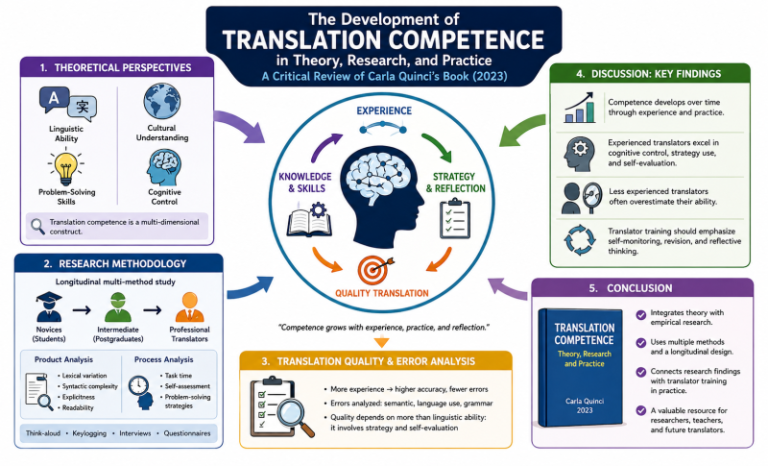
In the first part of the book, Quinci discusses the concept of translation competence in detail, emphasizing that translation competence is a complex construct encompassing multiple components, including linguistic ability, cultural understanding, problem-solving skills, and cognitive control during translation.
The author also refers to the “empirical turn” in Translation Studies, which Mary Snell-Hornby described as a significant shift in the discipline (2006, p. 115), as researchers increasingly began to investigate translators’ behavior through empirical data rather than focusing solely on translated texts. Research methods employed in this approach include think-aloud protocols, keylogging, interviews, and eye-tracking (Quinci, 2023, pp. 15–16).
Furthermore, Quinci discusses influential frameworks of translation competence, such as the PACTE model (2003; 2020) and Kiraly’s conceptualization (2015), both of which emphasize that translation competence develops gradually through experience and authentic practice.
Research Methodology and Study Design
One of the major strengths of the book is its longitudinal empirical research design. The author investigates three groups of participants: undergraduate students, postgraduate students, and professional translators, comparing both “translation products” and “translation processes.”
From a product-oriented perspective, the author examines textual characteristics such as lexical variation, syntactic complexity, explicitness, and readability. From a process-oriented perspective, the study analyzes task completion time, self-assessment, and problem-solving strategies during translation (Quinci, 2023, p. 59).
Although the research design is comprehensive and systematic, there are some limitations regarding the presentation of statistical data. For example, although the author states that no significant differences were found in type-token ratios among translator groups (Quinci, 2023, p. 76), numerical evidence supporting this conclusion is not clearly presented.
Translation Quality and Error Analysis
One of the book’s central contributions lies in its analysis of translation quality. The author reviews theories and approaches to translation quality assessment from both Translation Studies scholarship and international standards before presenting findings indicating that more experienced translators generally produce more accurate translations with fewer errors.
The analysis of translation errors is detailed and multidimensional, covering semantic errors, language use, and grammatical structures (Quinci, 2023, p. 137). The findings also demonstrate that translation competence is not determined solely by linguistic ability, but is also associated with strategic decision-making and the translator’s ability to evaluate the quality of their own work.
However, the book could have been strengthened further if the author had discussed Eugene Nida’s (1964) concepts of “formal equivalence” and “dynamic equivalence,” as well as Juliane House’s (2015) discussion of “mode,” “field,” and “tenor” in translation quality assessment.
Discussion
Quinci’s findings suggest that translation competence is a developmental process shaped continuously through experience and practice. More experienced translators possess not only stronger linguistic skills, but also superior abilities in controlling cognitive processes, employing translation strategies, and evaluating their own work.
Another interesting finding is that less experienced translators often overestimate their own competence (Quinci, 2023, p. 183), highlighting the importance of developing self-assessment skills in translation classrooms. Consequently, the author argues that translator training should emphasize self-monitoring, revision practices, and reflective thinking about one’s translation process.
Moreover, the book demonstrates the importance of employing multi-method approaches in translation research. Analyzing translated texts alone may not sufficiently explain the cognitive processes occurring during translation. The integration of questionnaires, time-tracking, and textual analysis therefore provides a deeper understanding of translation competence.
Conclusion
Carla Quinci’s Translation Competence: Theory, Research and Practice is an important scholarly contribution that successfully integrates translation theory with empirical research. The book’s major strengths include its longitudinal research design, its use of multiple research methods, and its connection between research findings and translator training practices.
Although the book contains some limitations regarding the presentation of quantitative data, it nevertheless represents a highly valuable contribution to Translation Studies. It serves both as an academic reference and as a practical guide for translation instructors, researchers, and future translators seeking a deeper understanding of the development of translation competence.
References
- Göpferich, S. (2009). Towards a model of translation competence and its acquisition: The longitudinal study TransComp. In S. Göpferich, A. L. Jakobsen, & I. M. Mees (Eds.), Behind the Mind: Methods, Models and Results in Translation Process Research (pp. 11–37). Samfundslitteratur.
- House, J. (2015). Translation Quality Assessment: Past and Present. Routledge.
- Kiraly, D. C. (2013). Towards a view of translator competence as an emerging phenomenon: Thinking outside the boxes in translator education. In D. C. Kiraly, S. Hansen-Schirra, & K. Maksymski (Eds.), New Prospects and Perspectives for Educating Language Mediators (pp. 197–224). Narr Verlag.
- Kiraly, D. C. (2015). Occasioning translator competence: Moving beyond social constructivism toward a postmodern alternative to instructionism. Translation and Interpreting Studies, 10(1), 8–32.
- Lörscher, W. (1987). Zur Genese und Entwicklung von Übersetzungskompetenz. TEXTconTEXT, 2(4), 193–215.
- Nida, E. A. (1964). Toward a Science of Translating: With Special Reference to Principles and Procedures Involved in Bible Translating. Brill.
- PACTE. (2003). Building a translation competence model. In F. Alves (Ed.), Triangulating Translation: Perspectives in Process-Oriented Research (pp. 43–66). John Benjamins.
- PACTE. (2020). Translation competence acquisition: Design and results of the PACTE group’s experimental research. The Interpreter and Translator Trainer, 14(2), 95–233.
- Pym, A. (2003). Redefining translation competence in an electronic age: In defence of a minimalist approach. Meta, 48(4), 481–497.
- Quinci, C. (2023). Translation Competence: Theory, Research and Practice. Routledge.
- Snell-Hornby, M. (2006). The Turns of Translation Studies: New Paradigms or Shifting Viewpoints? John Benjamins.
- Whyatt, B. (2012). Translation as a Human Skill: From Predisposition to Expertise. Wydawnictwo Naukowe UAM.
For professional services, please visit: https://www.seaproti.org/practitioners/
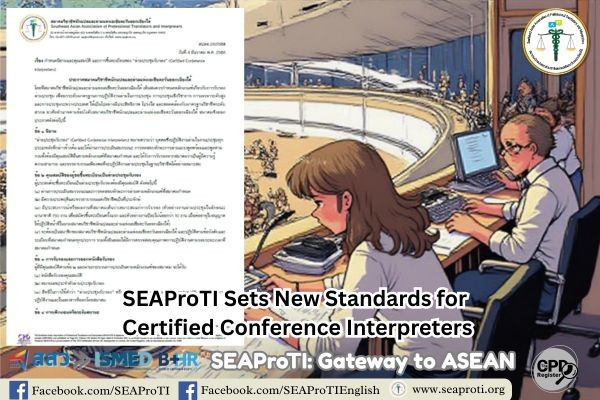
About certified translators, translation certifiers, and certified interpreters associated with SEAProTI. The Southeast Asian Association of Professional Translators and Interpreters (SEAProTI) has officially shared the qualifications and requirements for becoming Certified Translators, Translation Certification Providers, and Certified Interpreters in Sections 9 and 10 of the Royal Gazette, which was published by the Prime Minister’s Office in Thailand on July 25, 2024. Certified Translators, Translation Certification Providers, and Certified Interpreters
The Council of State has proposed the enactment of a Royal Decree, granting registered translators and recognised translation certifiers from professional associations or accredited language institutions the authority to provide legally valid translation certification (Letter to SEAProTI dated April 28, 2025)
SEAProTI is the first professional association in Thailand and Southeast Asia to implement a comprehensive certification system for translators, certifiers, and interpreters.
Head Office: Baan Ratchakru Building, No. 33, Room 402, Soi Phahonyothin 5, Phahonyothin Road, Phaya Thai District, Bangkok 10400, Thailand
Email: hello@seaproti.com | Tel.: (+66) 2-114-3128 (Office hours: Mon–Fri, 09:00–17:00).
การพัฒนาสมรรถนะการแปลในมิติทฤษฎี การวิจัย และการฝึกปฏิบัติ: บทวิเคราะห์หนังสือของคาร์ลา ควินชี
ผู้เขียน: ภคพร ตันจรารักษ์
15 พฤษภาคม 2569, กรุงเทพมหานคร – หนังสือ สมรรถนะการแปล: ทฤษฎี การวิจัย และการปฏิบัติ ของ คาร์ลา ควินชี ตีพิมพ์เมื่อ พ.ศ. 2566 ถือเป็นผลงานสำคัญในวงการแปลศึกษาที่มุ่งศึกษาพัฒนาการของสมรรถนะการแปลผ่านทั้งมิติทางทฤษฎีและการวิจัยเชิงประจักษ์ หนังสือเล่มนี้นำเสนอการศึกษาระยะยาวแบบพหุวิธีที่เปรียบเทียบนักแปลสามระดับ ได้แก่ ผู้เริ่มต้น นักแปลระดับกลาง และนักแปลวิชาชีพ เพื่อสำรวจความสัมพันธ์ระหว่างประสบการณ์การแปล คุณภาพงานแปล และกระบวนการคิดของผู้แปล ผลการศึกษาชี้ให้เห็นว่าสมรรถนะการแปลมีความเชื่อมโยงกับความซับซ้อนทางภาษา ความแม่นยำของงานแปล และความสามารถในการประเมินตนเอง นอกจากนี้ ผู้เขียนยังเสนอแนวทางเชิงปฏิบัติสำหรับการจัดการเรียนการสอนด้านการแปล ทำให้หนังสือเล่มนี้มีคุณูปการทั้งต่อการวิจัยและการพัฒนาหลักสูตรการแปลในระดับวิชาชีพ
บทนำ
“สมรรถนะการแปล” เป็นหนึ่งในแนวคิดหลักของศาสตร์การแปลศึกษาที่ได้รับความสนใจอย่างต่อเนื่องตลอดหลายทศวรรษที่ผ่านมา นักวิชาการจำนวนมากพยายามอธิบายว่านักแปลจำเป็นต้องมีความรู้ ทักษะ และกระบวนการคิดในลักษณะใดจึงจะสามารถผลิตงานแปลที่มีคุณภาพได้ แนวคิดดังกล่าวไม่ได้จำกัดอยู่เพียงความสามารถทางภาษาเท่านั้น แต่ยังรวมถึงทักษะด้านวัฒนธรรม การแก้ปัญหา การประเมินตนเอง และการตัดสินใจเชิงกลยุทธ์ระหว่างกระบวนการแปลอีกด้วย
งานวิจัยเกี่ยวกับสมรรถนะการแปลได้รับการพัฒนาอย่างต่อเนื่องผ่านผลงานของนักวิชาการสำคัญ เช่น โวล์ฟกัง เลอร์เชอร์ (พ.ศ. 2530) แอนโทนี พิม (พ.ศ. 2546) ซูซานเนอ เกิปเฟอริช (พ.ศ. 2552) โดนัลด์ ซี. คีราลี (พ.ศ. 2556; พ.ศ. 2558) และกลุ่มวิจัย PACTE (พ.ศ. 2546; พ.ศ. 2563) ซึ่งต่างเสนอกรอบแนวคิดและแบบจำลองที่อธิบายกระบวนการพัฒนาความสามารถของนักแปล อย่างไรก็ตาม แม้จะมีงานศึกษาจำนวนมาก แต่คำถามเกี่ยวกับวิธีการพัฒนาสมรรถนะการแปลอย่างเป็นรูปธรรมยังคงเป็นประเด็นสำคัญในวงการแปลศึกษา
ภายใต้บริบทดังกล่าว หนังสือของ คาร์ลา ควินชี (พ.ศ. 2566) จึงมีความสำคัญอย่างยิ่ง เนื่องจากผู้เขียนผสมผสานการทบทวนวรรณกรรมเข้ากับการวิจัยเชิงประจักษ์ระยะยาว เพื่ออธิบายพัฒนาการของสมรรถนะการแปลในกลุ่มผู้แปลที่มีประสบการณ์แตกต่างกัน ตั้งแต่นักศึกษาเริ่มต้นจนถึงนักแปลวิชาชีพ
แนวคิดทฤษฎีเกี่ยวกับสมรรถนะการแปล
ในช่วงแรกของหนังสือ ควินชีอภิปรายแนวคิดเกี่ยวกับสมรรถนะการแปลอย่างละเอียด โดยชี้ให้เห็นว่าสมรรถนะการแปลเป็นแนวคิดที่มีความซับซ้อนและครอบคลุมองค์ประกอบหลายด้าน ไม่ว่าจะเป็นความสามารถทางภาษา ความเข้าใจด้านวัฒนธรรม ทักษะการแก้ปัญหา และการควบคุมกระบวนการคิดระหว่างการแปล
ผู้เขียนยังกล่าวถึง “กระแสเชิงประจักษ์” ในการแปลศึกษา ซึ่ง แมรี สนอลล์-ฮอร์นบี อธิบายว่าเป็นจุดเปลี่ยนสำคัญของศาสตร์การแปลศึกษา (พ.ศ. 2549, น. 115) เนื่องจากนักวิจัยเริ่มหันมาศึกษาพฤติกรรมการแปลผ่านข้อมูลจริงมากขึ้น แทนที่จะเน้นเฉพาะการวิเคราะห์ตัวบทแปลเพียงอย่างเดียว วิธีวิจัยที่ถูกนำมาใช้ ได้แก่ การคิดออกเสียง การติดตามการพิมพ์ การสัมภาษณ์ และการติดตามการเคลื่อนไหวของดวงตา (ควินชี, พ.ศ. 2566, น. 15–16)
นอกจากนี้ ควินชียังอภิปรายกรอบแนวคิดด้านสมรรถนะการแปลที่ได้รับอิทธิพลสูงในวงการ เช่น แบบจำลองของ PACTE (พ.ศ. 2546; พ.ศ. 2563) และแนวคิดของ คีราลี (พ.ศ. 2558) ซึ่งเน้นว่าสมรรถนะการแปลเป็นกระบวนการที่ค่อย ๆ พัฒนาผ่านประสบการณ์และการปฏิบัติจริง
ระเบียบวิธีวิจัยและการออกแบบการศึกษา
จุดเด่นสำคัญของหนังสือเล่มนี้คือการวิจัยเชิงประจักษ์แบบระยะยาว ผู้เขียนศึกษากลุ่มตัวอย่างสามระดับ ได้แก่ นักศึกษาปริญญาตรี นักศึกษาปริญญาโท และนักแปลวิชาชีพ เพื่อเปรียบเทียบทั้ง “ผลผลิตการแปล” และ “กระบวนการแปล”
ในมิติของผลผลิต ผู้เขียนศึกษาคุณลักษณะของตัวบทแปล เช่น ความหลากหลายทางศัพท์ ความซับซ้อนทางไวยากรณ์ ระดับความชัดแจ้ง และความสามารถในการอ่าน ส่วนในมิติของกระบวนการ ผู้เขียนวิเคราะห์ระยะเวลาในการทำงาน การประเมินตนเอง และวิธีการแก้ปัญหาระหว่างการแปล (ควินชี, พ.ศ. 2566, น. 59)
แม้ว่าการออกแบบงานวิจัยจะมีความครอบคลุมและเป็นระบบ แต่ยังมีข้อจำกัดบางประการเกี่ยวกับการนำเสนอข้อมูลเชิงสถิติ ตัวอย่างเช่น แม้ผู้เขียนจะกล่าวว่าไม่พบความแตกต่างสำคัญด้านอัตราส่วนประเภทคำต่อจำนวนคำระหว่างกลุ่มผู้แปล (ควินชี, พ.ศ. 2566, น. 76) แต่กลับไม่มีการนำเสนอข้อมูลเชิงตัวเลขเพื่อสนับสนุนข้อสรุปดังกล่าวอย่างชัดเจน
การวิเคราะห์คุณภาพการแปลและข้อผิดพลาด
หนึ่งในประเด็นสำคัญของหนังสือคือการวิเคราะห์คุณภาพการแปล ผู้เขียนทบทวนแนวคิดด้านการประเมินคุณภาพการแปลจากทั้งงานวิชาการและมาตรฐานสากล ก่อนนำเสนอผลการศึกษาที่ชี้ให้เห็นว่า นักแปลที่มีประสบการณ์สูงกว่ามักผลิตงานแปลที่มีความแม่นยำและมีข้อผิดพลาดน้อยกว่า
การวิเคราะห์ข้อผิดพลาดในหนังสือมีความละเอียดและครอบคลุมหลายมิติ ทั้งข้อผิดพลาดด้านความหมาย การใช้ภาษา และโครงสร้างไวยากรณ์ (ควินชี, พ.ศ. 2566, น. 137) ผลการศึกษายังสะท้อนให้เห็นว่า สมรรถนะการแปลไม่ได้ขึ้นอยู่กับความสามารถทางภาษาเพียงอย่างเดียว แต่ยังเกี่ยวข้องกับการตัดสินใจเชิงกลยุทธ์และการประเมินคุณภาพงานของตนเอง
อย่างไรก็ตาม หนังสืออาจมีความสมบูรณ์มากยิ่งขึ้นหากผู้เขียนอภิปรายแนวคิด “ความเท่าเทียมเชิงรูปแบบ” และ “ความเท่าเทียมเชิงพลวัต” ของ ยูจีน ไนดา (พ.ศ. 2507) รวมถึงแนวคิดของ จูเลียน เฮาส์ (พ.ศ. 2558) เกี่ยวกับ “รูปแบบ เนื้อหา และน้ำเสียง” ในการประเมินคุณภาพการแปลเพิ่มเติม
อภิปรายผล
ผลการศึกษาของควินชีสะท้อนให้เห็นว่าสมรรถนะการแปลเป็นกระบวนการที่พัฒนาอย่างต่อเนื่องผ่านประสบการณ์และการฝึกฝน นักแปลที่มีประสบการณ์สูงไม่เพียงมีทักษะทางภาษาเหนือกว่าเท่านั้น แต่ยังสามารถควบคุมกระบวนการคิด วางกลยุทธ์ และประเมินคุณภาพงานของตนเองได้ดีกว่า
ประเด็นที่น่าสนใจอีกประการหนึ่งคือ ผู้แปลที่มีประสบการณ์น้อยมักประเมินความสามารถของตนเองสูงเกินจริง (ควินชี, พ.ศ. 2566, น. 183) ซึ่งสะท้อนให้เห็นความสำคัญของการพัฒนาทักษะการประเมินตนเองในห้องเรียนแปล ผู้เขียนจึงเสนอว่าการฝึกนักแปลควรมุ่งส่งเสริมการกำกับตนเอง การตรวจแก้งานแปล และการสะท้อนคิดเกี่ยวกับกระบวนการทำงานของตนเอง
นอกจากนี้ หนังสือยังชี้ให้เห็นถึงความสำคัญของการใช้วิธีวิจัยแบบพหุวิธีในการศึกษาการแปล เพราะการวิเคราะห์เฉพาะตัวบทแปลอาจไม่เพียงพอต่อการอธิบายกระบวนการคิดที่เกิดขึ้นระหว่างการแปล การผสานข้อมูลจากแบบสอบถาม การติดตามเวลา และการวิเคราะห์ตัวบทจึงช่วยให้เข้าใจสมรรถนะการแปลได้ลึกซึ้งมากยิ่งขึ้น
สรุป
หนังสือ สมรรถนะการแปล: ทฤษฎี การวิจัย และการปฏิบัติ ของ คาร์ลา ควินชี ถือเป็นผลงานสำคัญที่เชื่อมโยงองค์ความรู้ด้านทฤษฎีการแปลเข้ากับงานวิจัยเชิงประจักษ์ได้อย่างมีประสิทธิภาพ จุดแข็งสำคัญของหนังสืออยู่ที่การออกแบบการศึกษาระยะยาว การใช้วิธีวิจัยหลายรูปแบบ และการเชื่อมโยงผลการวิจัยเข้ากับการฝึกอบรมนักแปลในชั้นเรียน
แม้ว่าหนังสือจะมีข้อจำกัดบางประการด้านการนำเสนอข้อมูลเชิงปริมาณ แต่โดยรวมแล้วถือเป็นผลงานที่มีคุณูปการอย่างยิ่งต่อวงการแปลศึกษา ทั้งในฐานะแหล่งอ้างอิงทางวิชาการและแนวทางสำหรับผู้สอนการแปล นักวิจัย และนักแปลรุ่นใหม่ที่ต้องการทำความเข้าใจพัฒนาการของสมรรถนะการแปลอย่างลึกซึ้ง
เอกสารอ้างอิง
- คีราลี, โดนัลด์ ซี. (พ.ศ. 2556). มุมมองใหม่ของสมรรถนะนักแปลในฐานะปรากฏการณ์ที่ก่อรูปขึ้นใหม่. ใน โดนัลด์ ซี. คีราลี, ซิลเวีย แฮนเซน-ชิรา และคาทารีนา มักซีมสกี (บ.ก.), แนวโน้มและมุมมองใหม่สำหรับการศึกษาผู้ไกล่เกลี่ยภาษา (น. 197–224). นาร์ร์ แฟร์ลัก.
- คีราลี, โดนัลด์ ซี. (พ.ศ. 2558). การก่อรูปสมรรถนะนักแปล: ก้าวข้ามแนวคิดสังคมสร้างสรรค์นิยมสู่แนวทางหลังสมัยใหม่. วารสารการแปลและล่ามศึกษา, 10(1), 8–32.
- ควินชี, คาร์ลา. (พ.ศ. 2566). สมรรถนะการแปล: ทฤษฎี การวิจัย และการปฏิบัติ. รูทเลดจ์.
- เกิปเฟอริช, ซูซานเนอ. (พ.ศ. 2552). สู่แบบจำลองสมรรถนะการแปลและการพัฒนา: การศึกษาระยะยาวโครงการ TransComp. ใน ซูซานเนอ เกิปเฟอริช, อาร์เน ลอมโฮลต์ ยาคอบเซน และอิงเงอร์ เมสส์ (บ.ก.), เบื้องหลังความคิด: วิธีการ แบบจำลอง และผลลัพธ์ในการวิจัยกระบวนการแปล (น. 11–37). ซัมฟุนด์สลิทเทอราตูร์.
- เฮาส์, จูเลียน. (พ.ศ. 2558). การประเมินคุณภาพการแปล: อดีตและปัจจุบัน. รูทเลดจ์.
- ไนดา, ยูจีน เอ. (พ.ศ. 2507). สู่ศาสตร์แห่งการแปล: หลักการและกระบวนการแปลพระคัมภีร์. บริลล์.
- พิม, แอนโทนี. (พ.ศ. 2546). การนิยามสมรรถนะการแปลใหม่ในยุคอิเล็กทรอนิกส์: การปกป้องแนวทางแบบมินิมอลลิสม์. เมตา, 48(4), 481–497.
- วายแอตต์, โบกูมิลา. (พ.ศ. 2555). การแปลในฐานะทักษะมนุษย์: จากศักยภาพสู่ความเชี่ยวชาญ. วิดอว์นิกทโว เนาโคเว UAM.
- สนอลล์-ฮอร์นบี, แมรี. (พ.ศ. 2549). กระแสความเปลี่ยนแปลงของการแปลศึกษา: กระบวนทัศน์ใหม่หรือมุมมองที่เปลี่ยนไป. จอห์น เบนจามินส์.
- เลอร์เชอร์, โวล์ฟกัง. (พ.ศ. 2530). การกำเนิดและพัฒนาการของสมรรถนะการแปล. TEXTconTEXT, 2(4), 193–215.
สมาคมวิชาชีพนักแปลและล่ามแห่งเอเชียตะวันออกเฉียงใต้ (SEAProTI) ได้ประกาศหลักเกณฑ์และคุณสมบัติของผู้ที่ขึ้นทะเบียนเป็น “นักแปลรับรอง (Certified Translators) และผู้รับรองการแปล (Translation Certification Providers) และล่ามรับรอง (Certified Interpreters)” ของสมาคม หมวดที่ 9 และหมวดที่ 10 ในราชกิจจานุเบกษา ของสำนักเลขาธิการคณะรัฐมนตรี ในสำนักนายกรัฐมนตรี แห่งราชอาณาจักรไทย ลงวันที่ 25 ก.ค. 2567 เล่มที่ 141 ตอนที่ 66 ง หน้า 100 อ่านฉบับเต็มได้ที่: นักแปลรับรอง ผู้รับรองการแปล และล่ามรับรอง
สำนักคณะกรรมการกฤษฎีกาเสนอให้ตราเป็นพระราชกฤษฎีกา โดยกำหนดให้นักแปลที่ขึ้นทะเบียน รวมถึงผู้รับรองการแปลจากสมาคมวิชาชีพหรือสถาบันสอนภาษาที่มีการอบรมและขึ้นทะเบียน สามารถรับรองคำแปลได้ (จดหมายถึงสมาคม SEAProTI ลงวันที่ 28 เม.ย. 2568)
สมาคมวิชาชีพนักแปลและล่ามแห่งเอเชียตะวันออกเฉียงใต้เป็นสมาคมวิชาชีพแห่งแรกและแห่งเดียวในประเทศไทยและภูมิภาคเอเชียตะวันออกเฉียงใต้ที่มีระบบรับรองนักแปลรับรอง ผู้รับรองการแปล และล่ามรับรอง
สำนักงานใหญ่: อาคารบ้านราชครู เลขที่ 33 ห้อง 402 ซอยพหลโยธิน 5 ถนนพหลโยธิน แขวงพญาไท เขตพญาไท กรุงเทพมหานคร 10400 ประเทศไทย