


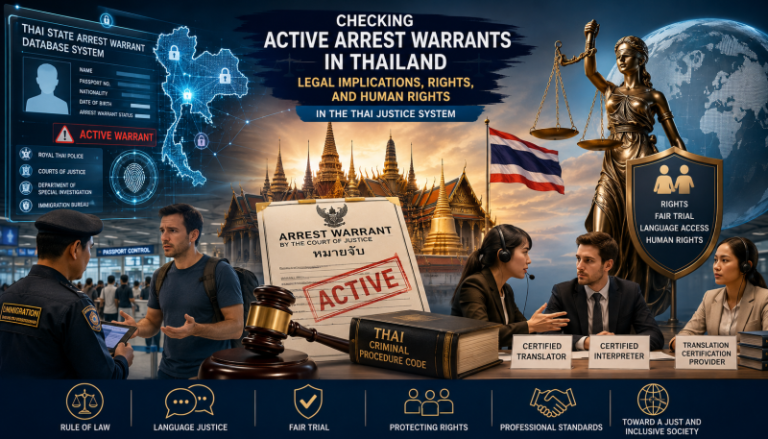
Checking Active Arrest Warrants in Thailand: Legal Implications, Rights, and Human Rights in the Thai Justice System
Author: Phakaporn Tanjararak
15 May 2026, Bangkok – This article examines the issue of active arrest warrants in Thailand, particularly in cases involving foreign nationals who may not understand the Thai legal system, the Thai language, or the procedures of the Thai justice process. The study analyzes the issuance of arrest warrants under the Thai Criminal Procedure Code, the state electronic arrest warrant database system, as well as the impacts on the rights, liberties, and legal defense opportunities of accused individuals. In addition, the article discusses the important roles of certified translators, translation certification providers, and certified interpreters of the Southeast Asian Association of Professional Translators and Interpreters in protecting language rights, translating legal documents, facilitating communication between state officials and foreign nationals, and supporting fairness within the justice system.
This study employs the analysis of legal documents, academic literature, and criminal justice information to demonstrate that access to standardized language services constitutes an essential component of the rule of law and human rights within the context of globalization (Angelelli, 2014).
Introduction
The issuance of arrest warrants constitutes an important mechanism within the criminal justice process through which the state exercises authority to detain individuals accused of committing criminal offenses. However, for foreign nationals residing in or traveling to Thailand, the existence of an arrest warrant without prior knowledge may result in severe consequences affecting liberty, reputation, and legal status. This situation arises because the Thai legal system possesses distinctive characteristics that differ from those of many other countries, as Thai courts may issue arrest warrants during the early stages of criminal proceedings if investigators possess sufficient evidence under the Criminal Procedure Code (Criminal Procedure Code, 2025).
Within this context, language barriers represent a significant obstacle to foreign nationals’ access to justice because arrest warrants, court documents, and official government records are primarily prepared in Thai. Consequently, accused individuals may fail to understand the allegations against them, their legal rights, or judicial procedures accurately. Therefore, the roles of certified translators and certified interpreters are critically important in establishing linguistic justice within the judicial process (Angelelli, 2014).
Arrest Warrants Under Thai Law
Under the Thai Criminal Procedure Code, courts may issue arrest warrants when there is reasonable evidence indicating that an individual has committed a criminal offense carrying a severe term of imprisonment, has attempted to evade authorities, failed to respond to court summonses, lacks a permanent address, or violated bail conditions (Office of the Judiciary, 2024). Furthermore, in certain circumstances, police officers may conduct arrests without warrants if the offense is committed in flagrante delicto or if urgent circumstances exist as prescribed by law (Criminal Procedure Code, 2025).
For foreign nationals, the inability to understand the Thai language and legal system may prevent them from realizing that criminal proceedings have already been initiated against them or that an arrest warrant has already been issued. Such lack of awareness may lead to detention at immigration checkpoints, airports, or during interactions with government agencies, including visa extensions or mandatory reporting procedures before the Immigration Bureau (Immigration Bureau, 2025).
Another sensitive issue concerns certain categories of Thai law, such as the lese-majeste law, which may lead to the issuance of arrest warrants. This differs significantly from many Western countries that place greater emphasis on freedom of expression (Streckfuss, 2019).
State Arrest Warrant Database System and Information Integration
Thailand officially implemented an electronic arrest warrant database system in 2019 to facilitate information sharing among various government agencies, including the Royal Thai Police, the Courts of Justice, the Department of Special Investigation, and the Immigration Bureau. This system enables officials to verify personal information rapidly and accurately, thereby increasing the likelihood that individuals with arrest warrants will be detected during travel, hotel registration, or contact with state authorities (Immigration Bureau, 2025).
Although the system enhances the efficiency of law enforcement operations, it simultaneously raises concerns regarding human rights and privacy protections, particularly in situations where accused persons do not understand their legal rights or cannot access legal information equally (Humphreys, 2021).
The Roles of Certified Translators, Translation Certification Providers, and Certified Interpreters
Within judicial proceedings involving foreign nationals, certified translators and certified interpreters play essential roles in protecting the fundamental rights of accused individuals, particularly the rights to understand criminal allegations, defend themselves, and receive fair trials. Certified translators are responsible for translating important legal documents, including arrest warrants, indictments, judgments, bail documents, and official records, ensuring that translations accurately reflect the original texts and remain legally admissible (Morris, 1995).
At the same time, translation certification providers play a significant role in verifying and certifying the accuracy of translated documents so that such documents may be used as evidence before courts, government agencies, and immigration authorities in accordance with international standards. Translation certification therefore serves as an important mechanism for reducing linguistic inaccuracies and minimizing legal disputes arising from mistranslations or misinterpretations (Angelelli, 2017).
Certified interpreters perform direct communication functions between state officials, attorneys, courts, and accused persons, particularly during interrogations, charge notifications, witness examinations, and court proceedings. Without interpreters possessing adequate legal knowledge and professional ethics, misunderstandings may occur and seriously affect the rights and liberties of accused individuals (Morris, 1995).
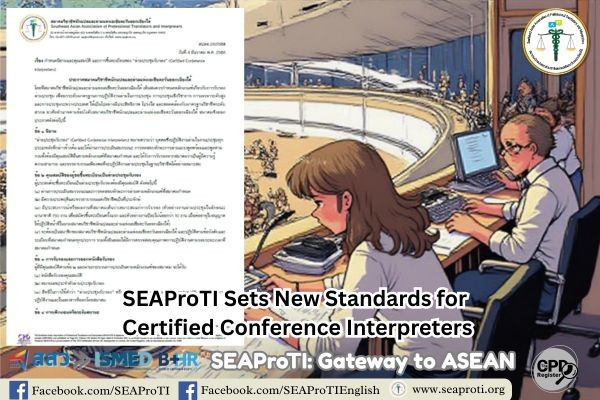
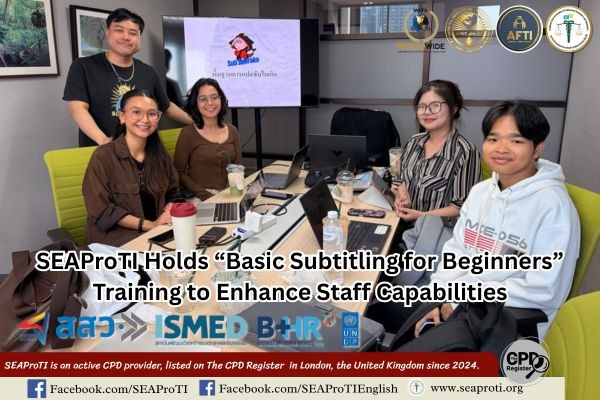
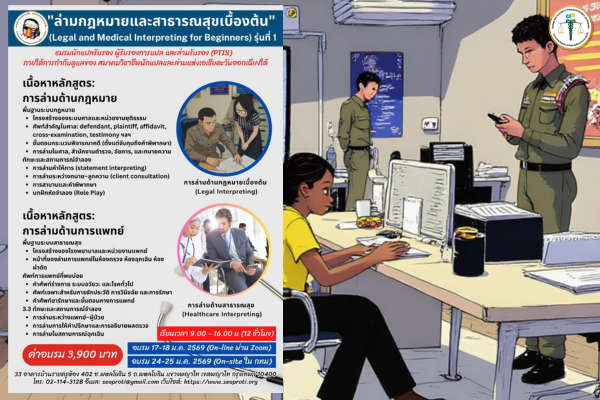
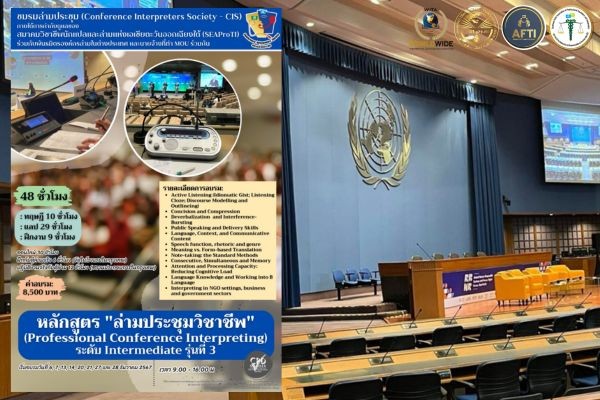
The Southeast Asian Association of Professional Translators and Interpreters plays a significant role in developing professional standards for translation and interpreting throughout Southeast Asia by promoting legal training, professional ethics, and certification standards. Such initiatives enable certified translators and certified interpreters to perform effectively in criminal cases, immigration proceedings, and international disputes. Furthermore, the association supports language rights for foreign nationals and migrant workers, which constitute important issues within multicultural and globalized societies (Humphreys, 2021).
Conclusion
The existence of active arrest warrants in Thailand represents a serious legal issue with substantial consequences for individuals, particularly foreign nationals who may not understand the Thai language or legal system. While the state electronic arrest warrant database system improves the efficiency of tracking suspects, it simultaneously increases the risk of rights violations if individuals cannot properly access legal information and language assistance (Immigration Bureau, 2025).
Accordingly, certified translators, translation certification providers, and certified interpreters play critically important roles in promoting linguistic justice, reducing inequalities in access to justice, and protecting the human rights of accused individuals within the international community. Cooperation among government agencies, courts, attorneys, and professional language organizations therefore constitutes a crucial factor in ensuring that the Thai justice system remains transparent, fair, and increasingly aligned with international standards (Angelelli, 2017).
References
- Angelelli, Claudia V. 2017. Interpreting in Legal and Human Rights Contexts. New York: Oxford University Press.
- Criminal Procedure Code. 2025. Bangkok: Office of the Council of State.
- Humphreys, Stephen. 2025. Technology, Surveillance, and Human Rights in Southeast Asia. Singapore: Springer.
- Immigration Bureau. 2025. Guidelines on Arrest Warrant Verification and Foreign Nationals. Bangkok: Immigration Bureau.
- Morris, Ruth. 1995. Translation and the Law. Amsterdam: John Benjamins Publishing.
- Office of the Judiciary. 2024. Guidelines for Issuing Criminal Arrest Warrants. Bangkok: Office of the Judiciary.
- Streckfuss, David. 2019. Truth on Trial: Lese-Majeste and Freedom of Expression in Thailand. Bangkok: Fa Diao Kan Publishing.
For professional services, please visit: https://www.seaproti.org/practitioners/
About certified translators, translation certifiers, and certified interpreters associated with SEAProTI. The Southeast Asian Association of Professional Translators and Interpreters (SEAProTI) has officially shared the qualifications and requirements for becoming Certified Translators, Translation Certification Providers, and Certified Interpreters in Sections 9 and 10 of the Royal Gazette, which was published by the Prime Minister’s Office in Thailand on July 25, 2024. Certified Translators, Translation Certification Providers, and Certified Interpreters
The Council of State has proposed the enactment of a Royal Decree, granting registered translators and recognised translation certifiers from professional associations or accredited language institutions the authority to provide legally valid translation certification (Letter to SEAProTI dated April 28, 2025)
SEAProTI is the first professional association in Thailand and Southeast Asia to implement a comprehensive certification system for translators, certifiers, and interpreters.
Head Office: Baan Ratchakru Building, No. 33, Room 402, Soi Phahonyothin 5, Phahonyothin Road, Phaya Thai District, Bangkok 10400, Thailand
Email: hello@seaproti.com | Tel.: (+66) 2-114-3128 (Office hours: Mon–Fri, 09:00–17:00).
การตรวจสอบหมายจับที่ยังมีผลบังคับใช้ในประเทศไทย: ผลกระทบทางกฎหมาย สิทธิ และมนุษยชน ในกระบวนการยุติธรรมไทย
ผู้เขียน: ภคพร ตันจรารักษ์
15 พฤษภาคม 2569, กรุงเทพมหานคร – บทความนี้มุ่งศึกษาประเด็นเกี่ยวกับหมายจับที่ยังมีผลบังคับใช้ในประเทศไทย โดยเฉพาะในกรณีของชาวต่างชาติที่อาจไม่เข้าใจระบบกฎหมายไทย ภาษาไทย หรือขั้นตอนของกระบวนการยุติธรรมไทย การศึกษานี้วิเคราะห์การออกหมายจับตามประมวลกฎหมายวิธีพิจารณาความอาญาของไทย ระบบฐานข้อมูลหมายจับอิเล็กทรอนิกส์ของรัฐ ตลอดจนผลกระทบที่เกิดขึ้นต่อสิทธิ เสรีภาพ และโอกาสในการต่อสู้คดีของผู้ถูกกล่าวหา นอกจากนี้ บทความยังอภิปรายบทบาทสำคัญของนักแปลรับรอง ผู้รับรองการแปล และล่ามรับรองของ สมาคมวิชาชีพนักแปลและล่ามแห่งเอเชียตะวันออกเฉียงใต้ ในการคุ้มครองสิทธิด้านภาษา การแปลเอกสารทางกฎหมาย การอำนวยความสะดวกด้านการสื่อสารระหว่างเจ้าหน้าที่รัฐกับชาวต่างชาติ และการสนับสนุนความเป็นธรรมภายในกระบวนการยุติธรรม
งานวิจัยนี้ใช้การวิเคราะห์เอกสารทางกฎหมาย วรรณกรรมทางวิชาการ และข้อมูลด้านกระบวนการยุติธรรม เพื่อแสดงให้เห็นว่าการเข้าถึงบริการด้านภาษาอย่างมีมาตรฐานถือเป็นองค์ประกอบสำคัญของหลักนิติธรรมและสิทธิมนุษยชนภายใต้บริบทของโลกาภิวัตน์ (แอนเจเลลลี, พ.ศ. 2557)
บทนำ
การออกหมายจับถือเป็นกลไกสำคัญในกระบวนการยุติธรรมทางอาญาที่รัฐใช้ในการควบคุมตัวบุคคลที่ถูกกล่าวหาว่ากระทำความผิดทางอาญา อย่างไรก็ตาม สำหรับชาวต่างชาติที่อาศัยอยู่หรือเดินทางเข้ามาในประเทศไทย การมีหมายจับโดยไม่ทราบล่วงหน้าอาจส่งผลกระทบร้ายแรงต่อเสรีภาพ ชื่อเสียง และสถานะทางกฎหมาย สถานการณ์ดังกล่าวเกิดขึ้นเนื่องจากระบบกฎหมายไทยมีลักษณะเฉพาะที่แตกต่างจากหลายประเทศ เนื่องจากศาลไทยสามารถออกหมายจับได้ตั้งแต่ระยะเริ่มต้นของกระบวนการดำเนินคดี หากพนักงานสอบสวนมีพยานหลักฐานเพียงพอตามประมวลกฎหมายวิธีพิจารณาความอาญา (ประมวลกฎหมายวิธีพิจารณาความอาญา, พ.ศ. 2568)
ภายในบริบทดังกล่าว อุปสรรคด้านภาษาถือเป็นปัญหาสำคัญต่อการเข้าถึงความยุติธรรมของชาวต่างชาติ เนื่องจากหมายจับ เอกสารศาล และเอกสารราชการส่วนใหญ่จัดทำขึ้นเป็นภาษาไทย ส่งผลให้ผู้ถูกกล่าวหาอาจไม่เข้าใจข้อกล่าวหา สิทธิทางกฎหมาย หรือขั้นตอนทางศาลได้อย่างถูกต้อง ดังนั้น บทบาทของนักแปลรับรองและล่ามรับรองจึงมีความสำคัญอย่างยิ่งในการสร้างความเป็นธรรมทางภาษาในกระบวนการยุติธรรม (แอนเจเลลลี, พ.ศ. 2557)
การออกหมายจับตามกฎหมายไทย
ตามประมวลกฎหมายวิธีพิจารณาความอาญาของไทย ศาลสามารถออกหมายจับได้เมื่อมีพยานหลักฐานอันสมควรเชื่อได้ว่าบุคคลนั้นได้กระทำความผิดอาญาที่มีโทษจำคุกในอัตราสูง มีพฤติการณ์หลบหนี ไม่มาตามหมายเรียก ไม่มีที่อยู่เป็นหลักแหล่ง หรือฝ่าฝืนเงื่อนไขการประกันตัว (สำนักงานศาลยุติธรรม, พ.ศ. 2567) นอกจากนี้ ในบางสถานการณ์ เจ้าหน้าที่ตำรวจยังสามารถจับกุมบุคคลโดยไม่ต้องมีหมายจับได้ หากเป็นกรณีความผิดซึ่งหน้าหรือมีเหตุเร่งด่วนตามที่กฎหมายกำหนด (ประมวลกฎหมายวิธีพิจารณาความอาญา, พ.ศ. 2568)
สำหรับชาวต่างชาติ การไม่เข้าใจภาษาไทยและระบบกฎหมายไทยอาจทำให้ไม่ตระหนักว่าตนกำลังถูกดำเนินคดี หรือมีการออกหมายจับไว้แล้ว การขาดความตระหนักดังกล่าวอาจนำไปสู่การถูกควบคุมตัวที่ด่านตรวจคนเข้าเมือง สนามบิน หรือระหว่างการติดต่อกับหน่วยงานของรัฐ รวมถึงการต่อวีซ่าหรือการรายงานตัวต่อสำนักงานตรวจคนเข้าเมือง (สำนักงานตรวจคนเข้าเมือง, พ.ศ. 2568)
อีกประเด็นหนึ่งที่มีความอ่อนไหวเกี่ยวข้องกับกฎหมายบางประเภทของไทย เช่น กฎหมายหมิ่นพระบรมเดชานุภาพ ซึ่งอาจนำไปสู่การออกหมายจับได้ ประเด็นนี้แตกต่างอย่างมากจากหลายประเทศตะวันตกที่ให้ความสำคัญต่อเสรีภาพในการแสดงความคิดเห็นมากกว่า (สเตร็กฟัสส์, พ.ศ. 2562)
ระบบฐานข้อมูลหมายจับของรัฐและการบูรณาการข้อมูล
ประเทศไทยได้เริ่มใช้ระบบฐานข้อมูลหมายจับอิเล็กทรอนิกส์อย่างเป็นทางการใน พ.ศ. 2562 เพื่ออำนวยความสะดวกในการแลกเปลี่ยนข้อมูลระหว่างหน่วยงานของรัฐหลายแห่ง ได้แก่ สำนักงานตำรวจแห่งชาติ ศาลยุติธรรม กรมสอบสวนคดีพิเศษ และสำนักงานตรวจคนเข้าเมือง ระบบดังกล่าวช่วยให้เจ้าหน้าที่สามารถตรวจสอบข้อมูลส่วนบุคคลได้อย่างรวดเร็วและแม่นยำ ส่งผลให้บุคคลที่มีหมายจับถูกตรวจพบได้ง่ายขึ้นระหว่างการเดินทาง การลงทะเบียนเข้าพักโรงแรม หรือการติดต่อกับหน่วยงานของรัฐ (สำนักงานตรวจคนเข้าเมือง, พ.ศ. 2568)
แม้ว่าระบบดังกล่าวจะช่วยเพิ่มประสิทธิภาพในการบังคับใช้กฎหมาย แต่ในขณะเดียวกันก็ทำให้เกิดข้อกังวลเกี่ยวกับสิทธิมนุษยชนและการคุ้มครองความเป็นส่วนตัว โดยเฉพาะในกรณีที่ผู้ถูกกล่าวหาไม่เข้าใจสิทธิทางกฎหมายของตน หรือไม่สามารถเข้าถึงข้อมูลทางกฎหมายได้อย่างเท่าเทียม (ฮัมฟรีส์, พ.ศ. 2564)
บทบาทของนักแปลรับรอง ผู้รับรองการแปล และล่ามรับรอง
ภายในกระบวนการยุติธรรมที่เกี่ยวข้องกับชาวต่างชาติ นักแปลรับรองและล่ามรับรองมีบทบาทสำคัญอย่างยิ่งในการคุ้มครองสิทธิขั้นพื้นฐานของผู้ถูกกล่าวหา โดยเฉพาะสิทธิในการรับรู้ข้อกล่าวหา สิทธิในการป้องกันตนเอง และสิทธิในการได้รับการพิจารณาคดีอย่างเป็นธรรม นักแปลรับรองมีหน้าที่แปลเอกสารทางกฎหมายที่สำคัญ ได้แก่ หมายจับ คำฟ้อง คำพิพากษา เอกสารการประกันตัว และเอกสารราชการต่าง ๆ โดยต้องรับรองว่าคำแปลมีความถูกต้องตรงตามต้นฉบับและสามารถใช้ได้ในทางกฎหมาย (มอร์ริส, พ.ศ. 2538)
ในขณะเดียวกัน ผู้รับรองการแปลมีบทบาทสำคัญในการตรวจสอบและรับรองความถูกต้องของเอกสารแปล เพื่อให้เอกสารดังกล่าวสามารถใช้เป็นหลักฐานต่อศาล หน่วยงานของรัฐ และหน่วยงานตรวจคนเข้าเมืองได้ตามมาตรฐานสากล ดังนั้น การรับรองการแปลจึงถือเป็นกลไกสำคัญในการลดความคลาดเคลื่อนทางภาษา และลดข้อพิพาททางกฎหมายที่เกิดจากการแปลผิดหรือการตีความที่คลาดเคลื่อน (แอนเจเลลลี, พ.ศ. 2557)
ล่ามรับรองมีหน้าที่ในการสื่อสารโดยตรงระหว่างเจ้าหน้าที่รัฐ ทนายความ ศาล และผู้ถูกกล่าวหา โดยเฉพาะในระหว่างการสอบสวน การแจ้งข้อกล่าวหา การสืบพยาน และการพิจารณาคดี หากไม่มีล่ามที่มีความรู้ทางกฎหมายและจริยธรรมวิชาชีพอย่างเพียงพอ อาจเกิดความเข้าใจผิดที่ส่งผลกระทบอย่างร้ายแรงต่อสิทธิและเสรีภาพของผู้ถูกกล่าวหา (มอร์ริส, พ.ศ. 2538)
สมาคมวิชาชีพนักแปลและล่ามแห่งเอเชียตะวันออกเฉียงใต้ มีบทบาทสำคัญในการพัฒนามาตรฐานวิชาชีพด้านการแปลและการล่ามทั่วภูมิภาคเอเชียตะวันออกเฉียงใต้ ผ่านการส่งเสริมการอบรมด้านกฎหมาย จริยธรรมวิชาชีพ และมาตรฐานการรับรองวิชาชีพ แนวทางดังกล่าวช่วยให้นักแปลรับรองและล่ามรับรองสามารถปฏิบัติงานได้อย่างมีประสิทธิภาพในคดีอาญา คดีตรวจคนเข้าเมือง และข้อพิพาทระหว่างประเทศ นอกจากนี้ สมาคมยังสนับสนุนสิทธิด้านภาษาของชาวต่างชาติและแรงงานข้ามชาติ ซึ่งถือเป็นประเด็นสำคัญในสังคมพหุวัฒนธรรมและสังคมโลกาภิวัตน์ (ฮัมฟรีส์, พ.ศ. 2564)
บทสรุป
การมีหมายจับที่ยังมีผลบังคับใช้ในประเทศไทยถือเป็นประเด็นทางกฎหมายที่มีความร้ายแรงและส่งผลกระทบอย่างมากต่อบุคคล โดยเฉพาะชาวต่างชาติที่อาจไม่เข้าใจภาษาไทยหรือระบบกฎหมายไทย แม้ว่าระบบฐานข้อมูลหมายจับอิเล็กทรอนิกส์ของรัฐจะช่วยเพิ่มประสิทธิภาพในการติดตามผู้ต้องสงสัย แต่ในขณะเดียวกันก็เพิ่มความเสี่ยงต่อการละเมิดสิทธิ หากบุคคลไม่สามารถเข้าถึงข้อมูลทางกฎหมายและความช่วยเหลือด้านภาษาได้อย่างเหมาะสม (สำนักงานตรวจคนเข้าเมือง, พ.ศ. 2568)
ดังนั้น นักแปลรับรอง ผู้รับรองการแปล และล่ามรับรองจึงมีบทบาทสำคัญอย่างยิ่งในการส่งเสริมความเป็นธรรมทางภาษา ลดความเหลื่อมล้ำในการเข้าถึงกระบวนการยุติธรรม และคุ้มครองสิทธิมนุษยชนของผู้ถูกกล่าวหาในประชาคมระหว่างประเทศ ความร่วมมือระหว่างหน่วยงานของรัฐ ศาล ทนายความ และองค์กรวิชาชีพด้านภาษาจึงถือเป็นปัจจัยสำคัญในการทำให้กระบวนการยุติธรรมไทยมีความโปร่งใส เป็นธรรม และสอดคล้องกับมาตรฐานสากลมากยิ่งขึ้น (แอนเจเลลลี, พ.ศ. 2557)
เอกสารอ้างอิง
- แอนเจเลลลี, คลอเดีย วี. พ.ศ. 2557. การล่ามในบริบททางกฎหมายและสิทธิมนุษยชน. นิวยอร์ก: สำนักพิมพ์มหาวิทยาลัยออกซฟอร์ด
- ประมวลกฎหมายวิธีพิจารณาความอาญา. พ.ศ. 2568. กรุงเทพมหานคร: สำนักงานคณะกรรมการกฤษฎีกา
- ฮัมฟรีส์, สตีเฟน. พ.ศ. 2564. เทคโนโลยี การเฝ้าระวัง และสิทธิมนุษยชนในเอเชียตะวันออกเฉียงใต้. สิงคโปร์: สำนักพิมพ์สปริงเกอร์
- สำนักงานตรวจคนเข้าเมือง. พ.ศ. 2568. แนวปฏิบัติเกี่ยวกับการตรวจสอบหมายจับและบุคคลต่างด้าว. กรุงเทพมหานคร: สำนักงานตรวจคนเข้าเมือง
- มอร์ริส, รูธ. พ.ศ. 2538. การแปลกับกฎหมาย. อัมสเตอร์ดัม: สำนักพิมพ์จอห์น เบนจามินส์
- สำนักงานศาลยุติธรรม. พ.ศ. 2567. หลักเกณฑ์การออกหมายจับในคดีอาญา. กรุงเทพมหานคร: สำนักงานศาลยุติธรรม
- สเตร็กฟัสส์, เดวิด. พ.ศ. 2562. ความจริงบนการพิจารณาคดี: กฎหมายหมิ่นพระบรมเดชานุภาพและเสรีภาพในการแสดงความคิดเห็นในประเทศไทย. กรุงเทพมหานคร: สำนักพิมพ์ฟ้าเดียวกัน
สมาคมวิชาชีพนักแปลและล่ามแห่งเอเชียตะวันออกเฉียงใต้ (SEAProTI) ได้ประกาศหลักเกณฑ์และคุณสมบัติของผู้ที่ขึ้นทะเบียนเป็น “นักแปลรับรอง (Certified Translators) และผู้รับรองการแปล (Translation Certification Providers) และล่ามรับรอง (Certified Interpreters)” ของสมาคม หมวดที่ 9 และหมวดที่ 10 ในราชกิจจานุเบกษา ของสำนักเลขาธิการคณะรัฐมนตรี ในสำนักนายกรัฐมนตรี แห่งราชอาณาจักรไทย ลงวันที่ 25 ก.ค. 2567 เล่มที่ 141 ตอนที่ 66 ง หน้า 100 อ่านฉบับเต็มได้ที่: นักแปลรับรอง ผู้รับรองการแปล และล่ามรับรอง
สำนักคณะกรรมการกฤษฎีกาเสนอให้ตราเป็นพระราชกฤษฎีกา โดยกำหนดให้นักแปลที่ขึ้นทะเบียน รวมถึงผู้รับรองการแปลจากสมาคมวิชาชีพหรือสถาบันสอนภาษาที่มีการอบรมและขึ้นทะเบียน สามารถรับรองคำแปลได้ (จดหมายถึงสมาคม SEAProTI ลงวันที่ 28 เม.ย. 2568)
สมาคมวิชาชีพนักแปลและล่ามแห่งเอเชียตะวันออกเฉียงใต้เป็นสมาคมวิชาชีพแห่งแรกและแห่งเดียวในประเทศไทยและภูมิภาคเอเชียตะวันออกเฉียงใต้ที่มีระบบรับรองนักแปลรับรอง ผู้รับรองการแปล และล่ามรับรอง
สำนักงานใหญ่: อาคารบ้านราชครู เลขที่ 33 ห้อง 402 ซอยพหลโยธิน 5 ถนนพหลโยธิน แขวงพญาไท เขตพญาไท กรุงเทพมหานคร 10400 ประเทศไทย