



The Expansion of Thai Immigration Enforcement Against Cross-Border Fraud and Nominee Business Structures: A Legal and Economic Analysis in the Southeast Asian Context
Author: Phakaporn Tanjararak
8 May 2026, Bangkok – This article aims to analyze the expanding enforcement trends of Thai immigration authorities against cross-border fraud and nominee business structures used to conceal foreign ownership of businesses in Thailand. The study explains the legal mechanisms associated with the Foreign Business Act, as well as the interrelationship between immigration law, economic regulation, and the prevention of international financial crime, particularly in major tourism areas of Thailand (Ministry of Commerce, 1999; Immigration Bureau, 2026). The study finds that Thailand’s enforcement trends reflect efforts to enhance economic transparency, regulate foreign business activities, and strengthen international economic security cooperation within the Southeast Asian region.
Introduction
In recent years, Thailand has faced increasing challenges arising from cross-border financial crime, nominee company structures, and the growing complexity of international capital movement. Within the context of globalization, international investment, and the expansion of the tourism industry, Thai state authorities have intensified immigration oversight and the regulation of foreign business activities, particularly in major economic and tourism destinations such as Bangkok, Phuket, Koh Phangan, and Pattaya (Immigration Bureau, 2026). This trend reflects Thailand’s attempt to regulate economic activities that may circumvent legal restrictions through the use of “nominees,” whereby Thai nationals hold shares on behalf of foreign individuals. Although such companies may appear legally registered and tax compliant, authorities may determine that the shareholding arrangement does not reflect the true beneficial ownership, thereby constituting a violation of the Foreign Business Act (Ministry of Commerce, 1999).
At the same time, immigration enforcement in the contemporary era is no longer limited to border control and the regulation of entry and exit. It has expanded into information-sharing cooperation with embassies, international investigative agencies, and foreign law enforcement organizations in order to support visa reviews, revocation of residency rights, and deportation procedures involving foreign nationals accused of fraud or economic crimes abroad (Immigration Bureau, 2026).
Immigration Enforcement Against Cross-Border Fraud
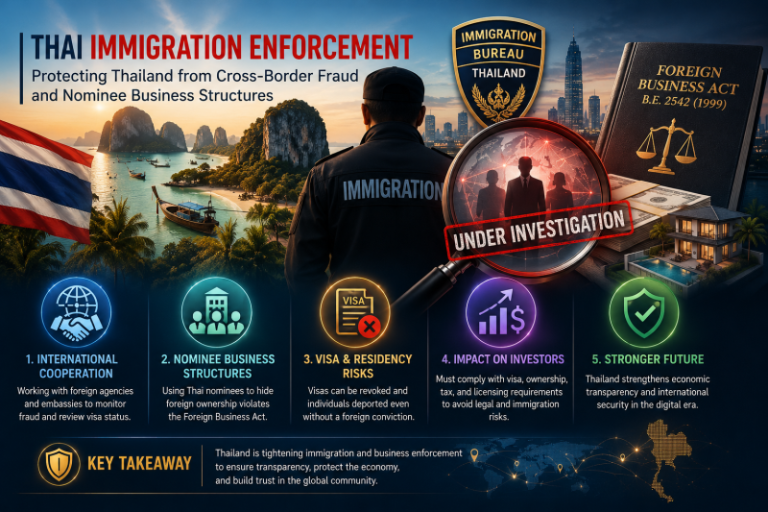
Thailand’s Immigration Bureau has increased cooperation with international law enforcement agencies and foreign embassies in monitoring foreign nationals connected to fraud or economic crime investigations abroad. Foreign residents in Thailand may face visa status reviews when Thai authorities receive information indicating that such individuals are under investigation or subject to arrest warrants in foreign jurisdictions, even when the alleged offenses did not occur within Thailand (Immigration Bureau, 2026).
This approach reflects the transformation of immigration systems from traditional border control mechanisms into instruments of international economic and financial security governance. Immigration authorities increasingly function as supporting mechanisms for combating transnational financial crime, including money laundering, tax evasion, and the use of Thailand as a base for unlawful economic activities (Immigration Bureau, 2026).
In practice, visa revocation and deportation may occur even in the absence of a final criminal judgment abroad if Thai authorities determine that the continued presence of such individuals could affect public order or national security. This trend reflects growing intelligence integration and international cooperation across Southeast Asia (Immigration Bureau, 2026).
Nominee Business Structures and Thai Legal Restrictions
Under the Foreign Business Act, Thailand imposes restrictions on certain categories of business ownership by foreign nationals, particularly in sectors related to real estate, tourism, services, and activities affecting domestic economic interests. Consequently, nominee business structures have emerged as mechanisms for circumventing these restrictions (Ministry of Commerce, 1999).
A nominee business structure refers to an arrangement in which Thai nationals hold shares on behalf of foreign individuals while lacking actual managerial authority or economic benefit in the enterprise. Even where companies are formally registered in accordance with legal procedures, authorities may pursue legal action and revoke business rights if it is determined that foreign nationals are the true controlling parties (Ministry of Commerce, 1999).
Thai authorities have placed particular emphasis on businesses associated with tourism and real estate due to the high level of foreign investment and continuous movement of capital within these sectors. Locations such as Koh Phangan and Phuket have therefore become focal points for investigations involving luxury villa rentals, property management operations, and short-term accommodation services (Immigration Bureau, 2026).
Such investigations are often conducted jointly by immigration authorities, police agencies, tax authorities, and business regulators in order to analyze shareholder structures, asset transfers, and operational patterns that may constitute attempts to circumvent Thai law (Immigration Bureau, 2026).
Impacts on Foreign Nationals and International Investors
The intensification of enforcement measures has compelled foreign nationals and investors to place greater emphasis on compliance with Thai law in multiple dimensions, including visa status, work authorization, corporate formation, and property management (Ministry of Commerce, 1999).
First, business operations or property management activities in Thailand may require visa categories and work permits consistent with the actual nature of the activities conducted. Engaging in business activities beyond the scope of an authorized visa may result in revocation of residency rights (Immigration Bureau, 2026).
Second, corporate shareholding structures must accurately reflect beneficial ownership because Thai authorities increasingly prioritize economic substance over formal documentation alone (Ministry of Commerce, 1999).
Third, short-term rental businesses and property management operations may be subject to additional tax obligations, licensing requirements, and registration procedures. Failure to comply may lead to both business-related and immigration-related legal liabilities (Immigration Bureau, 2026).
Discussion
The expansion of Thailand’s regulatory enforcement reflects broader global trends emphasizing economic transparency, the prevention of financial crime, and stricter oversight of foreign investment. Thailand is gradually transforming its immigration system into an integrated component of international economic security and transnational intelligence cooperation (Immigration Bureau, 2026).
Furthermore, legal enforcement within the context of a globalized economy increasingly demonstrates the interrelationship between immigration law, business law, and international economic crime prevention measures, particularly in areas with high levels of foreign investment and tourism, which have become important surveillance zones for Thai authorities (Ministry of Commerce, 1999; Immigration Bureau, 2026).
In the future, such regulatory trends are likely to become even stricter due to the expansion of the digital economy, international capital mobility, and transnational intelligence cooperation. These developments are expected to affect foreign investors, the real estate sector, and the tourism industry throughout Southeast Asia (Immigration Bureau, 2026).
Conclusion
The expansion of Thai immigration enforcement against cross-border fraud and nominee business structures reflects the state’s effort to enhance economic transparency and regulate foreign business activities in accordance with Thai law. The integration of information among domestic and international agencies has transformed immigration systems into components of international economic security governance (Immigration Bureau, 2026).
At the same time, this trend demonstrates that Thailand is placing greater emphasis on regulating investment structures and cross-border capital movement, particularly in business sectors related to tourism, real estate, and services, which are directly connected to international economic systems and state financial security (Ministry of Commerce, 1999).
References
- Immigration Bureau. (2026). Immigration enforcement guidelines and transnational crime cooperation. Bangkok: Immigration Bureau.
- Ministry of Commerce. (1999). Foreign Business Act B.E. 2542 (1999). Bangkok: Ministry of Commerce.
For professional services, please visit: https://www.seaproti.org/practitioners/
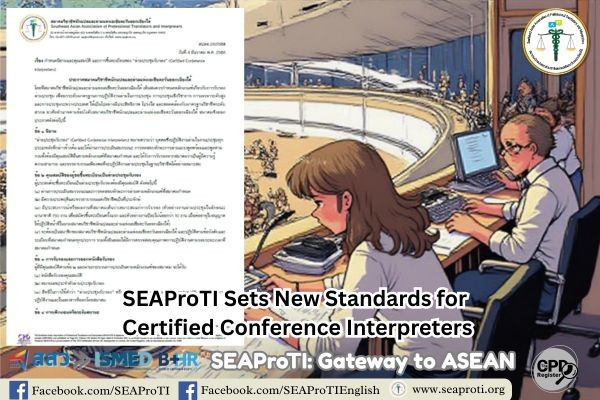
About certified translators, translation certifiers, and certified interpreters associated with SEAProTI. The Southeast Asian Association of Professional Translators and Interpreters (SEAProTI) has officially shared the qualifications and requirements for becoming Certified Translators, Translation Certification Providers, and Certified Interpreters in Sections 9 and 10 of the Royal Gazette, which was published by the Prime Minister’s Office in Thailand on July 25, 2024. Certified Translators, Translation Certification Providers, and Certified Interpreters
The Council of State has proposed the enactment of a Royal Decree, granting registered translators and recognised translation certifiers from professional associations or accredited language institutions the authority to provide legally valid translation certification (Letter to SEAProTI dated April 28, 2025)
SEAProTI is the first professional association in Thailand and Southeast Asia to implement a comprehensive certification system for translators, certifiers, and interpreters.
Head Office: Baan Ratchakru Building, No. 33, Room 402, Soi Phahonyothin 5, Phahonyothin Road, Phaya Thai District, Bangkok 10400, Thailand
Email: hello@seaproti.com | Tel.: (+66) 2-114-3128 (Office hours: Mon–Fri, 09:00–17:00).
การขยายมาตรการบังคับใช้กฎหมายตรวจคนเข้าเมืองของไทยต่อการฉ้อโกงข้ามพรมแดนและโครงสร้างธุรกิจนอมินี: การวิเคราะห์เชิงกฎหมายและเศรษฐกิจในบริบทเอเชียตะวันออกเฉียงใต้
ผู้เขียน: ภคพร ตันจรารักษ์
8 พฤษภาคม 2569, กรุงเทพมหานคร – บทความนี้มุ่งวิเคราะห์แนวโน้มการขยายมาตรการบังคับใช้กฎหมายของหน่วยงานตรวจคนเข้าเมืองไทยต่อคดีฉ้อโกงข้ามพรมแดนและโครงสร้างธุรกิจนอมินี ซึ่งถูกใช้เพื่ออำพรางการถือครองธุรกิจของชาวต่างชาติในประเทศไทย การศึกษานี้อธิบายกลไกทางกฎหมายที่เกี่ยวข้องกับพระราชบัญญัติการประกอบธุรกิจของคนต่างด้าว ตลอดจนความเชื่อมโยงระหว่างกฎหมายตรวจคนเข้าเมือง การกำกับดูแลทางเศรษฐกิจ และการป้องกันอาชญากรรมทางการเงินระหว่างประเทศ โดยเฉพาะในพื้นที่ท่องเที่ยวสำคัญของประเทศไทย (กระทรวงพาณิชย์, พ.ศ. 2542; สำนักงานตรวจคนเข้าเมือง, พ.ศ. 2569) การศึกษาพบว่า แนวโน้มการบังคับใช้กฎหมายของไทยสะท้อนถึงความพยายามในการยกระดับความโปร่งใสทางเศรษฐกิจ ควบคุมกิจกรรมทางธุรกิจของชาวต่างชาติ และเสริมสร้างความร่วมมือด้านความมั่นคงทางเศรษฐกิจระหว่างประเทศในภูมิภาคเอเชียตะวันออกเฉียงใต้
บทนำ
ในช่วงไม่กี่ปีที่ผ่านมา ประเทศไทยได้เผชิญความท้าทายเพิ่มขึ้นจากอาชญากรรมทางการเงินข้ามพรมแดน การใช้โครงสร้างบริษัทนอมินี และการเคลื่อนย้ายทุนระหว่างประเทศที่มีความซับซ้อนมากขึ้น ภายใต้บริบทของเศรษฐกิจโลกาภิวัตน์ การลงทุนระหว่างประเทศ และการเติบโตของอุตสาหกรรมท่องเที่ยว หน่วยงานรัฐไทยจึงได้ขยายมาตรการกำกับดูแลด้านตรวจคนเข้าเมืองและการประกอบธุรกิจของชาวต่างชาติอย่างเข้มงวดมากขึ้น โดยเฉพาะในพื้นที่เศรษฐกิจและแหล่งท่องเที่ยวสำคัญ เช่น กรุงเทพมหานคร ภูเก็ต เกาะพะงัน และพัทยา (สำนักงานตรวจคนเข้าเมือง, พ.ศ. 2569) แนวโน้มดังกล่าวสะท้อนให้เห็นถึงความพยายามของรัฐไทยในการควบคุมกิจกรรมทางเศรษฐกิจที่อาจหลีกเลี่ยงข้อจำกัดทางกฎหมายผ่านการใช้ “นอมินี” หรือบุคคลสัญชาติไทยถือหุ้นแทนชาวต่างชาติ ทั้งนี้ แม้ว่าบริษัทดังกล่าวอาจจดทะเบียนอย่างถูกต้องและเสียภาษีตามระบบ แต่หากรัฐตรวจพบว่าการถือหุ้นดังกล่าวมิได้สะท้อนผู้มีอำนาจควบคุมที่แท้จริง ก็อาจถือเป็นการกระทำที่ขัดต่อพระราชบัญญัติการประกอบธุรกิจของคนต่างด้าว (กระทรวงพาณิชย์, พ.ศ. 2542)
ขณะเดียวกัน การบังคับใช้กฎหมายตรวจคนเข้าเมืองในยุคปัจจุบันไม่ได้จำกัดอยู่เพียงการควบคุมการเดินทางเข้าออกประเทศเท่านั้น แต่ยังขยายไปสู่การแลกเปลี่ยนข้อมูลกับสถานเอกอัครราชทูต หน่วยงานสืบสวนระหว่างประเทศ และองค์กรบังคับใช้กฎหมายต่างประเทศ เพื่อใช้ประกอบการพิจารณาวีซ่า การเพิกถอนสิทธิการพำนัก และการส่งตัวกลับประเทศในกรณีที่บุคคลต่างชาติถูกกล่าวหาหรือมีหมายจับในต่างประเทศเกี่ยวกับคดีฉ้อโกงหรืออาชญากรรมทางเศรษฐกิจ (สำนักงานตรวจคนเข้าเมือง, พ.ศ. 2569)
การบังคับใช้กฎหมายตรวจคนเข้าเมืองต่อการฉ้อโกงข้ามพรมแดน
สำนักงานตรวจคนเข้าเมืองของไทยได้เพิ่มระดับความร่วมมือกับหน่วยงานบังคับใช้กฎหมายระหว่างประเทศและสถานเอกอัครราชทูตต่างประเทศในการติดตามบุคคลต่างชาติที่มีความเกี่ยวข้องกับคดีฉ้อโกงหรืออาชญากรรมทางเศรษฐกิจในต่างประเทศ บุคคลที่อาศัยอยู่ในประเทศไทยอาจถูกตรวจสอบสถานะวีซ่า หากทางการไทยได้รับข้อมูลว่าบุคคลดังกล่าวอยู่ระหว่างการสืบสวนหรือมีหมายจับจากต่างประเทศ แม้ว่าความผิดนั้นจะไม่ได้เกิดขึ้นภายในประเทศไทยก็ตาม (สำนักงานตรวจคนเข้าเมือง, พ.ศ. 2569)
แนวทางดังกล่าวสะท้อนการเปลี่ยนแปลงของระบบตรวจคนเข้าเมืองจากการควบคุมเชิงพรมแดนไปสู่การกำกับดูแลเชิงความมั่นคงทางเศรษฐกิจและการเงินระหว่างประเทศ หน่วยงานตรวจคนเข้าเมืองจึงทำหน้าที่เป็นกลไกสนับสนุนการป้องกันอาชญากรรมทางการเงินข้ามชาติ รวมถึงการป้องกันการฟอกเงิน การหลีกเลี่ยงภาษี และการใช้ประเทศไทยเป็นฐานดำเนินกิจกรรมทางเศรษฐกิจที่ผิดกฎหมาย (สำนักงานตรวจคนเข้าเมือง, พ.ศ. 2569)
ในทางปฏิบัติ การเพิกถอนวีซ่าและการผลักดันออกนอกราชอาณาจักรอาจเกิดขึ้นได้แม้ยังไม่มีคำพิพากษาถึงที่สุดในต่างประเทศ หากหน่วยงานรัฐไทยเห็นว่าการพำนักของบุคคลดังกล่าวอาจส่งผลกระทบต่อความสงบเรียบร้อยหรือความมั่นคงของรัฐ แนวโน้มนี้สะท้อนถึงการบูรณาการข้อมูลข่าวกรองและความร่วมมือระหว่างประเทศที่เพิ่มสูงขึ้นในภูมิภาคเอเชียตะวันออกเฉียงใต้ (สำนักงานตรวจคนเข้าเมือง, พ.ศ. 2569)
โครงสร้างธุรกิจนอมินีและข้อจำกัดทางกฎหมายของไทย
ภายใต้พระราชบัญญัติการประกอบธุรกิจของคนต่างด้าว ประเทศไทยกำหนดข้อจำกัดบางประเภทต่อการถือครองธุรกิจโดยชาวต่างชาติ โดยเฉพาะธุรกิจที่เกี่ยวข้องกับอสังหาริมทรัพย์ การท่องเที่ยว การบริการ และกิจกรรมที่มีผลต่อเศรษฐกิจภายในประเทศ ส่งผลให้เกิดการใช้โครงสร้าง “นอมินี” เพื่อหลีกเลี่ยงข้อจำกัดดังกล่าว (กระทรวงพาณิชย์, พ.ศ. 2542)
โครงสร้างธุรกิจนอมินีหมายถึงการที่บุคคลสัญชาติไทยถือหุ้นแทนบุคคลต่างชาติ โดยผู้ถือหุ้นชาวไทยมิได้มีอำนาจควบคุมหรือผลประโยชน์ที่แท้จริงในกิจการนั้น แม้ว่าบริษัทจะจดทะเบียนอย่างถูกต้องตามกฎหมาย แต่หากรัฐพิสูจน์ได้ว่าชาวต่างชาติเป็นผู้ควบคุมกิจการที่แท้จริง บริษัทดังกล่าวอาจถูกดำเนินคดีและเพิกถอนสิทธิทางธุรกิจ (กระทรวงพาณิชย์, พ.ศ. 2542)
หน่วยงานรัฐไทยให้ความสำคัญต่อธุรกิจที่เกี่ยวข้องกับการท่องเที่ยวและอสังหาริมทรัพย์มากเป็นพิเศษ เนื่องจากเป็นภาคเศรษฐกิจที่มีการลงทุนจากต่างประเทศสูงและมีการเคลื่อนย้ายเงินทุนอย่างต่อเนื่อง พื้นที่อย่างเกาะพะงันและภูเก็ตจึงกลายเป็นจุดสำคัญของการตรวจสอบบริษัทที่เกี่ยวข้องกับการปล่อยเช่าวิลลาหรู การบริหารทรัพย์สิน และบริการที่พักระยะสั้น (สำนักงานตรวจคนเข้าเมือง, พ.ศ. 2569)
การตรวจสอบดังกล่าวมักดำเนินการร่วมกันระหว่างสำนักงานตรวจคนเข้าเมือง สำนักงานตำรวจ หน่วยงานด้านภาษี และหน่วยงานกำกับดูแลธุรกิจ เพื่อวิเคราะห์โครงสร้างผู้ถือหุ้น การเคลื่อนย้ายทรัพย์สิน และรูปแบบการดำเนินงานที่อาจเข้าข่ายหลีกเลี่ยงกฎหมาย (สำนักงานตรวจคนเข้าเมือง, พ.ศ. 2569)
ผลกระทบต่อชาวต่างชาติและนักลงทุนระหว่างประเทศ
แนวโน้มการบังคับใช้กฎหมายที่เข้มงวดมากขึ้นส่งผลให้ชาวต่างชาติและนักลงทุนต้องให้ความสำคัญกับการปฏิบัติตามกฎหมายไทยในหลายมิติ ทั้งด้านวีซ่า การขอใบอนุญาตทำงาน การจัดตั้งบริษัท และการบริหารทรัพย์สิน (กระทรวงพาณิชย์, พ.ศ. 2542)
ประการแรก การดำเนินธุรกิจหรือบริหารอสังหาริมทรัพย์ในประเทศไทยอาจต้องใช้ประเภทวีซ่าและใบอนุญาตที่สอดคล้องกับลักษณะกิจกรรมจริง หากพบว่ามีการประกอบธุรกิจนอกเหนือจากวัตถุประสงค์ของวีซ่า อาจนำไปสู่การเพิกถอนสิทธิการพำนักได้ (สำนักงานตรวจคนเข้าเมือง, พ.ศ. 2569)
ประการที่สอง โครงสร้างผู้ถือหุ้นของบริษัทต้องสะท้อนผู้มีผลประโยชน์ที่แท้จริงอย่างโปร่งใส เนื่องจากหน่วยงานรัฐไทยให้ความสำคัญกับสาระสำคัญทางเศรษฐกิจมากกว่ารูปแบบทางเอกสารเพียงอย่างเดียว (กระทรวงพาณิชย์, พ.ศ. 2542)
ประการที่สาม ธุรกิจปล่อยเช่าระยะสั้นและการบริหารทรัพย์สินอาจอยู่ภายใต้ข้อกำหนดด้านภาษี ใบอนุญาต และการจดทะเบียนเพิ่มเติม ซึ่งหากละเลยอาจนำไปสู่ความรับผิดทางกฎหมายทั้งในด้านธุรกิจและตรวจคนเข้าเมือง (สำนักงานตรวจคนเข้าเมือง, พ.ศ. 2569)
อภิปรายผล
การขยายมาตรการกำกับดูแลของรัฐไทยสะท้อนถึงแนวโน้มสากลที่ให้ความสำคัญกับความโปร่งใสทางเศรษฐกิจ การป้องกันอาชญากรรมทางการเงิน และการกำกับดูแลการลงทุนจากต่างประเทศอย่างเข้มงวดมากขึ้น ประเทศไทยกำลังปรับบทบาทของระบบตรวจคนเข้าเมืองให้เป็นส่วนหนึ่งของโครงสร้างความมั่นคงทางเศรษฐกิจและความร่วมมือด้านข่าวกรองระหว่างประเทศ (สำนักงานตรวจคนเข้าเมือง, พ.ศ. 2569)
นอกจากนี้ การบังคับใช้กฎหมายในบริบทเศรษฐกิจโลกาภิวัตน์ยังสะท้อนถึงความเชื่อมโยงระหว่างกฎหมายตรวจคนเข้าเมือง กฎหมายธุรกิจ และมาตรการป้องกันอาชญากรรมทางเศรษฐกิจระหว่างประเทศอย่างชัดเจนมากขึ้น โดยเฉพาะในพื้นที่ที่มีการลงทุนและการท่องเที่ยวจากต่างประเทศในระดับสูง ซึ่งกลายเป็นพื้นที่เฝ้าระวังสำคัญของรัฐไทย (กระทรวงพาณิชย์, พ.ศ. 2542; สำนักงานตรวจคนเข้าเมือง, พ.ศ. 2569)
ในอนาคต แนวโน้มการกำกับดูแลดังกล่าวอาจยิ่งเข้มงวดมากขึ้นตามการเปลี่ยนแปลงของเศรษฐกิจดิจิทัล การเคลื่อนย้ายทุนระหว่างประเทศ และความร่วมมือด้านข่าวกรองระหว่างรัฐ ซึ่งจะส่งผลต่อทั้งนักลงทุนต่างชาติ ภาคธุรกิจอสังหาริมทรัพย์ และอุตสาหกรรมท่องเที่ยวในภูมิภาคเอเชียตะวันออกเฉียงใต้ (สำนักงานตรวจคนเข้าเมือง, พ.ศ. 2569)
สรุป
การเพิ่มมาตรการบังคับใช้กฎหมายตรวจคนเข้าเมืองของไทยต่อการฉ้อโกงข้ามพรมแดนและโครงสร้างธุรกิจนอมินีสะท้อนถึงความพยายามของรัฐในการยกระดับความโปร่งใสทางเศรษฐกิจและควบคุมกิจกรรมทางธุรกิจของชาวต่างชาติให้สอดคล้องกับกฎหมายไทย การบูรณาการข้อมูลระหว่างหน่วยงานทั้งในและต่างประเทศได้เปลี่ยนบทบาทของระบบตรวจคนเข้าเมืองให้เป็นส่วนหนึ่งของกลไกความมั่นคงทางเศรษฐกิจระหว่างประเทศ (สำนักงานตรวจคนเข้าเมือง, พ.ศ. 2569)
ขณะเดียวกัน แนวโน้มดังกล่าวยังสะท้อนให้เห็นว่าประเทศไทยกำลังให้ความสำคัญกับการควบคุมโครงสร้างการลงทุนและการเคลื่อนย้ายทุนจากต่างประเทศมากขึ้น โดยเฉพาะในภาคธุรกิจที่เกี่ยวข้องกับการท่องเที่ยว อสังหาริมทรัพย์ และบริการ ซึ่งมีความเชื่อมโยงโดยตรงกับเศรษฐกิจระหว่างประเทศและความมั่นคงทางการเงินของรัฐ (กระทรวงพาณิชย์, พ.ศ. 2542)
เอกสารอ้างอิง
- กระทรวงพาณิชย์. (พ.ศ. 2542). พระราชบัญญัติการประกอบธุรกิจของคนต่างด้าว (พ.ศ.2542). กรุงเทพมหานคร: กระทรวงพาณิชย์
- สำนักงานตรวจคนเข้าเมือง. (พ.ศ. 2569). แนวทางการบังคับใช้กฎหมายตรวจคนเข้าเมืองและความร่วมมือด้านอาชญากรรมข้ามชาติ. กรุงเทพมหานคร: สำนักงานตรวจคนเข้าเมือง
ขอใช้บริการนักวิชาชีพของสมาคมได้ที่:https://www.seaproti.org/practitioners/
สมาคมวิชาชีพนักแปลและล่ามแห่งเอเชียตะวันออกเฉียงใต้ (SEAProTI) ได้ประกาศหลักเกณฑ์และคุณสมบัติของผู้ที่ขึ้นทะเบียนเป็น “นักแปลรับรอง (Certified Translators) และผู้รับรองการแปล (Translation Certification Providers) และล่ามรับรอง (Certified Interpreters)” ของสมาคม หมวดที่ 9 และหมวดที่ 10 ในราชกิจจานุเบกษา ของสำนักเลขาธิการคณะรัฐมนตรี ในสำนักนายกรัฐมนตรี แห่งราชอาณาจักรไทย ลงวันที่ 25 ก.ค. 2567 เล่มที่ 141 ตอนที่ 66 ง หน้า 100 อ่านฉบับเต็มได้ที่: นักแปลรับรอง ผู้รับรองการแปล และล่ามรับรอง
สำนักคณะกรรมการกฤษฎีกาเสนอให้ตราเป็นพระราชกฤษฎีกา โดยกำหนดให้นักแปลที่ขึ้นทะเบียน รวมถึงผู้รับรองการแปลจากสมาคมวิชาชีพหรือสถาบันสอนภาษาที่มีการอบรมและขึ้นทะเบียน สามารถรับรองคำแปลได้ (จดหมายถึงสมาคม SEAProTI ลงวันที่ 28 เม.ย. 2568)
สมาคมวิชาชีพนักแปลและล่ามแห่งเอเชียตะวันออกเฉียงใต้เป็นสมาคมวิชาชีพแห่งแรกและแห่งเดียวในประเทศไทยและภูมิภาคเอเชียตะวันออกเฉียงใต้ที่มีระบบรับรองนักแปลรับรอง ผู้รับรองการแปล และล่ามรับรอง
สำนักงานใหญ่: อาคารบ้านราชครู เลขที่ 33 ห้อง 402 ซอยพหลโยธิน 5 ถนนพหลโยธิน แขวงพญาไท เขตพญาไท กรุงเทพมหานคร 10400 ประเทศไทย