



Thailand’s New Electronic Work Permit System in 2025: The Transition Toward Digital Governance of Foreign Labor Management
Author: Phakaporn Tanjararak
12 May 2026, Bangkok –Thailand has implemented a major reform in its work permit system for foreign workers by terminating the use of the traditional paper-based “Blue Book” work permit and replacing it with a fully digital electronic work permit system beginning on 13 October 2025. This transformation reflects the national policy of digital government development and the enhancement of administrative efficiency in foreign labor management (Ministry of Labour, 2025).
The electronic work permit system was designed to increase efficiency, transparency, and security throughout the entire work authorization process. This article examines the key characteristics of the electronic work permit system, the application procedures, applicant qualifications, security mechanisms, and the impacts on both foreign workers and employers in Thailand.
The findings indicate that the system significantly reduces administrative burdens, shortens processing periods, and supports Thailand’s broader digital transformation agenda. Nevertheless, the transition also introduces challenges concerning legal compliance and technological adaptation among users.
Introduction
Thailand has increasingly pursued policies aimed at digital transformation in public administration in order to improve governmental efficiency and service delivery. One significant initiative is the development of the electronic work permit system for foreign workers, which replaces the traditional document-based system that had long been utilized in the country. This reform reflects the growing trend of integrating digital technology into migrant labor governance and employment regulation (Department of Employment, 2025).
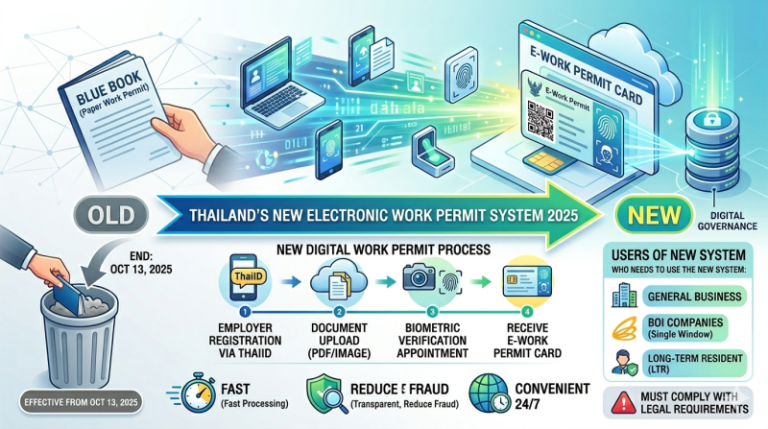
Beginning on 13 October 2025, Thailand officially discontinued the use of the traditional Blue Book work permit and replaced it with the electronic work permit system. Under this new system, employers and employees are able to complete registration, document submission, application tracking, and approval processes entirely online without the need to visit government offices in person. The Ministry of Labour expects that the system will accelerate administrative procedures, reduce fraudulent practices, and improve the standards of labor governance in Thailand (Ministry of Labour, 2025).
The Electronic Work Permit System
The electronic work permit system is a digital platform that encompasses the entire work permit lifecycle, including registration, document uploads, application submission, status verification, and final approval. Applicants can complete all required procedures online without physical interaction with government officials (Department of Employment, 2025).
One of the most innovative aspects of the system is the use of a credit-card-sized work permit embedded with a QR code and barcode linked directly to government databases.
This feature allows authorities to verify identities and work authorization status more rapidly and securely. Additionally, biometric authentication systems and centralized databases have been introduced to prevent document forgery and reduce risks associated with fraudulent applications (Ministry of Labour, 2025).
Features and Benefits of the New System
The electronic work permit system provides several advantages for both employers and foreign employees. First, the system offers twenty-four-hour online access, enabling users to submit applications, monitor status updates, and pay fees at any time and from any location (Ministry of Labour, 2025).
The processing period has also been significantly reduced. Applications submitted in Bangkok generally require approximately 7–10 working days, while provincial applications require 10–12 working days. Companies promoted by the Board of Investment can utilize the Single Window System and receive approval within 1–3 working days (Board of Investment, 2025).
Applicants are further able to receive real-time notifications through electronic mail, short message services, and the official Line application account of the government. Moreover, the implementation of biometric authentication and centralized databases enhances the security and integrity of personal data (Department of Employment, 2025).
Individuals Required to Use the Electronic Work Permit System
From 13 October 2025 onward, the electronic work permit system became mandatory for all foreign workers and employers requiring work authorization in Thailand. This includes holders of work-eligible visas such as Non-Immigrant Business Visas, Long-Term Resident Visas, and Smart Visas (Ministry of Labour, 2025).
Employers are required to register and verify their identities through the ThaiID mobile application before accessing the digital system for application submission. Existing holders of Blue Book work permits may continue to use their permits until expiration; however, all renewals and new applications must subsequently be processed exclusively through the electronic platform (Department of Employment, 2025).
Applicant Qualifications
Although the system has transitioned into a digital format, the substantive eligibility requirements for obtaining a work permit remain unchanged. Applicants must possess a valid non-immigrant visa, educational qualifications or professional experience relevant to the intended position, and a medical certificate issued within thirty days prior to application submission (Ministry of Labour, 2025).
Employers must also satisfy the legal requirements concerning registered capital and the ratio of Thai employees to foreign workers unless the business has received promotional privileges from the Board of Investment (Board of Investment, 2025).
Application Procedures
The application process begins with employer registration on the electronic work permit portal and identity verification through the ThaiID application. Thereafter, the foreign employee creates an account and uploads all relevant documentation to the system (Department of Employment, 2025). Both employers and employees are required to upload documents in digital formats such as PDF or image files not exceeding 5 megabytes per file.
After completing the online application form and paying the application fee of 3,000 baht for a one-year permit, applicants must schedule an appointment for biometric verification and work permit card issuance (Ministry of Labour, 2025).
Renewal Procedures and Legal Compliance
Holders of electronic work permits must apply for renewal at least thirty days prior to expiration. Required documents include the existing work permit, tax payment receipts, an updated medical certificate, and a valid passport (Department of Employment, 2025).
The work permit remains linked to the approved job position and province of employment. Therefore, foreign workers seeking to change employers or relocate to another province must apply for a new work permit entirely. Working without a valid permit or violating permit conditions may result in fines of up to 100,000 baht, deportation, or entry bans under Thai law (Ministry of Labour, 2025).
The Role of Certified Translators, Translation Certification Providers, and Certified Interpreters in Thailand’s Electronic Work Permit System
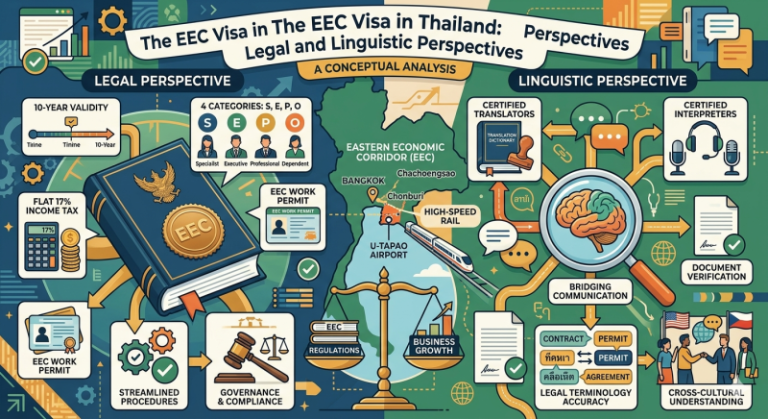
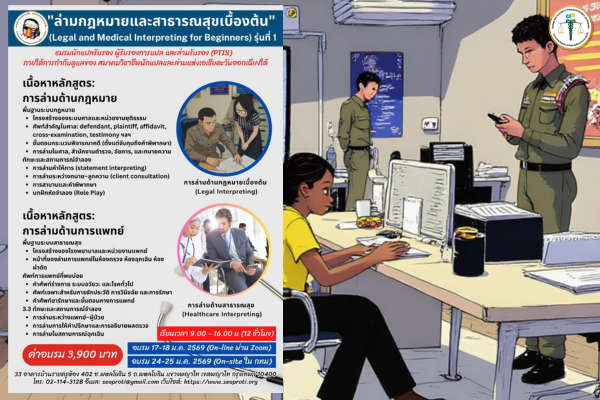
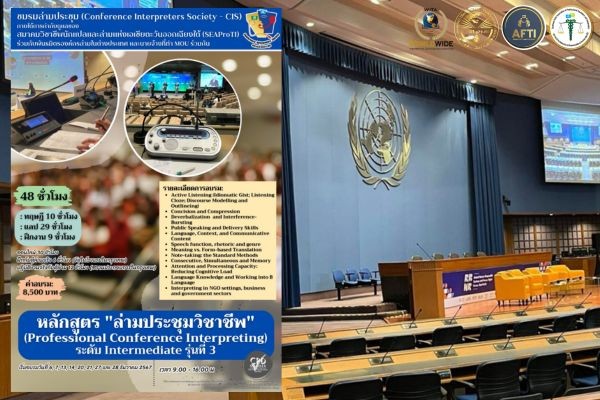
Thailand’s transition toward the electronic work permit system has also affected the roles of certified translators, translation certification providers, and certified interpreters of the Southeast Asian Association of Professional Translators and Interpreters, as foreign workers are required to submit numerous digital documents, such as passports, educational certificates, and employment contracts, many of which are written in foreign languages (Department of Employment, 2025).
Certified translators play an important role in translating documents accurately in accordance with legal standards, while translation certification providers are responsible for verifying the accuracy and consistency of translated documents with the original versions. Certified interpreters are also essential in facilitating communication between foreign workers, employers, and government authorities, particularly during document verification procedures and interviews (Ministry of Labour, 2025).
Therefore, these language professionals play a significant role in supporting the accuracy, transparency, and efficiency of Thailand’s electronic work permit system in the era of digital public administration (Southeast Asian Association of Professional Translators and Interpreters, 2025).
Conclusion
Thailand’s electronic work permit system represents a significant advancement in the country’s digital governance of foreign labor management. The system enhances efficiency, transparency, and security throughout the work authorization process while reducing administrative complexity for employers and foreign professionals.
Nevertheless, despite these benefits, employers and applicants must continue to comply strictly with legal requirements and procedural regulations in order to avoid potential legal consequences and administrative complications in the future.
References
- Board of Investment. (2025). Single Window System for BOI-promoted companies. Bangkok: Board of Investment.
- Department of Employment. (2025). Guidelines for the implementation of Thailand’s electronic work permit system. Bangkok: Ministry of Labour.
- Ministry of Labour. (2025). Policy on the development of the electronic work permit system for foreign workers. Bangkok: Ministry of Labour.
For professional services, please visit: https://www.seaproti.org/practitioners/
About certified translators, translation certifiers, and certified interpreters associated with SEAProTI. The Southeast Asian Association of Professional Translators and Interpreters (SEAProTI) has officially shared the qualifications and requirements for becoming Certified Translators, Translation Certification Providers, and Certified Interpreters in Sections 9 and 10 of the Royal Gazette, which was published by the Prime Minister’s Office in Thailand on July 25, 2024. Certified Translators, Translation Certification Providers, and Certified Interpreters
The Council of State has proposed the enactment of a Royal Decree, granting registered translators and recognised translation certifiers from professional associations or accredited language institutions the authority to provide legally valid translation certification (Letter to SEAProTI dated April 28, 2025)
SEAProTI is the first professional association in Thailand and Southeast Asia to implement a comprehensive certification system for translators, certifiers, and interpreters.
Head Office: Baan Ratchakru Building, No. 33, Room 402, Soi Phahonyothin 5, Phahonyothin Road, Phaya Thai District, Bangkok 10400, Thailand
Email: hello@seaproti.com | Tel.: (+66) 2-114-3128 (Office hours: Mon–Fri, 09:00–17:00).
ระบบใบอนุญาตทำงานอิเล็กทรอนิกส์รูปแบบใหม่ของประเทศไทย พ.ศ. 2568: การเปลี่ยนผ่านสู่การบริหารจัดการแรงงานต่างชาติในยุคดิจิทัล
ผู้เขียน: ภคพร ตันจรารักษ์
12 พฤษภาคม 2569, กรุงเทพมหานคร – ประเทศไทยได้ดำเนินการปฏิรูประบบใบอนุญาตทำงานสำหรับแรงงานต่างชาติครั้งสำคัญ โดยยุติการใช้ใบอนุญาตทำงานแบบกระดาษหรือ “สมุดปกสีน้ำเงิน” และแทนที่ด้วยระบบใบอนุญาตทำงานอิเล็กทรอนิกส์แบบดิจิทัลเต็มรูปแบบ ตั้งแต่วันที่ 13 ตุลาคม พ.ศ. 2568 เป็นต้นไป การเปลี่ยนแปลงดังกล่าวสะท้อนถึงนโยบายการพัฒนารัฐบาลดิจิทัลของประเทศ และการยกระดับประสิทธิภาพการบริหารจัดการแรงงานต่างชาติ (กระทรวงแรงงาน, พ.ศ. 2568)
ระบบใบอนุญาตทำงานอิเล็กทรอนิกส์ได้รับการออกแบบเพื่อเพิ่มประสิทธิภาพ ความโปร่งใส และความปลอดภัยตลอดกระบวนการอนุญาตทำงานทั้งหมด บทความนี้ศึกษาลักษณะสำคัญของระบบใบอนุญาตทำงานอิเล็กทรอนิกส์ ขั้นตอนการสมัคร คุณสมบัติของผู้สมัคร กลไกด้านความปลอดภัย ตลอดจนผลกระทบที่มีต่อทั้งแรงงานต่างชาติและนายจ้างในประเทศไทย
ผลการศึกษาพบว่า ระบบดังกล่าวช่วยลดภาระด้านการบริหาร ลดระยะเวลาในการดำเนินงาน และสนับสนุนวาระการเปลี่ยนผ่านสู่ดิจิทัลของประเทศไทยในภาพรวม อย่างไรก็ตาม การเปลี่ยนผ่านดังกล่าวยังสร้างความท้าทายในด้านการปฏิบัติตามกฎหมายและการปรับตัวทางเทคโนโลยีของผู้ใช้งานอีกด้วย
บทนำ
ประเทศไทยได้ดำเนินนโยบายด้านการเปลี่ยนผ่านสู่ดิจิทัลในการบริหารภาครัฐอย่างต่อเนื่อง เพื่อเพิ่มประสิทธิภาพการดำเนินงานของหน่วยงานภาครัฐและยกระดับการให้บริการแก่ประชาชน หนึ่งในโครงการสำคัญคือการพัฒนาระบบใบอนุญาตทำงานอิเล็กทรอนิกส์สำหรับแรงงานต่างชาติ ซึ่งเข้ามาแทนที่ระบบเอกสารแบบดั้งเดิมที่ใช้งานมาเป็นระยะเวลานานในประเทศไทย การปฏิรูปดังกล่าวสะท้อนถึงแนวโน้มการบูรณาการเทคโนโลยีดิจิทัลเข้ากับการกำกับดูแลแรงงานข้ามชาติและการควบคุมการจ้างงาน (กรมการจัดหางาน, พ.ศ. 2568)
ตั้งแต่วันที่ 13 ตุลาคม พ.ศ. 2568 เป็นต้นไป ประเทศไทยได้ยุติการใช้ใบอนุญาตทำงานแบบสมุดปกสีน้ำเงินอย่างเป็นทางการ และแทนที่ด้วยระบบใบอนุญาตทำงานอิเล็กทรอนิกส์ ภายใต้ระบบใหม่นี้ นายจ้างและลูกจ้างสามารถดำเนินกระบวนการลงทะเบียน การยื่นเอกสาร การติดตามสถานะคำขอ และการอนุมัติผ่านระบบออนไลน์ได้ทั้งหมด โดยไม่จำเป็นต้องเดินทางไปยังหน่วยงานราชการด้วยตนเอง กระทรวงแรงงานคาดการณ์ว่าระบบดังกล่าวจะช่วยเร่งกระบวนการทางปกครอง ลดการทุจริต และยกระดับมาตรฐานการบริหารจัดการแรงงานของประเทศไทย (กระทรวงแรงงาน, พ.ศ. 2568)
ระบบใบอนุญาตทำงานอิเล็กทรอนิกส์
ระบบใบอนุญาตทำงานอิเล็กทรอนิกส์เป็นแพลตฟอร์มดิจิทัลที่ครอบคลุมวงจรการอนุญาตทำงานทั้งหมด ตั้งแต่การลงทะเบียน การอัปโหลดเอกสาร การตรวจสอบสถานะ ไปจนถึงการอนุมัติใบอนุญาตทำงาน โดยผู้สมัครสามารถดำเนินการผ่านระบบออนไลน์ได้โดยไม่จำเป็นต้องเข้าพบเจ้าหน้าที่ด้วยตนเอง (กระทรวงแรงงาน, พ.ศ. 2568)
หนึ่งในนวัตกรรมสำคัญของระบบดังกล่าวคือการใช้บัตรใบอนุญาตทำงานขนาดเท่าบัตรเครดิต ซึ่งมีรหัสคิวอาร์และบาร์โค้ดเชื่อมต่อกับฐานข้อมูลของภาครัฐ ช่วยให้การตรวจสอบข้อมูลทำได้อย่างรวดเร็วและปลอดภัยมากขึ้น
นอกจากนี้ ยังมีการนำระบบพิสูจน์ตัวตนทางชีวมิติและฐานข้อมูลรวมศูนย์มาใช้เพื่อป้องกันการปลอมแปลงข้อมูลและลดความเสี่ยงด้านการทุจริต (กรมการจัดหางาน, พ.ศ. 2568)
คุณลักษณะและประโยชน์ของระบบ
ระบบใบอนุญาตทำงานอิเล็กทรอนิกส์เปิดให้ผู้ใช้งานสามารถเข้าถึงบริการออนไลน์ได้ตลอด 24 ชั่วโมง ทั้งการยื่นคำขอ ตรวจสอบสถานะ และชำระค่าธรรมเนียมผ่านระบบดิจิทัล ส่งผลให้ขั้นตอนต่าง ๆ มีความสะดวกและรวดเร็วมากยิ่งขึ้น (กระทรวงแรงงาน, พ.ศ. 2568)
ระยะเวลาในการดำเนินการยังลดลงอย่างมีนัยสำคัญ โดยในกรุงเทพมหานครใช้เวลาประมาณ 7–10 วันทำการ ส่วนสำนักงานในต่างจังหวัดใช้เวลาประมาณ 10–12 วันทำการ ขณะที่บริษัทที่ได้รับการส่งเสริมการลงทุนสามารถดำเนินการผ่านระบบหน้าต่างเดียวและใช้เวลาเพียง 1–3 วันทำการ (สำนักงานคณะกรรมการส่งเสริมการลงทุน, พ.ศ. 2568)
ผู้สมัครยังสามารถติดตามสถานะการสมัครแบบเรียลไทม์ผ่านอีเมล ข้อความสั้น และบัญชีไลน์ทางการของหน่วยงานรัฐ อีกทั้งระบบยังมีมาตรการรักษาความปลอดภัยด้านข้อมูลผ่านการยืนยันตัวตนทางชีวมิติและการเชื่อมโยงฐานข้อมูลแบบรวมศูนย์ (กรมการจัดหางาน, พ.ศ. 2568)
ผู้ที่ต้องใช้ระบบใบอนุญาตทำงานอิเล็กทรอนิกส์
ตั้งแต่วันที่ 13 ตุลาคม พ.ศ. 2568 เป็นต้นไป ระบบใบอนุญาตทำงานอิเล็กทรอนิกส์จะเป็นระบบบังคับใช้สำหรับแรงงานต่างชาติและนายจ้างทุกคนที่ต้องการขออนุญาตทำงานในประเทศไทย โดยครอบคลุมผู้ถือวีซ่าประเภทที่สามารถทำงานได้ เช่น วีซ่าธุรกิจ วีซ่าผู้พำนักระยะยาว และวีซ่าสำหรับผู้มีทักษะพิเศษ (กระทรวงแรงงาน, พ.ศ. 2568)
นายจ้างจำเป็นต้องลงทะเบียนและยืนยันตัวตนผ่านแอปพลิเคชันไทยไอดีก่อนเข้าสู่ระบบเพื่อยื่นคำขอ ขณะเดียวกัน ผู้ถือใบอนุญาตทำงานแบบสมุดปกสีน้ำเงินเดิมยังสามารถใช้งานได้จนกว่าจะหมดอายุ หลังจากนั้น การต่ออายุและการยื่นคำขอใหม่ทั้งหมดจะต้องดำเนินการผ่านระบบอิเล็กทรอนิกส์เท่านั้น (กรมการจัดหางาน, พ.ศ. 2568)
คุณสมบัติของผู้สมัคร
แม้ว่าระบบจะเปลี่ยนเป็นรูปแบบดิจิทัล แต่คุณสมบัติพื้นฐานในการขอใบอนุญาตทำงานยังคงเดิม ผู้สมัครต้องถือวีซ่าประเภทคนอยู่ชั่วคราวที่ถูกต้องตามกฎหมาย มีวุฒิการศึกษาหรือประสบการณ์ที่สอดคล้องกับตำแหน่งงาน และต้องยื่นใบรับรองแพทย์ที่ออกภายใน 30 วันก่อนวันสมัคร (กระทรวงแรงงาน, พ.ศ. 2568)
นอกจากนี้ นายจ้างยังต้องมีคุณสมบัติตามเกณฑ์ทุนจดทะเบียนและสัดส่วนพนักงานไทยต่อแรงงานต่างชาติ เว้นแต่จะเป็นกิจการที่ได้รับการส่งเสริมจากสำนักงานคณะกรรมการส่งเสริมการลงทุน (สำนักงานคณะกรรมการส่งเสริมการลงทุน, พ.ศ. 2568)
ขั้นตอนการสมัคร
กระบวนการสมัครเริ่มต้นจากการที่นายจ้างลงทะเบียนบริษัทในระบบใบอนุญาตทำงานอิเล็กทรอนิกส์และยืนยันตัวตนผ่านแอปพลิเคชันไทยไอดี จากนั้นแรงงานต่างชาติจะสร้างบัญชีผู้ใช้งานและอัปโหลดเอกสารที่เกี่ยวข้องเข้าสู่ระบบ (กรมการจัดหางาน, พ.ศ. 2568)
ทั้งนายจ้างและลูกจ้างต้องอัปโหลดเอกสารในรูปแบบไฟล์ดิจิทัล เช่น ไฟล์พีดีเอฟหรือไฟล์ภาพที่มีขนาดไม่เกิน 5 เมกะไบต์ต่อไฟล์ หลังจากกรอกแบบคำขอออนไลน์และชำระค่าธรรมเนียมจำนวน 3,000 บาทสำหรับใบอนุญาตทำงานอายุ 1 ปีแล้ว ผู้สมัครจะต้องจองคิวเพื่อเข้ารับการตรวจสอบข้อมูลชีวมิติและรับบัตรใบอนุญาตทำงาน (กระทรวงแรงงาน, พ.ศ. 2568)
การต่ออายุและการปฏิบัติตามกฎหมาย
ผู้ถือใบอนุญาตทำงานอิเล็กทรอนิกส์ต้องดำเนินการต่ออายุอย่างน้อย 30 วันก่อนวันหมดอายุ โดยต้องจัดเตรียมเอกสารสำคัญ เช่น ใบอนุญาตทำงานเดิม หลักฐานการเสียภาษี ใบรับรองแพทย์ฉบับใหม่ และหนังสือเดินทางที่ยังไม่หมดอายุ (กรมการจัดหางาน, พ.ศ. 2568)
ใบอนุญาตทำงานยังคงผูกกับตำแหน่งงานและจังหวัดที่ได้รับอนุญาต หากแรงงานต่างชาติต้องการเปลี่ยนนายจ้างหรือย้ายสถานที่ทำงานไปยังจังหวัดอื่น จำเป็นต้องยื่นขอใบอนุญาตใหม่ทั้งหมด การทำงานโดยไม่มีใบอนุญาตหรือฝ่าฝืนเงื่อนไขของใบอนุญาตอาจส่งผลให้ถูกปรับเป็นเงินสูงสุด 100,000 บาท ถูกเนรเทศ หรือถูกห้ามเข้าประเทศ (กระทรวงแรงงาน, พ.ศ. 2568)
บทบาทของนักแปลรับรอง ผู้รับรองการแปล และล่ามรับรองต่อระบบใบอนุญาตทำงานอิเล็กทรอนิกส์ของประเทศไทย
การเปลี่ยนผ่านสู่ระบบใบอนุญาตทำงานอิเล็กทรอนิกส์ของประเทศไทยยังส่งผลต่อบทบาทของนักแปลรับรอง ผู้รับรองการแปล และล่ามรับรองของสมาคมวิชาชีพนักแปลและล่ามแห่งเอเชียตะวันออกเฉียงใต้ เนื่องจากแรงงานต่างชาติต้องยื่นเอกสารดิจิทัลจำนวนมาก เช่น หนังสือเดินทาง วุฒิการศึกษา และสัญญาจ้าง ซึ่งหลายฉบับเป็นภาษาต่างประเทศ (กรมการจัดหางาน, พ.ศ. 2568)
นักแปลรับรองมีบทบาทในการแปลเอกสารให้ถูกต้องตามมาตรฐานทางกฎหมาย ขณะที่ผู้รับรองการแปลช่วยตรวจสอบความถูกต้องและความสอดคล้องของเอกสารกับต้นฉบับ ส่วนล่ามรับรองมีความสำคัญต่อการสื่อสารระหว่างแรงงานต่างชาติ นายจ้าง และหน่วยงานภาครัฐ โดยเฉพาะในกระบวนการตรวจสอบข้อมูลและการสัมภาษณ์ (กระทรวงแรงงาน, พ.ศ. 2568)
ดังนั้น ผู้ประกอบวิชาชีพด้านภาษาเหล่านี้จึงมีบทบาทสำคัญในการสนับสนุนความถูกต้อง โปร่งใส และประสิทธิภาพของระบบใบอนุญาตทำงานอิเล็กทรอนิกส์ในยุคการบริหารภาครัฐดิจิทัล (สมาคมวิชาชีพนักแปลและล่ามแห่งเอเชียตะวันออกเฉียงใต้, พ.ศ. 2568)
บทสรุป
ระบบใบอนุญาตทำงานอิเล็กทรอนิกส์ของประเทศไทยถือเป็นก้าวสำคัญของการบริหารจัดการแรงงานต่างชาติในยุคดิจิทัล โดยช่วยเพิ่มประสิทธิภาพ ความโปร่งใส และความปลอดภัยของกระบวนการอนุญาตทำงาน แม้ว่าระบบใหม่จะช่วยลดขั้นตอนและอำนวยความสะดวกให้แก่ผู้ใช้งาน แต่ผู้สมัครและนายจ้างยังคงต้องปฏิบัติตามข้อกำหนดทางกฎหมายอย่างเคร่งครัด เพื่อหลีกเลี่ยงปัญหาด้านกฎหมายและผลกระทบที่อาจเกิดขึ้นในอนาคต
เอกสารอ้างอิง
- กรมการจัดหางาน. (พ.ศ. 2568). แนวทางการดำเนินงานระบบใบอนุญาตทำงานอิเล็กทรอนิกส์ของประเทศไทย. กรุงเทพมหานคร: กระทรวงแรงงาน.
- กระทรวงแรงงาน. (พ.ศ. 2568). นโยบายการพัฒนาระบบใบอนุญาตทำงานอิเล็กทรอนิกส์สำหรับแรงงานต่างชาติ. กรุงเทพมหานคร: กระทรวงแรงงาน.
- สำนักงานคณะกรรมการส่งเสริมการลงทุน. (พ.ศ. 2568). ระบบหน้าต่างเดียวสำหรับบริษัทที่ได้รับการส่งเสริมการลงทุน. กรุงเทพมหานคร: สำนักงานคณะกรรมการส่งเสริมการลงทุน.
สมาคมวิชาชีพนักแปลและล่ามแห่งเอเชียตะวันออกเฉียงใต้ (SEAProTI) ได้ประกาศหลักเกณฑ์และคุณสมบัติของผู้ที่ขึ้นทะเบียนเป็น “นักแปลรับรอง (Certified Translators) และผู้รับรองการแปล (Translation Certification Providers) และล่ามรับรอง (Certified Interpreters)” ของสมาคม หมวดที่ 9 และหมวดที่ 10 ในราชกิจจานุเบกษา ของสำนักเลขาธิการคณะรัฐมนตรี ในสำนักนายกรัฐมนตรี แห่งราชอาณาจักรไทย ลงวันที่ 25 ก.ค. 2567 เล่มที่ 141 ตอนที่ 66 ง หน้า 100 อ่านฉบับเต็มได้ที่: นักแปลรับรอง ผู้รับรองการแปล และล่ามรับรอง
สำนักคณะกรรมการกฤษฎีกาเสนอให้ตราเป็นพระราชกฤษฎีกา โดยกำหนดให้นักแปลที่ขึ้นทะเบียน รวมถึงผู้รับรองการแปลจากสมาคมวิชาชีพหรือสถาบันสอนภาษาที่มีการอบรมและขึ้นทะเบียน สามารถรับรองคำแปลได้ (จดหมายถึงสมาคม SEAProTI ลงวันที่ 28 เม.ย. 2568)
สมาคมวิชาชีพนักแปลและล่ามแห่งเอเชียตะวันออกเฉียงใต้เป็นสมาคมวิชาชีพแห่งแรกและแห่งเดียวในประเทศไทยและภูมิภาคเอเชียตะวันออกเฉียงใต้ที่มีระบบรับรองนักแปลรับรอง ผู้รับรองการแปล และล่ามรับรอง
สำนักงานใหญ่: อาคารบ้านราชครู เลขที่ 33 ห้อง 402 ซอยพหลโยธิน 5 ถนนพหลโยธิน แขวงพญาไท เขตพญาไท กรุงเทพมหานคร 10400 ประเทศไทย