



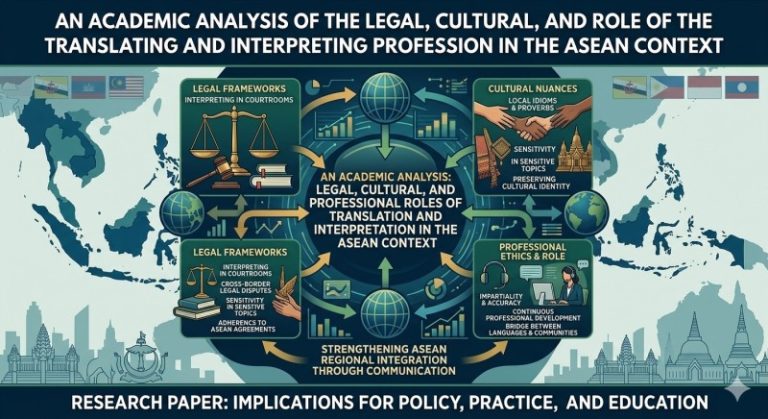
Thai Law for Foreigners: An Academic Analysis of Legal, Cultural, and Translation
Interpreting Professions in the ASEAN Context
Author: Phakaporn Tanjararak
20 April 2026, Bangkok – This article analyzes key aspects of the Thai legal framework that are particularly relevant to foreigners, with an emphasis on the interplay between law, culture, and practical enforcement. The discussion covers laws concerning the monarchy, public conduct and social media, identity verification, drug and cannabis regulations, as well as restrictions on property ownership and the use of vehicles. In addition, the article highlights the roles of certified translators, translation certification providers, and certified interpreters in Southeast Asia, whose contributions are crucial in minimizing linguistic and legal discrepancies. These roles, in turn, enhance fairness and transparency in legal processes involving foreign nationals.
Introduction
Thailand is one of the major destinations for tourists and expatriates in Southeast Asia. However, structural differences between the Thai legal system and Western legal systems, combined with Thailand’s distinctive cultural context, make understanding local laws essential. Research in comparative law and culture suggests that legal interpretation in Asian contexts is often closely tied to social and institutional values (Menski, 2018). Therefore, any analysis of Thai law should consider both statutory provisions and their broader socio-cultural context.
Laws Concerning the Monarchy and Restrictions on Expression
Thailand’s lèse-majesté law is among the most stringent legal provisions, encompassing actions, communications, and various forms of expression, including digital media. Its interpretation is broad and flexible, which may create uncertainty for foreigners unfamiliar with local cultural sensitivities (Streckfuss, 2011). This highlights the contrast between Western liberal notions of freedom of expression and the culturally rooted limitations present in Thai society.
Public Conduct, Social Media, and Legal Morality
The regulation of public behavior in Thailand reflects societal values of propriety and public order, extending to activities in digital spaces. Laws governing computer-related offenses impose liability on both content creators and distributors (Phongpaichit & Baker, 2016). Consequently, foreigners must exercise caution when using social media, as moral standards in Thailand may differ significantly from those in their home countries.
Identity Verification and Law Enforcement
Law enforcement in Thailand places strong emphasis on identity verification, particularly for foreign nationals. Carrying a passport or a copy thereof is considered essential practice. Failure to present identification may result in legal complications, reflecting a governance model that prioritizes close regulation and population management (Askew, 2002).
Drug and Cannabis Laws
Thailand maintains a strict policy toward narcotics, with severe penalties for possession and trafficking. Although cannabis laws were previously relaxed, recent developments indicate a return to tighter regulation, particularly regarding medical use and supply chain control (Arunmas, 2024). This policy shift demonstrates the dynamic nature of Thai law in response to political and social contexts.
Property Ownership and Transactional Constraints
Restrictions on land ownership by foreigners represent a key issue in Thai economic law, aimed at protecting national resources (Niffenegger et al., 2006). While nominee arrangements may exist in practice, they carry significant legal risks. This underscores the importance of legal advisors and language professionals in preventing misunderstandings in contractual agreements.
Traffic Laws and Vehicle Use by Foreigners
Motorcycle rental is a common activity among tourists; however, licensing requirements and safety regulations are strictly enforced. Police checkpoints serve as an important mechanism for monitoring compliance and preventing legal violations (Huguet & Chamratrithirong, 2011).
The Role of Certified Translators and Interpreters in the Thai Legal Context
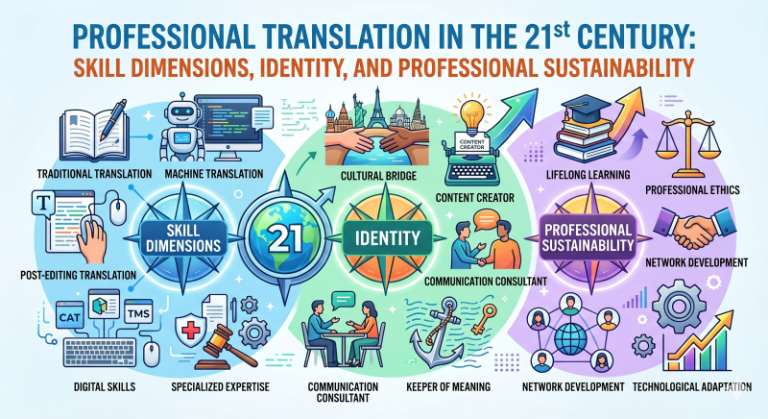
In a context where law and language are deeply interconnected, certified translators and certified interpreters play a crucial role in facilitating access to justice, particularly in court proceedings, contractual matters, and administrative interactions. Translation certification providers ensure the accuracy and reliability of documents, directly affecting judicial decisions and international transactions. At the regional level, professional associations of translators and interpreters in Southeast Asia contribute to setting professional standards, developing competencies, and promoting ethical practices. Translation studies research indicates that legal accuracy in translation depends not only on linguistic proficiency but also on an understanding of legal systems and cultural contexts (Cao, 2007; Šarčević, 1997). Thus, practitioners in this field function as “legal intermediaries,” reducing interpretive discrepancies and enhancing transparency in judicial processes.
Conclusion
Understanding Thai law for foreigners requires more than a reading of statutory texts; it necessitates consideration of cultural context and practical enforcement. This complexity underscores the critical role of translators and interpreters in bridging linguistic and legal gaps. The development of professional standards in the region is therefore essential in promoting justice and intercultural understanding in an increasingly globalized world.
References
- Arunmas, P. (2024). Thailand’s cannabis policy shift and regulatory implications. Bangkok Post.
- Askew, M. (2002). Bangkok: Place, practice and representation. Routledge.
- Cao, D. (2007). Translating law. Multilingual Matters.
- Huguet, J. W., & Chamratrithirong, A. (2011). Thailand migration report. International Organization for Migration.
- Menski, W. (2018). Comparative law in a global context: The legal systems of Asia and Africa. Cambridge University Press.
- Niffenegger, P., Kulviwat, S., & Engchanil, N. (2006). Conflicts and challenges in property ownership in Thailand. Journal of Property Investment & Finance, 24(3), 244–259.
- Phongpaichit, P., & Baker, C. (2016). Thailand’s political economy: The evolution of policy and institutions. Cambridge University Press.
- Šarčević, S. (1997). New approach to legal translation. Kluwer Law International.
- Streckfuss, D. (2011). Truth on trial in Thailand: Defamation, treason, and lèse-majesté. Routledge.
กฎหมายไทยสำหรับชาวต่างชาติ: การวิเคราะห์เชิงวิชาการด้านกฎหมาย วัฒนธรรม
และบทบาทของวิชาชีพการแปลและล่ามในบริบทอาเซียน
ผู้แต่ง: ภคพร ตันจรารักษ์
20 เมษายน 2569, กรุงเทพมหานคร – บทความนี้มุ่งวิเคราะห์กรอบกฎหมายไทยที่มีนัยสำคัญต่อชาวต่างชาติ โดยเน้นความสัมพันธ์ระหว่างกฎหมาย วัฒนธรรม และการบังคับใช้ในทางปฏิบัติ ประเด็นที่พิจารณา ได้แก่ กฎหมายเกี่ยวกับสถาบันพระมหากษัตริย์ พฤติกรรมสาธารณะและสื่อสังคมออนไลน์ การระบุตัวตน กฎหมายเกี่ยวกับสารเสพติดและกัญชา ตลอดจนข้อจำกัดด้านอสังหาริมทรัพย์และการใช้ยานพาหนะ นอกจากนี้ บทความยังเสนอให้เห็นบทบาทของนักแปลรับรอง ผู้ให้การรับรองงานแปล และล่ามรับรองในภูมิภาคเอเชียตะวันออกเฉียงใต้ ซึ่งมีส่วนสำคัญในการลดความคลาดเคลื่อนทางภาษาและกฎหมาย อันเป็นปัจจัยเสริมสร้างความยุติธรรมและความโปร่งใสในกระบวนการทางกฎหมายสำหรับชาวต่างชาติ
บทนำ
ประเทศไทยเป็นหนึ่งในประเทศปลายทางสำคัญของนักท่องเที่ยวและผู้พำนักชาวต่างชาติในภูมิภาคเอเชียตะวันออกเฉียงใต้ อย่างไรก็ตาม ความแตกต่างเชิงโครงสร้างระหว่างระบบกฎหมายไทยกับระบบกฎหมายของประเทศตะวันตก ประกอบกับบริบททางวัฒนธรรมที่มีลักษณะเฉพาะ ทำให้การทำความเข้าใจกฎหมายท้องถิ่นเป็นสิ่งจำเป็นอย่างยิ่ง งานวิจัยด้านกฎหมายเปรียบเทียบและวัฒนธรรมชี้ให้เห็นว่า การตีความกฎหมายในบริบทเอเชียมักสัมพันธ์กับค่านิยมทางสังคมและสถาบัน (เมนสกี, 2561)ดังนั้น การวิเคราะห์กฎหมายไทยจึงควรพิจารณาทั้งตัวบทกฎหมายและบริบททางสังคมควบคู่กัน
กฎหมายเกี่ยวกับสถาบันพระมหากษัตริย์และข้อจำกัดด้านการแสดงออก
กฎหมายหมิ่นพระบรมเดชานุภาพของไทยเป็นหนึ่งในบทบัญญัติที่มีความเข้มงวดสูง โดยครอบคลุมทั้งการกระทำ การสื่อสาร และการแสดงออกในรูปแบบต่าง ๆ รวมถึงในสื่อดิจิทัล การตีความกฎหมายดังกล่าวมีลักษณะกว้างและยืดหยุ่น ซึ่งอาจนำไปสู่ความไม่แน่นอนสำหรับชาวต่างชาติที่ไม่คุ้นเคยกับข้อจำกัดทางวัฒนธรรม (สเตร็คฟัสส์, 2554) ความสำคัญของประเด็นนี้อยู่ที่การตระหนักถึงความแตกต่างระหว่างเสรีภาพในการแสดงออกตามแนวคิดเสรีนิยมตะวันตกกับข้อจำกัดที่มีรากฐานจากบริบททางสังคมไทย
พฤติกรรมสาธารณะ สื่อสังคมออนไลน์ และศีลธรรมทางกฎหมาย
การควบคุมพฤติกรรมในที่สาธารณะของไทยสะท้อนแนวคิดเรื่อง “ความเหมาะสม” และ “ความสงบเรียบร้อย” ซึ่งรวมถึงกิจกรรมในโลกออนไลน์ กฎหมายที่เกี่ยวข้องกับคอมพิวเตอร์และสื่อดิจิทัลกำหนดความรับผิดทั้งต่อผู้สร้างและผู้เผยแพร่เนื้อหา (ผ่องไพจิตร และ เบเคอร์, 2559) ส่งผลให้ชาวต่างชาติต้องระมัดระวังการใช้สื่อสังคมออนไลน์ เนื่องจากมาตรฐานทางศีลธรรมในไทยอาจแตกต่างจากประเทศต้นทาง
การระบุตัวตนและการบังคับใช้กฎหมาย
ระบบการบังคับใช้กฎหมายไทยให้ความสำคัญกับการตรวจสอบตัวตน โดยเฉพาะในกรณีของชาวต่างชาติ การพกพาหนังสือเดินทางหรือสำเนาเอกสารจึงเป็นข้อปฏิบัติที่สำคัญ การขาดเอกสารอาจนำไปสู่กระบวนการทางกฎหมายที่ยุ่งยาก ซึ่งสะท้อนถึงลักษณะของรัฐที่เน้นการควบคุมและการบริหารจัดการประชากรอย่างใกล้ชิด (แอสคิว, 2545)
กฎหมายเกี่ยวกับสารเสพติดและกัญชา
ประเทศไทยมีนโยบายที่เข้มงวดต่อยาเสพติด โดยกำหนดบทลงโทษรุนแรงสำหรับการครอบครองและการค้ายาเสพติด แม้จะมีการผ่อนคลายกฎหมายกัญชาในช่วงหนึ่ง แต่แนวโน้มล่าสุดสะท้อนการกลับมาควบคุมอย่างเข้มงวด โดยเฉพาะในด้านการใช้เพื่อการแพทย์และการควบคุมห่วงโซ่อุปทาน (อรุณมาศ, 2567) ความเปลี่ยนแปลงเชิงนโยบายนี้แสดงให้เห็นถึงพลวัตของกฎหมายไทยที่อาจเปลี่ยนแปลงตามบริบททางการเมืองและสังคม
ข้อจำกัดด้านอสังหาริมทรัพย์และการทำธุรกรรม
ข้อจำกัดในการถือครองที่ดินของชาวต่างชาติในประเทศไทยเป็นประเด็นสำคัญในกฎหมายเศรษฐกิจ โดยมีจุดมุ่งหมายเพื่อปกป้องทรัพยากรของชาติ (นิฟเฟเนกเกอร์ และคณะ, 2549) การใช้ตัวแทนถือครองทรัพย์สินแม้จะพบในทางปฏิบัติ แต่มีความเสี่ยงทางกฎหมายสูง ซึ่งสะท้อนความจำเป็นในการมีที่ปรึกษากฎหมายและผู้เชี่ยวชาญด้านภาษาเพื่อป้องกันความเข้าใจผิดในสัญญา
กฎหมายจราจรและการใช้ยานพาหนะของชาวต่างชาติ
การเช่ารถจักรยานยนต์เป็นกิจกรรมที่แพร่หลายในหมู่นักท่องเที่ยว แต่ข้อกำหนดด้านใบอนุญาตและความปลอดภัยถูกบังคับใช้อย่างเข้มงวด ด่านตรวจของตำรวจทำหน้าที่เป็นกลไกสำคัญในการควบคุมและป้องกันการกระทำผิดกฎหมาย (ฮูเกต์ และ จำรัสฤทธิรงค์, 2554)
บทบาทของนักแปลรับรองและล่ามรับรองในบริบทกฎหมายไทย
ในบริบทที่กฎหมายและภาษาเชื่อมโยงกันอย่างลึกซึ้ง นักแปลรับรอง (certified translators) และล่ามรับรอง (certified interpreters) มีบทบาทสำคัญในการอำนวยความยุติธรรม โดยเฉพาะในกระบวนการศาล การทำสัญญา และการติดต่อราชการ ผู้ให้การรับรองการแปล (translation certification providers) ทำหน้าที่รับรองความถูกต้องและความน่าเชื่อถือของเอกสาร ซึ่งมีผลโดยตรงต่อการพิจารณาคดีและการทำธุรกรรมระหว่างประเทศ ในระดับภูมิภาค สมาคมวิชาชีพนักแปลและล่ามในเอเชียตะวันออกเฉียงใต้มีบทบาทในการกำหนดมาตรฐานวิชาชีพ พัฒนาทักษะ และส่งเสริมจริยธรรมในการแปลและล่าม งานวิจัยด้านการแปลชี้ให้เห็นว่า ความถูกต้องทางกฎหมายของการแปลไม่เพียงขึ้นอยู่กับความสามารถทางภาษา แต่ยังรวมถึงความเข้าใจระบบกฎหมายและวัฒนธรรม (เกา, 2550; ซาร์เชวิช, 2540) ดังนั้น ผู้ปฏิบัติงานในสาขานี้จึงเป็น “ตัวกลางเชิงกฎหมาย” ที่ช่วยลดความคลาดเคลื่อนในการตีความ และเพิ่มความโปร่งใสในกระบวนการยุติธรรม
สรุป
การทำความเข้าใจกฎหมายไทยสำหรับชาวต่างชาติไม่สามารถพิจารณาเฉพาะตัวบทกฎหมายได้ แต่ต้องพิจารณาร่วมกับบริบททางวัฒนธรรมและการบังคับใช้ในทางปฏิบัติ ความซับซ้อนดังกล่าวทำให้บทบาทของนักแปลและล่ามมีความสำคัญยิ่งในการเชื่อมช่องว่างทางภาษาและกฎหมาย การพัฒนามาตรฐานวิชาชีพในภูมิภาคจึงเป็นปัจจัยสำคัญในการสนับสนุนความยุติธรรมและความเข้าใจระหว่างวัฒนธรรมในยุคโลกาภิวัตน์
เอกสารอ้างอิง
- Arunmas, P. (2024). Thailand’s cannabis policy shift and regulatory implications. Bangkok Post.
- Askew, M. (2002). Bangkok: Place, practice and representation. Routledge.
- Cao, D. (2007). Translating law. Multilingual Matters.
- Huguet, J. W., & Chamratrithirong, A. (2011). Thailand migration report. International Organization for Migration.
- Menski, W. (2018). Comparative law in a global context: The legal systems of Asia and Africa. Cambridge University Press.
- Niffenegger, P., Kulviwat, S., & Engchanil, N. (2006). Conflicts and challenges in property ownership in Thailand. Journal of Property Investment & Finance, 24(3), 244–259.
- Phongpaichit, P., & Baker, C. (2016). Thailand’s political economy: The evolution of policy and institutions. Cambridge University Press.
- Šarčević, S. (1997). New approach to legal translation. Kluwer Law International.
- Streckfuss, D. (2011). Truth on trial in Thailand: Defamation, treason, and lèse-majesté. Routledge.
ติดต่อขอใช้บริการนักวิชาชีพของสมาคมได้ที่: https://www.seaproti.org/practitioners/
สมาคมวิชาชีพนักแปลและล่ามแห่งเอเชียตะวันออกเฉียงใต้ (SEAProTI) ได้ประกาศหลักเกณฑ์และคุณสมบัติของผู้ที่ขึ้นทะเบียนเป็น “นักแปลรับรอง (Certified Translators) และผู้รับรองการแปล (Translation Certification Providers) และล่ามรับรอง (Certified Interpreters)” ของสมาคม หมวดที่ 9 และหมวดที่ 10 ในราชกิจจานุเบกษา ของสำนักเลขาธิการคณะรัฐมนตรี ในสำนักนายกรัฐมนตรี แห่งราชอาณาจักรไทย ลงวันที่ 25 ก.ค. 2567 เล่มที่ 141 ตอนที่ 66 ง หน้า 100 อ่านฉบับเต็มได้ที่: นักแปลรับรอง ผู้รับรองการแปล และล่ามรับรอง
สำนักคณะกรรมการกฤษฎีกาเสนอให้ตราเป็นพระราชกฤษฎีกา โดยกำหนดให้นักแปลที่ขึ้นทะเบียน รวมถึงผู้รับรองการแปลจากสมาคมวิชาชีพหรือสถาบันสอนภาษาที่มีการอบรมและขึ้นทะเบียน สามารถรับรองคำแปลได้ (จดหมายถึงสมาคม SEAProTI ลงวันที่ 28 เม.ย. 2568)
สมาคมวิชาชีพนักแปลและล่ามแห่งเอเชียตะวันออกเฉียงใต้เป็นสมาคมวิชาชีพแห่งแรกและแห่งเดียวในประเทศไทยและภูมิภาคเอเชียตะวันออกเฉียงใต้ที่มีระบบรับรองนักแปลรับรอง ผู้รับรองการแปล และล่ามรับรอง
สำนักงานใหญ่: อาคารบ้านราชครู เลขที่ 33 ห้อง 402 ซอยพหลโยธิน 5 ถนนพหลโยธิน แขวงพญาไท เขตพญาไท กรุงเทพมหานคร 10400 ประเทศไทย
อีเมล: hello@seaproti.com โทรศัพท์: (+66) 2-114-3128 (เวลาทำการ: วันจันทร์–วันศุกร์ เวลา 09.00–17.00 น.