



Working as a Professional Translator in the 21st Century: Dimensions of Skills, Identity, and Professional Sustainability
Author: Griroek Gruaythong
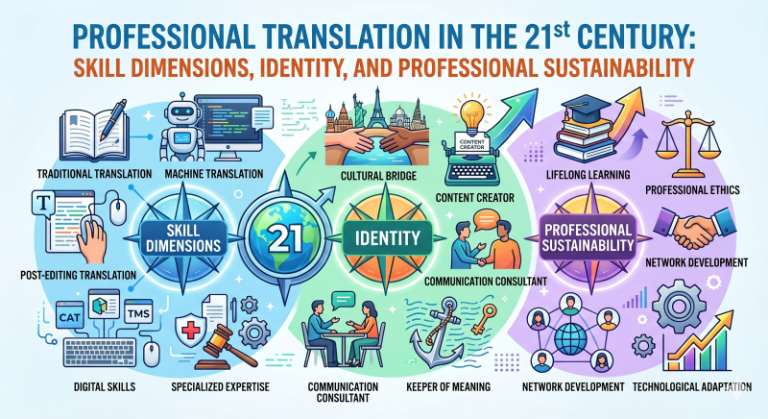
20 April 2026, Bangkok – In the field of translation studies, the question of what constitutes “professionalism” in translation remains a topic of ongoing scholarly interest. While professionalism is commonly associated with linguistic competence, cultural knowledge, and technological skills, a closer examination within the context of the contemporary labor market reveals that it encompasses additional, more complex dimensions. These include self-presentation, career management, and the ability to adapt to ongoing changes within the industry (Yılmaz-Gümüş, 2026).
Translation training programs at the tertiary level have continuously evolved to equip students with a wide range of competencies, including language proficiency, cultural awareness, technological literacy, and domain-specific knowledge. However, when graduates enter the professional market, they often realize that success is not determined solely by academic or technical skills. Rather, it is also shaped by the ability to construct a professional identity and to behave in a professional manner—areas that are still insufficiently addressed in many translation curricula (Yılmaz-Gümüş, 2026).
The book Working as a Professional Translator provides a practice-oriented analysis of how translators establish and develop their career paths in the 21st century. Instead of proposing a new theoretical framework, the work emphasizes real-world professional experiences. It aims to support translation students and early-career translators in entering the profession, maintaining career stability, and continuously developing their competencies (Yılmaz-Gümüş, 2026).
Regarding entry into the profession, the book highlights practical approaches to starting a career in translation, covering essential qualifications, job-search strategies, and professional networking. It also reflects the realities of the labor market, such as income instability in freelance work, realistic daily translation output, and ethical considerations, including the avoidance of soliciting clients from employers. These insights provide readers with a comprehensive understanding of the profession while mitigating idealized perceptions of career success (Yılmaz-Gümüş, 2026).
In terms of professional practice, the book outlines the translation workflow in a systematic manner, encompassing pre-production, production, and post-production stages. Particular attention is given to freelance translators, who must manage both client relationships and project workflows independently. The discussion of translation quality compares academic models with industry standards and is linked to functionalist approaches that emphasize the purpose of the target text. Additionally, the book addresses the role of technology, including machine translation and automation, which are reshaping the definition of professionalism in translation (Yılmaz-Gümüş, 2026).
With regard to professional development, the book underscores the importance of marketing skills and entrepreneurial thinking. It covers personal branding, business models, and appropriate marketing channels, alongside continuous professional development and translator well-being. Issues such as ergonomics, work-related stress, and screen fatigue are discussed, reflecting the human dimension of the profession and encouraging critical reflection on long-term career sustainability (Yılmaz-Gümüş, 2026).
A key strength of the book lies in its integration of practical knowledge with academic research and labor market data. For example, job advertisements and industry reports are used as sources for analyzing career trends. This approach helps bridge the gap between academia and professional practice while promoting mutually beneficial knowledge exchange (Yılmaz-Gümüş, 2026).
In conclusion, professionalism in translation in the 21st century is a multifaceted concept that extends beyond linguistic, cultural, and technological competencies. It also includes self-management, ethical awareness, and adaptability to industry changes. Working as a Professional Translator therefore plays a significant role in enhancing understanding of the profession and supporting the development of translators’ professional identity in an increasingly dynamic global context (Yılmaz-Gümüş, 2026).
References
- Yılmaz-Gümüş, V. (2026). Penet, J. C. (2024). Working as a Professional Translator. The Journal of Specialised Translation, 45(45), 218–221. https://doi.org/10.26034/cm.jostrans.2026.9332
For professional services, please visit: https://www.seaproti.org/practitioners/
About certified translators, translation certifiers, and certified interpreters associated with SEAProTI.
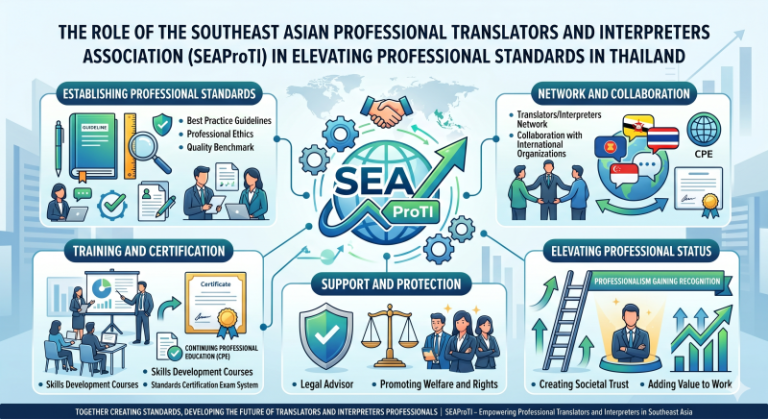
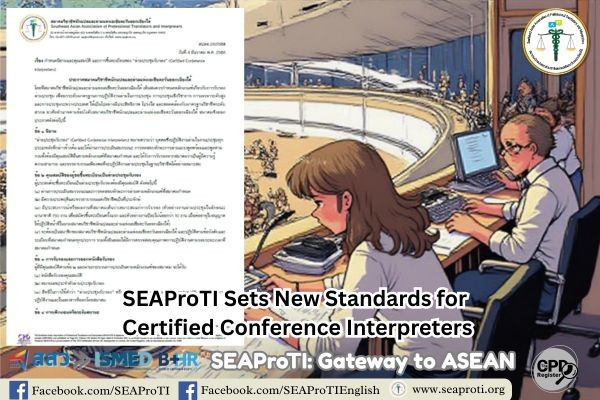
The Southeast Asian Association of Professional Translators and Interpreters (SEAProTI) has officially shared the qualifications and requirements for becoming Certified Translators, Translation Certification Providers, and Certified Interpreters in Sections 9 and 10 of the Royal Gazette, which was published by the Prime Minister’s Office in Thailand on July 25, 2024. Certified Translators, Translation Certification Providers, and Certified Interpreters
The Council of State has proposed the enactment of a Royal Decree, granting registered translators and recognised translation certifiers from professional associations or accredited language institutions the authority to provide legally valid translation certification (Letter to SEAProTI dated April 28, 2025)
SEAProTI is the first professional association in Thailand and Southeast Asia to implement a comprehensive certification system for translators, certifiers, and interpreters.
Head Office: Baan Ratchakru Building, No. 33, Room 402, Soi Phahonyothin 5, Phahonyothin Road, Phaya Thai District, Bangkok 10400, Thailand
Email: hello@seaproti.com | Tel.: (+66) 2-114-3128 (Office hours: Mon–Fri, 09:00–17:00).
การปฏิบัติงานในฐานะนักแปลมืออาชีพในศตวรรษที่ 21: มิติทักษะ อัตลักษณ์ และความยั่งยืนทางวิชาชีพ
ผู้แต่ง: ไกรฤกษ์ กรวยทอง
20 เมษายน 2569, กรุงเทพมหานคร – ในแวดวงการแปลศึกษา คำถามเกี่ยวกับความหมายของ “ความเป็นนักแปลมืออาชีพ” ยังคงเป็นประเด็นที่ได้รับความสนใจอย่างต่อเนื่อง แม้ว่าโดยทั่วไปจะมีการเชื่อมโยงความเป็นมืออาชีพเข้ากับความสามารถทางภาษา ความรู้ด้านวัฒนธรรม และทักษะด้านเทคโนโลยี แต่เมื่อพิจารณาในบริบทของตลาดแรงงานร่วมสมัย พบว่าความเป็นมืออาชีพดังกล่าวยังครอบคลุมถึงมิติอื่น ๆ ที่มีความซับซ้อนยิ่งขึ้น โดยเฉพาะความสามารถในการนำเสนอตนเอง การบริหารจัดการอาชีพ และการปรับตัวต่อการเปลี่ยนแปลงของอุตสาหกรรม (ยึลมาซ-กือมึช, 2026)
หลักสูตรฝึกอบรมนักแปลในระดับอุดมศึกษาได้มีการพัฒนาอย่างต่อเนื่องเพื่อเสริมสร้างสมรรถนะที่หลากหลายให้แก่ผู้เรียน ไม่ว่าจะเป็นด้านภาษา วัฒนธรรม เทคโนโลยี และความรู้เฉพาะสาขา อย่างไรก็ตาม เมื่อผู้เรียนเข้าสู่ตลาดแรงงานจริง มักพบว่าความสำเร็จในวิชาชีพไม่ได้ขึ้นอยู่กับทักษะเชิงวิชาการเพียงอย่างเดียว แต่ยังเกี่ยวข้องกับความสามารถในการสร้างภาพลักษณ์วิชาชีพและการปฏิบัติตนอย่างมืออาชีพ ซึ่งเป็นองค์ประกอบที่ยังได้รับความสำคัญไม่เพียงพอในหลักสูตรการแปล (ยึลมาซ-กือมึช, 2026)
หนังสือ Working as a Professional Translator นำเสนอการวิเคราะห์เชิงปฏิบัติเกี่ยวกับการสร้างและพัฒนาเส้นทางอาชีพของนักแปลในศตวรรษที่ 21 โดยเน้นการอธิบายจากประสบการณ์จริงของวิชาชีพมากกว่าการสร้างกรอบแนวคิดเชิงทฤษฎี ผู้เขียนมุ่งสนับสนุนนักศึกษาการแปลและนักแปลรุ่นใหม่ให้สามารถเข้าสู่วิชาชีพ รักษาเสถียรภาพในการทำงาน และพัฒนาศักยภาพของตนอย่างต่อเนื่อง (ยึลมาซ-กือมึช, 2026)
ในส่วนของการเข้าสู่วิชาชีพ หนังสือได้ให้ความสำคัญกับแนวทางเชิงปฏิบัติสำหรับการเริ่มต้นอาชีพนักแปล โดยครอบคลุมทั้งคุณสมบัติที่จำเป็น กลยุทธ์ในการหางาน และการสร้างเครือข่ายทางวิชาชีพ นอกจากนี้ ยังสะท้อนสภาพความเป็นจริงของตลาดแรงงาน เช่น ความไม่แน่นอนของรายได้ในการทำงานอิสระ ปริมาณงานแปลที่เหมาะสม และข้อพึงระวังด้านจริยธรรมในการประกอบอาชีพ เช่น การหลีกเลี่ยงการแย่งลูกค้าจากองค์กรต้นสังกัด แนวทางดังกล่าวช่วยให้ผู้อ่านเข้าใจบริบทของวิชาชีพอย่างรอบด้าน และลดการสร้างภาพอุดมคติของความสำเร็จในอาชีพ (ยึลมาซ-กือมึช, 2026)
ในมิติของการปฏิบัติงานจริง หนังสือได้อธิบายกระบวนการทำงานของนักแปลอย่างเป็นระบบ ตั้งแต่ขั้นตอนก่อนการผลิต ระหว่างการผลิต และหลังการผลิต โดยเฉพาะในบริบทของนักแปลอิสระที่ต้องรับผิดชอบทั้งการบริหารลูกค้าและการจัดการโครงการแปลด้วยตนเอง นอกจากนี้ ยังมีการอภิปรายประเด็นด้านคุณภาพการแปล โดยเปรียบเทียบระหว่างกรอบแนวคิดทางวิชาการกับมาตรฐานในอุตสาหกรรม และเชื่อมโยงกับแนวคิดหน้าที่นิยมที่เน้นความเหมาะสมของตัวบทปลายทางตามวัตถุประสงค์ของการใช้งาน อีกทั้งยังมีการกล่าวถึงบทบาทของเทคโนโลยี เช่น การแปลด้วยเครื่องและระบบอัตโนมัติ ซึ่งมีอิทธิพลต่อการนิยามความเป็นมืออาชีพในยุคปัจจุบัน (ยึลมาซ-กือมึช, 2026)
ในด้านการเติบโตทางวิชาชีพ หนังสือให้ความสำคัญกับการพัฒนาทักษะด้านการตลาดและความเป็นผู้ประกอบการ โดยครอบคลุมการสร้างแบรนด์ส่วนบุคคล การกำหนดรูปแบบธุรกิจ และการเลือกใช้ช่องทางการตลาดที่เหมาะสม ควบคู่ไปกับการพัฒนาวิชาชีพอย่างต่อเนื่องและการดูแลสุขภาวะของนักแปล ทั้งในด้านร่างกายและจิตใจ เช่น ปัญหาการยศาสตร์ ความเครียดจากงาน และความเหนื่อยล้าจากการทำงานหน้าจอเป็นเวลานาน การนำเสนอประสบการณ์จริงเหล่านี้ช่วยสะท้อนมิติด้านมนุษย์ของวิชาชีพ และเปิดโอกาสให้เกิดการไตร่ตรองเกี่ยวกับความยั่งยืนในการทำงาน (ยึลมาซ-กือมึช, 2026)
จุดเด่นของหนังสือเล่มนี้อยู่ที่การบูรณาการองค์ความรู้เชิงปฏิบัติเข้ากับงานวิจัยทางวิชาการและข้อมูลจากตลาดแรงงาน เช่น การใช้ประกาศรับสมัครงานและรายงานอุตสาหกรรมเป็นฐานข้อมูลในการวิเคราะห์แนวโน้มอาชีพ แนวทางดังกล่าวช่วยเชื่อมช่องว่างระหว่างโลกวิชาการกับโลกวิชาชีพ และส่งเสริมการพัฒนาความรู้ที่ตอบสนองต่อความต้องการของตลาดได้อย่างแท้จริง (ยึลมาซ-กือมึช, 2026)
โดยสรุป ความเป็นนักแปลมืออาชีพในศตวรรษที่ 21 เป็นแนวคิดที่มีความซับซ้อนและครอบคลุมหลายมิติ ไม่เพียงแต่ทักษะทางภาษา วัฒนธรรม และเทคโนโลยีเท่านั้น แต่ยังรวมถึงความสามารถในการบริหารจัดการตนเอง การตระหนักรู้ด้านจริยธรรม และการปรับตัวต่อการเปลี่ยนแปลงของอุตสาหกรรม หนังสือ Working as a Professional Translator จึงมีบทบาทสำคัญในการเสริมสร้างความเข้าใจเชิงลึกเกี่ยวกับวิชาชีพ และสนับสนุนการพัฒนาอัตลักษณ์ของนักแปลในบริบทโลกที่มีพลวัตสูง (ยึลมาซ-กือมึช, 2026)
บรรณานุกรม
- Yılmaz-Gümüş, V. (2026). Penet, J. C. (2024). Working as a Professional Translator. The Journal of Specialised Translation, 45(45), 218–221. https://doi.org/10.26034/cm.jostrans.2026.9332
ติดต่อขอใช้บริการนักวิชาชีพของสมาคมได้ที่: https://www.seaproti.org/practitioners/
สมาคมวิชาชีพนักแปลและล่ามแห่งเอเชียตะวันออกเฉียงใต้ (SEAProTI) ได้ประกาศหลักเกณฑ์และคุณสมบัติของผู้ที่ขึ้นทะเบียนเป็น “นักแปลรับรอง (Certified Translators) และผู้รับรองการแปล (Translation Certification Providers) และล่ามรับรอง (Certified Interpreters)” ของสมาคม หมวดที่ 9 และหมวดที่ 10 ในราชกิจจานุเบกษา ของสำนักเลขาธิการคณะรัฐมนตรี ในสำนักนายกรัฐมนตรี แห่งราชอาณาจักรไทย ลงวันที่ 25 ก.ค. 2567 เล่มที่ 141 ตอนที่ 66 ง หน้า 100 อ่านฉบับเต็มได้ที่: นักแปลรับรอง ผู้รับรองการแปล และล่ามรับรอง
สำนักคณะกรรมการกฤษฎีกาเสนอให้ตราเป็นพระราชกฤษฎีกา โดยกำหนดให้นักแปลที่ขึ้นทะเบียน รวมถึงผู้รับรองการแปลจากสมาคมวิชาชีพหรือสถาบันสอนภาษาที่มีการอบรมและขึ้นทะเบียน สามารถรับรองคำแปลได้ (จดหมายถึงสมาคม SEAProTI ลงวันที่ 28 เม.ย. 2568)
สมาคมวิชาชีพนักแปลและล่ามแห่งเอเชียตะวันออกเฉียงใต้เป็นสมาคมวิชาชีพแห่งแรกและแห่งเดียวในประเทศไทยและภูมิภาคเอเชียตะวันออกเฉียงใต้ที่มีระบบรับรองนักแปลรับรอง ผู้รับรองการแปล และล่ามรับรอง
สำนักงานใหญ่: อาคารบ้านราชครู เลขที่ 33 ห้อง 402 ซอยพหลโยธิน 5 ถนนพหลโยธิน แขวงพญาไท เขตพญาไท กรุงเทพมหานคร 10400 ประเทศไทย
อีเมล: hello@seaproti.com โทรศัพท์: (+66) 2-114-3128 (เวลาทำการ: วันจันทร์–วันศุกร์ เวลา 09.00–17.00 น.