


The Dispute Between Rodtang Jitmuangnon and ONE Championship in the Context of International Contract Law:
A Scholarly Analysis and Policy Recommendations
Author: Wanitcha Sumanat, President, Southeast Asian Association of Professional Translators and Interpreters (SEAProTI); Arbitrator; Mediator; Forensic Linguist
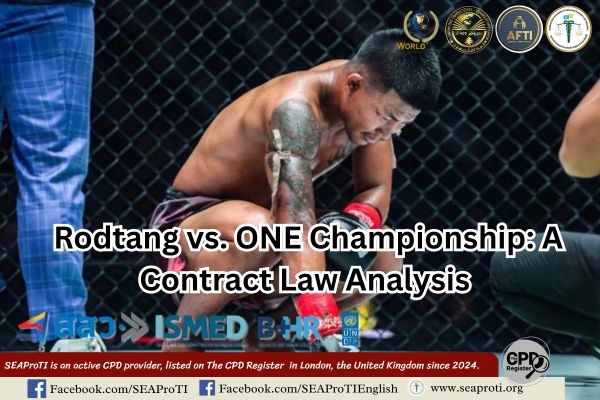
April 19, 2026, Bangkok – The dispute between Rodtang Jitmuangnon, a prominent Thai Muay Thai athlete, and ONE Championship represents a significant case study reflecting structural issues in international contract law, particularly within the professional sports industry. This sector often involves asymmetrical relationships between global corporate entities and individual athletes who possess comparatively limited bargaining power. The dispute emerged when the athlete raised concerns regarding the 2022 contract, specifically questioning both the authenticity of the document and his understanding of its contents. These claims were met with a formal response from ONE Championship, which affirmed the legality of the contract and emphasised that the signing process allowed for voluntary and informed consideration (ONE Championship, 2026).
From a factual perspective, the dispute may be analysed along two principal dimensions. The first concerns the validity of consent in contract formation, while the second addresses the fairness of the pre-contractual process. ONE Championship asserted that its contracts follow standardised terms applied uniformly to all athletes, that draft agreements are provided to gym managers for review, and that both athletes and their representatives are free to negotiate amendments. Furthermore, the organisation maintains that athletes may seek translation or legal consultation without time constraints prior to signing. Nevertheless, legal commentators have highlighted several uncontested facts acknowledged by both parties, including the absence of immediate delivery of signed contract copies to the athlete, the lack of a Thai-language version of the contract, the absence of an interpreter during the signing process, and the lack of access to Thai legal counsel at the time of execution (Tanong Sae-Jiew, 2026).
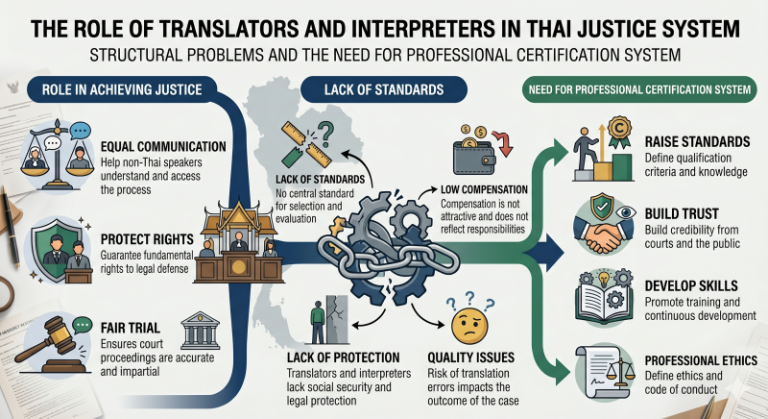
In legal theory, the central issue engages the doctrine of informed consent, a foundational principle underpinning the validity of contractual agreements (Farnsworth, 2004). The mere act of signing does not suffice to establish legally valid consent if the signatory lacks a meaningful understanding of the contract’s substance and legal implications. This concern is particularly acute in cases where contracts are drafted in a foreign language—especially legal English, which is characterized by technical complexity. The absence of supportive mechanisms such as translation, interpretation, or legal advisory services may result in informational asymmetry and unequal bargaining positions between contracting parties (Chen-Wishart, 2018).
The use of foreign languages in international contracts is widely recognised as standard practice in global commerce. However, language is not merely a neutral medium of communication; it is also an instrument of power that can reinforce structural inequalities (Tiersma, 1999). In situations where one party lacks proficiency in both the language and the legal system governing the contract, the absence of a translated Thai version significantly impairs the individual’s capacity to comprehend, evaluate, and make informed decisions. Thus, accurate translation should not be regarded as a matter of convenience but as an essential component of procedural fairness in contractual relationships.
Similarly, the absence of an interpreter or qualified professional to explain contractual terms at the moment of signing undermines the substantive validity of consent. Contracts in the professional sports industry often contain complex provisions, including arbitration clauses, jurisdictional stipulations, and restrictions on future professional activities. In this context, interpreters serve not only as linguistic facilitators but also as critical agents in conveying legal meaning and ensuring comprehension (Hale, 2004). The presence of legal counsel further enhances procedural fairness by providing an independent assessment of risks and safeguarding the interests of the weaker party.
This case, therefore, underscores the need for structural reforms and policy interventions aimed at mitigating asymmetries in international sports contracts. One potential approach is to classify combat sports promotion and gym management as regulated contract businesses under consumer protection frameworks. Such regulation could mandate the provision of bilingual contracts, require certified interpretation during contract execution, ensure access to independent legal advice, and obligate immediate delivery of signed copies to athletes. Additionally, restrictions should be considered regarding the imposition of foreign jurisdiction or arbitration clauses where such provisions impose disproportionate burdens on athletes.
In conclusion, the dispute between Rodtang Jitmuangnon and ONE Championship illustrates a broader systemic issue within international contract law, particularly concerning the imbalance of information and bargaining power. The legitimacy of a contract cannot be determined solely by the presence of a signature; rather, it must be evaluated in light of the signatory’s level of understanding and access to information. In an era of globalisation, where athletes increasingly participate in international markets, the development of equitable contractual standards is essential to ensure that fairness accompanies global opportunity.
References
- Chen-Wishart, M. (2018). Contract law (6th ed.). Oxford University Press.
- Farnsworth, E. A. (2004). Farnsworth on contracts (3rd ed.). Aspen Publishers.
- Hale, S. (2004). The discourse of court interpreting. John Benjamins Publishing.
- ONE Championship. (2026, April 18). Statement on athlete contracts.
- Tiersma, P. M. (1999). Legal language. University of Chicago Press.
- Tanong Sae-Jiew. (2026). Legal commentary on an athlete’s contract dispute.
For professional services, please visit: https://www.seaproti.org/practitioners/
About certified translators, translation certifiers, and certified interpreters associated with SEAProTI.
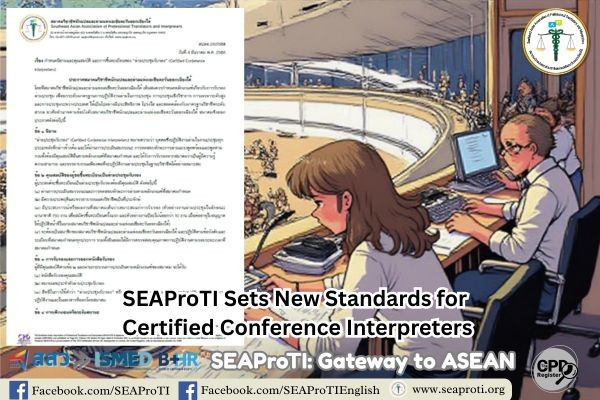
The Southeast Asian Association of Professional Translators and Interpreters (SEAProTI) has officially shared the qualifications and requirements for becoming Certified Translators, Translation Certification Providers, and Certified Interpreters in Sections 9 and 10 of the Royal Gazette, which was published by the Prime Minister’s Office in Thailand on July 25, 2024. Certified Translators, Translation Certification Providers, and Certified Interpreters
The Council of State has proposed the enactment of a Royal Decree, granting registered translators and recognised translation certifiers from professional associations or accredited language institutions the authority to provide legally valid translation certification (Letter to SEAProTI dated April 28, 2025)
SEAProTI is the first professional association in Thailand and Southeast Asia to implement a comprehensive certification system for translators, certifiers, and interpreters.
Head Office: Baan Ratchakru Building, No. 33, Room 402, Soi Phahonyothin 5, Phahonyothin Road, Phaya Thai District, Bangkok 10400, Thailand
Email: hello@seaproti.com | Tel.: (+66) 2-114-3128 (Office hours: Mon–Fri, 09:00–17:00).
ข้อพิพาท “รถถัง จิตรเมืองนนท์ กับ ONE Championship” ในมิติของกฎหมายสัญญาระหว่างประเทศ: การวิเคราะห์เชิงวิชาการและข้อเสนอเชิงนโยบาย
ผู้แต่ง วณิชชา สุมานัส นายกสมาคมวิชาชีพนักแปลและล่ามแห่งเอเชียตะวันออกเฉียงใต้ (SEAProTI) อนุญาโตตุลาการ ผู้ไกล่เกลี่ย และนักนิติภาษาศาสตร์วิชาชีพ
19 เมษายน 2569, กรุงเทพมหานคร – ข้อพิพาทระหว่าง “รถถัง จิตรเมืองนนท์” กับองค์กร ONE Championship เป็นกรณีศึกษาที่สะท้อนปัญหาเชิงโครงสร้างของกฎหมายสัญญาในบริบทข้ามชาติ โดยเฉพาะในอุตสาหกรรมกีฬาอาชีพที่มีความไม่สมดุลระหว่างองค์กรธุรกิจระดับโลกกับนักกีฬาในฐานะคู่สัญญาที่มีอำนาจต่อรองจำกัด กรณีดังกล่าวเริ่มต้นจากการที่นักกีฬาได้ตั้งข้อสงสัยเกี่ยวกับสัญญาฉบับปี ค.ศ. 2022 ทั้งในประเด็นความถูกต้องของเอกสารและความเข้าใจในเนื้อหาสัญญา ซึ่งนำไปสู่การโต้แย้งจากฝ่ายองค์กรที่ยืนยันถึงความชอบด้วยกฎหมายของสัญญาและกระบวนการที่เปิดโอกาสให้มีการพิจารณาโดยสมัครใจ (ONE Championship, 2026)
ในเชิงข้อเท็จจริง ข้อพิพาทดังกล่าวสามารถจำแนกได้เป็นสองมิติหลัก ได้แก่ มิติแรกคือความถูกต้องของการแสดงเจตนาในการทำสัญญา และมิติที่สองคือความเป็นธรรมของกระบวนการก่อนการลงนาม ฝ่าย ONE Championship ได้แถลงว่าการทำสัญญามีลักษณะเป็นมาตรฐานเดียวกันกับนักกีฬาทุกคน มีการส่งร่างสัญญาให้หัวหน้าค่ายพิจารณา และเปิดโอกาสให้มีการเจรจาแก้ไขโดยเสรี อีกทั้งนักกีฬาสามารถนำสัญญาไปแปลหรือปรึกษาผู้เชี่ยวชาญได้โดยไม่จำกัดเวลา อย่างไรก็ตาม นักกฎหมายบางส่วนได้ตั้งข้อสังเกตจากข้อเท็จจริงที่ทั้งสองฝ่ายมิได้โต้แย้งร่วมกัน ได้แก่ การไม่พบการส่งมอบสำเนาสัญญาแก่คู่สัญญาในขณะลงนาม การไม่มีสัญญาฉบับแปลภาษาไทย การไม่มีล่ามอธิบายสัญญา และการไม่มีนักกฎหมายไทยให้คำปรึกษา (ทนงค์ แซ่จิ๋ว, 2569)
เมื่อพิจารณาในเชิงหลักกฎหมายสัญญา หลักการสำคัญที่เกี่ยวข้องคือ “ความยินยอมโดยรู้ข้อมูลครบถ้วน” (informed consent) ซึ่งเป็นองค์ประกอบพื้นฐานของความสมบูรณ์แห่งนิติกรรม (Farnsworth, 2004) การลงลายมือชื่อเพียงอย่างเดียวไม่เพียงพอที่จะถือว่าคู่สัญญาได้แสดงเจตนาโดยสมบูรณ์ หากปราศจากความเข้าใจในสาระสำคัญและผลทางกฎหมายของสัญญา โดยเฉพาะในกรณีที่สัญญาถูกจัดทำขึ้นเป็นภาษาต่างประเทศที่มีลักษณะเฉพาะทางและซับซ้อน การขาดกลไกสนับสนุน เช่น คำแปล ล่าม หรือที่ปรึกษากฎหมาย อาจนำไปสู่ความไม่สมดุลของข้อมูลและอำนาจในการต่อรอง (Chen-Wishart, 2018)
การใช้ภาษาต่างประเทศในสัญญาระหว่างประเทศเป็นแนวปฏิบัติมาตรฐานในทางธุรกิจ อย่างไรก็ตาม ภาษาไม่ได้เป็นเพียงเครื่องมือสื่อสาร แต่ยังเป็นกลไกที่สะท้อนและสร้างความสัมพันธ์เชิงอำนาจ (Tiersma, 1999) ในบริบทที่คู่สัญญาฝ่ายหนึ่งไม่มีความเชี่ยวชาญด้านภาษาและกฎหมาย การไม่มีสัญญาฉบับแปลภาษาไทยย่อมส่งผลกระทบต่อความสามารถในการรับรู้ข้อมูลและการตัดสินใจอย่างมีเหตุผล การมีคำแปลที่ถูกต้องจึงไม่ใช่เพียงเรื่องของความสะดวก แต่เป็นองค์ประกอบของความเป็นธรรมในกระบวนการทำสัญญา
ในทำนองเดียวกัน การไม่มีล่ามหรือผู้เชี่ยวชาญอ่านและอธิบายสัญญาให้ฟังในขณะลงนาม ย่อมทำให้การแสดงเจตนาขาดความสมบูรณ์ในเชิงเนื้อหา โดยเฉพาะในสัญญาที่มีเงื่อนไขซับซ้อน เช่น ข้อกำหนดเกี่ยวกับอนุญาโตตุลาการ เขตอำนาจศาล หรือข้อจำกัดในสิทธิทางอาชีพในอนาคต ล่ามในบริบทนี้จึงทำหน้าที่มากกว่าการแปลภาษา หากแต่เป็นกลไกในการถ่ายทอดความหมายทางกฎหมายและลดช่องว่างของความเข้าใจ (Hale, 2004) ขณะเดียวกัน การมีนักกฎหมายให้คำปรึกษาก่อนการลงนามยังเป็นกลไกสำคัญในการสร้างความสมดุลระหว่างคู่สัญญา และช่วยให้การตัดสินใจตั้งอยู่บนฐานของข้อมูลที่ครบถ้วนและถูกต้อง
จากกรณีศึกษานี้ จึงนำไปสู่ข้อเสนอเชิงนโยบายที่มุ่งลดความไม่สมดุลเชิงโครงสร้างในสัญญากีฬาอาชีพระหว่างประเทศ โดยควรกำหนดให้ธุรกิจค่ายมวยและการจัดการแข่งขันเป็น “ธุรกิจที่ควบคุมสัญญา” ภายใต้การกำกับของรัฐ อาทิ สำนักงานคณะกรรมการคุ้มครองผู้บริโภค รวมถึงการกำหนดให้มีสัญญาฉบับภาษาไทยควบคู่กับภาษาต่างประเทศ การบังคับให้มีการอธิบายสัญญาโดยล่ามหรือผู้เชี่ยวชาญก่อนลงนาม การรับรองสิทธิในการเข้าถึงคำปรึกษาทางกฎหมาย และการกำหนดให้ต้องส่งมอบสำเนาสัญญาแก่คู่สัญญาในทันที นอกจากนี้ ควรมีการจำกัดการกำหนดเขตอำนาจศาลหรือสถานที่ระงับข้อพิพาทในต่างประเทศ หากเงื่อนไขดังกล่าวก่อให้เกิดภาระเกินสมควรแก่คู่สัญญาฝ่ายที่อ่อนแอกว่า
โดยสรุป ข้อพิพาทระหว่างรถถังและ ONE Championship เป็นตัวอย่างที่ชัดเจนของปัญหาความไม่สมดุลในกฎหมายสัญญาระหว่างประเทศ ซึ่งสะท้อนให้เห็นว่าความยุติธรรมในสัญญาไม่ได้ขึ้นอยู่กับการมีลายมือชื่อเพียงอย่างเดียว หากแต่ต้องพิจารณาถึงระดับของความเข้าใจและความสามารถในการเข้าถึงข้อมูลของคู่สัญญา ในบริบทของโลกาภิวัตน์ การยกระดับมาตรฐานความเป็นธรรมในสัญญาจึงเป็นสิ่งจำเป็นเพื่อให้สอดคล้องกับการพัฒนาในภาคธุรกิจและกีฬาในระดับสากล
เอกสารอ้างอิง
- Chen-Wishart, M. (2018). Contract law (6th ed.). Oxford University Press.
- Farnsworth, E. A. (2004). Farnsworth on contracts (3rd ed.). Aspen Publishers.
- Hale, S. (2004). The discourse of court interpreting. John Benjamins Publishing.
- ONE Championship. (2026, April 18). แถลงการณ์เกี่ยวกับสัญญานักกีฬา.
- Tiersma, P. M. (1999). Legal language. University of Chicago Press.
- ทนงค์ แซ่จิ๋ว. (2569). ความเห็นทางกฎหมายเกี่ยวกับกรณีสัญญานักกีฬา.
ติดต่อขอใช้บริการนักวิชาชีพของสมาคมได้ที่: https://www.seaproti.org/practitioners/
สมาคมวิชาชีพนักแปลและล่ามแห่งเอเชียตะวันออกเฉียงใต้ (SEAProTI) ได้ประกาศหลักเกณฑ์และคุณสมบัติของผู้ที่ขึ้นทะเบียนเป็น “นักแปลรับรอง (Certified Translators) และผู้รับรองการแปล (Translation Certification Providers) และล่ามรับรอง (Certified Interpreters)” ของสมาคม หมวดที่ 9 และหมวดที่ 10 ในราชกิจจานุเบกษา ของสำนักเลขาธิการคณะรัฐมนตรี ในสำนักนายกรัฐมนตรี แห่งราชอาณาจักรไทย ลงวันที่ 25 ก.ค. 2567 เล่มที่ 141 ตอนที่ 66 ง หน้า 100 อ่านฉบับเต็มได้ที่: นักแปลรับรอง ผู้รับรองการแปล และล่ามรับรอง
สำนักคณะกรรมการกฤษฎีกาเสนอให้ตราเป็นพระราชกฤษฎีกา โดยกำหนดให้นักแปลที่ขึ้นทะเบียน รวมถึงผู้รับรองการแปลจากสมาคมวิชาชีพหรือสถาบันสอนภาษาที่มีการอบรมและขึ้นทะเบียน สามารถรับรองคำแปลได้ (จดหมายถึงสมาคม SEAProTI ลงวันที่ 28 เม.ย. 2568)
สมาคมวิชาชีพนักแปลและล่ามแห่งเอเชียตะวันออกเฉียงใต้เป็นสมาคมวิชาชีพแห่งแรกและแห่งเดียวในประเทศไทยและภูมิภาคเอเชียตะวันออกเฉียงใต้ที่มีระบบรับรองนักแปลรับรอง ผู้รับรองการแปล และล่ามรับรอง
สำนักงานใหญ่: อาคารบ้านราชครู เลขที่ 33 ห้อง 402 ซอยพหลโยธิน 5 ถนนพหลโยธิน แขวงพญาไท เขตพญาไท กรุงเทพมหานคร 10400 ประเทศไทย
อีเมล: hello@seaproti.com โทรศัพท์: (+66) 2-114-3128 (เวลาทำการ: วันจันทร์–วันศุกร์ เวลา 09.00–17.00 น.