



Legal Effects of Claiming Non-Understanding of a Foreign-Language Contract and Continuous Performance: An Analysis under Thai Law
Author: Wanitcha Sumanat, President, Southeast Asian Professional Translators and Interpreters Association (SEAProTI), Arbitrator, Mediator, and Forensic Linguist
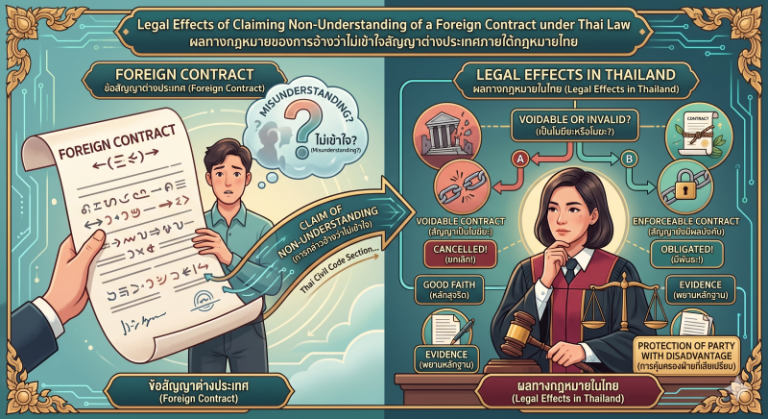
April 19, 2026, Bangkok – This article examines legal issues arising from the execution of contracts drafted in a foreign language, where a signatory later claims عدم understanding of the contract’s content but has continued to perform under the contract over a prolonged period. Under Thai law, courts do not consider the claim of “not understanding the language” in isolation; rather, they assess the overall circumstances of the contracting parties, including the principle of intention, the doctrine of constructive knowledge, and post-contractual conduct. The study suggests that continuous performance under a contract tends to lead courts to interpret such conduct as implied acceptance, even where the contract is written in a foreign language. Nevertheless, exceptions remain in cases involving fraud, concealment of material facts, or severe unfairness.
Introduction
In the context of globalization, contracts involving multiple languages and cultures have become increasingly common, particularly in international business and cross-border labor arrangements. A frequent issue arises when one party signs a contract written in a foreign language without fully understanding its contents and subsequently seeks to deny being bound by it. The key legal question is the extent to which Thai law recognizes such a claim, especially when the party has continued to perform under the contract over a significant period.
Principle of Intention and Binding Nature of Contracts
Under the Thai Civil and Commercial Code, the formation of a contract depends on the voluntary expression of intent by the contracting parties, and there is no requirement that a contract be written in any specific language. Therefore, the fact that a contract is drafted in a foreign language does not render it void per se. The act of signing a document is generally regarded as an expression of intent to accept the contract’s terms, unless it can be proven that such intent was defective, for example, due to fraud or a fundamental mistake.
Claim of Non-Understanding and the Doctrine of Constructive Knowledge
A claim that a party did not understand the language of the contract is, by itself, insufficient to invalidate the contract. Thai courts typically consider additional factors, such as whether the signatory had an opportunity to request a translation or explanation, whether there were constraints preventing comprehension, and whether the conduct reflects negligence. The doctrine of constructive knowledge plays a significant role: if a person could reasonably have exercised due diligence, such as requesting a translation, but failed to do so, the court is likely to regard the lack of understanding as a result of the individual’s own fault.
Subsequent Conduct and Implied Acceptance
Post-contractual conduct is a crucial factor in judicial assessment. Continuous performance under the contract, such as working in accordance with its terms, receiving wages, or enjoying contractual benefits over an extended period, may be interpreted as implied acceptance or ratification. Even if there were initial doubts about comprehension, the absence of objection and continued performance significantly weakens the credibility of a later claim of non-understanding.
Effect of Time and Prescription Periods
In cases where a contract is voidable, such as those involving mistake or fraud, the law requires the aggrieved party to exercise the right of rescission within a prescribed period. Failure to act within such time may result in the loss of the right due to prescription or may be interpreted as an implied affirmation of the contract. Accordingly, prolonged inaction without objection substantially diminishes the likelihood of successfully claiming that the contract is not binding.
Exceptions Where the Contract May Not Be Binding
Although the general principle does not favor invalidating a contract based solely on language non-understanding, there are circumstances in which courts may declare a contract void or voidable. These include cases of fraud regarding the contract’s terms, intentional concealment of material facts, fundamental mistake, or grossly unfair contracts, or those involving a clear imbalance of bargaining power. However, such claims must be supported by clear evidence, including documentary proof, witness testimony, or surrounding circumstances, rather than mere assertions.
Conclusion
Signing a foreign-language contract while claiming عدم understanding is not, in itself, sufficient to render the contract non-binding, particularly when the signatory has continuously performed under the contract. Thai courts are likely to find that the party has expressed intent to be bound, had the opportunity to verify or request translation, but failed to do so, and has confirmed the contractual relationship through continued performance. Thai law thus seeks to protect genuinely disadvantaged parties while not extending protection to those who negligently fail to safeguard their own rights without reasonable cause.
References
- Council of State. (2021). Civil and Commercial Code. Bangkok: Winyuchon Publishing.
- Chitti Tingsabadh. (2012). Explanation of juristic acts and contracts. Bangkok: Thammasat University Press.
- Somyos Chueathai. (2017). Principles of civil law: Juristic acts. Bangkok: Winyuchon Publishing.
- McKendrick, E. (2019). Contract law: Text, cases, and materials (8th ed.). Oxford: Oxford University Press.
- Poole, J. (2020). Textbook on contract law (15th ed.). Oxford: Oxford University Press.
For professional services, please visit: https://www.seaproti.org/practitioners/
About certified translators, translation certifiers, and certified interpreters associated with SEAProTI.
The Southeast Asian Association of Professional Translators and Interpreters (SEAProTI) has officially shared the qualifications and requirements for becoming Certified Translators, Translation Certification Providers, and Certified Interpreters in Sections 9 and 10 of the Royal Gazette, which was published by the Prime Minister’s Office in Thailand on July 25, 2024. Certified Translators, Translation Certification Providers, and Certified Interpreters
The Council of State has proposed the enactment of a Royal Decree, granting registered translators and recognised translation certifiers from professional associations or accredited language institutions the authority to provide legally valid translation certification (Letter to SEAProTI dated April 28, 2025)
SEAProTI is the first professional association in Thailand and Southeast Asia to implement a comprehensive certification system for translators, certifiers, and interpreters.
Head Office: Baan Ratchakru Building, No. 33, Room 402, Soi Phahonyothin 5, Phahonyothin Road, Phaya Thai District, Bangkok 10400, Thailand
Email: hello@seaproti.com | Tel.: (+66) 2-114-3128 (Office hours: Mon–Fri, 09:00–17:00).
ผลทางกฎหมายของการอ้างว่าได้ลงนามในสัญญาภาษาต่างประเทศโดยไม่เข้าใจ และการปฏิบัติตามสัญญาอย่างต่อเนื่อง: การวิเคราะห์ตามหลักกฎหมายไทย
ผู้แต่ง วณิชชา สุมานัส นายกสมาคมวิชาชีพนักแปลและล่ามแห่งเอเชียตะวันออกเฉียงใต้ (SEAProTI) อนุญาโตตุลาการ ผู้ไกล่เกลี่ย และนักนิติภาษาศาสตร์วิชาชีพ
19 เมษายน 2569, กรุงเทพมหานคร – บทความนี้มุ่งศึกษาปัญหาทางกฎหมายเกี่ยวกับการลงนามในสัญญาที่จัดทำเป็นภาษาต่างประเทศ โดยผู้ลงนามอ้างว่าไม่เข้าใจเนื้อหาของสัญญา แต่ยังคงปฏิบัติตามสัญญาอย่างต่อเนื่องเป็นระยะเวลานาน ภายใต้กฎหมายไทย ศาลมิได้พิจารณาเพียงข้ออ้างเรื่องการไม่เข้าใจภาษาเท่านั้น หากแต่ให้ความสำคัญกับพฤติการณ์โดยรวมของคู่สัญญา อาทิ หลักการแสดงเจตนา หลัก “รู้หรือควรรู้” และพฤติกรรมภายหลังการทำสัญญา ผลการศึกษาชี้ให้เห็นว่า การปฏิบัติตามสัญญาอย่างต่อเนื่องมีแนวโน้มทำให้ศาลตีความว่าเป็นการยอมรับสัญญาโดยปริยาย แม้สัญญาจะจัดทำเป็นภาษาต่างประเทศ อย่างไรก็ตาม ยังคงมีข้อยกเว้นในกรณีที่มีการหลอกลวง การปกปิดสาระสำคัญ หรือความไม่เป็นธรรมอย่างร้ายแรง
บทนำ
ในบริบทของเศรษฐกิจโลกาภิวัตน์ การทำสัญญาที่เกี่ยวข้องกับหลายภาษาและหลายวัฒนธรรมกลายเป็นเรื่องปกติ โดยเฉพาะในภาคธุรกิจระหว่างประเทศและแรงงานข้ามชาติ อย่างไรก็ดี ปัญหาที่พบได้บ่อยคือ คู่สัญญาฝ่ายหนึ่งลงนามในสัญญาที่เป็นภาษาต่างประเทศโดยไม่ได้เข้าใจเนื้อหาอย่างแท้จริง และต่อมาประสงค์จะปฏิเสธความผูกพันตามสัญญา ประเด็นสำคัญจึงอยู่ที่ว่า กฎหมายไทยให้ความสำคัญกับข้ออ้างดังกล่าวเพียงใด โดยเฉพาะเมื่อมีการปฏิบัติตามสัญญาอย่างต่อเนื่องเป็นเวลานาน
หลักการแสดงเจตนาและความผูกพันของสัญญา
ตามหลักกฎหมายแพ่งและพาณิชย์ของไทย การเกิดขึ้นของสัญญาขึ้นอยู่กับการแสดงเจตนาโดยสมัครใจของคู่สัญญา มิได้กำหนดว่าสัญญาจะต้องจัดทำเป็นภาษาใด ดังนั้น การที่สัญญาเป็นภาษาต่างประเทศจึงไม่เป็นเหตุให้สัญญาเป็นโมฆะโดยตัวของมันเอง การลงลายมือชื่อในเอกสารถือเป็นการแสดงเจตนายอมรับเนื้อหาของสัญญา เว้นแต่จะสามารถพิสูจน์ได้ว่าการแสดงเจตนาดังกล่าวมีข้อบกพร่อง เช่น เกิดจากการถูกหลอกลวงหรือการสำคัญผิดในสาระสำคัญของนิติกรรม
การอ้างว่าไม่เข้าใจภาษาและหลัก “รู้หรือควรรู้”
การอ้างว่าไม่เข้าใจภาษาที่ใช้ในสัญญาเพียงอย่างเดียวไม่เพียงพอที่จะทำให้สัญญาไม่มีผลผูกพัน ศาลไทยมักพิจารณาปัจจัยแวดล้อมอื่นร่วมด้วย เช่น ผู้ลงนามมีโอกาสขอคำแปลหรือคำอธิบายหรือไม่ มีข้อจำกัดที่ทำให้ไม่สามารถเข้าใจเนื้อหาได้หรือไม่ และพฤติการณ์ดังกล่าวสะท้อนถึงความประมาทเลินเล่อหรือไม่ หลัก “รู้หรือควรรู้” (constructive knowledge) มีบทบาทสำคัญในบริบทนี้ กล่าวคือ หากบุคคลสามารถใช้ความระมัดระวังตามสมควร เช่น ขอให้มีการแปลสัญญา แต่กลับไม่ดำเนินการ ศาลมักถือว่าความไม่เข้าใจนั้นเป็นผลจากความบกพร่องของตนเอง
พฤติการณ์ภายหลังและการยอมรับโดยปริยาย
พฤติการณ์ภายหลังการทำสัญญาเป็นองค์ประกอบสำคัญที่ศาลใช้ในการวินิจฉัย โดยเฉพาะการปฏิบัติตามสัญญาอย่างต่อเนื่อง เช่น การทำงานตามสัญญา การรับค่าจ้าง หรือการรับประโยชน์อื่นเป็นระยะเวลานาน พฤติการณ์ดังกล่าวอาจตีความได้ว่าเป็นการยอมรับสัญญาโดยปริยาย (implied acceptance) หรือเป็นการให้สัตยาบันภายหลัง (ratification) แม้ในระยะแรกผู้ลงนามอาจมีข้อสงสัยเกี่ยวกับความเข้าใจในเนื้อหาสัญญา แต่การไม่ทักท้วงและยังคงปฏิบัติตามสัญญาย่อมลดน้ำหนักของข้ออ้างดังกล่าวอย่างมีนัยสำคัญ
ผลของระยะเวลาและอายุความ
ในกรณีที่สัญญาอาจเป็นโมฆียะ เช่น เกิดจากความสำคัญผิดหรือการถูกหลอกลวง กฎหมายกำหนดให้ผู้มีสิทธิต้องใช้สิทธิบอกล้างภายในระยะเวลาที่กำหนด หากปล่อยให้ระยะเวลาผ่านไปโดยไม่ดำเนินการ สิทธิในการบอกล้างอาจขาดอายุความ หรืออาจถูกตีความว่าเป็นการยอมรับสัญญาโดยปริยาย ดังนั้น ระยะเวลาที่ยาวนานโดยไม่มีการโต้แย้งถือเป็นปัจจัยสำคัญที่ลดโอกาสในการอ้างว่าสัญญาไม่มีผลผูกพัน
ข้อยกเว้นที่อาจทำให้สัญญาไม่ผูกพัน
แม้หลักทั่วไปจะไม่เอื้อให้การอ้างว่าไม่เข้าใจภาษาเป็นเหตุให้สัญญาเป็นโมฆะ แต่ยังมีกรณีที่ศาลอาจพิจารณาให้สัญญาไม่มีผลหรือเป็นโมฆียะ ได้แก่ การถูกหลอกลวงเกี่ยวกับเนื้อหาสัญญา การปกปิดสาระสำคัญโดยเจตนา การสำคัญผิดในสาระสำคัญของนิติกรรม รวมถึงกรณีที่สัญญามีความไม่เป็นธรรมอย่างร้ายแรงหรือมีความไม่สมดุลของอำนาจต่อรองอย่างชัดเจน อย่างไรก็ตาม การอ้างเหตุเหล่านี้จำเป็นต้องมีพยานหลักฐานที่ชัดเจน เช่น เอกสาร พยานบุคคล หรือพฤติการณ์แวดล้อม มิใช่เพียงคำกล่าวอ้าง
สรุป
การลงนามในสัญญาภาษาต่างประเทศโดยอ้างว่าไม่เข้าใจเนื้อหา มิใช่เหตุเพียงพอที่จะทำให้สัญญาไม่มีผลผูกพัน โดยเฉพาะอย่างยิ่งเมื่อผู้ลงนามได้ปฏิบัติตามสัญญาอย่างต่อเนื่อง ศาลไทยมีแนวโน้มพิจารณาว่าผู้ลงนามได้แสดงเจตนายอมรับสัญญาแล้ว มีโอกาสตรวจสอบหรือขอคำแปลแต่ไม่ได้ใช้สิทธิ และการปฏิบัติตามสัญญาอย่างต่อเนื่องเป็นการยืนยันความผูกพัน ดังนั้น กฎหมายไทยมุ่งคุ้มครองผู้ที่ถูกเอาเปรียบโดยแท้จริง แต่ไม่คุ้มครองผู้ที่ละเลยหน้าที่ในการตรวจสอบสิทธิของตนเองโดยไม่มีเหตุอันสมควร
เอกสารอ้างอิง
- คณะกรรมการกฤษฎีกา. (2564). ประมวลกฎหมายแพ่งและพาณิชย์. กรุงเทพมหานคร: สำนักพิมพ์วิญญูชน.
- จิตติ ติงศภัทิย์. (2555). คำอธิบายกฎหมายลักษณะนิติกรรมและสัญญา. กรุงเทพมหานคร: สำนักพิมพ์มหาวิทยาลัยธรรมศาสตร์.
- สมยศ เชื้อไทย. (2560). หลักกฎหมายแพ่งลักษณะนิติกรรม. กรุงเทพมหานคร: วิญญูชน.
- McKendrick, E. (2019). Contract law: Text, cases, and materials (8th ed.). Oxford: Oxford University Press.
- Poole, J. (2020). Textbook on contract law (15th ed.). Oxford: Oxford University Press.
ติดต่อขอใช้บริการนักวิชาชีพของสมาคมได้ที่: https://www.seaproti.org/practitioners/
สมาคมวิชาชีพนักแปลและล่ามแห่งเอเชียตะวันออกเฉียงใต้ (SEAProTI) ได้ประกาศหลักเกณฑ์และคุณสมบัติของผู้ที่ขึ้นทะเบียนเป็น “นักแปลรับรอง (Certified Translators) และผู้รับรองการแปล (Translation Certification Providers) และล่ามรับรอง (Certified Interpreters)” ของสมาคม หมวดที่ 9 และหมวดที่ 10 ในราชกิจจานุเบกษา ของสำนักเลขาธิการคณะรัฐมนตรี ในสำนักนายกรัฐมนตรี แห่งราชอาณาจักรไทย ลงวันที่ 25 ก.ค. 2567 เล่มที่ 141 ตอนที่ 66 ง หน้า 100 อ่านฉบับเต็มได้ที่: นักแปลรับรอง ผู้รับรองการแปล และล่ามรับรอง
สำนักคณะกรรมการกฤษฎีกาเสนอให้ตราเป็นพระราชกฤษฎีกา โดยกำหนดให้นักแปลที่ขึ้นทะเบียน รวมถึงผู้รับรองการแปลจากสมาคมวิชาชีพหรือสถาบันสอนภาษาที่มีการอบรมและขึ้นทะเบียน สามารถรับรองคำแปลได้ (จดหมายถึงสมาคม SEAProTI ลงวันที่ 28 เม.ย. 2568)
สมาคมวิชาชีพนักแปลและล่ามแห่งเอเชียตะวันออกเฉียงใต้เป็นสมาคมวิชาชีพแห่งแรกและแห่งเดียวในประเทศไทยและภูมิภาคเอเชียตะวันออกเฉียงใต้ที่มีระบบรับรองนักแปลรับรอง ผู้รับรองการแปล และล่ามรับรอง
สำนักงานใหญ่: อาคารบ้านราชครู เลขที่ 33 ห้อง 402 ซอยพหลโยธิน 5 ถนนพหลโยธิน แขวงพญาไท เขตพญาไท กรุงเทพมหานคร 10400 ประเทศไทย
อีเมล: hello@seaproti.com โทรศัพท์: (+66) 2-114-3128 (เวลาทำการ: วันจันทร์–วันศุกร์ เวลา 09.00–17.00 น.