


Language and Discourse in Political Media on the U.S.–Iran Conflict (2026): A Critical Discourse and Power Analysis
Author: Wanitcha Sumanat
President of the Southeast Asian Association of Translators and Interpreters; Arbitrator; Mediator; Professional Forensic Linguist
Introduction
The conflict between the United States–Israel and Iran in 2026, within the context of military operations and tensions in the Strait of Hormuz, is not confined solely to geopolitical or military dimensions. It also reflects a “discursive battlefield,” where each side uses language as a tool to construct legitimacy and shape public perception intensively. The discourse appearing in media and political leaders’ statements is characterized by extremity, religiosity, and embedded propaganda, which can be analyzed through the frameworks of critical discourse analysis and framing theory (Fairclough, 1995; Entman, 1993).
U.S. Discourse: Constructing War as Necessary and Sacred
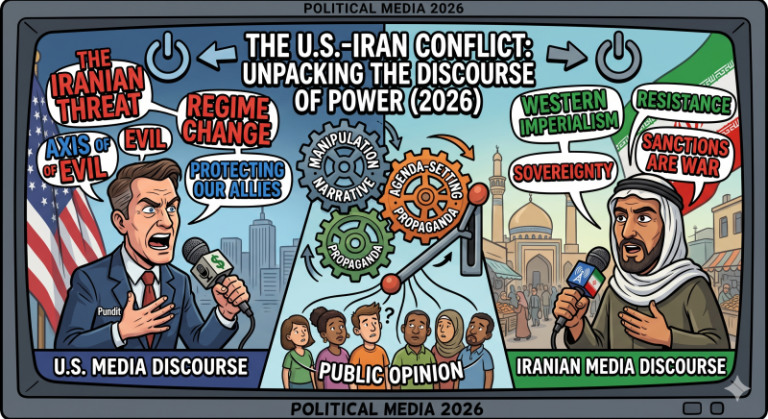
The discourse of U.S. leaders during this conflict is marked by the use of annihilation rhetoric and hyperbole to construct an image of a civilizational-level threat. Statements suggesting that the conflict could lead to the “collapse of civilization” or threats to destroy all infrastructure of the opposing side reflect a framing of war as an “existential war.” This reduces the legitimacy of the opponent while increasing acceptance of the use of force (Entman, 1993).
Additionally, the use of dehumanizing language, such as referring to the opposing side as “evil” or implying no mercy toward enemies—reflects a process of dehumanization. This is a key mechanism in war discourse, as it renders violence morally acceptable (Keen, 1986).
At the same time, U.S. discourse exhibits the “sacralization of war” through references to religion and apocalyptic imagery, such as invoking “God’s plan” or “Armageddon.” Such language elevates the conflict from a political issue to a religious and moral dimension, reducing space for rational debate while reinforcing emotional and belief-based legitimacy (Juergensmeyer, 2000).
Moreover, premature declarations of victory, even when the situation remains unresolved, reflect performative rhetoric—where language does not merely describe reality but attempts to create political reality. Such declarations function to control public perception and construct an image of policy success (Austin, 1962).
Iranian and Resistance Discourse: Identity Construction and Counter-Hegemony
On the Iranian side, a key discourse strategy is the construction of a moralized enemy through terms such as “the Great Satan,” an example of demonization that portrays the opponent as the embodiment of absolute evil. This form of discourse legitimizes resistance while simplifying the complexity of the conflict into a binary of good versus evil (Wodak, 2009).
Simultaneously, the concept of the “Axis of Resistance” reflects a counter-hegemonic discourse challenging U.S. global dominance. Iran presents itself as a leader in the struggle against imperialism, constructing a shared identity among states or political groups opposing the West. This serves as a crucial mechanism for mobilizing support both domestically and internationally (Gramsci, 1971).
Meanwhile, critics of the war—particularly in academic and certain media circles—employ legal-rational discourse, describing the conflict as a “war of choice” or an “illegal war.” This discourse seeks to undermine the legitimacy of force by referencing international law and highlighting the role of media in constructing or amplifying war narratives (Chomsky, 2003).
Discursive Clashes and the Escalation of Conflict
Overall, the discourse of both sides shares common features: simplification of complex realities and the use of emotionally charged language—whether fear, anger, or faith. This aligns with the concept of discursive escalation, which suggests that language is not merely descriptive but actively contributes to the construction and intensification of conflict (Fairclough, 1995).
The use of extreme rhetoric and demonization reduces space for dialogue and mutual understanding. Meanwhile, references to religion and cultural identity further transform the conflict into an “identity-based conflict,” which tends to be prolonged and difficult to resolve (Juergensmeyer, 2000).
Conclusion
The U.S.–Iran conflict in 2026 clearly demonstrates that language and discourse function as “political weapons” in shaping reality, constructing legitimacy, and mobilizing public support. U.S. discourse emphasizes threat construction and the framing of war as necessary and sacred, while Iranian discourse focuses on resistance to hegemony and moral identity formation.
Ultimately, discourse analysis reveals that political conflicts cannot be fully understood through physical or military dimensions alone. Language must be examined as a domain of power that plays a critical role in “making war possible” and may also serve as a key to conflict resolution in the future.
References
- Austin, J. L. (1962). How to do things with words. Oxford University Press.
- Chomsky, N. (2003). Hegemony or survival: America’s quest for global dominance. Metropolitan Books.
- Entman, R. M. (1993). Framing: Toward clarification of a fractured paradigm. Journal of Communication, 43(4), 51–58.
- Fairclough, N. (1995). Media discourse. Edward Arnold.
- Gramsci, A. (1971). Selections from the prison notebooks. International Publishers.
- Juergensmeyer, M. (2000). Terror in the mind of God: The global rise of religious violence. University of California Press.
- Keen, S. (1986). Faces of the enemy: Reflections of the hostile imagination. Harper & Row.
- Wodak, R. (2009). The discourse of politics in action: Politics as usual. Palgrave Macmillan.
For professional services, please visit: https://www.seaproti.org/practitioners/
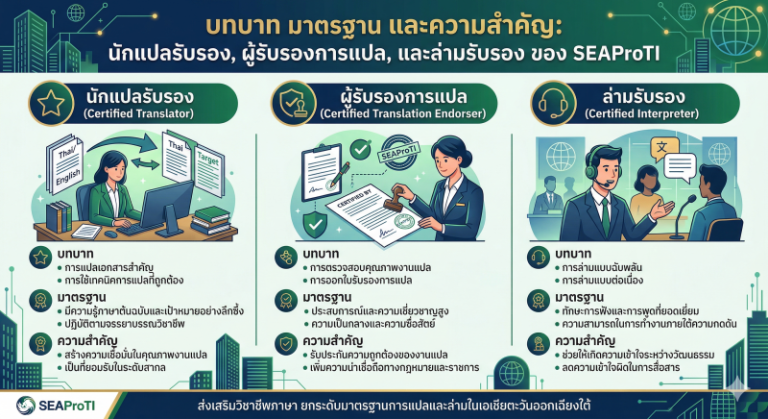
About certified translators, translation certifiers, and certified interpreters associated with SEAProTI.
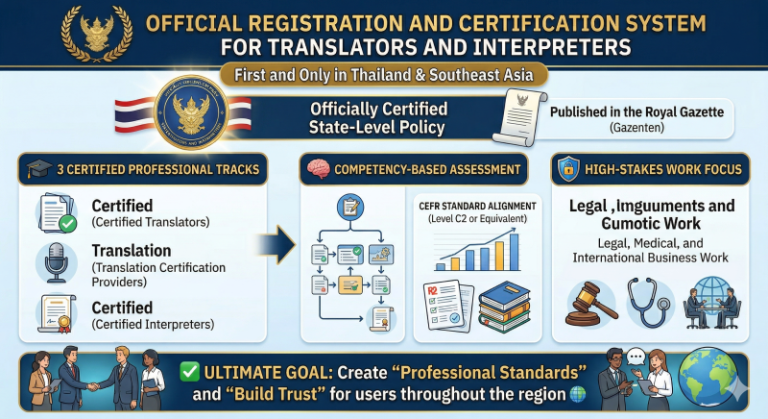
The Southeast Asian Association of Professional Translators and Interpreters (SEAProTI) has officially shared the qualifications and requirements for becoming Certified Translators, Translation Certification Providers, and Certified Interpreters in Sections 9 and 10 of the Royal Gazette, which was published by the Prime Minister’s Office in Thailand on July 25, 2024. Certified Translators, Translation Certification Providers, and Certified Interpreters
The Council of State has proposed the enactment of a Royal Decree, granting registered translators and recognised translation certifiers from professional associations or accredited language institutions the authority to provide legally valid translation certification (Letter to SEAProTI dated April 28, 2025)
SEAProTI is the first professional association in Thailand and Southeast Asia to implement a comprehensive certification system for translators, certifiers, and interpreters.
Head Office: Baan Ratchakru Building, No. 33, Room 402, Soi Phahonyothin 5, Phahonyothin Road, Phaya Thai District, Bangkok 10400, Thailand
Email: hello@seaproti.com | Tel.: (+66) 2-114-3128 (Office hours: Mon–Fri, 09:00–17:00).
ภาษาและวาทกรรมในสื่อการเมืองเกี่ยวกับความขัดแย้งสหรัฐอเมริกา–อิหร่าน (2026): การวิเคราะห์เชิงวาทกรรมและอำนาจ
ผู้แต่ง วณิชชา สุมานัส นายกสมาคมวิชาชีพนักแปลและล่ามแห่งเอเชียตะวันออกเฉียงใต้ อนุญาโตตุลาการ ผู้ไกล่เกลี่ย และนักนิติภาษาศาสตร์วิชาชีพ
บทนำ
ความขัดแย้งระหว่างสหรัฐอเมริกา–อิสราเอลกับอิหร่านในปี ค.ศ. 2026 ภายใต้บริบทของปฏิบัติการทางทหารและความตึงเครียดในช่องแคบฮอร์มุซ ไม่ได้จำกัดอยู่เพียงมิติทางภูมิรัฐศาสตร์หรือการทหารเท่านั้น หากยังสะท้อนถึง “สนามรบเชิงวาทกรรม” (discursive battlefield) ที่แต่ละฝ่ายใช้ภาษาเป็นเครื่องมือในการสร้างความชอบธรรม (legitimation) และกำหนดการรับรู้ของสาธารณะอย่างเข้มข้น วาทกรรมที่ปรากฏในสื่อและคำกล่าวของผู้นำการเมืองมีลักษณะสุดโต่ง เชิงศาสนา และแฝงด้วยการโฆษณาชวนเชื่อ ซึ่งสามารถวิเคราะห์ได้ผ่านกรอบแนวคิดของ critical discourse analysis และทฤษฎี framing (Fairclough, 1995; Entman, 1993)
วาทกรรมฝั่งสหรัฐอเมริกา: การทำให้สงครามเป็นความจำเป็นและศักดิ์สิทธิ์
วาทกรรมของผู้นำสหรัฐอเมริกาในช่วงความขัดแย้งดังกล่าวมีลักษณะเด่นคือการใช้ถ้อยคำเชิงทำลายล้าง (annihilation rhetoric) และการกล่าวเกินจริง (hyperbole) เพื่อสร้างภาพของภัยคุกคามระดับอารยธรรม เช่น การกล่าวว่าความขัดแย้งอาจนำไปสู่การ “ล่มสลายของทั้งอารยธรรม” หรือการขู่ทำลายโครงสร้างพื้นฐานทั้งหมดของฝ่ายตรงข้าม ภาษาลักษณะนี้สะท้อนการ framing สงครามในฐานะ “สงครามเพื่อความอยู่รอด” (existential war) ซึ่งมีผลในการลดความชอบธรรมของฝ่ายตรงข้ามและเพิ่มการยอมรับต่อการใช้กำลัง (Entman, 1993)
นอกจากนี้ การใช้ภาษาที่ลดทอนความเป็นมนุษย์ของฝ่ายตรงข้าม เช่น การเรียกอีกฝ่ายว่า “คนเลว” หรือการใช้คำที่สื่อถึงการไม่ไว้ชีวิตศัตรู ยังสะท้อนกระบวนการ dehumanization ซึ่งเป็นกลไกสำคัญในวาทกรรมสงคราม เนื่องจากช่วยทำให้ความรุนแรงถูกมองว่าเป็นสิ่งที่ยอมรับได้ในเชิงศีลธรรม (Keen, 1986)
ในอีกด้านหนึ่ง วาทกรรมของสหรัฐฯ ยังแสดงลักษณะของการ “ทำให้สงครามเป็นเรื่องศักดิ์สิทธิ์” (sacralization of war) ผ่านการอ้างอิงศาสนาและภาพวันสิ้นโลก เช่น การกล่าวถึง “แผนของพระเจ้า” หรือ “Armageddon” การใช้ภาษาดังกล่าวมีผลในการยกระดับความขัดแย้งจากมิติทางการเมืองไปสู่มิติทางศาสนาและศีลธรรม ซึ่งลดพื้นที่ของการถกเถียงเชิงเหตุผล และสร้างความชอบธรรมในระดับอารมณ์และความเชื่อ (Juergensmeyer, 2000)
ยิ่งไปกว่านั้น การประกาศชัยชนะล่วงหน้าแม้สถานการณ์ยังไม่สิ้นสุด สะท้อนลักษณะของ performative rhetoric ซึ่งภาษาไม่ได้เพียงสะท้อนความจริง แต่พยายาม “สร้างความจริง” ทางการเมืองขึ้นมา การประกาศเช่นนี้มีบทบาทในการควบคุม perception ของสาธารณะและสร้างภาพความสำเร็จของนโยบายรัฐ (Austin, 1962)
วาทกรรมฝั่งอิหร่านและฝ่ายต่อต้าน: การสร้างอัตลักษณ์และการต่อต้านอำนาจนำ
ในฝั่งอิหร่าน วาทกรรมที่สำคัญคือการสร้างภาพศัตรูเชิงศีลธรรมผ่านคำเรียกอย่าง “ซาตานตัวใหญ่” ซึ่งเป็นตัวอย่างของการ demonization ที่ทำให้ฝ่ายตรงข้ามถูกมองว่าเป็นตัวแทนของความชั่วร้ายอย่างสมบูรณ์ วาทกรรมลักษณะนี้มีบทบาทในการสร้างความชอบธรรมให้กับการต่อต้าน และลดความซับซ้อนของความขัดแย้งให้อยู่ในกรอบของความดีและความชั่ว (Wodak, 2009)
พร้อมกันนั้น แนวคิด “แกนแห่งการต่อต้าน” (Axis of Resistance) ยังสะท้อนการสร้างวาทกรรมแบบ counter-hegemonic ที่ท้าทายอำนาจนำของสหรัฐอเมริกาในเวทีโลก อิหร่านนำเสนอตนเองในฐานะผู้นำของการต่อสู้กับจักรวรรดินิยม และสร้างอัตลักษณ์ร่วมของกลุ่มประเทศหรือกลุ่มการเมืองที่ต่อต้านตะวันตก ซึ่งเป็นกลไกสำคัญในการ mobilize การสนับสนุนทั้งภายในและภายนอกประเทศ (Gramsci, 1971)
ในขณะเดียวกัน ฝ่ายวิพากษ์สงคราม โดยเฉพาะในแวดวงวิชาการและสื่อบางส่วน ใช้วาทกรรมเชิงกฎหมายและเหตุผล เช่น การเรียกความขัดแย้งว่าเป็น “สงครามที่เลือกทำเอง” หรือ “สงครามที่ผิดกฎหมาย” วาทกรรมลักษณะนี้พยายามลดความชอบธรรมของการใช้กำลังโดยอ้างอิงหลักกฎหมายระหว่างประเทศ และชี้ให้เห็นบทบาทของสื่อในการสร้างหรือขยาย narrative ของสงคราม (Chomsky, 2003)
การปะทะกันของวาทกรรมและการเร่งความขัดแย้ง
เมื่อพิจารณาในภาพรวม จะเห็นได้ว่าวาทกรรมของทั้งสองฝ่ายมีลักษณะร่วมคือการลดทอนความซับซ้อนของสถานการณ์ และการใช้ภาษาเพื่อปลุกเร้าอารมณ์ ไม่ว่าจะเป็นความกลัว ความโกรธ หรือความศรัทธา กระบวนการดังกล่าวสอดคล้องกับแนวคิดของ discursive escalation ซึ่งชี้ให้เห็นว่าภาษาไม่ได้เป็นเพียงเครื่องมือในการอธิบายสงคราม แต่ยังมีบทบาทในการ “สร้างและเร่ง” ความขัดแย้ง (Fairclough, 1995)
การใช้วาทกรรมสุดโต่งและการ demonize ฝ่ายตรงข้ามทำให้พื้นที่ของการเจรจาและความเข้าใจลดลง ขณะที่การอ้างอิงศาสนาและอัตลักษณ์ทางวัฒนธรรมยิ่งทำให้ความขัดแย้งมีลักษณะเป็น “สงครามเชิงอัตลักษณ์” (identity-based conflict) ซึ่งมีแนวโน้มยืดเยื้อและยากต่อการคลี่คลาย (Juergensmeyer, 2000)
สรุป
ความขัดแย้งระหว่างสหรัฐอเมริกาและอิหร่านในปี 2026 แสดงให้เห็นอย่างชัดเจนว่าภาษาและวาทกรรมมีบทบาทสำคัญในฐานะ “อาวุธทางการเมือง” ที่ใช้ในการกำหนดความจริง สร้างความชอบธรรม และระดมการสนับสนุนจากสาธารณะ วาทกรรมของสหรัฐฯ เน้นการสร้างภาพของภัยคุกคามและการทำให้สงครามเป็นสิ่งจำเป็นและศักดิ์สิทธิ์ ขณะที่วาทกรรมของอิหร่านเน้นการต่อต้านอำนาจนำและการสร้างอัตลักษณ์เชิงศีลธรรม
ท้ายที่สุด การวิเคราะห์เชิงวาทกรรมชี้ให้เห็นว่า ความขัดแย้งทางการเมืองไม่สามารถเข้าใจได้อย่างสมบูรณ์หากมองเพียงมิติทางกายภาพหรือการทหารเท่านั้น หากต้องพิจารณาภาษาในฐานะพื้นที่ของอำนาจที่มีบทบาทในการ “ทำให้สงครามเป็นไปได้” และอาจเป็นกุญแจสำคัญในการคลี่คลายความขัดแย้งในอนาคต
เอกสารอ้างอิง (References)
- Austin, J. L. (1962). How to do things with words. Oxford University Press.
- Chomsky, N. (2003). Hegemony or survival: America’s quest for global dominance. Metropolitan Books.
- Entman, R. M. (1993). Framing: Toward clarification of a fractured paradigm. Journal of Communication, 43(4), 51–58.
- Fairclough, N. (1995). Media discourse. Edward Arnold.
- Gramsci, A. (1971). Selections from the prison notebooks. International Publishers.
- Juergensmeyer, M. (2000). Terror in the mind of God: The global rise of religious violence. University of California Press.
- Keen, S. (1986). Faces of the enemy: Reflections of the hostile imagination. Harper & Row.
- Wodak, R. (2009). The discourse of politics in action: Politics as usual. Palgrave Macmillan.
ติดต่อขอใช้บริการนักวิชาชีพของสมาคมได้ที่: https://www.seaproti.org/practitioners/
สมาคมวิชาชีพนักแปลและล่ามแห่งเอเชียตะวันออกเฉียงใต้ (SEAProTI) ได้ประกาศหลักเกณฑ์และคุณสมบัติของผู้ที่ขึ้นทะเบียนเป็น “นักแปลรับรอง (Certified Translators) และผู้รับรองการแปล (Translation Certification Providers) และล่ามรับรอง (Certified Interpreters)” ของสมาคม หมวดที่ 9 และหมวดที่ 10 ในราชกิจจานุเบกษา ของสำนักเลขาธิการคณะรัฐมนตรี ในสำนักนายกรัฐมนตรี แห่งราชอาณาจักรไทย ลงวันที่ 25 ก.ค. 2567 เล่มที่ 141 ตอนที่ 66 ง หน้า 100 อ่านฉบับเต็มได้ที่: นักแปลรับรอง ผู้รับรองการแปล และล่ามรับรอง
สำนักคณะกรรมการกฤษฎีกาเสนอให้ตราเป็นพระราชกฤษฎีกา โดยกำหนดให้นักแปลที่ขึ้นทะเบียน รวมถึงผู้รับรองการแปลจากสมาคมวิชาชีพหรือสถาบันสอนภาษาที่มีการอบรมและขึ้นทะเบียน สามารถรับรองคำแปลได้ (จดหมายถึงสมาคม SEAProTI ลงวันที่ 28 เม.ย. 2568)
สมาคมวิชาชีพนักแปลและล่ามแห่งเอเชียตะวันออกเฉียงใต้เป็นสมาคมวิชาชีพแห่งแรกและแห่งเดียวในประเทศไทยและภูมิภาคเอเชียตะวันออกเฉียงใต้ที่มีระบบรับรองนักแปลรับรอง ผู้รับรองการแปล และล่ามรับรอง
สำนักงานใหญ่: อาคารบ้านราชครู เลขที่ 33 ห้อง 402 ซอยพหลโยธิน 5 ถนนพหลโยธิน แขวงพญาไท เขตพญาไท กรุงเทพมหานคร 10400 ประเทศไทย
อีเมล: hello@seaproti.com โทรศัพท์: (+66) 2-114-3128 (เวลาทำการ: วันจันทร์–วันศุกร์ เวลา 09.00–17.00 น.