



Introducing Translation Studies: Theories, Applications, and Disciplinary Foundations
Author: Phakaporn Tanjararak
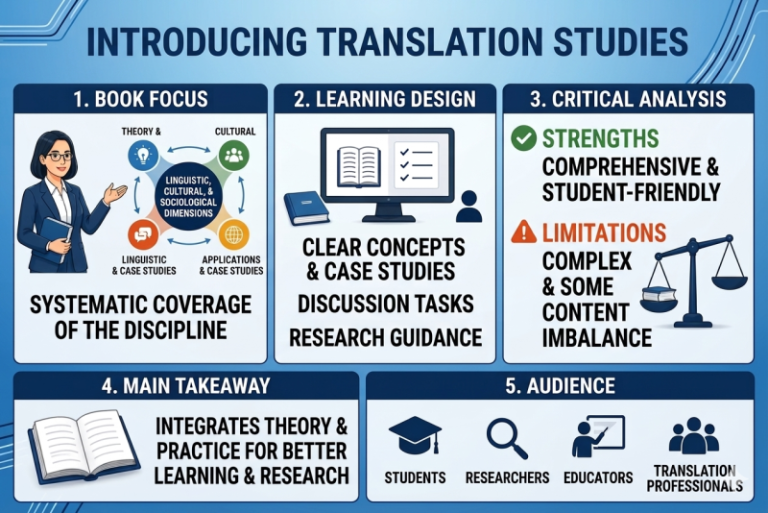
April 24, 2026, Bangkok –This academic article aims to critically analyze and evaluate Introducing Translation Studies: Theories and Applications (3rd edition) by Jeremy Munday (2012), with particular attention to its contribution to Translation Studies in both theoretical and pedagogical dimensions. The analysis finds that the volume offers a systematic and comprehensive overview of major paradigms, theories, and subfields within Translation Studies, presented in a highly accessible and student-friendly format. The inclusion of updated theoretical perspectives and expanded linguistic and textual coverage further strengthens its academic value. Nevertheless, certain limitations are identified, particularly regarding the complexity of some theoretical discussions and the imbalance in content distribution across specific chapters. Overall, the book is recognized as an essential academic resource for students, researchers, and educators in the field.
Introduction
Since its first publication in 2001, Introducing Translation Studies by Jeremy Munday has been widely acknowledged as a foundational textbook in Translation Studies. The third edition, fully revised and expanded, retains the strengths of earlier editions while incorporating new content that reflects recent developments in the discipline. The book is clearly designed with a pedagogical purpose, as reflected in its structure, style, and content organization, all of which aim to facilitate effective learning (Munday, 2012).
Content and Structure
The book provides a comprehensive and accessible account of key paradigms, theories, and subfields within Translation Studies, covering linguistic, cultural, and sociological dimensions. Each chapter is structured in a student-friendly manner, beginning with concise definitions of key concepts, followed by recommended key readings. The main discussion is then presented, supported by case studies that contextualize and reinforce theoretical concepts. Chapters conclude with discussion points, research tasks, and suggestions for further reading, which serve as stimuli for classroom debate and independent or group study.
A distinctive feature of the third edition is the inclusion of a companion website, which significantly enhances its pedagogical value. This online resource supports e-learning and independent study by providing additional bibliographies, multiple-choice questions for self-assessment, and various learning materials. Instructors can also benefit from teaching resources such as PowerPoint presentations and access to journal articles, with password-protected access available through a straightforward registration process (Munday, 2012).
Chapter Analysis
Chapter 1 begins with an analysis of the concept of translation and its definitions, followed by an introduction to the scope of Translation Studies through the Holmes/Toury map of the discipline. Its advantages and limitations are discussed alongside van Doorslaer’s conceptual framework, which is newly incorporated in this edition.
Chapter 2 presents a detailed historical overview of translation theory prior to the twentieth century. This edition enriches the discussion by including new material on early Chinese and Arabic perspectives on translation, as well as early systematic approaches proposed by Dryden, Dolet, and Tytler, and Schleiermacher’s emphasis on foreignization.
Chapter 3 explores the complex concept of equivalence, situating translatability within the debate between linguistic universalism and linguistic determinism. The approaches of Nida, Newmark, and Koller are examined, with a balanced evaluation of their contributions.
Chapter 4 provides a detailed account of Vinay and Darbelnet’s model, followed by Catford’s typology of translation shifts. New sections on stylistic shifts and translation processes have been added. However, certain theoretical references, such as Gutt’s relevance theory, may present challenges for readers without prior background knowledge, particularly due to complex terminology.
Chapter 5 introduces functionalist approaches to translation, including Reiss’s text-type theory, Snell-Hornby’s integrated approach, Holz-Mänttäri’s theory of translatorial action, Vermeer’s skopos theory, and Nord’s translation-oriented text analysis model, with their respective strengths and limitations discussed.
Chapter 6 highlights the influence of Hallidayan linguistics on Translation Studies by examining House’s model of translation quality assessment, Baker’s bottom-up approach, and Hatim and Mason’s framework.
Chapter 7 focuses on Even-Zohar’s polysystem theory and Descriptive Translation Studies (DTS), including a comparative discussion of Toury’s and Chesterman’s norms, as well as other models such as the Manipulation School.
Chapter 8 addresses cultural and ideological approaches, including Lefevere’s theory, gender and translation, and postcolonial translation theories, with new material added in this edition.
Chapter 9 examines translation ethics and the concept of translator invisibility, drawing on the work of Venuti and Berman, and concludes with a discussion of Bourdieu’s sociological approach.
Chapter 10 provides an overview of philosophical approaches to translation, discussing the ideas of Steiner, Pound, Benjamin, and Derrida. Although the concepts are complex and may be challenging for readers without a philosophical background, the inclusion of case studies helps to clarify abstract ideas.
Chapter 11 has been revised to focus more extensively on audiovisual translation (AVT), particularly subtitling. While important issues such as intersemiotic coherence and multimodality are addressed, the emphasis remains primarily on subtitling at the expense of other modes. Additionally, the chapter’s structure appears somewhat fragmented, as it transitions to localization and corpus-based translation studies.
Chapter 12, newly added in this edition, introduces the concept of “consilience” in Translation Studies and provides practical guidance on conducting research and writing commentary projects.
Discussion
The analysis demonstrates that Munday’s work successfully integrates theoretical and practical dimensions of Translation Studies. Its systematic organization and pedagogically oriented design make it suitable for a wide range of audiences, including students, educators, and researchers. However, the complexity of certain theoretical sections may pose difficulties for beginners, and some chapters would benefit from a more balanced distribution of content.
Conclusion
In conclusion, Introducing Translation Studies: Theories and Applications (3rd edition) represents a significant contribution to the field of Translation Studies. It provides a comprehensive overview of key theories and approaches while fostering analytical thinking and practical application. Despite some limitations, the book remains an indispensable resource for those engaged in translation education and research.
References
- Munday, J. (2012). Introducing Translation Studies: Theories and Applications (3rd ed.). London and New York: Routledge.
For professional services, please visit: https://www.seaproti.org/practitioners/
About certified translators, translation certifiers, and certified interpreters associated with SEAProTI. The Southeast Asian Association of Professional Translators and Interpreters (SEAProTI) has officially shared the qualifications and requirements for becoming Certified Translators, Translation Certification Providers, and Certified Interpreters in Sections 9 and 10 of the Royal Gazette, which was published by the Prime Minister’s Office in Thailand on July 25, 2024. Certified Translators, Translation Certification Providers, and Certified Interpreters
The Council of State has proposed the enactment of a Royal Decree, granting registered translators and recognised translation certifiers from professional associations or accredited language institutions the authority to provide legally valid translation certification (Letter to SEAProTI dated April 28, 2025)
SEAProTI is the first professional association in Thailand and Southeast Asia to implement a comprehensive certification system for translators, certifiers, and interpreters.
Head Office: Baan Ratchakru Building, No. 33, Room 402, Soi Phahonyothin 5, Phahonyothin Road, Phaya Thai District, Bangkok 10400, Thailand
Email: hello@seaproti.com | Tel.: (+66) 2-114-3128 (Office hours: Mon–Fri, 09:00–17:00).
การแนะนำการศึกษาการแปล: ทฤษฎี การประยุกต์ใช้ และรากฐานของสาขาวิชา
ผู้เขียน: ภคพร ตันจรารักษ์
24 เมษายน 2026, กรุงเทพมหานคร — บทความวิชาการฉบับนี้มีวัตถุประสงค์เพื่อวิเคราะห์และวิพากษ์หนังสือ Introducing Translation Studies: Theories and Applications ฉบับพิมพ์ครั้งที่สาม ของเจเรมี มันเดย์ (พ.ศ. 2555) โดยมุ่งประเมินคุณูปการของผลงานดังกล่าวต่อวงการการศึกษาการแปล ทั้งในเชิงทฤษฎีและเชิงการสอน ผลการวิเคราะห์พบว่าหนังสือเล่มนี้มีโครงสร้างเชิงระบบที่ชัดเจน ครอบคลุมแนวคิดสำคัญในสาขาการแปลศึกษาอย่างกว้างขวาง และมีลักษณะเป็นมิตรต่อผู้เรียนอย่างยิ่ง อย่างไรก็ตาม ยังปรากฏข้อจำกัดบางประการในด้านความซับซ้อนของเนื้อหาเชิงทฤษฎีบางส่วน และความไม่สมดุลในการนำเสนอเนื้อหาในบางบท โดยสรุป หนังสือเล่มนี้ถือเป็นทรัพยากรทางวิชาการที่มีคุณค่าอย่างยิ่งสำหรับนักศึกษา นักวิจัย และผู้สอนในสาขาการแปลศึกษา
บทนำ
นับตั้งแต่การตีพิมพ์ครั้งแรกในปีพ.ศ. 2544 หนังสือ Introducing Translation Studies ของมันเดย์ได้รับการยอมรับอย่างกว้างขวางในฐานะตำราหลักในสาขาการแปลศึกษา ฉบับพิมพ์ครั้งที่สามซึ่งได้รับการปรับปรุงเนื้อหาอย่างครอบคลุม ยังคงรักษาจุดเด่นของฉบับก่อนหน้าไว้ พร้อมทั้งเพิ่มเติมเนื้อหาใหม่ที่สะท้อนพัฒนาการล่าสุดในสาขาวิชา หนังสือเล่มนี้ถูกออกแบบโดยมีวัตถุประสงค์เชิงการสอนอย่างชัดเจน ซึ่งสะท้อนผ่านโครงสร้าง เนื้อหา และรูปแบบการนำเสนอที่เอื้อต่อการเรียนรู้ของผู้ศึกษา (มันเดย์, พ.ศ. 2555)
เนื้อหาและโครงสร้างของหนังสือ
หนังสือเล่มนี้นำเสนอภาพรวมของแนวคิด ทฤษฎี และสาขาย่อยที่สำคัญในวงการการแปลศึกษาอย่างครอบคลุม โดยครอบคลุมทั้งมิติทางภาษาศาสตร์ วัฒนธรรม และสังคม โครงสร้างของแต่ละบทเริ่มต้นด้วยการนิยามแนวคิดหลัก ตามด้วยรายการงานวิจัยสำคัญ ก่อนจะเข้าสู่การอธิบายเนื้อหา และจบด้วยกรณีศึกษา ประเด็นอภิปราย และแหล่งอ่านเพิ่มเติม ซึ่งช่วยเสริมสร้างความเข้าใจเชิงลึกและส่งเสริมการเรียนรู้แบบมีส่วนร่วม
คุณลักษณะสำคัญที่โดดเด่นของฉบับพิมพ์ครั้งที่สามคือการเพิ่มเว็บไซต์ประกอบการเรียน ซึ่งเป็นเครื่องมือสำคัญในการส่งเสริมการเรียนรู้แบบอิสระและการเรียนรู้ผ่านระบบอิเล็กทรอนิกส์ โดยนักศึกษาสามารถเข้าถึงแบบทดสอบ บรรณานุกรมเพิ่มเติม และทรัพยากรการเรียนรู้ต่าง ๆ ขณะที่ผู้สอนสามารถใช้สื่อประกอบการสอน เช่น สไลด์นำเสนอและบทความวิชาการ (มันเดย์, พ.ศ. 2555)
การวิเคราะห์เนื้อหารายบท
บทที่หนึ่งเริ่มต้นด้วยการวิเคราะห์แนวคิดพื้นฐานของ “การแปล” และขอบเขตของสาขาการแปลศึกษา โดยอ้างอิงแผนผังของโฮล์มส์และตูรี รวมถึงกรอบแนวคิดของฟาน ดอร์สเลอร์ ซึ่งช่วยขยายมิติการทำความเข้าใจสาขาวิชา
บทที่สองนำเสนอพัฒนาการทางประวัติศาสตร์ของทฤษฎีการแปลก่อนศตวรรษที่ยี่สิบ พร้อมทั้งเพิ่มเนื้อหาเกี่ยวกับแนวคิดการแปลในวัฒนธรรมจีนและอาหรับ และการวิเคราะห์แนวคิดของนักทฤษฎีสำคัญ เช่น ดรายเดน โดเลต์ ไทท์เลอร์ และชไลเออร์มาเคอร์
บทที่สามมุ่งเน้นแนวคิดเรื่อง “ความเทียบเท่า” โดยอภิปรายในกรอบความขัดแย้งระหว่างสากลนิยมทางภาษาและสัมพัทธนิยมทางภาษา พร้อมทั้งวิเคราะห์แนวคิดของไนดา นิวมาร์ก และคอลเลอร์ อย่างสมดุล
บทที่สี่นำเสนอแบบจำลองของวินเนย์และดาร์เบลเนต์ รวมถึงการจำแนกประเภทการเปลี่ยนแปลงในการแปลของแคตฟอร์ด พร้อมทั้งเพิ่มเนื้อหาเกี่ยวกับการเปลี่ยนแปลงเชิงสไตล์และกระบวนการแปล อย่างไรก็ตาม แนวคิดบางส่วน เช่น ทฤษฎีความสัมพันธ์ อาจสร้างความยากลำบากให้แก่ผู้อ่านที่ไม่มีพื้นฐาน
บทที่ห้าครอบคลุมทฤษฎีเชิงหน้าที่ ได้แก่ แนวคิดประเภทตัวบทของไรส์ แนวทางบูรณาการของสเนลล์-ฮอร์นบี ทฤษฎีการกระทำการแปลของโฮลซ์-แม็นตารี่ ทฤษฎีสโกพอสของแฟร์เมียร์ และแบบจำลองของนอร์ด
บทที่หกแสดงให้เห็นอิทธิพลของภาษาศาสตร์เชิงหน้าที่ของฮัลลิเดย์ต่อการแปลศึกษา โดยวิเคราะห์แบบจำลองการประเมินคุณภาพการแปลของเฮาส์ แนวทางของเบเกอร์ และแนวคิดของฮาติมและเมสัน
บทที่เจ็ดกล่าวถึงทฤษฎีโพลีซิสเต็มของอีเวน-โซฮาร์ และการศึกษาการแปลเชิงพรรณนา พร้อมทั้งเปรียบเทียบบรรทัดฐานของตูรีและเชสเตอร์แมน
บทที่แปดมุ่งเน้นแนวทางเชิงวัฒนธรรมและอุดมการณ์ รวมถึงแนวคิดของเลอแฟแวร์ ทฤษฎีเพศภาวะ และทฤษฎีหลังอาณานิคม
บทที่เก้าพิจารณาประเด็นจริยธรรมในการแปลและแนวคิด “ความไม่ปรากฏตัวของผู้แปล” ตามแนวคิดของเวนูตีและแบร์มาน รวมถึงแนวทางสังคมวิทยาของบูร์ดิเยอ
บทที่สิบสำรวจแนวคิดเชิงปรัชญา โดยอภิปรายแนวคิดของสไตเนอร์ เพานด์ เบนจามิน และแดร์ริดา แม้จะมีความซับซ้อน แต่กรณีศึกษาช่วยให้เข้าใจแนวคิดเชิงนามธรรมได้ดีขึ้น
บทที่สิบเอ็ดได้รับการปรับปรุงเพื่อเน้นการแปลโสตทัศน์ โดยเฉพาะการทำซับไตเติล แม้ว่าจะมีการกล่าวถึงประเด็นสำคัญ เช่น ความสอดคล้องระหว่างสัญญะและความเป็นพหุสื่อ แต่เนื้อหายังคงเน้นบางด้านมากกว่าด้านอื่น และโครงสร้างของบทมีลักษณะกระจัดกระจาย
บทที่สิบสองซึ่งเป็นบทใหม่ มุ่งเน้นแนวคิด “การบูรณาการองค์ความรู้” และให้คำแนะนำเกี่ยวกับการทำวิจัยและการเขียนบทวิจารณ์
อภิปรายผล
จากการวิเคราะห์พบว่าหนังสือของมันเดย์สามารถผสานองค์ความรู้ด้านทฤษฎีและการปฏิบัติได้อย่างมีประสิทธิภาพ โครงสร้างที่เป็นระบบและรูปแบบที่เป็นมิตรต่อผู้เรียนช่วยให้หนังสือเล่มนี้เหมาะสำหรับทั้งการเรียนการสอนและการศึกษาด้วยตนเอง อย่างไรก็ตาม ความซับซ้อนของแนวคิดบางส่วนอาจเป็นอุปสรรคสำหรับผู้เริ่มต้น และการจัดสรรเนื้อหาในบางบทอาจต้องได้รับการปรับปรุงเพื่อความสมดุลมากยิ่งขึ้น
สรุป
โดยสรุป Introducing Translation Studies: Theories and Applications ฉบับพิมพ์ครั้งที่สาม เป็นผลงานที่มีคุณูปการอย่างยิ่งต่อวงการการแปลศึกษา ทั้งในด้านการสอนและการวิจัย หนังสือเล่มนี้ไม่เพียงแต่ให้ภาพรวมที่ครอบคลุมของสาขาวิชา แต่ยังส่งเสริมการคิดวิเคราะห์และการประยุกต์ใช้ทฤษฎีอย่างมีประสิทธิภาพ จึงถือเป็นตำราหลักที่ขาดไม่ได้สำหรับนักศึกษาและนักวิชาการในสาขานี้
เอกสารอ้างอิง
- มันเดย์, เจเรมี. (พ.ศ. 2555). Introducing Translation Studies: Theories and Applications (พิมพ์ครั้งที่ 3). ลอนดอนและนิวยอร์ก: เราท์เลดจ์.
ติดต่อขอใช้บริการนักวิชาชีพของสมาคมได้ที่:https://www.seaproti.org/practitioners/
สมาคมวิชาชีพนักแปลและล่ามแห่งเอเชียตะวันออกเฉียงใต้ (SEAProTI) ได้ประกาศหลักเกณฑ์และคุณสมบัติของผู้ที่ขึ้นทะเบียนเป็น “นักแปลรับรอง (Certified Translators) และผู้รับรองการแปล (Translation Certification Providers) และล่ามรับรอง (Certified Interpreters)” ของสมาคม หมวดที่ 9 และหมวดที่ 10 ในราชกิจจานุเบกษา ของสำนักเลขาธิการคณะรัฐมนตรี ในสำนักนายกรัฐมนตรี แห่งราชอาณาจักรไทย ลงวันที่ 25 ก.ค. 2567 เล่มที่ 141 ตอนที่ 66 ง หน้า 100 อ่านฉบับเต็มได้ที่: นักแปลรับรอง ผู้รับรองการแปล และล่ามรับรอง
สำนักคณะกรรมการกฤษฎีกาเสนอให้ตราเป็นพระราชกฤษฎีกา โดยกำหนดให้นักแปลที่ขึ้นทะเบียน รวมถึงผู้รับรองการแปลจากสมาคมวิชาชีพหรือสถาบันสอนภาษาที่มีการอบรมและขึ้นทะเบียน สามารถรับรองคำแปลได้ (จดหมายถึงสมาคม SEAProTI ลงวันที่ 28 เม.ย. 2568)
สมาคมวิชาชีพนักแปลและล่ามแห่งเอเชียตะวันออกเฉียงใต้เป็นสมาคมวิชาชีพแห่งแรกและแห่งเดียวในประเทศไทยและภูมิภาคเอเชียตะวันออกเฉียงใต้ที่มีระบบรับรองนักแปลรับรอง ผู้รับรองการแปล และล่ามรับรอง
สำนักงานใหญ่: อาคารบ้านราชครู เลขที่ 33 ห้อง 402 ซอยพหลโยธิน 5 ถนนพหลโยธิน แขวงพญาไท เขตพญาไท กรุงเทพมหานคร 10400 ประเทศไทย
อีเมล: hello@seaproti.com โทรศัพท์: (+66) 2-114-3128(เวลาทำการ: วันจันทร์–วันศุกร์ เวลา 09.00–17.00 น.)