



The Economic Impact of Thailand’s Long-Term Resident (LTR) Visa and the Role of Certified Language Professionals
in Facilitating Global Mobility
Author: Griroek Gruaythong
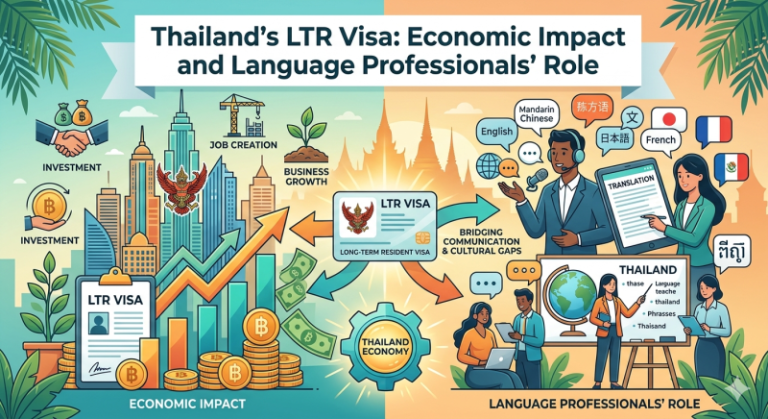
22 April 2023, Bangkok – Thailand’s Long-Term Resident (LTR) Visa has emerged as a strategic policy instrument aimed at attracting high-potential foreign residents, including skilled professionals, retirees, and investors. Within three years of its implementation, the program has contributed over 20 billion THB to the national economy. This article examines the economic mechanisms underpinning this contribution, evaluates the comparative advantages of the LTR Visa relative to other residency schemes, and explores the often-overlooked role of certified translators, translation certification providers, and certified interpreters in supporting cross-border mobility. Drawing on policy reports and existing literature on migration and language services, the study argues that language professionals play a critical infrastructural role in ensuring compliance, legal certainty, and accessibility in international migration systems.
Introduction
In an increasingly globalized economy, immigration policies are no longer limited to border control but are actively deployed as tools for economic development. Thailand has embraced this paradigm shift through the introduction of the Long-Term Resident (LTR) Visa, a program designed to attract foreign nationals with high economic potential. According to the Thailand Board of Investment (BOI), the LTR Visa has generated more than 20 billion THB within its first three years, demonstrating the tangible economic benefits of targeted migration policies (BOI, 2025).
This article situates the LTR Visa within broader discussions on migration-led economic growth and highlights the enabling role of language professionals in facilitating such policies.
Policy Design and Target Demographics
The LTR Visa is structured to attract four primary groups: high-net-worth individuals, retirees with stable income, remote professionals employed by foreign firms, and highly skilled workers in targeted industries. Unlike conventional visa schemes, the LTR Visa offers a 10-year residency period, reduced administrative burdens, and selective tax incentives, including a flat personal income tax rate for certain categories.
Such design reflects a shift toward “selective migration,” where countries compete globally for talent and capital (Czaika & Parsons, 2017). By offering long-term stability and regulatory predictability, Thailand enhances its attractiveness as a destination for both lifestyle migration and professional relocation.
Economic Contributions of the LTR Visa
The economic impact of the LTR Visa can be understood through multiple channels. First, direct fiscal contributions arise from visa application fees, which constitute a steady stream of government revenue. Second, long-term residents contribute significantly to domestic consumption, particularly in sectors such as real estate, healthcare, education, and tourism. This aligns with findings that migrants often generate multiplier effects through sustained local spending (OECD, 2019).
Third, investment requirements—particularly for high-net-worth applicants—stimulate capital inflows into government bonds and property markets. Finally, highly skilled professionals contribute through income taxation and by enhancing productivity in knowledge-based industries. Their presence can also generate spillover effects, including technology transfer and workforce upskilling (Docquier et al., 2014).
Comparative Analysis with Alternative Visa Schemes
When compared to the Thailand Retirement Visa and the Thailand Privilege Visa, the LTR Visa demonstrates a hybrid advantage. The Retirement Visa, while accessible, requires annual renewal and restricts employment, thereby limiting its economic contribution. The Privilege Visa offers long-term residence but operates under a tourism framework, prohibiting work and requiring substantial upfront membership fees.
In contrast, the LTR Visa integrates residency stability, employment authorization, and fiscal incentives, thereby aligning more closely with economic development objectives. This combination positions the program as a competitive alternative within the global market for talent mobility.
The Role of Certified Language Professionals in Migration Systems
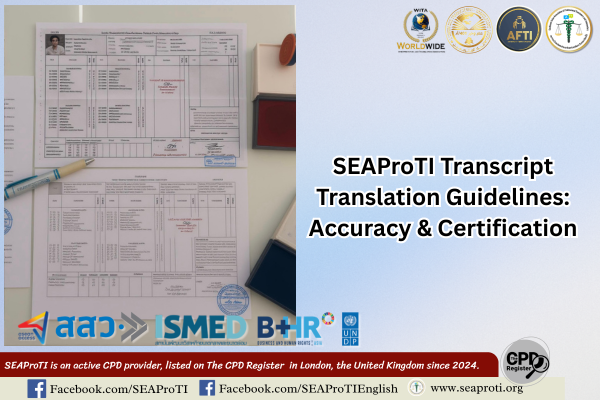
An often underexplored dimension of international migration policy is the role of language services in ensuring accessibility and compliance. The application process for visas such as the LTR Visa requires extensive documentation, including financial records, legal certifications, and personal identification documents. These materials frequently need to be translated and certified to meet regulatory standards.
Certified translators and translation certification providers ensure that documents submitted to Thai authorities are accurate, legally valid, and compliant with institutional requirements. Inaccurate translations can lead to application delays or rejections, highlighting the importance of quality assurance in language services (Pym, 2010).
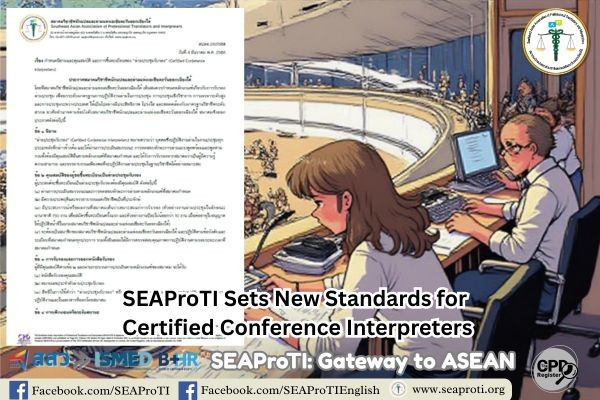
Similarly, certified interpreters play a crucial role in facilitating communication between applicants and government agencies, particularly in complex legal or administrative contexts. Their work supports procedural fairness and reduces the risk of miscommunication in high-stakes interactions such as visa interviews or compliance checks.
Professional organizations such as the Southeast Asian Association of Professional Translators and Interpreters contribute to standard-setting, accreditation, and continuous professional development in the region. By establishing ethical guidelines and competency benchmarks, these organizations enhance trust in language services and support the broader migration ecosystem.
Moreover, language professionals contribute to inclusivity by enabling access for individuals from diverse linguistic backgrounds. This aligns with global trends emphasizing accessibility in public services, including immigration systems (Federici & O’Brien, 2020). In this sense, language services function as a critical infrastructure underpinning international mobility.
Discussion: Migration Policy and Linguistic Infrastructure
The success of the LTR Visa underscores the importance of integrating economic, administrative, and linguistic considerations in policy design. While financial incentives and regulatory frameworks attract applicants, the practical implementation of such policies depends on effective communication across languages and legal systems.
Language professionals act as intermediaries who bridge institutional requirements and applicant realities. Their role extends beyond translation to include risk mitigation, compliance assurance, and facilitation of cross-cultural understanding. As migration policies become more sophisticated, the demand for high-quality language services is likely to increase.
Conclusion
Thailand’s LTR Visa represents a significant advancement in migration policy, demonstrating how targeted programs can generate substantial economic benefits. The program’s contribution of over 20 billion THB within three years reflects the effectiveness of aligning immigration with economic strategy.
Equally important, however, is the supporting role of certified translators, translation certification providers, and certified interpreters. These professionals ensure that migration systems function efficiently, transparently, and inclusively. Future policy development should therefore recognize language services as an integral component of migration infrastructure rather than a peripheral support function.
References
- Board of Investment (BOI). (2025). LTR Visa program economic impact report. Bangkok: Thailand BOI.
- Czaika, M., & Parsons, C. R. (2017). The gravity of high-skilled migration policies. Demography, 54(2), 603–630.
- Docquier, F., Lohest, O., & Marfouk, A. (2014). Brain drain in developing countries. World Bank Economic Review, 21(2), 193–218.
- Federici, F. M., & O’Brien, S. (2020). Translation in cascading crises. Routledge.
- OECD. (2019). The economic impacts of migration. Paris: OECD Publishing.
- Pym, A. (2010). Exploring translation theories. Routledge.
- Sport Ireland. (2024). Irish Sports Monitor 2023. https://www.sportireland.ie/sites/default/files/media/document/2024-05/ISM%202023%20Annual%20Report_0.pdf
- Taylor, C., & Perego, E. (Eds.). (2022). The Routledge handbook of audio description. Routledge.
- Thompson, H. (2018). Hannah Thompson’s experience of the 3rd International CAFE Conference, Bilbao. CAFE. https://www.cafefootball.eu/news/hannah-thompsons-experience-of-the-3rd-international-cafe-conference-bilbao
ผลกระทบทางเศรษฐกิจของวีซ่าพำนักระยะยาว (LTR) ของประเทศไทย และบทบาทของผู้เชี่ยวชาญด้านภาษาที่ได้รับการรับรองในการสนับสนุนการเคลื่อนย้ายระหว่างประเทศ
ผู้เขียน: ไกรฤกษ์ กรวยทอง
22 เมษายน 2569, กรุงเทพมหานคร – วีซ่าพำนักระยะยาวของประเทศไทย (Long-Term Resident: LTR) ได้กลายเป็นเครื่องมือเชิงนโยบายที่สำคัญในการดึงดูดชาวต่างชาติที่มีศักยภาพสูง ทั้งกลุ่มผู้เชี่ยวชาญ ผู้เกษียณอายุ และนักลงทุน ภายในระยะเวลาเพียงสามปีหลังการเปิดตัว โครงการดังกล่าวได้สร้างมูลค่าทางเศรษฐกิจกว่า 20,000 ล้านบาท บทความนี้มุ่งวิเคราะห์กลไกทางเศรษฐกิจที่อยู่เบื้องหลังผลลัพธ์ดังกล่าว เปรียบเทียบข้อได้เปรียบของวีซ่า LTR กับโครงการพำนักประเภทอื่น และสำรวจบทบาทของนักแปลรับรอง ผู้ให้การรับรองการแปล และล่ามรับรอง ซึ่งมักถูกมองข้ามในบริบทของการเคลื่อนย้ายข้ามพรมแดน โดยอาศัยข้อมูลจากรายงานนโยบายและวรรณกรรมที่เกี่ยวข้อง บทความนี้เสนอว่าผู้เชี่ยวชาญด้านภาษามีบทบาทเชิงโครงสร้างที่สำคัญในการทำให้ระบบการย้ายถิ่นระหว่างประเทศดำเนินไปอย่างมีประสิทธิภาพ โปร่งใส และเข้าถึงได้
บทนำ
ในบริบทของเศรษฐกิจโลกาภิวัตน์ นโยบายการย้ายถิ่นไม่ได้จำกัดอยู่เพียงการควบคุมการเข้าออกของบุคคลอีกต่อไป แต่ถูกนำมาใช้เป็นเครื่องมือในการขับเคลื่อนเศรษฐกิจ ประเทศไทยได้สะท้อนแนวโน้มดังกล่าวผ่านการเปิดตัววีซ่าพำนักระยะยาว (LTR) ซึ่งมุ่งดึงดูดชาวต่างชาติที่มีศักยภาพทางเศรษฐกิจสูง ตามข้อมูลจาก Thailand Board of Investment วีซ่า LTR ได้สร้างรายได้เข้าสู่ระบบเศรษฐกิจกว่า 20,000 ล้านบาทภายในสามปีแรก (สำนักงานคณะกรรมการส่งเสริมการลงทุน [BOI], 2568)
บทความนี้จึงมุ่งวิเคราะห์บทบาทของวีซ่า LTR ในบริบทของการเติบโตทางเศรษฐกิจ พร้อมทั้งชี้ให้เห็นถึงบทบาทของผู้เชี่ยวชาญด้านภาษาในระบบดังกล่าว
การออกแบบนโยบายและกลุ่มเป้าหมาย
วีซ่า LTR ถูกออกแบบมาเพื่อดึงดูดกลุ่มเป้าหมายหลักสี่กลุ่ม ได้แก่ บุคคลที่มีทรัพย์สินสูงระดับโลก ผู้เกษียณอายุที่มีรายได้มั่นคง ผู้ทำงานระยะไกลให้กับบริษัทต่างประเทศ และผู้เชี่ยวชาญทักษะสูงในอุตสาหกรรมเป้าหมาย จุดเด่นสำคัญของวีซ่านี้คือระยะเวลาพำนัก 10 ปี ภาระด้านเอกสารที่ลดลง และสิทธิประโยชน์ทางภาษีในบางกรณี
แนวทางดังกล่าวสะท้อนแนวคิด “การย้ายถิ่นแบบคัดเลือก” ซึ่งประเทศต่าง ๆ แข่งขันกันเพื่อดึงดูดแรงงานทักษะสูงและเงินทุน (ไซไคกา และ พาร์สันส์, 2560)
ผลกระทบทางเศรษฐกิจของวีซ่า LTR
ผลกระทบทางเศรษฐกิจของวีซ่า LTR สามารถอธิบายได้ผ่านหลายมิติ ประการแรกคือรายได้จากค่าธรรมเนียมวีซ่า ซึ่งเป็นรายได้โดยตรงของรัฐ ประการที่สองคือการใช้จ่ายของผู้พำนักระยะยาวในภาคส่วนต่าง ๆ เช่น อสังหาริมทรัพย์ สาธารณสุข การศึกษา และการท่องเที่ยว ซึ่งก่อให้เกิดผลคูณทางเศรษฐกิจ (องค์การเพื่อความร่วมมือและการพัฒนาทางเศรษฐกิจ [OECD], 2562)
ประการที่สามคือการลงทุนโดยตรงจากผู้มีทรัพย์สินสูง ซึ่งช่วยกระตุ้นตลาดทุนและตลาดอสังหาริมทรัพย์ และประการสุดท้ายคือการมีส่วนร่วมของแรงงานทักษะสูงผ่านภาษีเงินได้และการเพิ่มประสิทธิภาพการผลิตในอุตสาหกรรมที่ใช้ความรู้ (ด็อกคีเยร์ และคณะ, 2557)
การเปรียบเทียบกับโครงการวีซ่าอื่น
เมื่อเปรียบเทียบกับวีซ่าเกษียณอายุและวีซ่าพิเศษ (Privilege Visa) พบว่าวีซ่า LTR มีข้อได้เปรียบเชิงโครงสร้าง วีซ่าเกษียณอายุมีข้อจำกัดด้านการทำงานและต้องต่ออายุรายปี ขณะที่วีซ่าพิเศษแม้จะให้สิทธิพำนักระยะยาว แต่ไม่อนุญาตให้ทำงานและมีค่าใช้จ่ายสูง
ในทางกลับกัน วีซ่า LTR ผสานความมั่นคงในการพำนัก สิทธิในการทำงาน และสิทธิประโยชน์ทางภาษี ทำให้มีความสอดคล้องกับเป้าหมายการพัฒนาเศรษฐกิจมากกว่า
บทบาทของผู้เชี่ยวชาญด้านภาษาที่ได้รับการรับรองในระบบการย้ายถิ่น
มิติที่มักถูกมองข้ามในนโยบายการย้ายถิ่นคือบทบาทของบริการด้านภาษา กระบวนการสมัครวีซ่า LTR ต้องอาศัยเอกสารจำนวนมาก เช่น เอกสารทางการเงิน เอกสารทางกฎหมาย และเอกสารยืนยันตัวตน ซึ่งมักต้องผ่านการแปลและรับรองอย่างเป็นทางการ
นักแปลรับรองและผู้ให้การรับรองการแปลมีบทบาทสำคัญในการทำให้เอกสารมีความถูกต้องและสอดคล้องกับข้อกำหนดทางกฎหมาย ความผิดพลาดในการแปลอาจนำไปสู่ความล่าช้าหรือการปฏิเสธคำขอได้ (พิม, 2553)
ในทำนองเดียวกัน ล่ามรับรองมีบทบาทในการอำนวยความสะดวกด้านการสื่อสารระหว่างผู้สมัครและหน่วยงานรัฐ โดยเฉพาะในบริบทที่มีความซับซ้อนทางกฎหมาย ซึ่งช่วยลดความคลาดเคลื่อนในการสื่อสารและส่งเสริมความเป็นธรรมในกระบวนการ
องค์กรวิชาชีพ เช่น Southeast Asian Association of Professional Translators and Interpreters มีบทบาทในการกำหนดมาตรฐานวิชาชีพ การรับรองคุณวุฒิ และการพัฒนาทักษะอย่างต่อเนื่อง ซึ่งช่วยสร้างความน่าเชื่อถือให้กับบริการด้านภาษาในภูมิภาค
นอกจากนี้ ผู้เชี่ยวชาญด้านภาษายังมีส่วนสำคัญในการส่งเสริม “การเข้าถึง” ของระบบการย้ายถิ่น ทำให้บุคคลจากหลากหลายภูมิหลังทางภาษา สามารถเข้าถึงสิทธิและโอกาสได้อย่างเท่าเทียม (เฟเดอริชี และ โอไบรอัน, 2563)
อภิปรายผล: นโยบายการย้ายถิ่นกับโครงสร้างพื้นฐานด้านภาษา
ความสำเร็จของวีซ่า LTR ชี้ให้เห็นถึงความจำเป็นของการบูรณาการมิติทางเศรษฐกิจ การบริหารจัดการ และภาษาเข้าด้วยกัน แม้ว่าสิทธิประโยชน์ทางการเงินและกฎระเบียบจะเป็นปัจจัยดึงดูดหลัก แต่การดำเนินนโยบายให้มีประสิทธิภาพจำเป็นต้องอาศัยการสื่อสารที่ถูกต้องและชัดเจน
ผู้เชี่ยวชาญด้านภาษาจึงทำหน้าที่เป็น “ตัวกลาง” ระหว่างข้อกำหนดของรัฐและผู้สมัคร ช่วยลดความเสี่ยง เพิ่มความถูกต้อง และส่งเสริมความเข้าใจข้ามวัฒนธรรม
สรุป
วีซ่า LTR ของประเทศไทยเป็นตัวอย่างที่ชัดเจนของนโยบายการย้ายถิ่นที่สามารถสร้างผลประโยชน์ทางเศรษฐกิจได้อย่างเป็นรูปธรรม โดยมีมูลค่ากว่า 20,000 ล้านบาทภายในระยะเวลาเพียงสามปี
อย่างไรก็ตาม ความสำเร็จดังกล่าวไม่ได้เกิดจากนโยบายเพียงอย่างเดียว แต่ยังอาศัยบทบาทของนักแปลรับรอง ผู้ให้การรับรองการแปล และล่ามรับรอง ซึ่งช่วยให้ระบบการย้ายถิ่นดำเนินไปอย่างมีประสิทธิภาพ โปร่งใส และครอบคลุม
ดังนั้น ในการพัฒนานโยบายในอนาคต ภาครัฐควรให้ความสำคัญกับบริการด้านภาษาในฐานะ “โครงสร้างพื้นฐาน” ที่จำเป็น ไม่ใช่เพียงองค์ประกอบเสริมของระบบการย้ายถิ่น
บรรณานุกรม
- Board of Investment (BOI). (2025). LTR Visa program economic impact report. Bangkok: Thailand BOI.
- Czaika, M., & Parsons, C. R. (2017). The gravity of high-skilled migration policies. Demography, 54(2), 603–630.
- Docquier, F., Lohest, O., & Marfouk, A. (2014). Brain drain in developing countries. World Bank Economic Review, 21(2), 193–218.
- Federici, F. M., & O’Brien, S. (2020). Translation in cascading crises. Routledge.
- OECD. (2019). The economic impacts of migration. Paris: OECD Publishing.
- Pym, A. (2010). Exploring translation theories. Routledge.
ติดต่อขอใช้บริการนักวิชาชีพของสมาคมได้ที่:https://www.seaproti.org/practitioners/
สมาคมวิชาชีพนักแปลและล่ามแห่งเอเชียตะวันออกเฉียงใต้ (SEAProTI) ได้ประกาศหลักเกณฑ์และคุณสมบัติของผู้ที่ขึ้นทะเบียนเป็น “นักแปลรับรอง (Certified Translators) และผู้รับรองการแปล (Translation Certification Providers) และล่ามรับรอง (Certified Interpreters)” ของสมาคม หมวดที่ 9 และหมวดที่ 10 ในราชกิจจานุเบกษา ของสำนักเลขาธิการคณะรัฐมนตรี ในสำนักนายกรัฐมนตรี แห่งราชอาณาจักรไทย ลงวันที่ 25 ก.ค. 2567 เล่มที่ 141 ตอนที่ 66 ง หน้า 100 อ่านฉบับเต็มได้ที่: นักแปลรับรอง ผู้รับรองการแปล และล่ามรับรอง
สำนักคณะกรรมการกฤษฎีกาเสนอให้ตราเป็นพระราชกฤษฎีกา โดยกำหนดให้นักแปลที่ขึ้นทะเบียน รวมถึงผู้รับรองการแปลจากสมาคมวิชาชีพหรือสถาบันสอนภาษาที่มีการอบรมและขึ้นทะเบียน สามารถรับรองคำแปลได้ (จดหมายถึงสมาคม SEAProTI ลงวันที่ 28 เม.ย. 2568)
สมาคมวิชาชีพนักแปลและล่ามแห่งเอเชียตะวันออกเฉียงใต้เป็นสมาคมวิชาชีพแห่งแรกและแห่งเดียวในประเทศไทยและภูมิภาคเอเชียตะวันออกเฉียงใต้ที่มีระบบรับรองนักแปลรับรอง ผู้รับรองการแปล และล่ามรับรอง
สำนักงานใหญ่: อาคารบ้านราชครู เลขที่ 33 ห้อง 402 ซอยพหลโยธิน 5 ถนนพหลโยธิน แขวงพญาไท เขตพญาไท กรุงเทพมหานคร 10400 ประเทศไทย
อีเมล: hello@seaproti.com โทรศัพท์: (+66) 2-114-3128(เวลาทำการ: วันจันทร์–วันศุกร์ เวลา 09.00–17.00 น.)