


Court Interpreting: A Role Beyond Accuracy in the Context of Compound Questions in Witness Examination
Author: Wanitcha Sumanat, President of the Southeast Asian Association of Translators and Interpreters; Arbitrator; Mediator; Professional Forensic Linguist
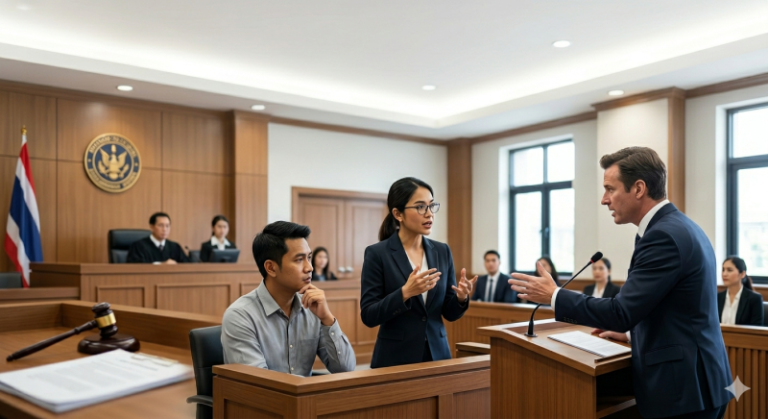
April 21, 2026, Bangkok – Based on authorized courtroom observation of interpreting practices during judicial proceedings, a significant concern has emerged. Several court interpreters appear insufficiently aware of the strategic nature of questions posed by attorneys during witness examination, particularly compound questions. This lack of awareness has led, in many instances, to renditions that deviate from the original intent of the questioner. Such deviations are not merely linguistic inaccuracies; they directly affect witness comprehension and may result in testimony that does not accurately reflect the witness’s intended meaning.
From a theoretical perspective, the role of the court interpreter extends beyond the accurate transfer of lexical and grammatical content. It encompasses the conveyance of pragmatic meaning, discourse structure, and the communicative intent of the speaker (Hale, 2004). This is especially critical in the context of witness examination, where language functions not only as a vehicle for information but also as a strategic tool to frame perception and constrain the range of possible responses (Gibbons, 2003).
Compound questions are a common technique in legal examination. These are questions that combine multiple issues within a single utterance or embed unproven assumptions. For example, questions may pressure the witness to provide a yes-or-no answer under complex conditions. When interpreters render such questions in a simplified or structurally reduced form, such as merging multiple components into a single, streamlined question, the witness may fail to perceive the number and nature of the issues being posed. Consequently, a single affirmative or negative response may inadvertently apply to all embedded propositions, potentially undermining the witness’s position.
Research by Berk-Seligson (1990) demonstrates that even minor alterations in interpretation—such as restructuring sentences, omitting emphasis, or simplifying complex questions—can significantly influence perceptions of witness credibility and the substance of testimony. Hale (2004) further emphasizes that interpreters must preserve not only the content but also the form of questions, as form plays a critical role in shaping the scope and constraints of permissible answers.
In cases involving embedded assumptions, sometimes referred to as “loaded questions,” interpreters must exercise particular caution. They are required to render the question faithfully without omission or neutralization, as any modification may constitute interference in the judicial process. At the same time, the rendition must maintain sufficient clarity of structure so that the witness can recognize the assumptions embedded within the question.
In practice, when a question is excessively complex or ambiguous to the point of risking misinterpretation, interpreters are entitled to request that counsel separate the question for clarity. This practice is recognized within professional standards of court interpreting (Mikkelson, 2016) and is not considered interference with the substance of the case, but rather a safeguard for accurate communication.
In conclusion, courtroom interpreting must be understood as the comprehensive transfer of legal discourse rather than mere word-for-word translation. Interpreters are required to preserve accuracy, completeness, structure, and intent, ensuring that non-source-language participants can understand the message as if they had heard it in the original language. Failure to recognize and preserve these elements, particularly in the case of compound questions, may have significant implications for fairness in judicial proceedings.
References
- Berk-Seligson, S. (1990). The bilingual courtroom: Court interpreters in the judicial process. University of Chicago Press.
- Gibbons, J. (2003). Forensic linguistics: An introduction to language in the justice system. Blackwell Publishing.
- Hale, S. (2004). The discourse of court interpreting: Discourse practices of the law, the witness, and the interpreter. John Benjamins Publishing.
- Mikkelson, H. (2016). Introduction to court interpreting (2nd ed.). Routledge.
For professional services, please visit: https://www.seaproti.org/practitioners/
About certified translators, translation certifiers, and certified interpreters associated with SEAProTI.
The Southeast Asian Association of Professional Translators and Interpreters (SEAProTI) has officially shared the qualifications and requirements for becoming Certified Translators, Translation Certification Providers, and Certified Interpreters in Sections 9 and 10 of the Royal Gazette, which was published by the Prime Minister’s Office in Thailand on July 25, 2024. Certified Translators, Translation Certification Providers, and Certified Interpreters
The Council of State has proposed the enactment of a Royal Decree, granting registered translators and recognised translation certifiers from professional associations or accredited language institutions the authority to provide legally valid translation certification (Letter to SEAProTI dated April 28, 2025)
SEAProTI is the first professional association in Thailand and Southeast Asia to implement a comprehensive certification system for translators, certifiers, and interpreters.
Head Office: Baan Ratchakru Building, No. 33, Room 402, Soi Phahonyothin 5, Phahonyothin Road, Phaya Thai District, Bangkok 10400, Thailand
Email: hello@seaproti.com | Tel.: (+66) 2-114-3128 (Office hours: Mon–Fri, 09:00–17:00).
ล่ามในศาล: บทบาทที่มากกว่าการแปลให้ถูกต้องภายใต้บริบทของคำถามซ้อนในการซักถามพยาน
ผู้แต่ง วณิชชา สุมานัส นายกสมาคมวิชาชีพนักแปลและล่ามแห่งเอเชียตะวันออกเฉียงใต้ อนุญาโตตุลาการ ผู้ไกล่เกลี่ย และนักนิติภาษาศาสตร์วิชาชีพ
21 เมษายน 2569, กรุงเทพมหานคร – จากการเข้าร่วมสังเกตการณ์การทำหน้าที่ล่ามในกระบวนการพิจารณาคดีตามที่ได้รับอนุญาตจากศาล พบประเด็นที่น่ากังวลอย่างมีนัยสำคัญ กล่าวคือ ล่ามจำนวนหนึ่งมิได้ตระหนักถึงลักษณะเชิงกลยุทธ์ของคำถามที่ทนายความใช้ในการซักถาม โดยเฉพาะคำถามแบบซ้อน (compound questions) ส่งผลให้การแปลคลาดเคลื่อนจากเจตนาเดิมของผู้ถามในหลายกรณี ความคลาดเคลื่อนดังกล่าวมิได้เป็นเพียงปัญหาทางภาษา หากแต่มีผลกระทบโดยตรงต่อความเข้าใจของพยานและอาจนำไปสู่การให้การที่ไม่สอดคล้องกับข้อเท็จจริงที่พยานตั้งใจจะสื่อสาร
ในทางทฤษฎี บทบาทของล่ามในศาลมิได้จำกัดอยู่เพียงการถ่ายทอดถ้อยคำให้ถูกต้องในระดับคำศัพท์หรือไวยากรณ์เท่านั้น หากแต่ครอบคลุมถึงการถ่ายทอดความหมายเชิงปฏิบัติ (pragmatic meaning) โครงสร้างของวาทกรรม และเจตนาในการสื่อสารของผู้พูดด้วย (Hale, 2004) โดยเฉพาะในบริบทของการซักถามพยาน ซึ่งเป็นพื้นที่ที่ภาษาไม่ได้ทำหน้าที่สื่อสารข้อมูลเพียงอย่างเดียว แต่ยังเป็นเครื่องมือทางยุทธศาสตร์ในการสร้างกรอบการรับรู้และจำกัดทางเลือกของคำตอบ (Gibbons, 2003)
คำถามแบบซ้อนเป็นหนึ่งในเทคนิคที่พบได้บ่อยในกระบวนการซักถาม โดยเป็นคำถามที่รวมหลายประเด็นไว้ในประโยคเดียว หรือมีการแฝงข้อสันนิษฐานบางประการที่ยังมิได้พิสูจน์ เช่น คำถามที่มีลักษณะกดดันให้ตอบแบบยืนยันหรือปฏิเสธภายใต้เงื่อนไขที่ซับซ้อน หากล่ามแปลคำถามลักษณะดังกล่าวในรูปแบบที่ลดทอนโครงสร้าง เช่น การรวมหลายประเด็นให้เป็นประโยคเดียวที่เรียบง่ายขึ้น ย่อมทำให้พยานไม่สามารถรับรู้ถึงจำนวนและลักษณะของประเด็นที่ถูกถามได้อย่างครบถ้วน ผลที่ตามมาคือพยานอาจตอบในลักษณะยืนยันหรือปฏิเสธโดยครอบคลุมทุกประเด็นโดยไม่ตั้งใจ ซึ่งอาจส่งผลเสียต่อรูปคดี
งานศึกษาของ Berk-Seligson (1990) ชี้ให้เห็นว่าการเปลี่ยนแปลงเล็กน้อยในรูปแบบการแปล เช่น การปรับโครงสร้างประโยค การละคำเน้น หรือการทำให้คำถามซับซ้อนกลายเป็นคำถามที่ง่ายขึ้น สามารถส่งผลต่อการรับรู้ความน่าเชื่อถือของพยานและเนื้อหาของคำให้การได้อย่างมีนัยสำคัญ นอกจากนี้ Hale (2004) ยังเน้นย้ำว่าล่ามในศาลมีหน้าที่ต้องรักษา “รูปแบบของคำถาม” (form) ควบคู่ไปกับ “เนื้อหา” (content) เนื่องจากรูปแบบของคำถามมีบทบาทสำคัญในการกำหนดขอบเขตของคำตอบ
ในกรณีของคำถามที่มีข้อสันนิษฐานแฝง หรือที่อาจเรียกได้ว่าเป็นคำถามลวง ล่ามยิ่งต้องระมัดระวังเป็นพิเศษ โดยต้องถ่ายทอดคำถามตามต้นฉบับโดยไม่ตัดทอนหรือปรับแก้ให้เป็นกลางมากขึ้น เนื่องจากการปรับเปลี่ยนดังกล่าวอาจเท่ากับการแทรกแซงกระบวนการยุติธรรม อย่างไรก็ตาม การถ่ายทอดต้องทำในลักษณะที่คงความชัดเจนของโครงสร้าง เพื่อให้พยานสามารถรับรู้ได้ว่าคำถามประกอบด้วยข้อสันนิษฐานใดบ้าง
ในทางปฏิบัติ หากคำถามมีความซับซ้อนหรือคลุมเครือจนเสี่ยงต่อการแปลผิดพลาด ล่ามมีสิทธิ์ที่จะขอให้ผู้ถามแยกคำถามเพื่อความชัดเจน ซึ่งเป็นแนวปฏิบัติที่ได้รับการยอมรับในมาตรฐานวิชาชีพล่ามศาล (Mikkelson, 2016) การดำเนินการดังกล่าวมิได้ถือเป็นการแทรกแซงเนื้อหาของคดี หากแต่เป็นการคุ้มครองความถูกต้องของกระบวนการสื่อสาร
โดยสรุป การแปลในบริบทของศาลต้องถูกทำความเข้าใจในฐานะกระบวนการถ่ายทอดวาทกรรมทางกฎหมายอย่างครบถ้วน มิใช่เพียงการถ่ายทอดคำศัพท์อย่างตรงตัว ล่ามจำเป็นต้องรักษาทั้งความถูกต้อง ความครบถ้วน โครงสร้าง และเจตนาของคำถาม เพื่อให้ผู้ที่ไม่ใช้ภาษาต้นฉบับสามารถเข้าใจสาระได้ในระดับเดียวกับผู้ที่ใช้ภาษาเดิม ความล้มเหลวในการตระหนักถึงองค์ประกอบเหล่านี้ โดยเฉพาะในกรณีของคำถามแบบซ้อน อาจส่งผลกระทบต่อความเป็นธรรมในกระบวนการพิจารณาคดีอย่างมีนัยสำคัญ
เอกสารอ้างอิง
- Berk-Seligson, S. (1990). The bilingual courtroom: Court interpreters in the judicial process. University of Chicago Press.
- Gibbons, J. (2003). Forensic linguistics: An introduction to language in the justice system. Blackwell Publishing.
- Hale, S. (2004). The discourse of court interpreting: Discourse practices of the law, the witness and the interpreter. John Benjamins Publishing.
- Mikkelson, H. (2016). Introduction to court interpreting (2nd ed.). Routledge.
ติดต่อขอใช้บริการนักวิชาชีพของสมาคมได้ที่: https://www.seaproti.org/practitioners/
สมาคมวิชาชีพนักแปลและล่ามแห่งเอเชียตะวันออกเฉียงใต้ (SEAProTI) ได้ประกาศหลักเกณฑ์และคุณสมบัติของผู้ที่ขึ้นทะเบียนเป็น “นักแปลรับรอง (Certified Translators) และผู้รับรองการแปล (Translation Certification Providers) และล่ามรับรอง (Certified Interpreters)” ของสมาคม หมวดที่ 9 และหมวดที่ 10 ในราชกิจจานุเบกษา ของสำนักเลขาธิการคณะรัฐมนตรี ในสำนักนายกรัฐมนตรี แห่งราชอาณาจักรไทย ลงวันที่ 25 ก.ค. 2567 เล่มที่ 141 ตอนที่ 66 ง หน้า 100 อ่านฉบับเต็มได้ที่: นักแปลรับรอง ผู้รับรองการแปล และล่ามรับรอง
สำนักคณะกรรมการกฤษฎีกาเสนอให้ตราเป็นพระราชกฤษฎีกา โดยกำหนดให้นักแปลที่ขึ้นทะเบียน รวมถึงผู้รับรองการแปลจากสมาคมวิชาชีพหรือสถาบันสอนภาษาที่มีการอบรมและขึ้นทะเบียน สามารถรับรองคำแปลได้ (จดหมายถึงสมาคม SEAProTI ลงวันที่ 28 เม.ย. 2568)
สมาคมวิชาชีพนักแปลและล่ามแห่งเอเชียตะวันออกเฉียงใต้เป็นสมาคมวิชาชีพแห่งแรกและแห่งเดียวในประเทศไทยและภูมิภาคเอเชียตะวันออกเฉียงใต้ที่มีระบบรับรองนักแปลรับรอง ผู้รับรองการแปล และล่ามรับรอง
สำนักงานใหญ่: อาคารบ้านราชครู เลขที่ 33 ห้อง 402 ซอยพหลโยธิน 5 ถนนพหลโยธิน แขวงพญาไท เขตพญาไท กรุงเทพมหานคร 10400 ประเทศไทย
อีเมล: hello@seaproti.com โทรศัพท์: (+66) 2-114-3128 (เวลาทำการ: วันจันทร์–วันศุกร์ เวลา 09.00–17.00 น.