



Audiovisual Translation in the Digital Age: An Academic Analysis of Introducing Audiovisual Translation
Author: Phakaporn Tanjararak
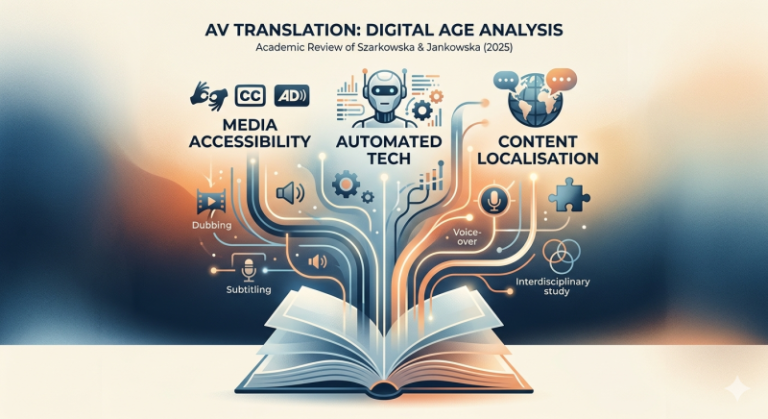
April 22, 2026, Bangkok – This academic article aims to analyze and critically examine Introducing Audiovisual Translation by Szarkowska and Jankowska (2025) by employing a qualitative content analysis approach in conjunction with a review of relevant literature, in order to explain the development, theoretical frameworks, and practices of audiovisual translation in the context of the transition to the digital age. The findings indicate that the book plays a significant role in integrating theoretical knowledge with practical application, particularly in the areas of media accessibility, automated technologies, and content localisation in accordance with cultural contexts. Furthermore, it reflects that audiovisual translation is evolving into an increasingly interdisciplinary field and plays an important role in global communication in a sustainable manner.
Introduction
The transformation of digital technologies has profoundly impacted the global media and communication industries. The continuously increasing volume of video content across various platforms reflects the demand for diverse and borderless media consumption (Bolaños García-Escribano, Díaz Cintas, & Massidda, 2021). At the same time, the expansion of streaming platforms and social media has reshaped patterns of access and audience engagement (Lopes da Costa et al., 2022). Within this context, audiovisual translation plays a crucial role in connecting content across languages and cultures.
Introducing Audiovisual Translation by Szarkowska and Jankowska (2025) is a work that systematically and contemporarily presents knowledge in this field. This article aims to analyze the content, structure, and academic contributions of the book.
Literature Review
Audiovisual translation is a field that has continuously developed in the context of technological change. The study by Bolaños García-Escribano, Díaz Cintas, and Massidda (2021) emphasizes the importance of curriculum development and training in audiovisual translation in the digital era, while Chaume (2020) analyzes dubbing as a process that requires the integration of linguistic and technical components in a complex manner.
In another dimension, Lopes da Costa et al. (2022) highlight the impact of digital transformation on the media industry, which directly affects the forms and processes of audiovisual translation. These bodies of literature reflect that audiovisual translation is a convergence of language, technology, and culture, requiring an interdisciplinary analytical framework.
Content Analysis and Finding
The content analysis of the book reveals that its seven-chapter structure is systematically organized, beginning with the establishment of theoretical foundations regarding the multimodal nature of audiovisual communication, which explains the transfer of meaning through visual, auditory, and textual elements.
In terms of subtitling, the book emphasizes temporal and spatial constraints, as well as strategies for effective meaning transfer. The analysis also shows that importance is given to automated technologies that are transforming translators’ workflows.
Regarding dubbing and voice-over, the book reflects the complexity of replacing the original soundtrack, taking into account the alignment between language and visuals, as well as cultural context.
In terms of media accessibility, the book highlights audio description and subtitling for the deaf and hard of hearing as essential mechanisms for ensuring equal access to content.
Discussion
The findings demonstrate that the book plays a significant role in bridging theory and practice in the field of audiovisual translation. Its integrative presentation enables readers to understand the complexity of translation processes in contemporary media contexts. Moreover, the emphasis on media accessibility reflects a key global trend toward inclusivity. The integration of technologies such as artificial intelligence and automation also indicates the future direction of professional development in this field.
Conclusion
In conclusion, Introducing Audiovisual Translation is a work of significant academic and professional value, as it successfully integrates comprehensive and up-to-date knowledge. The analysis in this article indicates that audiovisual translation is a field with a crucial role in global communication and is increasingly evolving toward greater inclusivity and accessibility.
References
- Bolaños García-Escribano, A., Díaz Cintas, J., & Massidda, S. (2021). Latest advancements in audiovisual translation education. The Interpreter and Translator Trainer, 15(1), 1–12. https://doi.org/10.1080/1750399X.2021.1880308
- Chaume, F. (2020). Audiovisual Translation: Dubbing. Routledge
- Lopes da Costa, E. et al. (2022). The impact of digital transformation on media industry. International Journal of Economics and Business Research, 24(4), 471–489
For professional services, please visit: https://www.seaproti.org/practitioners/
About certified translators, translation certifiers, and certified interpreters associated with SEAProTI. The Southeast Asian Association of Professional Translators and Interpreters (SEAProTI) has officially shared the qualifications and requirements for becoming Certified Translators, Translation Certification Providers, and Certified Interpreters in Sections 9 and 10 of the Royal Gazette, which was published by the Prime Minister’s Office in Thailand on July 25, 2024. Certified Translators, Translation Certification Providers, and Certified Interpreters
The Council of State has proposed the enactment of a Royal Decree, granting registered translators and recognised translation certifiers from professional associations or accredited language institutions the authority to provide legally valid translation certification (Letter to SEAProTI dated April 28, 2025)
SEAProTI is the first professional association in Thailand and Southeast Asia to implement a comprehensive certification system for translators, certifiers, and interpreters.
Head Office: Baan Ratchakru Building, No. 33, Room 402, Soi Phahonyothin 5, Phahonyothin Road, Phaya Thai District, Bangkok 10400, Thailand
Email: hello@seaproti.com | Tel.: (+66) 2-114-3128 (Office hours: Mon–Fri, 09:00–17:00).
การแปลโสตทัศน์ในยุคดิจิทัล: การวิเคราะห์เชิงวิชาการจากหนังสือการแนะนำการแปลโสตทัศน์
ผู้เขียน: ภคพร ตันจรารักษ์
22 เมษายน 2026, กรุงเทพมหานคร — บทความวิชาการฉบับนี้มุ่งวิเคราะห์และวิพากษ์หนังสือ การแนะนำการแปลโสตทัศน์ ของศาร์คอฟสกาและยานคอฟสกา (พ.ศ. 2568) โดยใช้แนวทางการวิเคราะห์เนื้อหาเชิงคุณภาพร่วมกับการทบทวนวรรณกรรมที่เกี่ยวข้อง เพื่ออธิบายพัฒนาการ แนวคิดเชิงทฤษฎี และแนวปฏิบัติของการแปลโสตทัศน์ในบริบทของการเปลี่ยนผ่านสู่ยุคดิจิทัล ผลการศึกษาพบว่าหนังสือดังกล่าวมีบทบาทสำคัญในการบูรณาการองค์ความรู้เชิงทฤษฎีกับการปฏิบัติจริง โดยเฉพาะในด้านการเข้าถึงสื่อ เทคโนโลยีอัตโนมัติ และการปรับเนื้อหาให้สอดคล้องกับบริบททางวัฒนธรรม นอกจากนี้ยังสะท้อนให้เห็นว่าการแปลโสตทัศน์กำลังพัฒนาไปสู่สาขาวิชาที่มีลักษณะสหวิทยาการและมีความสำคัญต่อการสื่อสารระดับโลกอย่างยั่งยืน
บทนำ
การเปลี่ยนแปลงทางเทคโนโลยีดิจิทัลได้ส่งผลกระทบอย่างลึกซึ้งต่ออุตสาหกรรมสื่อและการสื่อสารในระดับโลก ปริมาณเนื้อหาวิดีโอที่เพิ่มขึ้นอย่างต่อเนื่องในแพลตฟอร์มต่าง ๆ สะท้อนถึงความต้องการบริโภคสื่อที่หลากหลายและไร้พรมแดน (Bolaños García-Escribano, Díaz Cintas, & Massidda, พ.ศ. 2564) ขณะเดียวกัน การขยายตัวของแพลตฟอร์มสตรีมมิงและสื่อสังคมออนไลน์ได้เปลี่ยนรูปแบบการเข้าถึงและการมีส่วนร่วมของผู้ชม (Lopes da Costa และคณะ, พ.ศ. 2565) ภายใต้บริบทดังกล่าว การแปลโสตทัศน์จึงมีบทบาทสำคัญในการเชื่อมโยงเนื้อหาข้ามภาษาและวัฒนธรรม โดยหนังสือ การแนะนำการแปลโสตทัศน์ ของศาร์คอฟสกาและยานคอฟสกา (พ.ศ. 2568) เป็นผลงานที่นำเสนอองค์ความรู้ในสาขานี้อย่างเป็นระบบและทันสมัย บทความนี้มีวัตถุประสงค์เพื่อวิเคราะห์เนื้อหา โครงสร้าง และคุณูปการของหนังสือดังกล่าวในเชิงวิชาการ
ทบทวนวรรณกรรม
การแปลโสตทัศน์เป็นสาขาที่มีการพัฒนาอย่างต่อเนื่องในบริบทของการเปลี่ยนแปลงทางเทคโนโลยี งานศึกษาของ Bolaños García-Escribano, Díaz Cintas และ Massidda (พ.ศ. 2564) เน้นถึงความสำคัญของการพัฒนาหลักสูตรและการฝึกอบรมด้านการแปลโสตทัศน์ในยุคดิจิทัล ขณะที่ Chaume (พ.ศ. 2563) วิเคราะห์การพากย์เสียงในฐานะกระบวนการที่ต้องผสานองค์ประกอบทางภาษาและเทคนิคอย่างซับซ้อน
ในอีกมิติหนึ่ง Lopes da Costa และคณะ (พ.ศ. 2565) ชี้ให้เห็นถึงผลกระทบของการเปลี่ยนผ่านสู่ดิจิทัลต่ออุตสาหกรรมสื่อ ซึ่งส่งผลโดยตรงต่อรูปแบบและกระบวนการของการแปลโสตทัศน์ วรรณกรรมเหล่านี้สะท้อนว่าการแปลโสตทัศน์เป็นพื้นที่บรรจบของภาษา เทคโนโลยี และวัฒนธรรม ซึ่งต้องอาศัยกรอบการวิเคราะห์แบบสหวิทยาการ
วิเคราะห์เนื้อหาและสิ่งที่ค้นพบ
การวิเคราะห์เนื้อหาของหนังสือพบว่าโครงสร้างทั้งเจ็ดบทได้รับการออกแบบอย่างเป็นระบบ เริ่มจากการวางรากฐานเชิงทฤษฎีเกี่ยวกับลักษณะพหุสื่อของการสื่อสารโสตทัศน์ ซึ่งช่วยอธิบายการถ่ายทอดความหมายผ่านองค์ประกอบด้านภาพ เสียง และข้อความ
ในส่วนของการทำคำบรรยาย หนังสือได้เน้นถึงข้อจำกัดด้านเวลาและพื้นที่ รวมถึงกลยุทธ์ในการถ่ายทอดความหมายอย่างมีประสิทธิภาพ การวิเคราะห์ยังพบว่ามีการให้ความสำคัญกับเทคโนโลยีอัตโนมัติที่เข้ามามีบทบาทในการเปลี่ยนแปลงกระบวนการทำงานของผู้แปล
ด้านการพากย์เสียงและการบรรยายเสียงทับ หนังสือสะท้อนถึงความซับซ้อนของการแทนที่เสียงต้นฉบับ โดยต้องคำนึงถึงความสอดคล้องระหว่างภาษาและภาพ รวมถึงบริบททางวัฒนธรรม
ในมิติของการเข้าถึงสื่อ หนังสือให้ความสำคัญกับการพรรณนาเสียงและคำบรรยายสำหรับผู้บกพร่องทางการได้ยิน ซึ่งเป็นกลไกสำคัญในการสร้างความเท่าเทียมในการเข้าถึงเนื้อหา
อภิปรายผล
ผลการวิเคราะห์แสดงให้เห็นว่าหนังสือเล่มนี้มีบทบาทสำคัญในการเชื่อมโยงระหว่างทฤษฎีกับการปฏิบัติในสาขาการแปลโสตทัศน์ การนำเสนอเนื้อหาในลักษณะบูรณาการช่วยให้ผู้อ่านสามารถเข้าใจความซับซ้อนของกระบวนการแปลในบริบทสื่อร่วมสมัย นอกจากนี้ การเน้นประเด็นการเข้าถึงสื่อยังสะท้อนถึงแนวโน้มสำคัญในระดับสากลที่มุ่งส่งเสริมความเท่าเทียม การผสานเทคโนโลยี เช่น ปัญญาประดิษฐ์และระบบอัตโนมัติ ยังบ่งชี้ถึงทิศทางของการพัฒนาวิชาชีพในอนาคต
สรุป
โดยสรุป หนังสือ การแนะนำการแปลโสตทัศน์ เป็นผลงานที่มีคุณค่าเชิงวิชาการและเชิงวิชาชีพอย่างยิ่ง เนื่องจากสามารถบูรณาการองค์ความรู้ที่ครอบคลุมและทันสมัย การวิเคราะห์ในบทความนี้ชี้ให้เห็นว่าการแปลโสตทัศน์เป็นสาขาที่มีบทบาทสำคัญต่อการสื่อสารระดับโลก และมีแนวโน้มพัฒนาไปสู่รูปแบบที่เน้นความครอบคลุมและการเข้าถึงมากยิ่งขึ้น
เอกสารอ้างอิง
- Bolaños García-Escribano, A., Díaz Cintas, J., & Massidda, S. (พ.ศ. 2564). ความก้าวหน้าล่าสุดในการศึกษาการแปลโสตทัศน์. วารสารการฝึกอบรมนักล่ามและนักแปล, 15(1), 1–12. https://doi.org/10.1080/1750399X.2021.1880308
- Chaume, F. (พ.ศ. 2563). การแปลโสตทัศน์: การพากย์เสียง. รูทเลดจ์
- Lopes da Costa, E. et al. (พ.ศ. 2565). ผลกระทบของการเปลี่ยนผ่านสู่ดิจิทัลต่ออุตสาหกรรมสื่อ. วารสารนานาชาติด้านเศรษฐศาสตร์และการวิจัยธุรกิจ, 24(4), 471–489
ติดต่อขอใช้บริการนักวิชาชีพของสมาคมได้ที่:https://www.seaproti.org/practitioners/
สมาคมวิชาชีพนักแปลและล่ามแห่งเอเชียตะวันออกเฉียงใต้ (SEAProTI) ได้ประกาศหลักเกณฑ์และคุณสมบัติของผู้ที่ขึ้นทะเบียนเป็น “นักแปลรับรอง (Certified Translators) และผู้รับรองการแปล (Translation Certification Providers) และล่ามรับรอง (Certified Interpreters)” ของสมาคม หมวดที่ 9 และหมวดที่ 10 ในราชกิจจานุเบกษา ของสำนักเลขาธิการคณะรัฐมนตรี ในสำนักนายกรัฐมนตรี แห่งราชอาณาจักรไทย ลงวันที่ 25 ก.ค. 2567 เล่มที่ 141 ตอนที่ 66 ง หน้า 100 อ่านฉบับเต็มได้ที่: นักแปลรับรอง ผู้รับรองการแปล และล่ามรับรอง
สำนักคณะกรรมการกฤษฎีกาเสนอให้ตราเป็นพระราชกฤษฎีกา โดยกำหนดให้นักแปลที่ขึ้นทะเบียน รวมถึงผู้รับรองการแปลจากสมาคมวิชาชีพหรือสถาบันสอนภาษาที่มีการอบรมและขึ้นทะเบียน สามารถรับรองคำแปลได้ (จดหมายถึงสมาคม SEAProTI ลงวันที่ 28 เม.ย. 2568)
สมาคมวิชาชีพนักแปลและล่ามแห่งเอเชียตะวันออกเฉียงใต้เป็นสมาคมวิชาชีพแห่งแรกและแห่งเดียวในประเทศไทยและภูมิภาคเอเชียตะวันออกเฉียงใต้ที่มีระบบรับรองนักแปลรับรอง ผู้รับรองการแปล และล่ามรับรอง
สำนักงานใหญ่: อาคารบ้านราชครู เลขที่ 33 ห้อง 402 ซอยพหลโยธิน 5 ถนนพหลโยธิน แขวงพญาไท เขตพญาไท กรุงเทพมหานคร 10400 ประเทศไทย
อีเมล: hello@seaproti.com โทรศัพท์: (+66) 2-114-3128(เวลาทำการ: วันจันทร์–วันศุกร์ เวลา 09.00–17.00 น.)