


Ghost Subtitles: Challenges in Subtitle Quality on Global Streaming Platforms
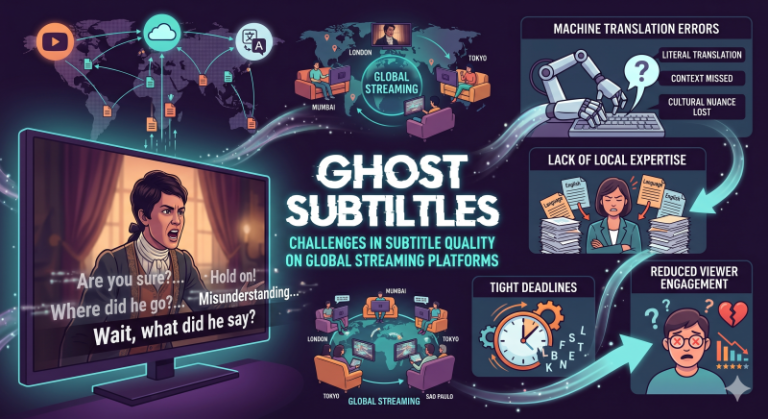
April 17, 2026, Bangkok – The rapid growth of global streaming platforms over the past decade has significantly expanded access to multilingual content for audiences worldwide. However, this expansion has also brought challenges related to subtitle quality, particularly the phenomenon known as “ghost subtitles.” This term refers to subtitles that appear too quickly or disappear before viewers can fully read and comprehend them. This article aims to analyse the nature of this issue, its impact on viewers, and potential solutions based on recent research, in order to support the development of subtitle standards that prioritise user experience.
Introduction
In the context of media globalisation, subtitles have become a crucial tool for connecting audiences across languages and cultures. The rise of streaming platforms such as Netflix, Disney+, and various regional services has accelerated the production and distribution of content on an unprecedented scale. However, the pressure to rapidly produce and translate content to meet global demand has led to a decline in subtitle quality in many cases, particularly in terms of display speed and duration. As a result, the phenomenon of “ghost subtitles” has gained increasing attention in the fields of translation studies and digital media.
Characteristics of Ghost Subtitles
Ghost subtitles refer to subtitles that are displayed at a speed that exceeds viewers’ reading capacity or remain on screen for too short a duration to be effectively processed. Research by Kruger and Liao (2025) indicates that a significant proportion of subtitles on streaming platforms exceed recommended readability standards, which are typically around 20 characters per second. Additionally, some subtitles appear on screen for less than a second, making it nearly impossible for viewers to read them in time. This issue can result in viewers missing critical information, particularly at the end of fast-paced dialogue.
Impact on Viewers and Accessibility
The effects of ghost subtitles extend beyond mere inconvenience and directly influence viewers’ comprehension and cognitive processing. When subtitles are displayed too quickly, viewers must exert greater effort to read and interpret them, increasing cognitive load and potentially leading to fatigue. In some cases, viewers may skip parts of the subtitles altogether, resulting in an incomplete understanding of the content. This issue is especially significant for audiences who rely heavily on subtitles, such as individuals with hearing impairments or those consuming content in a foreign language.
Furthermore, the problem is not evenly distributed across all types of content. It is particularly prevalent in Korean thrillers, Turkish dramas, and Mandarin-language films, where rapid dialogue and complex linguistic structures pose additional challenges for subtitle translation and timing.
Solutions and Policy Recommendations
Kruger and Liao (2025) propose that streaming platforms should improve subtitle standards by regulating display speed in accordance with actual reading behaviour and extending subtitle duration in cases of dense or complex content. They also emphasize the importance of adapting subtitles to the linguistic and cultural context of different audiences. Additionally, integrating technological solutions such as AI-driven quality checks could help ensure consistent subtitle performance.
These recommendations highlight the need to shift the perception of subtitles from being merely a translation tool to becoming an integral component of user experience design, requiring interdisciplinary expertise in language, technology, and audience behaviour.
Discussion and Conclusion
Although ghost subtitles may appear to be a technical issue, they are in fact rooted in broader structural dynamics within the media industry, particularly the emphasis on speed and volume of content production. Addressing this challenge requires collaboration among content producers, translators, and streaming platforms to establish standards that prioritise the viewer.
In conclusion, ghost subtitles represent a critical indicator of the challenges facing the digital media industry in a globalised era. Improving subtitle quality is not only a matter of viewing convenience but also a question of equitable access to information and cultural content on a global scale.
References
- Díaz Cintas, J., & Remael, A. (2021). Subtitling: Concepts and practices. Routledge.
- Kruger, J. L., & Liao, S. (2025). Subtitle processing and viewing experience in streaming media: Addressing the challenge of “ghost subtitles”. Journal of Audiovisual Translation Studies, 8(1), 45–62.
For professional services, please visit: https://www.seaproti.org/practitioners/
About certified translators, translation certifiers, and certified interpreters associated with SEAProTI.
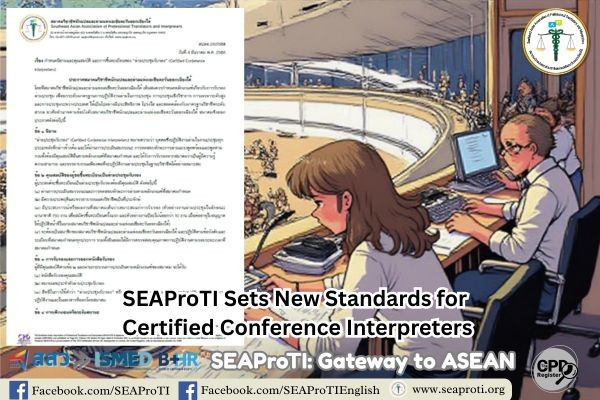
The Southeast Asian Association of Professional Translators and Interpreters (SEAProTI) has officially shared the qualifications and requirements for becoming Certified Translators, Translation Certification Providers, and Certified Interpreters in Sections 9 and 10 of the Royal Gazette, which was published by the Prime Minister’s Office in Thailand on July 25, 2024. Certified Translators, Translation Certification Providers, and Certified Interpreters
The Council of State has proposed the enactment of a Royal Decree, granting registered translators and recognised translation certifiers from professional associations or accredited language institutions the authority to provide legally valid translation certification (Letter to SEAProTI dated April 28, 2025)
SEAProTI is the first professional association in Thailand and Southeast Asia to implement a comprehensive certification system for translators, certifiers, and interpreters.
Head Office: Baan Ratchakru Building, No. 33, Room 402, Soi Phahonyothin 5, Phahonyothin Road, Phaya Thai District, Bangkok 10400, Thailand
Email: hello@seaproti.com | Tel.: (+66) 2-114-3128 (Office hours: Mon–Fri, 09:00–17:00).
Ghost Subtitles: ความท้าทายด้านคุณภาพซับไตเติลในแพลตฟอร์มสตรีมมิงระดับโลก
17 เมษายน 2569, กรุงเทพ – การเติบโตของแพลตฟอร์มสตรีมมิงระดับโลกในช่วงทศวรรษที่ผ่านมาได้ส่งผลให้เนื้อหาหลากหลายภาษาเข้าถึงผู้ชมในวงกว้างมากขึ้น อย่างไรก็ตาม การขยายตัวดังกล่าวกลับมาพร้อมกับปัญหาด้านคุณภาพของซับไตเติล โดยเฉพาะปรากฏการณ์ที่เรียกว่า “ghost subtitles” ซึ่งหมายถึงซับไตเติลที่แสดงผลเร็วเกินไปหรือหายไปก่อนที่ผู้ชมจะสามารถอ่านและทำความเข้าใจได้ทัน บทความนี้มีวัตถุประสงค์เพื่อวิเคราะห์ลักษณะของปัญหา ผลกระทบต่อผู้ชม และแนวทางแก้ไขตามข้อเสนอของงานวิจัยล่าสุด เพื่อสนับสนุนการพัฒนามาตรฐานซับไตเติลที่คำนึงถึงประสบการณ์ผู้ใช้เป็นสำคัญ
บทนำ
ในบริบทของโลกาภิวัตน์ทางสื่อ ซับไตเติลได้กลายเป็นเครื่องมือสำคัญในการเชื่อมโยงผู้ชมจากหลากหลายภาษาและวัฒนธรรมเข้าด้วยกัน การเพิ่มขึ้นของแพลตฟอร์มสตรีมมิง เช่น Netflix, Disney+ และแพลตฟอร์มระดับภูมิภาค ได้เร่งให้เกิดการผลิตและเผยแพร่เนื้อหาในระดับที่ไม่เคยมีมาก่อน อย่างไรก็ตาม ความเร่งรีบในการผลิตและแปลเนื้อหาเพื่อตอบสนองตลาดโลก กลับทำให้คุณภาพของซับไตเติลในหลายกรณีลดลง โดยเฉพาะในด้านความเร็วและระยะเวลาในการแสดงผล ปรากฏการณ์ “ghost subtitles” จึงกลายเป็นประเด็นที่ได้รับความสนใจเพิ่มขึ้นในแวดวงวิชาการด้านการแปลและสื่อดิจิทัล
ลักษณะของปัญหา Ghost Subtitles
Ghost subtitles หมายถึงซับไตเติลที่มีความเร็วในการแสดงผลสูงเกินไป หรือมีระยะเวลาการปรากฏบนหน้าจอสั้นเกินกว่าที่ผู้ชมจะอ่านและประมวลผลได้ทัน งานวิจัยของ Kruger และ Liao (2025) ชี้ให้เห็นว่าซับไตเติลจำนวนไม่น้อยในแพลตฟอร์มสตรีมมิงมีความเร็วเกินมาตรฐานที่แนะนำ ซึ่งโดยทั่วไปอยู่ที่ประมาณ 20 ตัวอักษรต่อวินาที นอกจากนี้ ยังพบว่าซับไตเติลบางส่วนปรากฏบนหน้าจอเพียงช่วงเวลาสั้นมาก จนไม่เพียงพอต่อการอ่านอย่างมีประสิทธิภาพ ปัญหาดังกล่าวส่งผลให้ผู้ชมพลาดข้อมูลสำคัญ โดยเฉพาะในช่วงท้ายของประโยคที่มีการเปลี่ยนแปลงอย่างรวดเร็ว
ผลกระทบต่อผู้ชมและการเข้าถึงเนื้อหา
ผลกระทบของ ghost subtitles ไม่ได้จำกัดอยู่เพียงความไม่สะดวกในการรับชม แต่ยังเกี่ยวข้องกับกระบวนการรับรู้และความเข้าใจของผู้ชมโดยตรง เมื่อซับไตเติลแสดงผลเร็วเกินไป ผู้ชมต้องใช้ความพยายามมากขึ้นในการอ่านและตีความ ซึ่งเพิ่มภาระทางปัญญาและอาจนำไปสู่ความเหนื่อยล้าในการรับชม ในบางกรณี ผู้ชมอาจเลือกละเลยซับไตเติลบางส่วน ส่งผลให้การรับรู้เนื้อหาไม่ครบถ้วน ปัญหานี้ยิ่งมีความสำคัญมากขึ้นสำหรับกลุ่มผู้ชมที่พึ่งพาซับไตเติลเป็นหลัก เช่น ผู้ที่มีความบกพร่องทางการได้ยิน หรือผู้ชมที่รับชมเนื้อหาภาษาต่างประเทศ
นอกจากนี้ ยังพบว่าปัญหา ghost subtitles ไม่ได้กระจายอย่างเท่าเทียมในทุกประเภทเนื้อหา โดยเฉพาะในซีรีส์เกาหลี ละครตุรกี และภาพยนตร์ภาษาจีน ซึ่งมักมีจังหวะบทสนทนาที่รวดเร็วและโครงสร้างภาษาที่ซับซ้อน ทำให้การแปลและการจัดเวลาซับไตเติลมีความท้าทายมากยิ่งขึ้น
แนวทางการแก้ไขและข้อเสนอเชิงนโยบาย
งานวิจัยของ Kruger และ Liao (2025) เสนอให้แพลตฟอร์มสตรีมมิงปรับปรุงมาตรฐานการจัดทำซับไตเติล โดยเน้นการควบคุมความเร็วในการแสดงผลให้เหมาะสมกับพฤติกรรมการอ่านของผู้ชม รวมถึงการเพิ่มระยะเวลาแสดงผลในกรณีที่เนื้อหามีความซับซ้อน นอกจากนี้ ยังควรมีการปรับซับไตเติลให้สอดคล้องกับบริบททางภาษาและวัฒนธรรมของผู้ชมในแต่ละภูมิภาค ตลอดจนการนำเทคโนโลยีเข้ามาช่วยตรวจสอบและประเมินคุณภาพของซับไตเติลอย่างต่อเนื่อง
แนวทางดังกล่าวสะท้อนให้เห็นถึงความจำเป็นในการเปลี่ยนมุมมองจากการมองซับไตเติลเป็นเพียงเครื่องมือแปลภาษา ไปสู่การมองว่าเป็นองค์ประกอบสำคัญของการออกแบบประสบการณ์ผู้ใช้ ซึ่งต้องอาศัยทั้งความรู้ด้านภาษา เทคโนโลยี และพฤติกรรมผู้ชม
อภิปรายและข้อสรุป
แม้ว่า ghost subtitles จะดูเป็นปัญหาเชิงเทคนิค แต่แท้จริงแล้วเป็นผลลัพธ์ของโครงสร้างอุตสาหกรรมที่เน้นความรวดเร็วและปริมาณของเนื้อหา การแก้ไขปัญหานี้จึงต้องอาศัยความร่วมมือจากหลายฝ่าย ทั้งผู้ผลิตเนื้อหา นักแปล และแพลตฟอร์มสตรีมมิง เพื่อพัฒนามาตรฐานที่ให้ความสำคัญกับผู้ชมเป็นศูนย์กลาง
โดยสรุป ปรากฏการณ์ ghost subtitles เป็นตัวชี้วัดสำคัญที่สะท้อนถึงความท้าทายของอุตสาหกรรมสื่อดิจิทัลในยุคโลกาภิวัตน์ การพัฒนาคุณภาพซับไตเติลจึงไม่เพียงเป็นเรื่องของความสะดวกในการรับชม แต่ยังเป็นประเด็นด้านความเท่าเทียมในการเข้าถึงข้อมูลและวัฒนธรรมในระดับโลก
เอกสารอ้างอิง (References)
- Díaz Cintas, J., & Remael, A. (2021). Subtitling: Concepts and practices. Routledge.
- Kruger, J. L., & Liao, S. (2025). Subtitle processing and viewing experience in streaming media: Addressing the challenge of “ghost subtitles”. Journal of Audiovisual Translation Studies, 8(1), 45–62.
ติดต่อขอใช้บริการนักวิชาชีพของสมาคมได้ที่: https://www.seaproti.org/practitioners/
สมาคมวิชาชีพนักแปลและล่ามแห่งเอเชียตะวันออกเฉียงใต้ (SEAProTI) ได้ประกาศหลักเกณฑ์และคุณสมบัติของผู้ที่ขึ้นทะเบียนเป็น “นักแปลรับรอง (Certified Translators) และผู้รับรองการแปล (Translation Certification Providers) และล่ามรับรอง (Certified Interpreters)” ของสมาคม หมวดที่ 9 และหมวดที่ 10 ในราชกิจจานุเบกษา ของสำนักเลขาธิการคณะรัฐมนตรี ในสำนักนายกรัฐมนตรี แห่งราชอาณาจักรไทย ลงวันที่ 25 ก.ค. 2567 เล่มที่ 141 ตอนที่ 66 ง หน้า 100 อ่านฉบับเต็มได้ที่: นักแปลรับรอง ผู้รับรองการแปล และล่ามรับรอง
สำนักคณะกรรมการกฤษฎีกาเสนอให้ตราเป็นพระราชกฤษฎีกา โดยกำหนดให้นักแปลที่ขึ้นทะเบียน รวมถึงผู้รับรองการแปลจากสมาคมวิชาชีพหรือสถาบันสอนภาษาที่มีการอบรมและขึ้นทะเบียน สามารถรับรองคำแปลได้ (จดหมายถึงสมาคม SEAProTI ลงวันที่ 28 เม.ย. 2568)
สมาคมวิชาชีพนักแปลและล่ามแห่งเอเชียตะวันออกเฉียงใต้เป็นสมาคมวิชาชีพแห่งแรกและแห่งเดียวในประเทศไทยและภูมิภาคเอเชียตะวันออกเฉียงใต้ที่มีระบบรับรองนักแปลรับรอง ผู้รับรองการแปล และล่ามรับรอง
สำนักงานใหญ่: อาคารบ้านราชครู เลขที่ 33 ห้อง 402 ซอยพหลโยธิน 5 ถนนพหลโยธิน แขวงพญาไท เขตพญาไท กรุงเทพมหานคร 10400 ประเทศไทย
อีเมล: hello@seaproti.com โทรศัพท์: (+66) 2-114-3128 (เวลาทำการ: วันจันทร์–วันศุกร์ เวลา 09.00–17.00 น.