



The Distinction Between Document Translation and Legal Validity: An Analysis of Document Authentication Processes for International Use
Author: Wanitcha Sumanat, President of the Southeast Asian Association of Translators and Interpreters; Arbitrator, Mediator, and Professional Legal Linguist
Abstract
This article aims to analyze common misconceptions regarding the role of document translation in an international context, particularly when documents are used in legal or administrative processes abroad. Although translations may be linguistically accurate, documents may still lack legal validity if they have not undergone authentication procedures such as an Apostille or legalization. This article presents a conceptual framework of legal validity in the international context, explains document authentication processes, and discusses the role of translators as participants in cross-border legal systems.
Keywords: document translation, Apostille, document authentication, international law, official documents
Introduction
In the context of globalization, cross-border mobility for purposes such as education, employment, and long-term residence has increased significantly, resulting in a growing demand for the use of personal and official documents abroad (Hague Conference on Private International Law [HCCH], 2023). However, general users’ understanding of document preparation processes remains limited, particularly regarding the relationship between document translation and legal validity.
Users often assume that translating a document into the target language constitutes the final step necessary for international use. In practice, however, such documents must undergo authentication procedures in accordance with international law and the domestic legal requirements of the destination country, which are essential conditions for official acceptance (Notarius International, 2012).
Document Translation and Legal Validity
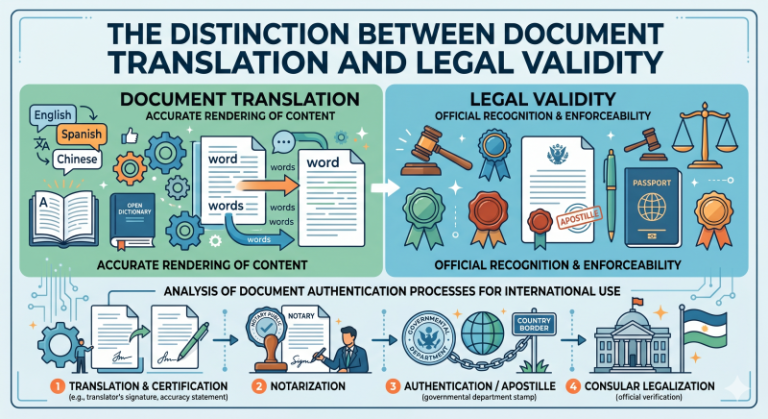
Document translation is the process of transferring meaning from one language to another, to preserve the accuracy and completeness of content (Munday, 2016). However, in a legal context, linguistic accuracy alone is insufficient to confer legal validity on a document.
The legal validity of documents used abroad depends on the authentication of the original document, as well as the reliability of the processes involved in its preparation and translation. This is particularly evident under the framework of the 1961 Hague Convention Abolishing the Requirement of Legalisation for Foreign Public Documents (Apostille Convention), which establishes Apostille certification as a key mechanism for enabling documents to be recognized in contracting states (HCCH, 1961/2023).
Document Authentication Processes in the International Context
The authentication of documents for international use typically involves a multi-step process that varies depending on the legal requirements of each country. Generally, the process begins with the authentication of the original document through Apostille or legalization, verifying the authenticity of signatures and the authority of the issuing official. This is followed by translation carried out by a recognized or certified translator.
In certain cases, the translation itself must undergo additional certification, such as notarization or official endorsement by relevant authorities. In some jurisdictions, the translated document may also require a separate Apostille to ensure its admissibility as legal evidence.
Failure to complete any of these steps may result in the rejection of the document, even if the translation is linguistically accurate. This underscores that content accuracy alone does not determine a document’s usability (Notarius International, 2012).
The Role of Translators in International Legal Processes
Based on the foregoing analysis, the role of translators in this context extends beyond linguistic transfer. Translators are integral to the process of establishing credibility and legal reliability of documents at the international level. They must possess an understanding of the legal requirements of the destination country, as well as the standards governing official documents and authentication procedures.
This expanded role aligns with the functionalist approach to translation, which emphasizes the purpose and function of the translated text rather than linguistic equivalence alone. This approach highlights the importance of context and intended use within the legal and social systems of the target environment (Nord, 1997).
Discussion
Practical experience indicates that many users prioritize linguistic accuracy while overlooking the importance of authentication procedures. This often leads to complications during document submission, including rejection by authorities or delays in processing.
Therefore, providing accurate information and guidance regarding document authentication from the outset is crucial, particularly in time-sensitive situations where errors in any step may significantly affect travel plans or personal arrangements.
Conclusion
Document translation alone is insufficient for international use, particularly in legal or administrative contexts. Legal validity depends on the completion of appropriate authentication procedures in accordance with the requirements of the destination country.
Accordingly, translation service providers should play a proactive role in advising clients on procedural requirements in addition to providing translation services. This ensures that documents are not only accurate but also legally effective and accepted in international contexts.
References
- Hague Conference on Private International Law. (1961/2023). Convention of 5 October 1961 Abolishing the Requirement of Legalisation for Foreign Public Documents (Apostille Convention). https://www.hcch.net
- Hague Conference on Private International Law. (2023). The Apostille Handbook: A Handbook on the Practical Operation of the Apostille Convention. HCCH Publications.
- Munday, J. (2016). Introducing translation studies: Theories and applications (4th ed.). Routledge.
- Nord, C. (1997). Translating as a purposeful activity: Functionalist approaches explained. St. Jerome Publishing.
- Notarius International. (2012). The role of notaries in international document authentication. International Union of Notaries.
For professional services, please visit: https://www.seaproti.org/practitioners/
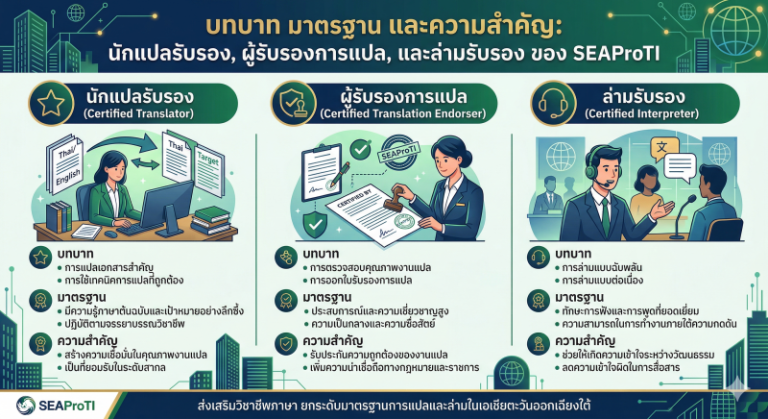
About certified translators, translation certifiers, and certified interpreters associated with SEAProTI.
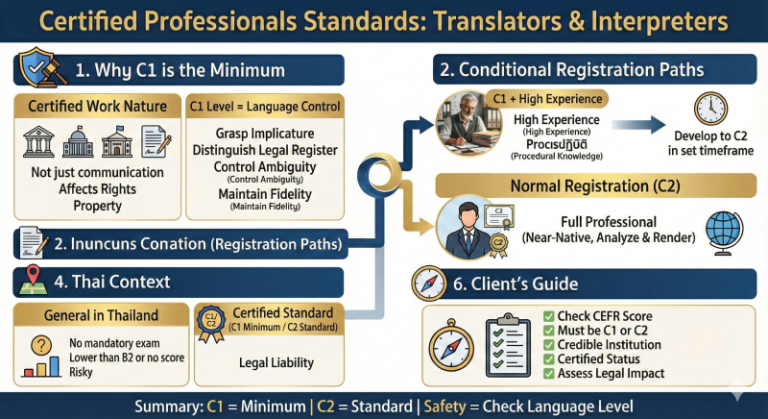
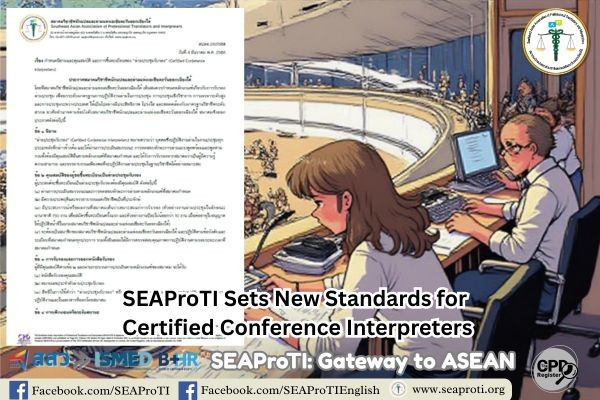
The Southeast Asian Association of Professional Translators and Interpreters (SEAProTI) has officially shared the qualifications and requirements for becoming Certified Translators, Translation Certification Providers, and Certified Interpreters in Sections 9 and 10 of the Royal Gazette, which was published by the Prime Minister’s Office in Thailand on July 25, 2024. Certified Translators, Translation Certification Providers, and Certified Interpreters
The Council of State has proposed the enactment of a Royal Decree, granting registered translators and recognised translation certifiers from professional associations or accredited language institutions the authority to provide legally valid translation certification (Letter to SEAProTI dated April 28, 2025)
SEAProTI is the first professional association in Thailand and Southeast Asia to implement a comprehensive certification system for translators, certifiers, and interpreters.
Head Office: Baan Ratchakru Building, No. 33, Room 402, Soi Phahonyothin 5, Phahonyothin Road, Phaya Thai District, Bangkok 10400, Thailand
Email: hello@seaproti.com | Tel.: (+66) 2-114-3128 (Office hours: Mon–Fri, 09:00–17:00).
ความแตกต่างระหว่าง “การแปลเอกสาร” และ “ความมีผลใช้บังคับทางกฎหมาย”: การวิเคราะห์กระบวนการรับรองเอกสารสำหรับการใช้งานระหว่างประเทศ
ผู้แต่ง วณิชชา สุมานัส นายกสมาคมวิชาชีพนักแปลและล่ามแห่งเอเชียตะวันออกเฉียงใต้ อนุญาโตตุลาการ ผู้ไกล่เกลี่ย และนักนิติภาษาศาสตร์วิชาชีพ
บทคัดย่อ
บทความนี้มีวัตถุประสงค์เพื่อวิเคราะห์ความเข้าใจคลาดเคลื่อนเกี่ยวกับบทบาทของการแปลเอกสารในบริบทระหว่างประเทศ โดยเฉพาะในกรณีที่เอกสารถูกนำไปใช้ในกระบวนการทางกฎหมายหรือราชการในต่างประเทศ แม้ว่าการแปลจะมีความถูกต้องเชิงภาษา แต่หากขาดกระบวนการรับรอง เช่น Apostille หรือการรับรองเอกสาร (legalization) เอกสารดังกล่าวอาจไม่สามารถใช้ได้อย่างมีผลทางกฎหมาย บทความนี้นำเสนอกรอบแนวคิดเกี่ยวกับความมีผลใช้บังคับของเอกสารในระดับสากล อธิบายกระบวนการรับรองเอกสาร และอภิปรายบทบาทของนักแปลในฐานะผู้มีส่วนร่วมในระบบกฎหมายข้ามพรมแดน
คำสำคัญ: การแปลเอกสาร, Apostille, การรับรองเอกสาร, กฎหมายระหว่างประเทศ, เอกสารราชการ
บทนำ
ในบริบทของโลกาภิวัตน์ การเคลื่อนย้ายบุคคลระหว่างประเทศเพื่อวัตถุประสงค์ด้านการศึกษา การทำงาน และการพำนักระยะยาวได้เพิ่มขึ้นอย่างมีนัยสำคัญ ส่งผลให้ความต้องการใช้เอกสารส่วนบุคคลและเอกสารทางราชการในต่างประเทศขยายตัวตามไปด้วย (Hague Conference on Private International Law [HCCH], 2023) อย่างไรก็ตาม ความเข้าใจของผู้ใช้บริการทั่วไปเกี่ยวกับกระบวนการเตรียมเอกสารยังคงจำกัด โดยเฉพาะในประเด็นที่เกี่ยวข้องกับความสัมพันธ์ระหว่าง “การแปลเอกสาร” และ “ความมีผลใช้บังคับทางกฎหมาย”
โดยทั่วไป ผู้ใช้บริการมักเข้าใจว่าการแปลเอกสารให้เป็นภาษาปลายทางเป็นขั้นตอนสุดท้ายที่เพียงพอสำหรับการนำไปใช้งานในต่างประเทศ แต่ในทางปฏิบัติ เอกสารดังกล่าวต้องผ่านกระบวนการรับรองตามข้อกำหนดของกฎหมายระหว่างประเทศและกฎหมายภายในของประเทศปลายทาง ซึ่งเป็นเงื่อนไขสำคัญในการยอมรับเอกสารดังกล่าวในเชิงทางการ (Notarius International, 2012)
การแปลเอกสารกับความมีผลใช้บังคับทางกฎหมาย
การแปลเอกสารเป็นกระบวนการถ่ายทอดความหมายจากภาษาหนึ่งไปสู่อีกภาษาหนึ่ง โดยมีเป้าหมายเพื่อรักษาความถูกต้องและความสมบูรณ์ของเนื้อหา (Munday, 2016) อย่างไรก็ตาม ในบริบททางกฎหมาย ความถูกต้องของเนื้อหาเพียงอย่างเดียวไม่เพียงพอที่จะทำให้เอกสารมีผลใช้บังคับได้
ความมีผลใช้บังคับของเอกสารในต่างประเทศขึ้นอยู่กับการรับรองความถูกต้องของเอกสารต้นฉบับ รวมถึงความน่าเชื่อถือของกระบวนการจัดทำและการแปลเอกสารนั้น ๆ โดยเฉพาะอย่างยิ่งภายใต้กรอบของอนุสัญญากรุงเฮก ค.ศ. 1961 ว่าด้วยการยกเลิกข้อกำหนดการรับรองเอกสารต่างประเทศ (Apostille Convention) ซึ่งกำหนดให้การรับรองเอกสารโดย Apostille เป็นกลไกสำคัญในการทำให้เอกสารสามารถใช้ได้ในประเทศภาคี (HCCH, 1961/2023)
กระบวนการรับรองเอกสารในบริบทระหว่างประเทศ
กระบวนการรับรองเอกสารสำหรับการใช้งานในต่างประเทศเป็นกระบวนการหลายขั้นตอนที่มีความซับซ้อนและแตกต่างกันไปตามข้อกำหนดของแต่ละประเทศ โดยทั่วไปเริ่มจากการรับรองเอกสารต้นฉบับผ่าน Apostille หรือการรับรองแบบ Legalization เพื่อยืนยันความถูกต้องของลายมือชื่อและสถานะของผู้ออกเอกสาร จากนั้นจึงเข้าสู่กระบวนการแปลโดยนักแปลที่ได้รับการยอมรับ
ในบางกรณี คำแปลต้องได้รับการรับรองเพิ่มเติม เช่น การรับรองโดยโนตารีพับลิก หรือหน่วยงานราชการที่เกี่ยวข้อง และในบางประเทศ คำแปลเองอาจต้องผ่านการทำ Apostille อีกครั้งหนึ่ง เพื่อให้สามารถใช้เป็นหลักฐานในกระบวนการทางกฎหมายได้อย่างสมบูรณ์
ความไม่ครบถ้วนของกระบวนการดังกล่าวอาจส่งผลให้เอกสารถูกปฏิเสธ แม้ว่าจะมีความถูกต้องเชิงภาษาอย่างสมบูรณ์ ซึ่งสะท้อนให้เห็นว่าความถูกต้องของเนื้อหาไม่ใช่ปัจจัยเดียวที่กำหนดความสามารถในการใช้งานของเอกสาร (Notarius International, 2012)
บทบาทของนักแปลในกระบวนการทางกฎหมายระหว่างประเทศ
จากการวิเคราะห์ข้างต้น บทบาทของนักแปลในบริบทนี้จึงไม่ได้จำกัดอยู่เพียงการถ่ายทอดภาษา แต่ขยายไปสู่การเป็นส่วนหนึ่งของกระบวนการสร้างความน่าเชื่อถือและความถูกต้องของเอกสารในระดับสากล นักแปลจำเป็นต้องมีความเข้าใจเกี่ยวกับข้อกำหนดทางกฎหมายของประเทศปลายทาง รวมถึงมาตรฐานของเอกสารราชการและกระบวนการรับรองที่เกี่ยวข้อง
แนวคิดดังกล่าวสอดคล้องกับทฤษฎีการแปลเชิงหน้าที่ (functional translation) ซึ่งมุ่งเน้นผลลัพธ์ของการใช้งาน (function) มากกว่าความถูกต้องเชิงภาษาเพียงอย่างเดียว โดยให้ความสำคัญกับบริบทและวัตถุประสงค์ของเอกสารในระบบสังคมและกฎหมายปลายทาง (Nord, 1997)
อภิปรายผล
จากประสบการณ์เชิงปฏิบัติ พบว่าผู้ใช้บริการจำนวนมากให้ความสำคัญกับความถูกต้องของคำแปลในระดับภาษา โดยมองข้ามความสำคัญของกระบวนการรับรองเอกสาร ส่งผลให้เกิดปัญหาในขั้นตอนการยื่นเอกสาร เช่น การถูกปฏิเสธจากหน่วยงานปลายทาง หรือความล่าช้าในการดำเนินการ
ดังนั้น การให้ข้อมูลและคำแนะนำเกี่ยวกับกระบวนการรับรองเอกสารตั้งแต่ต้นจึงมีความสำคัญอย่างยิ่ง โดยเฉพาะในสถานการณ์ที่มีข้อจำกัดด้านเวลา ซึ่งความผิดพลาดในขั้นตอนใดขั้นตอนหนึ่งอาจส่งผลกระทบต่อแผนการเดินทางหรือการดำเนินชีวิตของผู้ใช้บริการโดยตรง
สรุป
การแปลเอกสารเพียงอย่างเดียวไม่เพียงพอสำหรับการใช้งานในบริบทระหว่างประเทศ โดยเฉพาะในกรณีที่เกี่ยวข้องกับกระบวนการทางกฎหมายหรือราชการ ความมีผลใช้บังคับของเอกสารขึ้นอยู่กับกระบวนการรับรองที่ครบถ้วนและสอดคล้องกับข้อกำหนดของประเทศปลายทาง
ดังนั้น ผู้ให้บริการด้านการแปลควรมีบทบาทในการให้คำแนะนำเชิงกระบวนการ ควบคู่ไปกับการให้บริการแปล เพื่อให้เอกสารสามารถนำไปใช้ได้จริงในระดับสากล และลดความเสี่ยงในการถูกปฏิเสธจากหน่วยงานที่เกี่ยวข้อง
เอกสารอ้างอิง (References)
- Hague Conference on Private International Law. (1961/2023). Convention of 5 October 1961 Abolishing the Requirement of Legalisation for Foreign Public Documents (Apostille Convention). https://www.hcch.net
- Hague Conference on Private International Law. (2023). The Apostille Handbook: A Handbook on the Practical Operation of the Apostille Convention. HCCH Publications.
- Munday, J. (2016). Introducing translation studies: Theories and applications (4th ed.). Routledge.
- Nord, C. (1997). Translating as a purposeful activity: Functionalist approaches explained. St. Jerome Publishing.
- Notarius International. (2012). The role of notaries in international document authentication. International Union of Notaries.
ติดต่อขอใช้บริการนักวิชาชีพของสมาคมได้ที่: https://www.seaproti.org/practitioners/
สมาคมวิชาชีพนักแปลและล่ามแห่งเอเชียตะวันออกเฉียงใต้ (SEAProTI) ได้ประกาศหลักเกณฑ์และคุณสมบัติของผู้ที่ขึ้นทะเบียนเป็น “นักแปลรับรอง (Certified Translators) และผู้รับรองการแปล (Translation Certification Providers) และล่ามรับรอง (Certified Interpreters)” ของสมาคม หมวดที่ 9 และหมวดที่ 10 ในราชกิจจานุเบกษา ของสำนักเลขาธิการคณะรัฐมนตรี ในสำนักนายกรัฐมนตรี แห่งราชอาณาจักรไทย ลงวันที่ 25 ก.ค. 2567 เล่มที่ 141 ตอนที่ 66 ง หน้า 100 อ่านฉบับเต็มได้ที่: นักแปลรับรอง ผู้รับรองการแปล และล่ามรับรอง
สำนักคณะกรรมการกฤษฎีกาเสนอให้ตราเป็นพระราชกฤษฎีกา โดยกำหนดให้นักแปลที่ขึ้นทะเบียน รวมถึงผู้รับรองการแปลจากสมาคมวิชาชีพหรือสถาบันสอนภาษาที่มีการอบรมและขึ้นทะเบียน สามารถรับรองคำแปลได้ (จดหมายถึงสมาคม SEAProTI ลงวันที่ 28 เม.ย. 2568)
สมาคมวิชาชีพนักแปลและล่ามแห่งเอเชียตะวันออกเฉียงใต้เป็นสมาคมวิชาชีพแห่งแรกและแห่งเดียวในประเทศไทยและภูมิภาคเอเชียตะวันออกเฉียงใต้ที่มีระบบรับรองนักแปลรับรอง ผู้รับรองการแปล และล่ามรับรอง
สำนักงานใหญ่: อาคารบ้านราชครู เลขที่ 33 ห้อง 402 ซอยพหลโยธิน 5 ถนนพหลโยธิน แขวงพญาไท เขตพญาไท กรุงเทพมหานคร 10400 ประเทศไทย
อีเมล: hello@seaproti.com โทรศัพท์: (+66) 2-114-3128 (เวลาทำการ: วันจันทร์–วันศุกร์ เวลา 09.00–17.00 น.