



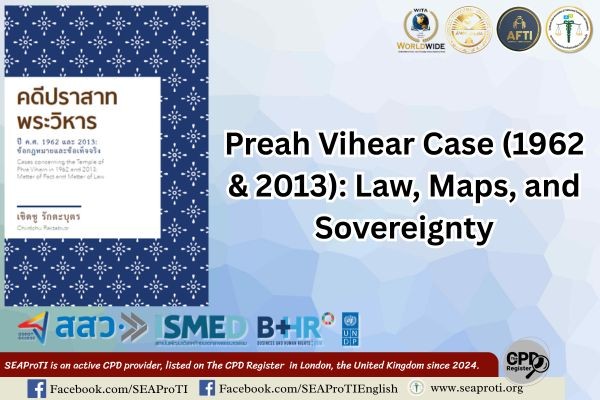
The case concerning the Temple of Preah Vihear between Thailand and Cambodia represents a landmark study in international law, illustrating the intricate relationship between geographical facts, treaty provisions, and legal interpretation, particularly in disputes over territorial sovereignty. The book Cases concerning the Temple of Phra Viharn in 1962 and 2013: Matter of Fact and Matter of Law by Chirdchu Raktabutr provides a comprehensive and analytical examination of the origins of the dispute, as well as the evolution of the legal reasoning adopted by the International Court of Justice (ICJ) in its judgments at two critical points in time.
The origins of the dispute lie in the preparation of a map by the Franco–Siamese Mixed Commission, which was mandated to delimit the boundary in accordance with treaty obligations. Although the map placed the Temple of Preah Vihear on the Cambodian side, the actual geographical features and the principle of watershed delimitation indicated that the temple was situated within Thai territory. This inconsistency between the map and the physical terrain became the central issue in the dispute. Despite the fact that the map was never formally approved by the Mixed Commission, it was nevertheless used and relied upon by both parties over a prolonged period, thereby acquiring legal significance.
In its 1962 judgment, the ICJ did not base its decision primarily on geographical facts but instead focused on the conduct of the parties, particularly Thailand’s failure to object to the map over an extended period. The Court applied the doctrines of acquiescence and estoppel, effectively precluding Thailand from denying the validity of the map. As a result, the Court held that the Temple of Preah Vihear was under the sovereignty of Cambodia. At the same time, the Court made it clear that the scope of the case was limited to the issue of sovereignty over the temple and did not extend to the broader question of boundary delimitation between the two states.
However, the dispute did not end with the 1962 judgment. Instead, it became increasingly complex as efforts were made to expand the scope of the dispute to include surrounding areas. In 2013, the ICJ issued an interpretation of its earlier judgment, providing clarification regarding the extent of the “vicinity” of the temple from which Thailand was required to withdraw its military forces. The Court determined that this area included the promontory of the Temple of Preah Vihear, characterized by clearly defined geographical features. Nevertheless, the interpretation remained linked to the Annex I map, which itself did not accurately reflect the actual geographical conditions.
As the author argues, the two judgments have not fully resolved the dispute, particularly with regard to boundary delimitation and adjacent areas that remain contested. This situation highlights the limitations of international adjudication in addressing disputes deeply rooted in historical, political, and geographical complexities. Consequently, diplomatic negotiation between the parties continues to play a crucial role in seeking a comprehensive and lasting resolution.
In conclusion, the book goes beyond presenting the factual background of the case by offering valuable insights into the dynamic nature of international law in reconciling legal principles with factual realities. It demonstrates that, in certain circumstances, legal doctrines may prevail over geographical facts, providing an important lesson for the study of international law and the conduct of interstate relations in the context of territorial disputes.
For professional services, please visit: https://www.seaproti.org/practitioners/
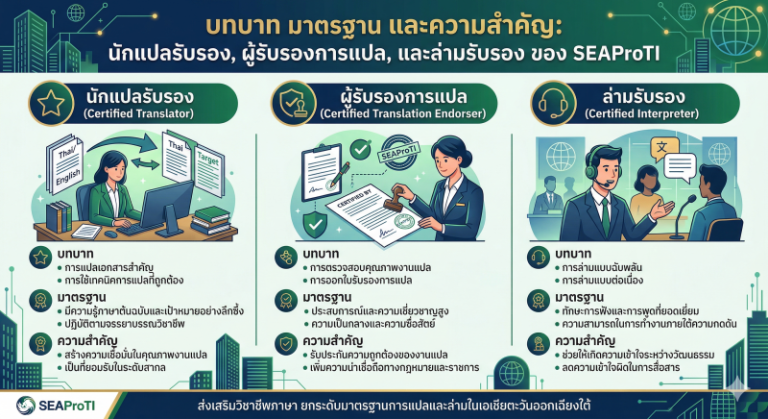
About certified translators, translation certifiers, and certified interpreters associated with SEAProTI.
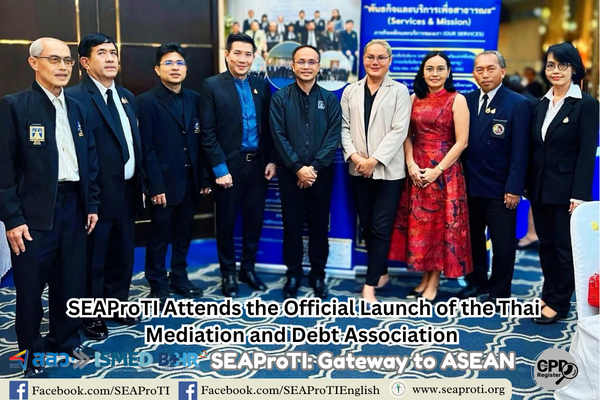
The Southeast Asian Association of Professional Translators and Interpreters (SEAProTI) has officially shared the qualifications and requirements for becoming Certified Translators, Translation Certification Providers, and Certified Interpreters in Sections 9 and 10 of the Royal Gazette, which was published by the Prime Minister’s Office in Thailand on July 25, 2024. Certified Translators, Translation Certification Providers, and Certified Interpreters
The Council of State has proposed the enactment of a Royal Decree, granting registered translators and recognised translation certifiers from professional associations or accredited language institutions the authority to provide legally valid translation certification (Letter to SEAProTI dated April 28, 2025)
SEAProTI is the first professional association in Thailand and Southeast Asia to implement a comprehensive certification system for translators, certifiers, and interpreters.
Head Office: Baan Ratchakru Building, No. 33, Room 402, Soi Phahonyothin 5, Phahonyothin Road, Phaya Thai District, Bangkok 10400, Thailand
Email: hello@seaproti.com | Tel.: (+66) 2-114-3128 (Office hours: Mon–Fri, 09:00–17:00).
คดีปราสาทพระวิหารระหว่างประเทศไทยกับกัมพูชาเป็นกรณีศึกษาสำคัญในกฎหมายระหว่างประเทศที่สะท้อนให้เห็นถึงความสัมพันธ์อันซับซ้อนระหว่างข้อเท็จจริงทางภูมิศาสตร์ ข้อบทของสนธิสัญญา และการตีความทางกฎหมาย โดยเฉพาะอย่างยิ่งในบริบทของข้อพิพาทเกี่ยวกับอธิปไตยเหนือดินแดน หนังสือเรื่อง *คดีปราสาทพระวิหาร ปี ค.ศ. 1962 และ 2013: ข้อกฎหมายและข้อเท็จจริง* ของเชิดชู รักตะบุตร ได้นำเสนอการวิเคราะห์เชิงลึกถึงรากฐานของข้อพิพาทดังกล่าว พร้อมทั้งอธิบายพัฒนาการของข้อกฎหมายที่ศาลยุติธรรมระหว่างประเทศได้นำมาใช้วินิจฉัยคดีในสองช่วงเวลาสำคัญ
มูลเหตุของข้อพิพาทมีจุดเริ่มต้นจากการจัดทำแผนที่โดยคณะกรรมการผสมสยาม–ฝรั่งเศส ซึ่งมีหน้าที่ปักปันเขตแดนตามสนธิสัญญา แม้แผนที่ดังกล่าวจะแสดงตำแหน่งของปราสาทพระวิหารไว้ในฝั่งกัมพูชา แต่ข้อเท็จจริงทางภูมิประเทศและหลักการแบ่งเขตแดนตามสันปันน้ำกลับชี้ว่าปราสาทตั้งอยู่ในฝั่งไทย ความไม่สอดคล้องกันระหว่างแผนที่กับภูมิประเทศนี้จึงกลายเป็นประเด็นหลักของข้อพิพาท อย่างไรก็ตาม แผนที่ดังกล่าวถูกใช้งานและยอมรับในทางปฏิบัติโดยทั้งสองฝ่ายมาเป็นระยะเวลานาน แม้จะไม่เคยได้รับการรับรองอย่างเป็นทางการจากคณะกรรมการผสมก็ตาม
ในการพิจารณาคดีเมื่อปี ค.ศ. 1962 ศาลยุติธรรมระหว่างประเทศมิได้วินิจฉัยโดยยึดถือข้อเท็จจริงทางภูมิศาสตร์เป็นหลัก หากแต่ให้ความสำคัญกับพฤติการณ์ของรัฐ โดยเฉพาะการที่ประเทศไทยมิได้คัดค้านแผนที่ดังกล่าวในระยะเวลาที่ยาวนาน ศาลจึงนำหลักกฎหมายว่าด้วยการยอมรับโดยปริยายและหลักปิดปากมาใช้เป็นฐานในการตัดสิน ส่งผลให้ประเทศไทยไม่สามารถโต้แย้งความถูกต้องของแผนที่ได้ และนำไปสู่ข้อสรุปว่าปราสาทพระวิหารอยู่ภายใต้อธิปไตยของกัมพูชา ทั้งนี้ ศาลได้จำกัดขอบเขตของคำพิพากษาไว้เพียงประเด็นอธิปไตยเหนือปราสาท มิได้วินิจฉัยเกี่ยวกับเส้นเขตแดนโดยรวมระหว่างสองประเทศ
ข้อพิพาทดังกล่าวมิได้สิ้นสุดลงพร้อมกับคำพิพากษาในปี ค.ศ. 1962 หากแต่ยังคงดำรงอยู่และทวีความซับซ้อนยิ่งขึ้น เมื่อมีความพยายามในการขยายขอบเขตของข้อพิพาทไปสู่พื้นที่โดยรอบปราสาท ต่อมาในปี ค.ศ. 2013 ศาลยุติธรรมระหว่างประเทศได้มีคำพิพากษาตีความคำพิพากษาเดิม โดยให้ความกระจ่างเกี่ยวกับขอบเขตของพื้นที่บริเวณปราสาทที่ประเทศไทยมีหน้าที่ต้องถอนกำลังออก ศาลได้ระบุว่าพื้นที่ดังกล่าวครอบคลุมบริเวณยอดเขาพระวิหารซึ่งมีลักษณะภูมิประเทศที่ชัดเจน อย่างไรก็ตาม การตีความดังกล่าวยังคงยึดโยงกับเส้นในแผนที่ภาคผนวกที่มีข้อคลาดเคลื่อนจากความเป็นจริงทางภูมิศาสตร์
จากการวิเคราะห์ของผู้เขียน จะเห็นได้ว่าคำพิพากษาทั้งสองครั้งยังไม่สามารถยุติข้อพิพาทได้อย่างสมบูรณ์ เนื่องจากยังคงมีประเด็นเกี่ยวกับเส้นเขตแดนและพื้นที่โดยรอบที่มิได้ถูกวินิจฉัยอย่างเด็ดขาด สถานการณ์ดังกล่าวสะท้อนให้เห็นถึงข้อจำกัดของกระบวนการยุติธรรมระหว่างประเทศในการแก้ไขข้อพิพาทที่มีมิติทางประวัติศาสตร์ การเมือง และภูมิศาสตร์ซ้อนทับกันอย่างลึกซึ้ง ดังนั้น การเจรจาทางการทูตระหว่างรัฐคู่กรณียังคงเป็นกลไกสำคัญในการหาทางออกที่ยั่งยืน
โดยสรุป หนังสือเล่มนี้มิได้เพียงนำเสนอข้อเท็จจริงของคดีเท่านั้น หากยังชี้ให้เห็นถึงพลวัตของกฎหมายระหว่างประเทศในการประยุกต์ใช้หลักกฎหมายกับสถานการณ์จริง ซึ่งบางครั้งข้อกฎหมายอาจมีน้ำหนักเหนือข้อเท็จจริงทางภูมิศาสตร์ อันเป็นบทเรียนสำคัญสำหรับการศึกษากฎหมายระหว่างประเทศและความสัมพันธ์ระหว่างรัฐในบริบทของข้อพิพาทด้านอธิปไตย
ติดต่อขอใช้บริการนักวิชาชีพของสมาคมได้ที่: https://www.seaproti.org/practitioners/
สมาคมวิชาชีพนักแปลและล่ามแห่งเอเชียตะวันออกเฉียงใต้ (SEAProTI) ได้ประกาศหลักเกณฑ์และคุณสมบัติของผู้ที่ขึ้นทะเบียนเป็น “นักแปลรับรอง (Certified Translators) และผู้รับรองการแปล (Translation Certification Providers) และล่ามรับรอง (Certified Interpreters)” ของสมาคม หมวดที่ 9 และหมวดที่ 10 ในราชกิจจานุเบกษา ของสำนักเลขาธิการคณะรัฐมนตรี ในสำนักนายกรัฐมนตรี แห่งราชอาณาจักรไทย ลงวันที่ 25 ก.ค. 2567 เล่มที่ 141 ตอนที่ 66 ง หน้า 100 อ่านฉบับเต็มได้ที่: นักแปลรับรอง ผู้รับรองการแปล และล่ามรับรอง
สำนักคณะกรรมการกฤษฎีกาเสนอให้ตราเป็นพระราชกฤษฎีกา โดยกำหนดให้นักแปลที่ขึ้นทะเบียน รวมถึงผู้รับรองการแปลจากสมาคมวิชาชีพหรือสถาบันสอนภาษาที่มีการอบรมและขึ้นทะเบียน สามารถรับรองคำแปลได้ (จดหมายถึงสมาคม SEAProTI ลงวันที่ 28 เม.ย. 2568)
สมาคมวิชาชีพนักแปลและล่ามแห่งเอเชียตะวันออกเฉียงใต้เป็นสมาคมวิชาชีพแห่งแรกและแห่งเดียวในประเทศไทยและภูมิภาคเอเชียตะวันออกเฉียงใต้ที่มีระบบรับรองนักแปลรับรอง ผู้รับรองการแปล และล่ามรับรอง
สำนักงานใหญ่: อาคารบ้านราชครู เลขที่ 33 ห้อง 402 ซอยพหลโยธิน 5 ถนนพหลโยธิน แขวงพญาไท เขตพญาไท กรุงเทพมหานคร 10400 ประเทศไทย
อีเมล: hello@seaproti.com โทรศัพท์: (+66) 2-114-3128 (เวลาทำการ: วันจันทร์–วันศุกร์ เวลา 09.00–17.00 น.