



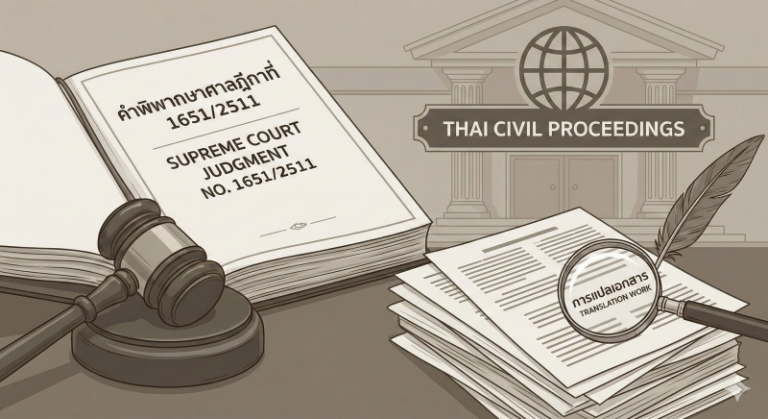
Supreme Court Judgment No. 1651/2511:
Its Implications for “Translation Work” in Thai Civil Proceedings
18 February 2026, Bangkok—Supreme Court Judgment No. 1651/2511 (Kamal Sukosol Co., Ltd., Plaintiff v. Sakol Karnyotha Co., Ltd., Defendant) concerned a dispute over the sale of swimming pool equipment. The principal issues involved ambiguity of the complaint, waiver of defenses, and liability for interest under Section 224 of the Civil and Commercial Code, as well as several provisions of the Civil Procedure Code.
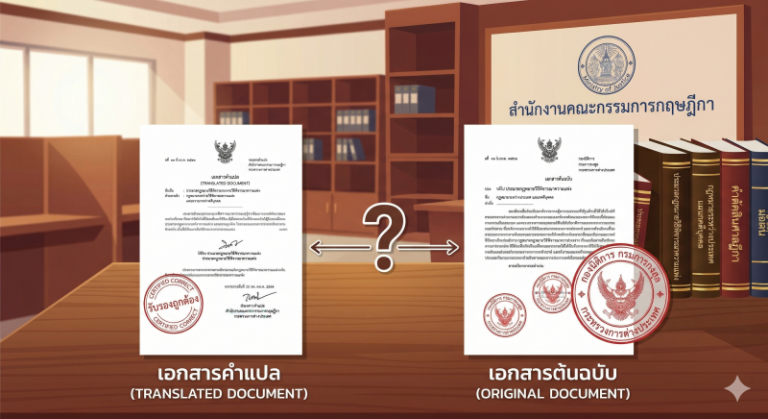
Although the case did not directly concern “translation work,” the Supreme Court’s reasoning established principles of significant relevance to the use of foreign-language documents in judicial proceedings, which directly relate to the role of translators and certified translation providers.
This article analyzes the judgment from the perspective of forensic linguistics and courtroom document translation, highlighting principles that may serve as professional guidance.
1. Admissibility of Foreign-Language Documents Without Complete Translation
A key issue in the case was that certain documents attached to the complaint were in a foreign language and were not fully translated into Thai. The defendant argued that such documents should not be admitted into evidence.
The Supreme Court ruled that although the documents were in a foreign language, they contained portions in Thai that were sufficient to convey the essential substance of the transaction—namely, the sale of swimming pool equipment. Therefore, the documents could be admitted into evidence even though the entire content had not been translated.
Academic Implications
- The court emphasized substantive understanding over formal completeness.
- The court considered that the Thai-language portions were sufficient to clarify the disputed legal relationship.
- The ruling does not establish that translation is always unnecessary.
The decision must be understood in its factual context. It does not imply that foreign-language documents generally need not be translated; rather, it reflects the Court’s evaluation that sufficient Thai-language content was already present in that particular case.
This opens a broader discussion regarding translation standards in Thai courts. If a document contained no Thai-language content at all, or if the dispute involved technical factual issues requiring linguistic interpretation, the court might well require a formal and complete translation.
2. Relationship to the Law on Documentary Evidence
The admissibility of foreign-language documents relates to evidentiary principles under the Civil Procedure Code, particularly concerning evidentiary weight and clarity.
- From this judgment, the following principles may be synthesized:
- If the essential substance of a document can be understood without full translation;
- And if the parties fail to properly raise objections in accordance with procedural requirements,
Then the Supreme Court is not obliged to rule on issues that were not properly framed on appeal.
For translation practice, this underscores a critical procedural lesson: objections regarding translation must be clearly and properly raised at the appropriate stage. Otherwise, such arguments may be deemed waived.
3. Forensic Linguistics Perspective
From a forensic linguistics standpoint, this judgment reflects three key principles:
(1) Minimum Comprehensibility Threshold
The Court implicitly adopted a minimum threshold of intelligibility: if the Thai-language content within a document sufficiently conveys the essential legal relationship, full translation may not be required for admissibility in that specific context.
In professional translation discourse, this corresponds to the concept of a threshold of intelligibility—the minimum level of comprehension deemed sufficient for judicial determination.
(2) Risks of Interpretation Without Complete Translation
Although admissibility was allowed in this case, in disputes involving detailed contractual conditions, limitation clauses, or exemptions from liability, the absence of accurate and complete translation poses serious risks:
- Misinterpretation;
- Misunderstanding of material facts;
- Potential impairment of a party’s rights.
Therefore, the judgment should not be interpreted as diminishing the importance of professional translation. Rather, it illustrates a context-specific evidentiary evaluation.
(3) Burden of Procedural Framing
The defendant did not properly appeal the issue of waiver of defense, and thus the matter was not considered by the Supreme Court.
Practically speaking, if a party believes that the absence of translation of a foreign-language document affects its rights, that issue must be clearly raised at the correct procedural stage. Failure to do so may result in forfeiture of the argument.
4. Interest and Court Deposit: Linguistic Precision and Legal Consequences
The Supreme Court further held that although the defendant admitted liability for part of the debt (5,000 baht), interest continued to accrue because the defendant did not deposit the money with the court.
This issue directly illustrates the legal consequences of linguistic precision:
- “Admission of liability” is not equivalent to “performance of obligation.”
- “Acknowledgment of debt” differs from “payment” or “court deposit.”
In legal translation, inaccurate rendering of terms such as:
- “admission of liability,”
- “acknowledgment of debt,”
- “depositing money with the court,”
may lead to significant misunderstanding regarding legal consequences, including interest liability and default.
5. Professional Lessons for Court Translators and Interpreters
From this judgment, several professional principles may be distilled:
- Foreign-language documents submitted to court should be translated accurately and completely, even if, in some instances, partial Thai content may suffice for admissibility.
- Completeness of translation directly affects legal risk, particularly in technically complex disputes.
- Failure to properly raise translation-related objections may result in procedural waiver.
- Linguistic precision in legal translation has direct consequences for interest, set-off rights, and default.
Conclusion
Supreme Court Judgment No. 1651/2511 is not a case about translation per se, yet it articulates important principles concerning the use of foreign-language documents in Thai courts.
The Court prioritized substantive comprehensibility over formal completeness in the specific factual context. However, from a professional standpoint, accurate and complete translation remains an essential standard.
This case therefore serves as a valuable study in Thai forensic linguistics, demonstrating that translation is not merely a linguistic exercise, but a structural component of justice within civil proceedings.
References
- Coulthard, M., & Johnson, A. (2010). An Introduction to Forensic Linguistics: Language in Evidence (2nd ed.). Routledge.
- Civil and Commercial Code, Section 224.
- Civil Procedure Code, Sections 46, 135, 136, 172, 183, 242, 249.
- Supreme Court of Thailand. (1968). Judgment No. 1651/2511. Office of the Judicial Assistants of the Supreme Court.
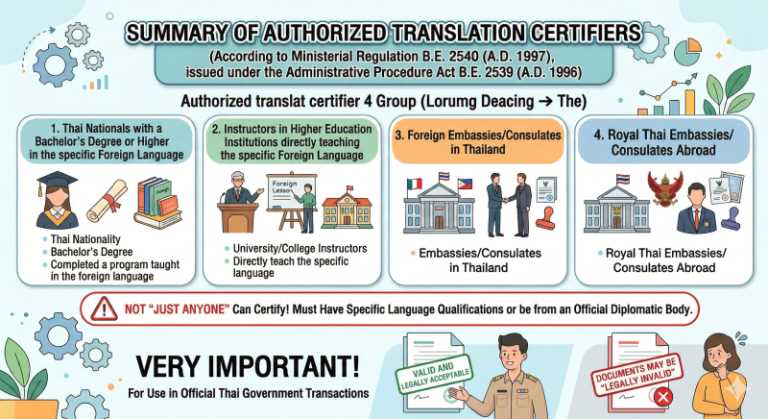
This section provides information about certified translators, translation certifiers, and certified interpreters associated with SEAProTI.
The Southeast Asian Association of Professional Translators and Interpreters (SEAProTI) has officially shared the qualifications and requirements for becoming Certified Translators, Translation Certification Providers, and Certified Interpreters in Sections 9 and 10 of the Royal Gazette, which was published by the Prime Minister’s Office in Thailand on July 25, 2024. Certified Translators, Translation Certification Providers, and Certified Interpreters
The Council of State has proposed the enactment of a Royal Decree, granting registered translators and recognised translation certifiers from professional associations or accredited language institutions the authority to provide legally valid translation certification (Letter to SEAProTI dated April 28, 2025)
SEAProTI is the first professional association in Thailand and Southeast Asia to implement a comprehensive certification system for translators, certifiers, and interpreters.
Head Office: Baan Ratchakru Building, No. 33, Room 402, Soi Phahonyothin 5, Phahonyothin Road, Phaya Thai District, Bangkok 10400, Thailand
Email: hello@seaproti.com | Tel.: (+66) 2-114-3128 (Office hours: Mon–Fri, 09:00–17:00)
คำพิพากษาศาลฎีกาที่ 1651/2511: นัยสำคัญต่อ “งานแปล” ในกระบวนพิจารณาคดีแพ่ง
18 กุมภาพันธ์ 2569, กรุงเทพมหานคร – คำพิพากษาศาลฎีกาที่ 1651/2511 (บริษัทกมลสุโกศล จำกัด โจทก์ ฟ้อง บริษัทสากลการโยธา จำกัด จำเลย) เป็นคดีซื้อขายอุปกรณ์สระว่ายน้ำซึ่งมีประเด็นหลักเรื่องความเคลือบคลุมของคำฟ้อง การสละข้อต่อสู้ และความรับผิดเสียดอกเบี้ยตามประมวลกฎหมายแพ่งและพาณิชย์ มาตรา 224 ตลอดจนบทบัญญัติแห่งประมวลกฎหมายวิธีพิจารณาความแพ่งหลายมาตรา
แม้คดีจะมิได้ว่าด้วย “งานแปล” โดยตรง แต่คำวินิจฉัยของศาลฎีกาได้วางหลักที่มีนัยสำคัญอย่างยิ่งต่อการใช้เอกสารภาษาต่างประเทศในกระบวนพิจารณา ซึ่งสัมพันธ์โดยตรงกับบทบาทของนักแปลและผู้รับรองการแปล
บทความนี้มุ่งวิเคราะห์คำพิพากษาดังกล่าวในมิติของ “นิติภาษาศาสตร์และการแปลเอกสารในศาล” เพื่อชี้ให้เห็นหลักการที่อาจใช้เป็นแนวทางเชิงวิชาชีพ
1. การรับฟังเอกสารภาษาต่างประเทศโดยไม่มีคำแปลครบถ้วน
ประเด็นสำคัญข้อหนึ่งในคดีคือ เอกสารท้ายฟ้องเป็นภาษาต่างประเทศ และมิได้มีคำแปลภาษาไทยครบถ้วน จำเลยโต้แย้งว่ารับฟังไม่ได้
ศาลฎีกาวินิจฉัยว่า แม้เอกสารจะเป็นภาษาต่างประเทศ แต่หากมีข้อความภาษาไทยบางส่วนที่อ่านได้ใจความสำคัญว่าเป็นการซื้อขายอุปกรณ์สระว่ายน้ำ ก็สามารถรับฟังเอกสารนั้นได้ แม้จะมิได้แปลรายละเอียดทั้งหมดก็ตาม
นัยสำคัญทางวิชาการ
- ศาลเน้น “สาระสำคัญ” มากกว่าความครบถ้วนทางรูปแบบ
- ศาลพิจารณาว่าเอกสารมีข้อความภาษาไทยเพียงพอให้เข้าใจประเด็นข้อพิพาท จึงรับฟังได้
ไม่ได้วางหลักว่าคำแปลไม่จำเป็นเสมอไป
คำวินิจฉัยนี้ไม่ได้หมายความว่าเอกสารภาษาต่างประเทศไม่ต้องแปล แต่เป็นการวินิจฉัยตามข้อเท็จจริงเฉพาะคดีที่มีข้อความภาษาไทยรองรับอยู่แล้วบางส่วน
เปิดพื้นที่ให้ถกเถียงเรื่องมาตรฐานงานแปลในศาล
หากเอกสารไม่มีข้อความภาษาไทยเลย หรือมีประเด็นข้อเท็จจริงเชิงเทคนิคที่ต้องอาศัยการตีความเชิงภาษาศาสตร์ ศาลอาจต้องการคำแปลอย่างเป็นทางการมากกว่านี้
2. ความสัมพันธ์กับหลักกฎหมายว่าด้วยพยานเอกสาร
การรับฟังเอกสารภาษาต่างประเทศเกี่ยวข้องกับหลักพยานเอกสารตามประมวลกฎหมายวิธีพิจารณาความแพ่ง โดยเฉพาะเรื่องน้ำหนักแห่งพยานและความชัดเจนของข้อความ
จากคำพิพากษานี้ อาจสังเคราะห์หลักได้ว่า
- หากข้อความสำคัญของเอกสารสามารถเข้าใจได้โดยไม่ต้องแปลทั้งหมด
- และคู่ความมิได้โต้แย้งประเด็นการสละสิทธิในชั้นอุทธรณ์อย่างถูกต้อง
- ศาลฎีกาย่อมไม่จำเป็นต้องวินิจฉัยในประเด็นที่มิได้ถูกยกขึ้นอย่างครบถ้วนตามขั้นตอน
สำหรับงานแปล นี่สะท้อนว่า ประเด็นเรื่องคำแปลต้องถูกยกเป็นประเด็นข้อกฎหมายอย่างชัดเจนตั้งแต่ต้น มิฉะนั้นอาจตกไปตามกระบวนพิจารณา
3. มิติทางนิติภาษาศาสตร์ (Forensic Linguistics Perspective)
ในเชิงนิติภาษาศาสตร์ คำพิพากษานี้สะท้อนหลักการ 3 ประการ
(1) ความเข้าใจขั้นต่ำ (Minimum Comprehensibility Threshold)
ศาลพิจารณาว่า หากข้อความภาษาไทยที่ปรากฏในเอกสารเพียงพอให้เข้าใจสาระสำคัญของนิติสัมพันธ์ ก็อาจไม่จำเป็นต้องมีคำแปลเต็มรูปแบบ
ในทางวิชาชีพแปล นี่คือแนวคิดเรื่อง “threshold of intelligibility” ซึ่งหมายถึงระดับความเข้าใจขั้นต่ำที่ศาลเห็นว่าเพียงพอสำหรับการวินิจฉัย
(2) ความเสี่ยงของการตีความโดยปราศจากคำแปลครบถ้วน
แม้ศาลจะรับฟังได้ในคดีนี้ แต่ในคดีที่มีข้อพิพาทเชิงรายละเอียด เช่น เงื่อนไขสัญญา ข้อจำกัดความรับผิด หรือข้อยกเว้น การไม่มีคำแปลที่ถูกต้องครบถ้วนย่อมเสี่ยงต่อ:
- การตีความคลาดเคลื่อน
- การเข้าใจผิดในข้อเท็จจริงสำคัญ
- การลดทอนสิทธิของคู่ความ
จึงไม่ควรตีความคำพิพากษานี้ว่าเป็นการลดทอนความสำคัญของงานแปล
(3) ภาระการยกประเด็น (Burden of Procedural Framing)
จำเลยมิได้ฎีกาโต้แย้งว่าตนไม่ได้สละข้อต่อสู้ ทำให้ประเด็นตกไป ศาลฎีกาจึงไม่รับวินิจฉัย
ในทางปฏิบัติ หากฝ่ายใดเห็นว่าเอกสารภาษาต่างประเทศไม่มีคำแปลและกระทบสิทธิ ต้องยกประเด็นอย่างชัดเจนในขั้นตอนที่ถูกต้อง มิฉะนั้นจะเสียโอกาสทางกระบวนพิจารณา
4. ดอกเบี้ยและการวางเงินศาล: ความแม่นยำเชิงถ้อยคำกับผลทางกฎหมาย
ศาลฎีกาวินิจฉัยเพิ่มเติมว่า แม้จำเลยยอมรับผิดบางส่วน (5,000 บาท) แต่หากไม่นำเงินมาวางศาล จำเลยยังคงต้องเสียดอกเบี้ย
ประเด็นนี้เกี่ยวข้องกับความแม่นยำทางภาษาโดยตรง เพราะการ “ยอมรับผิด” (admission) มิได้มีผลเท่ากับ “การชำระหนี้” (performance)
ในงานแปลเอกสารทางคดี หากแปลคำว่า:
- “ยอมรับผิด”
- “รับสภาพหนี้”
- “นำเงินมาวางศาล”
อย่างไม่แม่นยำ อาจก่อให้เกิดความเข้าใจคลาดเคลื่อนในผลทางกฎหมายได้อย่างมีนัยสำคัญ
5. บทเรียนเชิงวิชาชีพสำหรับนักแปลและล่ามศาล
จากคำพิพากษานี้ สามารถสรุปแนวคิดเชิงวิชาชีพได้ดังนี้
- เอกสารภาษาต่างประเทศในศาลควรมีคำแปลที่ถูกต้องและครบถ้วน แม้บางกรณีศาลอาจรับฟังได้โดยมีข้อความภาษาไทยบางส่วน
- ความครบถ้วนของคำแปลมีผลต่อความเสี่ยงทางกฎหมาย โดยเฉพาะคดีที่มีประเด็นเชิงเทคนิค
- การไม่ยกประเด็นเรื่องคำแปลให้ถูกต้องตามขั้นตอน อาจทำให้ข้อโต้แย้งตกไปโดยปริยาย
- ความแม่นยำของถ้อยคำในงานแปลกฎหมายมีผลต่อดอกเบี้ย สิทธิหักกลบลบหนี้ และผลแห่งการผิดนัด
บทสรุป
คำพิพากษาศาลฎีกาที่ 1651/2511 มิใช่คดีเกี่ยวกับงานแปลโดยตรง แต่ได้สะท้อนหลักการสำคัญเกี่ยวกับการใช้เอกสารภาษาต่างประเทศในศาลไทย
ศาลให้ความสำคัญกับ “สาระสำคัญที่เข้าใจได้” มากกว่าความสมบูรณ์ทางรูปแบบของคำแปลในกรณีเฉพาะข้อเท็จจริง แต่ในเชิงวิชาชีพ การแปลอย่างครบถ้วนและแม่นยำยังคงเป็นมาตรฐานที่จำเป็น
ดังนั้น คดีนี้จึงเป็นกรณีศึกษาที่ดีในบริบทของนิติภาษาศาสตร์ไทย ว่า “งานแปล” มิได้เป็นเพียงงานทางภาษา หากแต่เป็นองค์ประกอบหนึ่งของความยุติธรรมในกระบวนพิจารณาคดี
เอกสารอ้างอิง (References)
- Coulthard, M., & Johnson, A. (2010). An introduction to forensic linguistics: Language in evidence (2nd ed.). Routledge.
- ประมวลกฎหมายแพ่งและพาณิชย์ มาตรา 224.
- ประมวลกฎหมายวิธีพิจารณาความแพ่ง มาตรา 46, 135, 136, 172, 183, 242, 249.
- ศาลฎีกา. (2511). คำพิพากษาศาลฎีกาที่ 1651/2511. กองผู้ช่วยผู้พิพากษาศาลฎีกา.
สมาคมวิชาชีพนักแปลและล่ามแห่งเอเชียตะวันออกเฉียงใต้ (SEAProTI) ได้ประกาศหลักเกณฑ์และคุณสมบัติของผู้ที่ขึ้นทะเบียนเป็น “นักแปลรับรอง (Certified Translators) และผู้รับรองการแปล (Translation Certification Providers) และล่ามรับรอง (Certified Interpreters)” ของสมาคม หมวดที่ 9 และหมวดที่ 10 ในราชกิจจานุเบกษา ของสำนักเลขาธิการคณะรัฐมนตรี ในสำนักนายกรัฐมนตรี แห่งราชอาณาจักรไทย ลงวันที่ 25 ก.ค. 2567 เล่มที่ 141 ตอนที่ 66 ง หน้า 100 อ่านฉบับเต็มได้ที่: นักแปลรับรอง ผู้รับรองการแปล และล่ามรับรอง
สำนักคณะกรรมการกฤษฎีกาเสนอให้ตราเป็นพระราชกฤษฎีกา โดยกำหนดให้นักแปลที่ขึ้นทะเบียน รวมถึงผู้รับรองการแปลจากสมาคมวิชาชีพหรือสถาบันสอนภาษาที่มีการอบรมและขึ้นทะเบียน สามารถรับรองคำแปลได้ (จดหมายถึงสมาคม SEAProTI ลงวันที่ 28 เม.ย. 2568)
สมาคมวิชาชีพนักแปลและล่ามแห่งเอเชียตะวันออกเฉียงใต้เป็นสมาคมวิชาชีพแห่งแรกและแห่งเดียวในประเทศไทยและภูมิภาคเอเชียตะวันออกเฉียงใต้ที่มีระบบรับรองนักแปลรับรอง ผู้รับรองการแปล และล่ามรับรอง
สำนักงานใหญ่: อาคารบ้านราชครู เลขที่ 33 ห้อง 402 ซอยพหลโยธิน 5 ถนนพหลโยธิน แขวงพญาไท เขตพญาไท กรุงเทพมหานคร 10400 ประเทศไทย
อีเมล: hello@seaproti.com โทรศัพท์: (+66) 2-114-3128 (เวลาทำการ: วันจันทร์–วันศุกร์ เวลา 09.00–17.00 น.