



This article looks at Supreme Court Judgment No. 529/2513, focusing on two main legal issues:
whether a translation of a foreign document attached to a complaint is considered part of the legal record
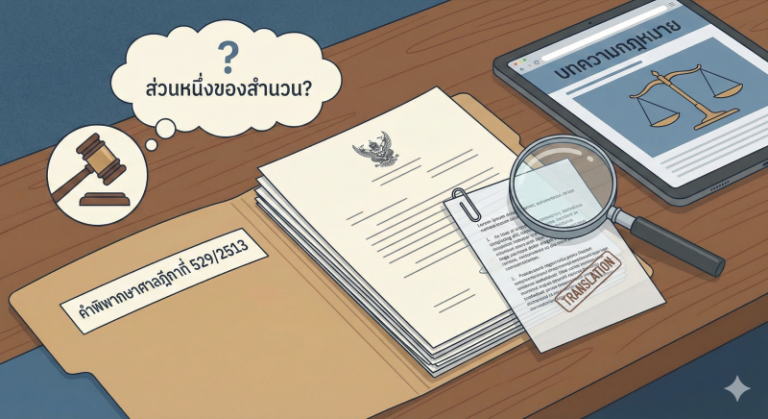
15 February 2026, Bangkok— This article looks at Supreme Court Judgment No. 529/2513, focusing on two main legal issues: (1) if a translation of a foreign document that is included with a complaint counts as part of the legal record according to the Civil Procedure Code; and (2) how to understand what is covered by an accident insurance policy based on Sections 368 and 861 of the Civil and Commercial Code. The Supreme Court decided that if the defendant does not question the accuracy of the translation in their defense, the court The Supreme Court established that where the defendant does not challenge the accuracy of a translation in the statement of defense, the court is entitled to treat that translation as an undisputed fact of the case. Furthermore, when the policy wording, interpreted in accordance with the Thai translation, indicates that death resulted directly from an accident, the loss falls within the insurer’s contractual liability.
1. Facts and Procedural Background
The case involved a minor plaintiff, represented by his lawful guardian, bringing an action against an insurance company concerning payment under a travel accident insurance policy. The insured, Mrs. Pannee, fell while alighting from a passenger bus during the insured period and subsequently died from a ruptured uterus.
The Court of First Instance ordered the defendant insurer to pay the insured sum of 100,000 baht plus interest. The Court of Appeal reversed the judgment and dismissed the claim. The plaintiff then appealed to the Supreme Court.
The Supreme Court found as fact that the uterine rupture resulted from severe impact caused by the fall, which constituted an “accident.” Although the deceased had previously been pregnant and had miscarried before traveling, there was insufficient evidence that her death resulted independently from such a prior medical condition.
2. Key Legal Issues
2.1 The Legal Status of the Translation of a Foreign-Language Document
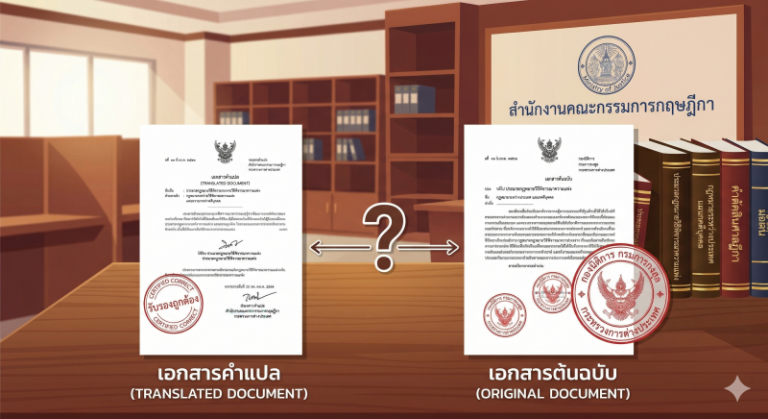
The insurance policy was drafted in English. The plaintiff attached both the English original and a Thai translation to the complaint. The Supreme Court held that the translation formed part of the pleadings pursuant to Sections 172 and 177, read in conjunction with Section 46 of the Civil Procedure Code.
Although the defendant requested an extension of time to verify the accuracy of the translation against the original text, the defendant ultimately accepted the Thai translation as accurate. As a result, no issue was raised regarding the correctness of the translation. The Court therefore held that it was bound to rely on the Thai translation in determining the meaning and effect of the insurance policy.
The complaint and the statement of defense define disputed issues, reflecting a fundamental procedural doctrine. If a party fails to contest a material point, the court cannot independently raise or decide issues beyond the scope of the pleadings (Civil Procedure Code, Section 183).
2.2 Interpretation of Coverage under the Accident Insurance Contract
The Thai translation of the policy provided coverage for “loss resulting from bodily injury caused by accident, whether directly or independently,” subject to specified terms and exclusions. The benefits clause further stated that the insurer would pay in the event of death or bodily loss directly resulting from accidental injury.
The Supreme Court held that falling while disembarking from a bus constituted an accident. Since the fall directly caused the uterine rupture, which in turn directly caused death, the loss fell within the scope of policy coverage. The insurer was therefore liable to indemnify the plaintiff.
This reasoning aligns with Section 368 of the Civil and Commercial Code, which focuses on understanding the intent and wording, and Section 861, which requires the insurer to pay when the insured risk arises.
3. Doctrinal Analysis
3.1 Translation as a Procedural Fact
This judgment is particularly significant in cases involving bilingual or foreign-language documents. A translation annexed to a complaint and not specifically challenged in the defense effectively becomes an accepted factual basis for judicial interpretation, even if the original document is in a foreign language.
The ruling imposes a strategic burden on litigants: objections to the accuracy of translations must be raised at the pleading stage. Not doing so may mean losing the right to contest the translation later in litigation.
3.2 Causation in Accident Insurance Law
The Court applied a “direct cause” analysis in determining whether the accident was the proximate cause of death. The insurer bears liability even in cases where pre-existing medical conditions are present, unless they can demonstrate that the death occurred independently of these prior conditions.
This approach reflects the proximate cause doctrine in insurance law, emphasizing the dominant and immediate cause of loss rather than remote contributing factors.
4. Practical Implications
- For legal practitioners and litigants, the case demonstrates the value of expressly challenging translations of foreign-language documents in the statement of defense.
- For certified translators, it demonstrates that the accuracy of a translation may have decisive legal consequences, particularly where it is not contested.
- For insurers, the case highlights the importance of drafting clear policy language, especially regarding terms such as “directly” or “independently,” which significantly affect the scope of liability.
Supreme Court Judgment No. 529/2513 establishes two important legal principles:
- First, a translation of a foreign-language document annexed to a complaint and not challenged in the pleadings forms an integral part of the case and binds the court in its interpretation.
- Second, death resulting directly from an accident falls within the coverage of an accident insurance policy, even where pre-existing health conditions exist, unless it is proven that such conditions independently caused the death.
The decision remains a significant precedent in both procedural law and substantive insurance law, particularly in cases involving bilingual documentation and disputes over policy interpretation.
- Civil and Commercial Code, Sections 368 and 861.
- Civil Procedure Code, Sections 46, 172, 177, and 183.
- Supreme Court Judgment No. 529/2513 (1970). Office of the Judicial Assistants to the Supreme Court.
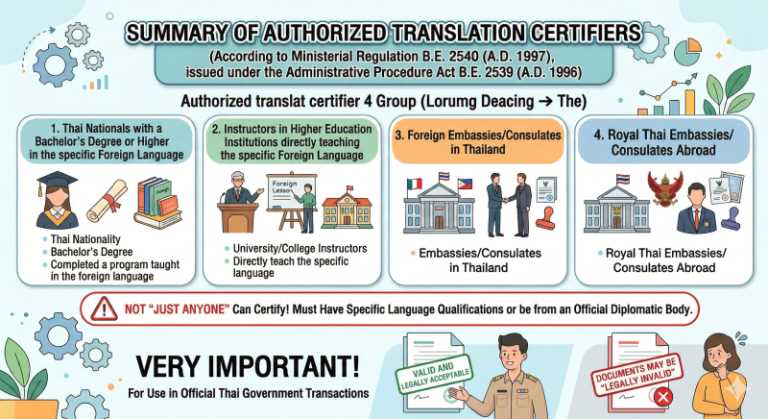
The Southeast Asian Association of Professional Translators and Interpreters (SEAProTI) has officially shared the qualifications and requirements for becoming Certified Translators, Translation Certification Providers, and Certified Interpreters in Sections 9 and 10 of the Royal Gazette, which was published by the Prime Minister’s Office in Thailand on July 25, 2024. Certified Translators, Translation Certification Providers, and Certified Interpreters
The Council of State has proposed the enactment of a Royal Decree, granting registered translators and recognised translation certifiers from professional associations or accredited language institutions the authority to provide legally valid translation certification (Letter to SEAProTI dated April 28, 2025)
SEAProTI is the first professional association in Thailand and Southeast Asia to implement a comprehensive certification system for translators, certifiers, and interpreters.
Head Office: Baan Ratchakru Building, No. 33, Room 402, Soi Phahonyothin 5, Phahonyothin Road, Phaya Thai District, Bangkok 10400, Thailand
Email: hello@seaproti.com | Tel.: (+66) 2-114-3128 (Office hours: Mon–Fri, 09:00–17:00)
การยึดถือคำแปลเป็นสาระสำคัญแห่งฟ้องและการตีความความคุ้มครองในสัญญาประกันภัยอุบัติเหตุ: วิเคราะห์คำพิพากษาศาลฎีกาที่ 529/2513
บทความนี้มุ่งวิเคราะห์คำพิพากษาศาลฎีกาที่ 529/2513 ในประเด็นสำคัญสองประการ ได้แก่ (1) สถานะของคำแปลเอกสารภาษาต่างประเทศที่แนบมากับฟ้องว่าเป็น “ส่วนหนึ่งแห่งฟ้อง” ตามประมวลกฎหมายวิธีพิจารณาความแพ่ง และ (2) การตีความขอบเขตความคุ้มครองของกรมธรรม์ประกันภัยอุบัติเหตุภายใต้หลักกฎหมายแพ่งและพาณิชย์ มาตรา 368 และมาตรา 861 คำพิพากษานี้วางหลักว่า หากจำเลยมิได้โต้แย้งความถูกต้องของคำแปลในคำให้การ ศาลย่อมยึดถือคำแปลดังกล่าวเป็นข้อเท็จจริงแห่งคดี และเมื่อตีความถ้อยคำในกรมธรรม์ตามคำแปลภาษาไทยแล้ว การเสียชีวิตอันเป็นผลโดยตรงจากอุบัติเหตุย่อมอยู่ในความคุ้มครองของผู้รับประกันภัย
1. ข้อเท็จจริงและกระบวนพิจารณา
คดีระหว่างเด็กชายไชยพงศ์ รุ่งสาโรจน์ โดยบิดาเป็นผู้แทนโดยชอบธรรม โจทก์ กับบริษัทผู้รับประกันภัยจำเลย มีข้อพิพาทเกี่ยวกับการชดใช้เงินตามกรมธรรม์ประกันภัยอุบัติเหตุการเดินทาง นางพรรณี ผู้เอาประกันภัย ได้หกล้มขณะลงจากรถโดยสารระหว่างการเดินทาง และถึงแก่ความตายภายหลังจากมดลูกแตกปริ ศาลชั้นต้นพิพากษาให้จำเลยชำระเงินตามทุนประกัน 100,000 บาท พร้อมดอกเบี้ย ศาลอุทธรณ์พิพากษากลับยกฟ้อง และโจทก์ฎีกา
ศาลฎีกาวินิจฉัยข้อเท็จจริงว่า การแตกปริของมดลูกเกิดจากแรงกระแทกจากการหกล้ม ซึ่งถือเป็น “อุบัติเหตุ” แม้ผู้ตายจะมีประวัติการตั้งครรภ์และแท้งบุตรก่อนเดินทาง ก็ไม่ปรากฏว่ามีอาการป่วยอันเป็นเหตุให้ถึงแก่ความตายโดยลำพัง
2. ประเด็นทางกฎหมายที่สำคัญ
2.1 สถานะของคำแปลเอกสารภาษาต่างประเทศ
กรมธรรม์ประกันภัยจัดทำเป็นภาษาอังกฤษ โจทก์ได้แนบสำเนาพร้อมคำแปลภาษาไทยท้ายฟ้อง ซึ่งศาลฎีกาวินิจฉัยว่า คำแปลดังกล่าวถือเป็นส่วนหนึ่งแห่งฟ้องตาม ป.วิ.พ. มาตรา 172 และมาตรา 177 ประกอบมาตรา 46
แม้จำเลยจะขอขยายเวลายื่นคำให้การเพื่อเปรียบเทียบคำแปลกับต้นฉบับ แต่เมื่อยื่นคำให้การแล้วมิได้โต้แย้งว่าคำแปลไม่ถูกต้อง คดีจึงไม่มีประเด็นพิพาทเกี่ยวกับความถูกต้องของคำแปล ศาลจึงต้องยึดถือข้อความตามคำแปลภาษาไทยในการวินิจฉัยความหมายของกรมธรรม์
หลักการนี้สะท้อนแนวคิดเชิงกระบวนวิธีว่า “ประเด็นข้อพิพาท” ต้องถูกกำหนดโดยคำฟ้องและคำให้การ หากคู่ความมิได้ยกขึ้นโต้แย้ง ศาลไม่อาจหยิบยกขึ้นวินิจฉัยเองเกินกรอบแห่งคดี (ป.วิ.พ. มาตรา 183)
2.2 การตีความความคุ้มครองในสัญญาประกันภัย
คำแปลกรมธรรม์ระบุว่า ความคุ้มครองครอบคลุมถึง “ความสูญเสีย… อันเกิดแต่การได้รับบาดเจ็บทางร่างกายจากอุบัติเหตุ ไม่ว่าจะเป็นโดยตรงหรือลำพัง” และให้ผลประโยชน์กรณีสูญเสียชีวิตจากเหตุอันเกิดโดยตรงจากอุบัติเหตุ
ศาลฎีกาวินิจฉัยว่า การหกล้มขณะลงจากรถเป็นอุบัติเหตุ และเมื่อเป็นเหตุให้มดลูกแตกปริ อันนำไปสู่ความตายโดยตรง จึงเข้าเงื่อนไขความคุ้มครองตามกรมธรรม์ ผู้รับประกันภัยต้องรับผิดชดใช้
การวินิจฉัยดังกล่าวสอดคล้องกับหลักการใน ป.พ.พ. มาตรา 368 ว่าด้วยการตีความนิติกรรมตามเจตนาและถ้อยคำ และมาตรา 861 ว่าด้วยลักษณะของสัญญาประกันภัย ซึ่งกำหนดให้ผู้รับประกันภัยต้องใช้ค่าสินไหมทดแทนเมื่อเหตุที่เอาประกันภัยไว้ได้เกิดขึ้น
3. การวิเคราะห์เชิงวิชาการ
3.1 คำแปลในฐานะ “ข้อเท็จจริงทางกระบวนพิจารณา”
คำพิพากษานี้มีนัยสำคัญต่อการดำเนินคดีที่เกี่ยวข้องกับเอกสารสองภาษา กล่าวคือ คำแปลที่แนบมากับฟ้องและมิได้ถูกโต้แย้งในคำให้การ ย่อมกลายเป็นข้อเท็จจริงที่ศาลต้องยึดถือ แม้ต้นฉบับจะเป็นภาษาต่างประเทศก็ตาม หลักการดังกล่าวสร้างภาระเชิงยุทธศาสตร์แก่คู่ความในการตรวจสอบและโต้แย้งความถูกต้องของคำแปลตั้งแต่ชั้นคำให้การ มิฉะนั้นอาจเสียสิทธิในการโต้แย้งภายหลัง
3.2 ความสัมพันธ์ระหว่างเหตุและผลในประกันอุบัติเหตุ
ศาลฎีกาใช้เกณฑ์ “สาเหตุโดยตรง” (direct cause) ในการพิจารณาว่าอุบัติเหตุเป็นเหตุแห่งความตาย แม้จะมีปัจจัยพื้นฐานด้านสุขภาพของผู้ตาย ศาลก็เน้นว่าต้องพิสูจน์ให้ได้ว่าเหตุป่วยดังกล่าวเป็นเหตุโดยลำพัง มิใช่ผลจากอุบัติเหตุ เมื่อไม่ปรากฏเช่นนั้น ความตายจึงเป็นผลโดยตรงจากการหกล้ม
แนววินิจฉัยนี้สะท้อนหลัก proximate cause ในกฎหมายประกันภัย ซึ่งมุ่งพิจารณาเหตุใกล้ชิดที่สุดที่ก่อให้เกิดความเสียหาย
4. ผลสะท้อนเชิงปฏิบัติ
ต่อทนายความและคู่ความ: ต้องให้ความสำคัญกับการโต้แย้งคำแปลเอกสารภาษาต่างประเทศตั้งแต่ชั้นคำให้การ
ต่อนักแปลรับรอง: คุณภาพและความถูกต้องของคำแปลอาจมีผลชี้ขาดคดี หากมิได้ถูกโต้แย้ง
ต่อบริษัทประกันภัย: การร่างถ้อยคำในกรมธรรม์ควรชัดเจน โดยเฉพาะคำว่า “โดยตรง” หรือ “ลำพัง” ซึ่งมีผลต่อขอบเขตความรับผิด
5. บทสรุป
คำพิพากษาศาลฎีกาที่ 529/2513 วางหลักสำคัญสองประการ ได้แก่ (1) คำแปลเอกสารภาษาต่างประเทศที่แนบมากับฟ้องและไม่ถูกโต้แย้ง ย่อมเป็นส่วนหนึ่งแห่งฟ้องที่ศาลต้องยึดถือ และ (2) การเสียชีวิตที่เป็นผลโดยตรงจากอุบัติเหตุย่อมอยู่ในความคุ้มครองของสัญญาประกันภัย แม้ผู้ตายจะมีภาวะสุขภาพเดิม หากมิได้พิสูจน์ว่าเป็นเหตุโดยลำพัง
แนวคำพิพากษานี้จึงมีความสำคัญทั้งในเชิงกระบวนวิธีและเชิงสารบัญญัติ และยังคงเป็นบรรทัดฐานสำคัญในคดีที่เกี่ยวข้องกับเอกสารสองภาษาและสัญญาประกันภัย
เอกสารอ้างอิง
- ประมวลกฎหมายแพ่งและพาณิชย์ มาตรา 368, 861.
- ประมวลกฎหมายวิธีพิจารณาความแพ่ง มาตรา 46, 172, 177, 183.
- คำพิพากษาศาลฎีกาที่ 529/2513. (2513). กองผู้ช่วยผู้พิพากษาศาลฎีกา.
สมาคมวิชาชีพนักแปลและล่ามแห่งเอเชียตะวันออกเฉียงใต้ (SEAProTI) ได้ประกาศหลักเกณฑ์และคุณสมบัติของผู้ที่ขึ้นทะเบียนเป็น “นักแปลรับรอง (Certified Translators) และผู้รับรองการแปล (Translation Certification Providers) และล่ามรับรอง (Certified Interpreters)” ของสมาคม หมวดที่ 9 และหมวดที่ 10 ในราชกิจจานุเบกษา ของสำนักเลขาธิการคณะรัฐมนตรี ในสำนักนายกรัฐมนตรี แห่งราชอาณาจักรไทย ลงวันที่ 25 ก.ค. 2567 เล่มที่ 141 ตอนที่ 66 ง หน้า 100 อ่านฉบับเต็มได้ที่: นักแปลรับรอง ผู้รับรองการแปล และล่ามรับรอง
สำนักคณะกรรมการกฤษฎีกาเสนอให้ตราเป็นพระราชกฤษฎีกา โดยกำหนดให้นักแปลที่ขึ้นทะเบียน รวมถึงผู้รับรองการแปลจากสมาคมวิชาชีพหรือสถาบันสอนภาษาที่มีการอบรมและขึ้นทะเบียน สามารถรับรองคำแปลได้ (จดหมายถึงสมาคม SEAProTI ลงวันที่ 28 เม.ย. 2568)
สมาคมวิชาชีพนักแปลและล่ามแห่งเอเชียตะวันออกเฉียงใต้เป็นสมาคมวิชาชีพแห่งแรกและแห่งเดียวในประเทศไทยและภูมิภาคเอเชียตะวันออกเฉียงใต้ที่มีระบบรับรองนักแปลรับรอง ผู้รับรองการแปล และล่ามรับรอง
สำนักงานใหญ่: อาคารบ้านราชครู เลขที่ 33 ห้อง 402 ซอยพหลโยธิน 5 ถนนพหลโยธิน แขวงพญาไท เขตพญาไท กรุงเทพมหานคร 10400 ประเทศไทย
อีเมล: hello@seaproti.com โทรศัพท์: (+66) 2-114-3128 (เวลาทำการ: วันจันทร์–วันศุกร์ เวลา 09.00–17.00 น.