




Defamation by Publication on Social Media: A Forensic Linguistic Analysis of Supreme Court Judgment No. 7256/2567
Author: Wanitcha Sumanat, President, Southeast Asian Association of Professional Translators and Interpreters (SEAProTI) and a Forensic Linguist
18 February 2026, Bangkok – Supreme Court Judgment No. 7256/2567 constitutes a significant case concerning the interpretation of defamation by publication under Section 328 of the Thai Criminal Code in the context of social media. The case arose from the posting of messages and photographs on Facebook, a platform accessible to the general public. This article analyzes the Court’s reasoning through the framework of forensic linguistics in order to explain the criteria applied in assessing linguistic meaning, third-party perception, and the scope of statutory defenses under Section 329. The analysis demonstrates that the Court placed greater emphasis on pragmatic meaning and the social impact of the communication than on the defendant’s assertion of factual truth or personal intent alone. The judgment also reflects an increasing recognition of the aggravated nature of defamatory acts committed through digital platforms with wide public accessibility.
Keywords: defamation, forensic linguistics, publication, social media, Section 328, Section 329
1. Introduction
The expansion of social media has transformed communication from limited interpersonal exchanges into globally accessible public discourse. Posting messages or photographs on platforms open to the public carries legal consequences distinct from communication within restricted circles. Supreme Court Judgment No. 7256/2567 clearly illustrates this development. In this case, the defendant posted messages together with a photograph of the plaintiff on Facebook, leading third parties to understand that the plaintiff was dishonest, indebted without repayment, and fraudulent.
The core legal issue did not merely concern whether the post existed, but rather how the language used was to be interpreted, what reputational impact it generated, and whether the statutory defenses under Section 329 of the Criminal Code applied—particularly the defense of fair comment made in good faith or statements made in the public interest.
2. The Forensic Linguistic Framework
Forensic linguistics examines the relationship between language and the legal process, focusing on lexical choices, textual structure, context, and the social effects of meaning in legal settings (Coulthard & Johnson, 2010; Olsson & Luchjenbroers, 2014). In defamation cases, analysis extends beyond literal meaning to include contextual and pragmatic interpretation, as well as the impact on audience perception.
Speech act theory explains that utterances do not merely describe reality but perform actions. When a speaker uses terms such as “cheat” or “fraud,” the utterance performs an accusatory act. Such expressions carry illocutionary force and generate perlocutionary effects, potentially damaging the reputation of the person referred to. The legal inquiry, therefore, concerns not only whether the statement was factually accurate, but whether its communicative function constituted an imputation likely to harm reputation.
3. Analysis of the Judgment
The Supreme Court held that the defendant’s message and accompanying photograph caused persons acquainted with the plaintiff to understand that the plaintiff was dishonest, indebted without repayment, and fraudulent. Accordingly, the Court found that the act constituted an imputation to a third person in a manner likely to impair the plaintiff’s reputation, thereby satisfying the elements of defamation by publication under Section 328 of the Criminal Code.
The Court’s reasoning reflects reliance on the perception of third parties as the decisive criterion, rather than on the defendant’s subjective intent. From a forensic linguistic perspective, this constitutes a pragmatic evaluation: the meaning of the communication is determined by how it is reasonably understood in its social context.
Regarding the defense under Section 329, the defendant argued that the statement was true and constituted a fair comment made in good faith. The Court rejected this argument, reasoning that if a debt dispute existed, the defendant should have pursued lawful judicial remedies rather than publicly exposing the plaintiff on social media. Thus, factual truth alone does not operate as an absolute shield where the mode of communication exceeds necessity and causes disproportionate reputational harm.
The Court also emphasized that Facebook is an open platform, not a closed group, and that the message was accessible to the general public worldwide. Consequently, the act qualified as publication in a broad sense, amplifying the scale and speed of reputational damage. From the standpoint of digital forensic linguistics, dissemination on a public platform significantly increases the perlocutionary impact of defamatory language.
With respect to sentencing, the Supreme Court affirmed that imprisonment for three months and a fine of 1,000 baht were proportionate to the gravity of the offense. However, the Court modified the appellate judgment by suspending the term of imprisonment subject to probation conditions, balancing the seriousness of reputational harm against the defendant’s opportunity for rehabilitation.
4. Freedom of Expression and the Limits of Responsibility
The judgment reflects judicial efforts to balance freedom of expression with the protection of individual reputation. Freedom of expression is not an unfettered right. Publicly accusing an individual in terms that suggest moral and legal wrongdoing exceeds the bounds of fair comment.
In the digital environment, the boundary between opinion and imputation becomes increasingly complex due to the rapid and persistent dissemination of online content. Legal interpretation must therefore account for technological context and the structural impact of social media platforms.
5. Conclusion
Supreme Court Judgment No. 7256/2567 reinforces three important principles: first, that contextual and third-party interpretation of language is central to determining defamatory meaning; second, that claims of truth or good faith do not automatically exempt liability when communication causes disproportionate reputational harm; and third, that publication via social media intensifies the gravity of defamation due to its expansive and instantaneous reach.
Forensic linguistic analysis clarifies why language that the speaker may perceive as a simple debt-related complaint can legally constitute defamation. Language not only transmits facts but also constructs social meaning, affecting dignity and reputation. In the digital era, linguistic responsibility must therefore accompany the exercise of expressive freedom.
References
- Coulthard, M., & Johnson, A. (2010). An introduction to forensic linguistics: Language in evidence (2nd ed.). Routledge.
- Olsson, J., & Luchjenbroers, J. (2014). Forensic linguistics (3rd ed.). Bloomsbury.
- Shuy, R. W. (1993). Language crimes: The use and abuse of language evidence in the courtroom. Blackwell.
- Thai Criminal Code, Sections 326, 328, 329, 55, 56.
- Supreme Court Judgment No. 7256/2567.
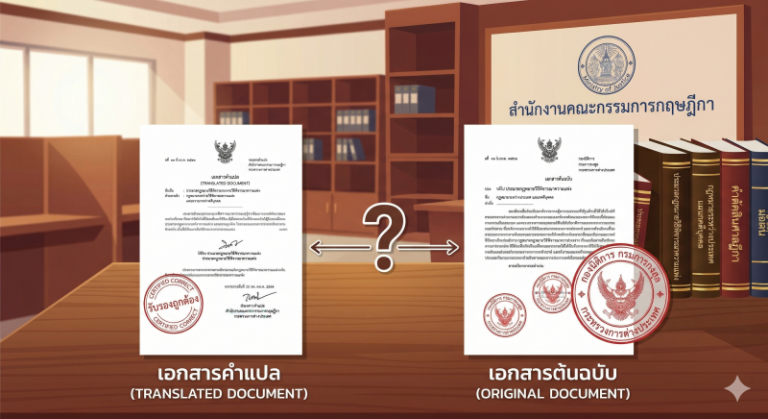
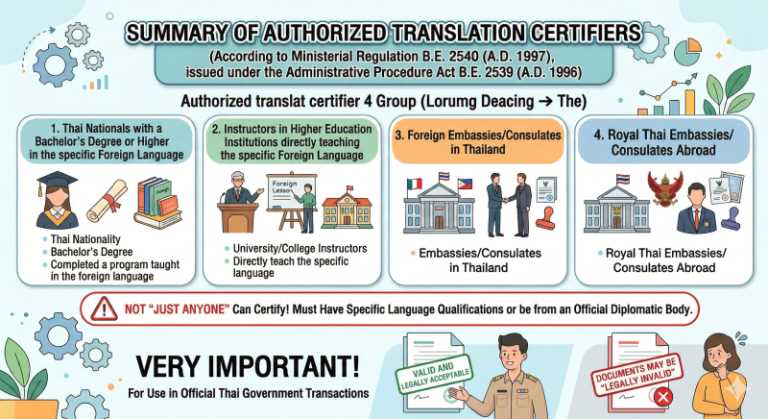
This section provides information about certified translators, translation certifiers, and certified interpreters associated with SEAProTI.
The Southeast Asian Association of Professional Translators and Interpreters (SEAProTI) has officially shared the qualifications and requirements for becoming Certified Translators, Translation Certification Providers, and Certified Interpreters in Sections 9 and 10 of the Royal Gazette, which was published by the Prime Minister’s Office in Thailand on July 25, 2024. Certified Translators, Translation Certification Providers, and Certified Interpreters
The Council of State has proposed the enactment of a Royal Decree, granting registered translators and recognised translation certifiers from professional associations or accredited language institutions the authority to provide legally valid translation certification (Letter to SEAProTI dated April 28, 2025)
SEAProTI is the first professional association in Thailand and Southeast Asia to implement a comprehensive certification system for translators, certifiers, and interpreters.
Head Office: Baan Ratchakru Building, No. 33, Room 402, Soi Phahonyothin 5, Phahonyothin Road, Phaya Thai District, Bangkok 10400, Thailand
Email: hello@seaproti.com | Tel.: (+66) 2-114-3128 (Office hours: Mon–Fri, 09:00–17:00)
คดีหมิ่นประมาทโดยการโฆษณาในสื่อสังคมออนไลน์: วิเคราะห์เชิงนิติภาษาศาสตร์คำพิพากษาศาลฎีกาที่ 7256/2567
ผู้เขียน วณิชชา สุมานัส นายกสมาคมวิชาชีพนักแปลและล่ามแห่งเอเชียตะวันออกเฉียงใต้ และนักนิติภาษาศาสตร์วิชาชีพ
18 กุมภาพันธ์ 2569, กรุงเทพมหานคร – คำพิพากษาศาลฎีกาที่ 7256/2567 เป็นกรณีศึกษาที่มีนัยสำคัญต่อการตีความความผิดฐานหมิ่นประมาทโดยการโฆษณาตามประมวลกฎหมายอาญา มาตรา 328 ในบริบทของสื่อสังคมออนไลน์ โดยเฉพาะการโพสต์ข้อความและภาพถ่ายผ่านแพลตฟอร์ม Facebook ซึ่งเปิดให้บุคคลทั่วไปเข้าถึงได้ บทความนี้มีวัตถุประสงค์เพื่อวิเคราะห์คำวินิจฉัยของศาลฎีกาผ่านกรอบแนวคิดนิติภาษาศาสตร์ (forensic linguistics) เพื่ออธิบายว่าศาลใช้เกณฑ์ใดในการประเมินความหมายของถ้อยคำ การรับรู้ของบุคคลที่สาม และขอบเขตข้อยกเว้นความผิดตามมาตรา 329 ผลการวิเคราะห์ชี้ให้เห็นว่า ศาลให้ความสำคัญกับความหมายเชิงปฏิบัติการ (pragmatic meaning) และผลกระทบเชิงสังคมของข้อความมากกว่าการอ้างข้อเท็จจริงหรือเจตนาส่วนตัวของผู้โพสต์เพียงลำพัง อีกทั้งยังสะท้อนแนวโน้มการเพิ่มระดับความร้ายแรงของการหมิ่นประมาทเมื่อกระทำผ่านสื่อดิจิทัลที่มีการเข้าถึงในวงกว้าง
คำสำคัญ: หมิ่นประมาท, นิติภาษาศาสตร์, การโฆษณา, สื่อสังคมออนไลน์, มาตรา 328, มาตรา 329
1. บทนำ
การขยายตัวของสื่อสังคมออนไลน์ได้เปลี่ยนภูมิทัศน์ของการสื่อสารจากพื้นที่จำกัดไปสู่พื้นที่สาธารณะระดับโลก การโพสต์ข้อความหรือภาพถ่ายในแพลตฟอร์มที่เปิดให้บุคคลทั่วไปเข้าถึงได้ก่อให้เกิดผลทางกฎหมายที่แตกต่างจากการสื่อสารในวงจำกัด คำพิพากษาศาลฎีกาที่ 7256/2567 เป็นกรณีที่สะท้อนปัญหาดังกล่าวอย่างชัดเจน โดยจำเลยโพสต์ข้อความพร้อมภาพถ่ายของโจทก์ใน Facebook ซึ่งทำให้บุคคลที่สามเข้าใจว่าโจทก์เป็นคนโกง เป็นหนี้แล้วไม่ชำระคืน และเป็นคนหลอกลวง
ประเด็นสำคัญของคดีมิได้อยู่เพียงการพิสูจน์ข้อเท็จจริงว่าโพสต์ดังกล่าวมีอยู่จริง หากแต่อยู่ที่การตีความความหมายของถ้อยคำ ผลกระทบต่อชื่อเสียง และขอบเขตของข้อยกเว้นความผิดตามประมวลกฎหมายอาญา มาตรา 329 โดยเฉพาะกรณีที่จำเลยอ้างว่าเป็นการติชมโดยสุจริตหรือเป็นเรื่องจริงที่เป็นประโยชน์แก่สาธารณะ
2. กรอบแนวคิดนิติภาษาศาสตร์
นิติภาษาศาสตร์เป็นศาสตร์ที่ศึกษาความสัมพันธ์ระหว่างภาษาและกระบวนการยุติธรรม โดยมุ่งวิเคราะห์ถ้อยคำ โครงสร้างข้อความ บริบท และผลทางความหมายที่เกิดขึ้นในสถานการณ์ทางกฎหมาย (Coulthard & Johnson, 2010; Olsson & Luchjenbroers, 2014) ในคดีหมิ่นประมาท การพิจารณามิได้จำกัดอยู่ที่ความหมายตามตัวอักษร แต่รวมถึงความหมายเชิงบริบทและผลกระทบต่อการรับรู้ของผู้รับสาร
แนวคิดเรื่อง speech act theory อธิบายว่าถ้อยคำมิใช่เพียงการบอกเล่า หากแต่เป็นการกระทำอย่างหนึ่ง เมื่อผู้โพสต์ใช้คำว่า “โกง” หรือ “หลอกลวง” ถ้อยคำดังกล่าวทำหน้าที่เป็นการกล่าวหา (accusatory act) ซึ่งมีพลังทางวัจนปฏิบัติ (illocutionary force) และก่อให้เกิดผลกระทบเชิงสังคม (perlocutionary effect) ต่อชื่อเสียงของบุคคลที่ถูกกล่าวถึง
3. การวิเคราะห์คำพิพากษา
ศาลฎีกาวินิจฉัยว่า ข้อความและภาพที่จำเลยโพสต์ทำให้บุคคลที่รู้จักโจทก์เข้าใจว่าโจทก์เป็นคนโกง เป็นหนี้แล้วไม่ชำระคืน และเป็นคนหลอกลวง จึงเป็นการใส่ความต่อบุคคลที่สามโดยประการที่น่าจะทำให้เสียชื่อเสียง ถูกดูหมิ่น หรือถูกเกลียดชัง อันเป็นองค์ประกอบความผิดตามมาตรา 328
การวินิจฉัยดังกล่าวสะท้อนว่า ศาลใช้เกณฑ์ “การรับรู้ของบุคคลที่สาม” เป็นตัวชี้วัด มิใช่ยึดเพียงเจตนาภายในของจำเลย ในทางนิติภาษาศาสตร์ นี่คือการประเมินความหมายเชิงปฏิบัติ (pragmatic interpretation) ซึ่งพิจารณาว่า ข้อความดังกล่าวถูกตีความอย่างไรในบริบทสังคมจริง
ในส่วนของข้อยกเว้นตามมาตรา 329 ศาลเห็นว่า แม้จำเลยจะอ้างว่าเป็นเรื่องจริงและเป็นการติชมโดยสุจริต แต่หากมีข้อพิพาทเรื่องหนี้ จำเลยควรใช้กระบวนการทางกฎหมายเพื่อบังคับชำระหนี้ มิใช่ใช้การโพสต์ในสื่อสาธารณะเพื่อประจาน การอ้างความจริงจึงไม่อาจใช้เป็นเกราะป้องกันได้ หากลักษณะการสื่อสารเกินขอบเขตความจำเป็นและก่อให้เกิดความเสียหายต่อชื่อเสียง
ศาลฎีกายังให้ความสำคัญกับลักษณะของ Facebook ว่าเป็นพื้นที่เปิด มิใช่กลุ่มปิด บุคคลทั่วไปจากทุกมุมโลกสามารถเข้าถึงได้อย่างรวดเร็ว จึงถือเป็นการโฆษณาในวงกว้าง และเป็นเหตุให้ความเสียหายมีลักษณะขยายตัวรวดเร็วและกว้างขวาง ในเชิงนิติภาษาศาสตร์ดิจิทัล การเผยแพร่ในแพลตฟอร์มสาธารณะเพิ่มระดับผลกระทบทางสังคมของถ้อยคำอย่างมีนัยสำคัญ
ในประเด็นการกำหนดโทษ ศาลฎีกาเห็นว่าโทษจำคุก 3 เดือนและปรับ 1,000 บาทเหมาะสมแก่สภาพความผิด แต่ไม่เห็นพ้องกับการยกโทษจำคุกโดยสิ้นเชิง จึงให้รอการลงโทษและกำหนดเงื่อนไขคุมประพฤติ แสดงให้เห็นว่าศาลพิจารณาทั้งความร้ายแรงของผลกระทบและโอกาสในการกลับตัวของจำเลย
4. เสรีภาพการแสดงความคิดเห็นกับขอบเขตความรับผิด
คำพิพากษานี้สะท้อนความพยายามของศาลในการสร้างสมดุลระหว่างเสรีภาพในการแสดงความคิดเห็นกับการคุ้มครองชื่อเสียงของบุคคล เสรีภาพดังกล่าวมิใช่สิทธิที่ปราศจากขอบเขต การกล่าวหาบุคคลในลักษณะที่ทำให้สาธารณชนเข้าใจว่าเป็นผู้กระทำผิดทางศีลธรรมและกฎหมาย ย่อมเกินขอบเขตของการติชมโดยสุจริต
ในบริบทดิจิทัล เส้นแบ่งระหว่างการแสดงความคิดเห็นกับการใส่ความมีความซับซ้อนมากขึ้น เนื่องจากข้อความสามารถแพร่กระจายได้อย่างรวดเร็วและถาวร การตีความจึงต้องคำนึงถึงบริบททางเทคโนโลยีและผลกระทบเชิงโครงสร้างของแพลตฟอร์มสื่อสังคมออนไลน์
5. บทสรุป
คำพิพากษาศาลฎีกาที่ 7256/2567 ตอกย้ำหลักการสำคัญสามประการ ได้แก่ การให้ความสำคัญกับความหมายเชิงบริบทและการรับรู้ของบุคคลที่สาม การจำกัดข้ออ้างเรื่องความจริงหรือการติชมโดยสุจริตเมื่อการสื่อสารก่อให้เกิดความเสียหายเกินสมควร และการตระหนักถึงผลกระทบที่เพิ่มขึ้นจากการเผยแพร่ผ่านสื่อออนไลน์
การวิเคราะห์เชิงนิติภาษาศาสตร์ช่วยอธิบายได้ว่า เหตุใดถ้อยคำที่ผู้โพสต์อาจมองว่าเป็นเพียงการทวงถามหนี้ จึงถูกตีความว่าเป็นการใส่ความในทางกฎหมาย ภาษาไม่เพียงถ่ายทอดข้อเท็จจริง แต่ยังสร้างความหมายทางสังคมที่มีผลต่อศักดิ์ศรีและชื่อเสียงของบุคคล ดังนั้น ในยุคดิจิทัล การใช้ภาษาในพื้นที่สาธารณะจึงต้องตระหนักถึงความรับผิดทางกฎหมายควบคู่กับเสรีภาพในการแสดงความคิดเห็น
เอกสารอ้างอิง
- Coulthard, M., & Johnson, A. (2010). An introduction to forensic linguistics: Language in evidence (2nd ed.). Routledge.
- Olsson, J., & Luchjenbroers, J. (2014). Forensic linguistics (3rd ed.). Bloomsbury.
- Shuy, R. W. (1993). Language crimes: The use and abuse of language evidence in the courtroom. Blackwell.
- ประมวลกฎหมายอาญา. มาตรา 326, 328, 329, 55, 56.
- คำพิพากษาศาลฎีกาที่ 7256/2567.