


The Term “Day of Framing Issues” in Criminal Proceedings:
Terminological Precision and Procedural Clarity in Supreme Court Judgment No. 52/2529
14 February 2026, Bangkok—This article examines the terminological issue arising from the use of the expression “day of framing issues” (wan chi song sathan) in a criminal context, as reflected in Supreme Court Judgment No. 52/2529. In that decision, the Court referred to the hearing at which the indictment is read and the accused is asked to enter a plea under Section 172, paragraph two of the Criminal Procedure Code (CPC) as a “day of framing issues.”
In practice, however, Thai criminal courts typically describe such a hearing as the “plea hearing” or “hearing for examination of the accused’s plea” in order to avoid confusion with the technical meaning of “day of framing issues” in civil proceedings.
This article argues that the Supreme Court’s use of the term was most likely a reflection of the wording employed by the appellant in the petition for appeal, rather than an intentional doctrinal development redefining criminal procedural terminology. The discussion demonstrates the value of linguistic precision in safeguarding procedural clarity and legal certainty.
Keywords: day of framing issues; plea hearing; criminal procedure; legal interpretation; arraignment
1. Introduction
Terminological precision in procedural law carries both doctrinal and practical significance, particularly within a legal system that clearly distinguishes between civil and criminal procedure. Supreme Court Judgment No. 52/2529 refers to the plea hearing under Section 172, paragraph two of the CPC as a “day of framing issues,” which has prompted scholarly attention because this phrase traditionally has a specific and technical meaning in civil litigation.
This article analyses:
(1) the established meaning of the “day of framing issues” in civil proceedings;
(2) the nature and function of the plea hearing in criminal proceedings; and
(3) the implications of the Supreme Court’s terminology in Judgment No. 52/2529.
2. The “Day of Framing Issues” in Civil Proceedings
In civil litigation, the “day of framing issues” is a procedural hearing at which the court identifies the contested issues between the parties and determines the allocation of the burden of proof. It constitutes a critical case-management stage designed to structure the trial efficiently and define the scope of evidentiary presentation.
Its core elements include:
- Identification of the genuine issues in dispute;
- Allocation of the burden of proof;
- The process also involves determining the sequence and scope of evidentiary proceedings.
Accordingly, the term possesses a distinct procedural meaning within civil practice and functions as a structural mechanism shaping the course of trial.
3. The Plea Hearing in Criminal Proceedings
By contrast, once the court accepts the indictment under Section 172, paragraph two of the Criminal Procedure Code, it must read and explain the charges to the accused and inquire about the plea. In practice, this hearing is commonly referred to as
- the “plea hearing,” or
- the “hearing for examination of the accused’s plea.”
Its primary functions are:
- To formally inform the accused of the charges;
- To record whether the accused pleads guilty or not guilty;
- To determine the subsequent procedural course of the trial.
In comparative perspective, this stage corresponds to the arraignment in English criminal procedure—the formal process by which the accused is called before the court, informed of the charges, and required to enter a plea (Ashworth & Redmayne, 2010). The term is uniquely associated with criminal proceedings and bears no conceptual overlap with civil case management.
4. The Supreme Court’s Use of the Term in Judgment No. 52/2529
From a doctrinal standpoint, the appearance of the phrase “day of framing issues” in a criminal judgment should not be construed as establishing a new procedural principle.
A contextual reading suggests that:
- The appellant (likely the accused) employed the phrase in the petition for appeal; and
- The Supreme Court reproduced the terminology as used by the party, without any intention of redefining or harmonizing civil and criminal procedural concepts.
- Principles of judicial interpretation require that judgments be read in light of their factual and argumentative context, rather than isolating particular expressions as if they constituted abstract rule-making (MacCormick, 2005). The Court’s wording, therefore, appears descriptive rather than normative.
5. Risks of Conceptual Confusion
The generalized adoption of “day of framing issues” in criminal proceedings could generate systemic ambiguity, including:
- Conceptual confusion between the civil and criminal procedural frameworks could occur.
- Doctrinal imprecision in legal education and scholarship;
- Uncertainty in documentary references and judicial practice.
- Given the centrality of legal certainty to procedural justice, technical terminology should be preserved within its proper doctrinal context.
6. Academic Recommendations
To maintain terminological coherence, the following approach is advisable:
- In criminal cases, the hearing under Section 172, paragraph two should be referred to as the “plea hearing” or “reading of indictment and plea hearing.”
- The expression “day of framing issues” should remain confined to civil procedural usage.
- Academic commentary citing judgments that employ atypical terminology should clarify the contextual basis of such wording.
7. Conclusion
The expression “day of framing issues” is not ordinarily used in criminal proceedings and carries a specific technical meaning within civil litigation. The Supreme Court’s use of the term in Judgment No. 52/2529 should be seen as a reflection of the parties’ wording, not as a change in the law on how to handle criminal cases.
Precision in legal terminology is not merely a matter of language; it safeguards the structural integrity of procedural systems and reinforces the principle of legal certainty within the administration of justice.
References
- Ashworth, A., & Redmayne, M. (2010). The criminal process is available in its fourth edition. Oxford University Press.
- MacCormick, N. (2005). Rhetoric and the rule of law: A theory of legal reasoning. Oxford University Press.
About Certified Translators, Translation Certifiers, and Certified Interpreters of SEAProTI
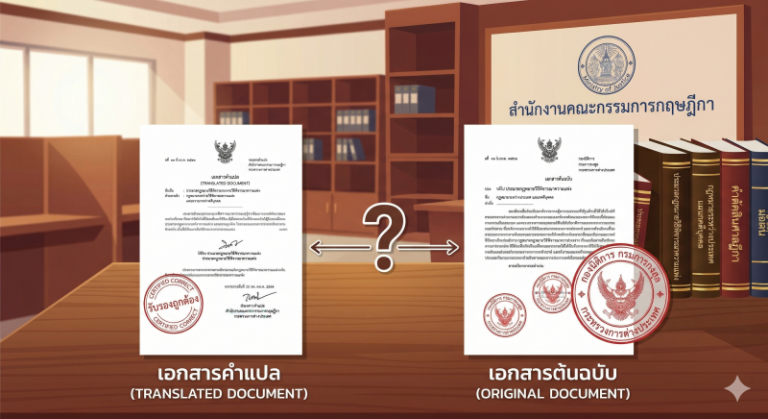
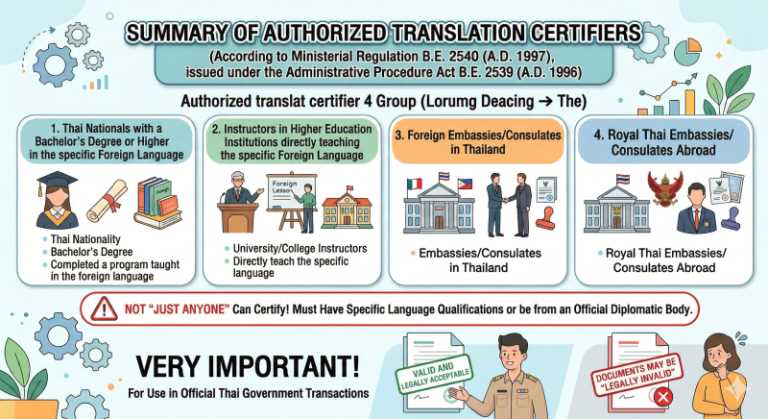
The Southeast Asian Association of Professional Translators and Interpreters (SEAProTI) has officially shared the qualifications and requirements for becoming Certified Translators, Translation Certification Providers, and Certified Interpreters in Sections 9 and 10 of the Royal Gazette, which was published by the Prime Minister’s Office in Thailand on July 25, 2024. Certified Translators, Translation Certification Providers, and Certified Interpreters
The Council of State has proposed the enactment of a Royal Decree, granting registered translators and recognised translation certifiers from professional associations or accredited language institutions the authority to provide legally valid translation certification (Letter to SEAProTI dated April 28, 2025)
SEAProTI is the first professional association in Thailand and Southeast Asia to implement a comprehensive certification system for translators, certifiers, and interpreters.
Head Office: Baan Ratchakru Building, No. 33, Room 402, Soi Phahonyothin 5, Phahonyothin Road, Phaya Thai District, Bangkok 10400, Thailand
Email: hello@seaproti.com | Tel.: (+66) 2-114-3128 (Office hours: Mon–Fri, 09:00–17:00)
ประเด็นเรื่อง “วันชี้สองสถาน” ในคดีอาญา: การใช้ถ้อยคำในคำพิพากษาศาลฎีกาและความชัดเจนเชิงกระบวนวิธี
14 กุมภาพันธ์ 2569, กรุงเทพมหานคร – บทความนี้วิเคราะห์ปัญหาการใช้ถ้อยคำ “วันชี้สองสถาน” ในบริบทคดีอาญา ในคำพิพากษาศาลฎีกาที่ 52/2529 โดยพิจารณาจากแนวคำพิพากษาศาลฎีกาที่เรียกวันอ่านฟ้องและสอบถามคำให้การจำเลยตามประมวลกฎหมายวิธีพิจารณาความอาญา มาตรา 172 วรรคสอง ว่า “วันชี้สองสถาน” ทั้งที่ในทางปฏิบัติศาลอาญามักใช้คำว่า “วันสอบคำให้การจำเลย” หรือ “วันนัดชี้” เพื่อหลีกเลี่ยงความสับสนกับความหมายเฉพาะของ “วันชี้สองสถาน” ในคดีแพ่ง บทความเสนอว่า การใช้ถ้อยคำดังกล่าวในคำพิพากษาศาลฎีกาน่าจะเป็นผลจากการอ้างถ้อยคำของคู่ความ มิใช่การวางหลักกฎหมายใหม่ และเน้นความสำคัญของความแม่นยำเชิงภาษากฎหมายต่อความชัดเจนของกระบวนพิจารณา
คำสำคัญ: วันชี้สองสถาน, วันสอบคำให้การจำเลย, กระบวนวิธีพิจารณาความอาญา, การตีความถ้อยคำทางกฎหมาย, arraignment
1. บทนำ
ความแม่นยำของถ้อยคำในกระบวนพิจารณาคดีมีนัยสำคัญทั้งในเชิงกฎหมายและเชิงปฏิบัติ โดยเฉพาะในระบบที่แยกกระบวนวิธีพิจารณาคดีแพ่งและคดีอาญาออกจากกันอย่างชัดเจน กรณีการที่คำพิพากษาศาลฎีกาบางคดีเรียกวันอ่านฟ้องและสอบถามคำให้การจำเลยตามประมวลกฎหมายวิธีพิจารณาความอาญา (ป.วิ.อ.) มาตรา 172 วรรคสอง ว่า “วันชี้สองสถาน” ได้ก่อให้เกิดข้อสังเกตเชิงวิชาการว่าการใช้ถ้อยคำดังกล่าวอาจก่อให้เกิดความสับสนกับความหมายเฉพาะในคดีแพ่ง
บทความนี้มุ่งวิเคราะห์ (1) ความหมายของ “วันชี้สองสถาน” ในคดีแพ่ง (2) ลักษณะของวันอ่านฟ้องและสอบคำให้การจำเลยในคดีอาญา และ (3) นัยของการใช้ถ้อยคำดังกล่าวในคำพิพากษาศาลฎีกา
2. ความหมายของ “วันชี้สองสถาน” ในคดีแพ่ง
ในคดีแพ่ง “วันชี้สองสถาน” เป็นคำที่ใช้ในทางปฏิบัติศาลเพื่อเรียกวันนัดที่ศาลกำหนดประเด็นข้อพิพาท (issues) และกำหนดหน้าที่นำสืบของคู่ความ อันเป็นขั้นตอนสำคัญในการจัดรูปคดี (case management) ให้การพิจารณามีความกระชับและเป็นระบบ
ลักษณะสำคัญของวันชี้สองสถานในคดีแพ่ง ได้แก่
- การกำหนดข้อพิพาทที่แท้จริงระหว่างคู่ความ
- การกำหนดภาระการพิสูจน์ (burden of proof)
- การกำหนดลำดับและวิธีการนำสืบ
ดังนั้น “วันชี้สองสถาน” ในคดีแพ่งจึงมีความหมายเฉพาะและมีบทบาทเชิงโครงสร้างต่อกระบวนพิจารณา
3. วันอ่านฟ้องและสอบคำให้การจำเลยในคดีอาญา
ตาม ป.วิ.อ. มาตรา 172 วรรคสอง เมื่อศาลประทับฟ้องแล้ว ศาลต้องอ่านและอธิบายฟ้องให้จำเลยฟัง และถามจำเลยว่าจะให้การอย่างไร วันดังกล่าวในทางปฏิบัติจึงมักเรียกว่า
“วันสอบคำให้การจำเลย” หรือ “วันนัดชี้”
หน้าที่หลักของวันดังกล่าว ได้แก่
- แจ้งข้อกล่าวหาอย่างเป็นทางการ ให้จำเลยแสดงท่าทีว่าจะรับสารภาพหรือปฏิเสธ กำหนดแนวทางการดำเนินกระบวนพิจารณาต่อไป
- เมื่อพิจารณาเชิงเปรียบเทียบกับกฎหมายอังกฤษ ขั้นตอนนี้เรียกว่า arraignment ซึ่งหมายถึงกระบวนการที่ศาลแจ้งข้อกล่าวหาและให้จำเลยให้การรับหรือปฏิเสธ (Ashworth & Redmayne, 2010) คำดังกล่าวไม่ใช้ร่วมกับกระบวนการในคดีแพ่ง และมีสถานะเป็นขั้นตอนเฉพาะในคดีอาญา
4. การใช้คำว่า “วันชี้สองสถาน” ในคำพิพากษาศาลฎีกา
ข้อสังเกตเชิงวิชาการคือ การที่คำพิพากษาศาลฎีกาบางฉบับใช้คำว่า “วันชี้สองสถาน” ในบริบทคดีอาญา มิได้หมายความว่าศาลฎีกาวางหลักใหม่ให้ใช้คำนี้ในคดีอาญาโดยทั่วไป
- ในทางวิเคราะห์ มีความเป็นไปได้สูงว่า คู่ความ โดยเฉพาะฝ่ายจำเลย ได้ใช้ถ้อยคำดังกล่าวในฎีกา ศาลฎีกาใช้ถ้อยคำตามที่คู่ความอ้างโดยมิได้มีเจตนาปรับเปลี่ยนคำเรียกทางวิธีพิจารณา
- หลักการตีความคำพิพากษาต้องพิจารณาตามบริบทของข้อเท็จจริงและข้อกฎหมายในคดีนั้น ๆ มิใช่ตีความถ้อยคำเพียงลำพังว่าเป็นการสร้างบรรทัดฐานใหม่ (MacCormick, 2005)
5. ปัญหาความสับสนเชิงระบบ
หากนำคำว่า “วันชี้สองสถาน” ไปใช้ในคดีอาญาอย่างกว้างขวาง อาจก่อให้เกิดปัญหา ดังนี้
- ความสับสนเชิงแนวคิดระหว่างกระบวนวิธีแพ่งและอาญา
- ความคลาดเคลื่อนในการสื่อสารทางวิชาการและการสอนกฎหมาย
- ความไม่ชัดเจนในการอ้างอิงเอกสารหรือคำสั่งศาล
ในระบบกฎหมายที่ให้ความสำคัญกับความแน่นอน (legal certainty) การใช้ถ้อยคำเฉพาะในบริบทที่ถูกต้องจึงมีความสำคัญอย่างยิ่ง
6. ข้อเสนอเชิงวิชาการ
เพื่อป้องกันความสับสน ควรถือแนวปฏิบัติดังนี้
- ในคดีอาญา ควรใช้คำว่า “วันสอบคำให้การจำเลย” หรือ “วันอ่านฟ้องและสอบคำให้การ”
- สงวนคำว่า “วันชี้สองสถาน” สำหรับบริบทคดีแพ่ง
- ในงานวิชาการ ควรอธิบายให้ชัดเจนเมื่ออ้างคำพิพากษาที่ใช้ถ้อยคำแตกต่างจากแนวปฏิบัติทั่วไป
7. บทสรุป
คำว่า “วันชี้สองสถาน” มิใช่คำที่ใช้โดยปกติในคดีอาญา และมีความหมายเฉพาะในบริบทคดีแพ่ง การที่คำพิพากษาศาลฎีกาใช้ถ้อยคำดังกล่าวในบางกรณีควรเข้าใจว่าเป็นการใช้ตามถ้อยคำของคู่ความ มิใช่การวางหลักใหม่ในทางวิธีพิจารณาความอาญา
ความชัดเจนของถ้อยคำในกระบวนพิจารณาไม่ใช่เพียงเรื่องภาษา หากแต่เกี่ยวข้องกับโครงสร้างของกระบวนยุติธรรมและหลักความแน่นอนแห่งกฎหมายโดยตรง
เอกสารอ้างอิง
- Ashworth, A., & Redmayne, M. (2010). The criminal process (4th ed.). Oxford University Press.
- MacCormick, N. (2005). Rhetoric and the rule of law: A theory of legal reasoning. Oxford University Press.
สมาคมวิชาชีพนักแปลและล่ามแห่งเอเชียตะวันออกเฉียงใต้ (SEAProTI) ได้ประกาศหลักเกณฑ์และคุณสมบัติของผู้ที่ขึ้นทะเบียนเป็น “นักแปลรับรอง (Certified Translators) และผู้รับรองการแปล (Translation Certification Providers) และล่ามรับรอง (Certified Interpreters)” ของสมาคม หมวดที่ 9 และหมวดที่ 10 ในราชกิจจานุเบกษา ของสำนักเลขาธิการคณะรัฐมนตรี ในสำนักนายกรัฐมนตรี แห่งราชอาณาจักรไทย ลงวันที่ 25 ก.ค. 2567 เล่มที่ 141 ตอนที่ 66 ง หน้า 100 อ่านฉบับเต็มได้ที่: นักแปลรับรอง ผู้รับรองการแปล และล่ามรับรอง
สำนักคณะกรรมการกฤษฎีกาเสนอให้ตราเป็นพระราชกฤษฎีกา โดยกำหนดให้นักแปลที่ขึ้นทะเบียน รวมถึงผู้รับรองการแปลจากสมาคมวิชาชีพหรือสถาบันสอนภาษาที่มีการอบรมและขึ้นทะเบียน สามารถรับรองคำแปลได้ (จดหมายถึงสมาคม SEAProTI ลงวันที่ 28 เม.ย. 2568)
สมาคมวิชาชีพนักแปลและล่ามแห่งเอเชียตะวันออกเฉียงใต้เป็นสมาคมวิชาชีพแห่งแรกและแห่งเดียวในประเทศไทยและภูมิภาคเอเชียตะวันออกเฉียงใต้ที่มีระบบรับรองนักแปลรับรอง ผู้รับรองการแปล และล่ามรับรอง
สำนักงานใหญ่: อาคารบ้านราชครู เลขที่ 33 ห้อง 402 ซอยพหลโยธิน 5 ถนนพหลโยธิน แขวงพญาไท เขตพญาไท กรุงเทพมหานคร 10400 ประเทศไทย
อีเมล: hello@seaproti.com โทรศัพท์: (+66) 2-114-3128 (เวลาทำการ: วันจันทร์–วันศุกร์ เวลา 09.00–17.00 น.