




The Role of Interpreters in Thailand’s Criminal Justice System: Why Foreign Defendants Often Bring Their Own Interpreters
11 March 2026, Bangkok – In criminal justice proceedings, one of the most fundamental principles recognized internationally is the right of a defendant to fully understand the legal process taking place against them. When a person is unable to sufficiently understand or communicate in the language used in court, the state has a duty to provide language assistance through an interpreter. This principle is particularly critical in criminal cases, where judicial decisions may directly affect an individual’s liberty, legal status, and reputation.
Thailand recognizes this principle through provisions in its legal framework, particularly under the Thai Criminal Procedure Code, which allows courts to appoint interpreters for individuals who do not understand the Thai language. The purpose is to ensure that defendants can comprehend the charges against them, follow courtroom questioning, and understand the proceedings in which they are involved. This principle also aligns with broader international human rights standards concerning the right to a fair trial, which requires that defendants be able to participate meaningfully in their own defense.
Despite this legal protection, it is not uncommon for foreign defendants involved in criminal cases in Thailand to arrange for their own interpreters. This practice does not necessarily arise from a lack of legal entitlement to interpretation services provided by the court, but rather from several structural and practical factors within the judicial system.
The first factor concerns limitations in the availability and diversity of languages. While courts have the authority to appoint interpreters, they do not maintain a permanent roster of interpreters for every language. In cases involving less commonly spoken languages—such as certain Eastern European, African, or Central Asian languages—finding a qualified interpreter may be difficult or time-consuming. As a result, legal representatives may choose to bring their own interpreters in order to avoid delays in legal proceedings.
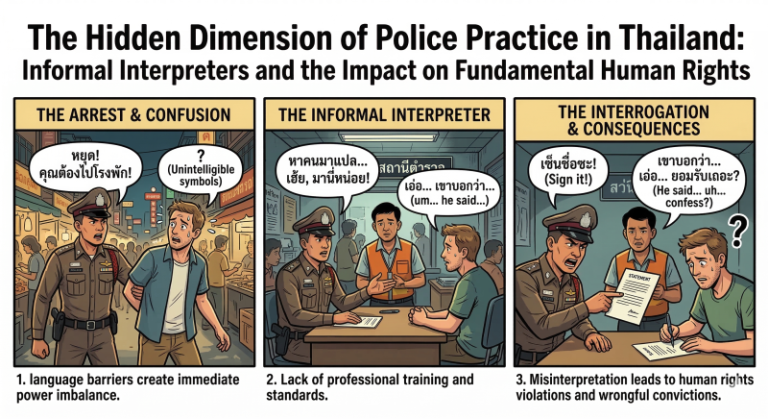
A second factor relates to specialized expertise in legal interpreting. Interpreting in criminal proceedings involves far more than the translation of general vocabulary. Court interpreters must understand legal terminology, procedural language, and courtroom dynamics, while also adhering to strict standards of accuracy and neutrality. An interpreter who lacks experience in legal contexts may inadvertently misrepresent a question, statement, or legal concept, potentially affecting the defendant’s understanding of the case. For this reason, defense lawyers representing foreign clients often prefer to work with professional interpreters whose competence and experience they trust.
A third factor concerns the institutional structure of court interpreting in Thailand. Unlike some jurisdictions—such as Germany, Spain, or the United States—Thailand does not yet operate a fully standardized national system of certified or sworn court interpreters. In many countries, court interpreters must pass formal certification examinations and meet professional requirements before being authorized to work in judicial settings. In Thailand, although some courts maintain lists of interpreters, the system remains largely case-based rather than structured through a nationwide professional licensing framework. Consequently, the qualifications and experience of interpreters may vary.
Finally, the use of privately arranged interpreters is also connected to the protection of defendants’ procedural rights. In criminal proceedings, it is essential that defendants fully understand the charges, evidence, and legal arguments presented in court. Interpreters trusted by the defendant and the legal defense team can help ensure accurate communication and safeguard the defendant’s ability to participate effectively in the proceedings. In some cases, such interpreters may also assist outside the courtroom by explaining legal documents or facilitating communication between the defendant and legal counsel—functions that extend beyond the formal role of a court-appointed interpreter.
In conclusion, although Thai law guarantees the right to interpretation for defendants who do not understand Thai, foreign nationals involved in criminal proceedings frequently choose to bring their own interpreters. This practice reflects practical considerations such as language availability, the need for specialized legal interpreting expertise, variations in interpreter qualifications, and the broader objective of safeguarding the defendant’s right to a fair trial. The phenomenon also highlights the potential importance of developing a more structured professional framework for court interpreters in Thailand, particularly as international interactions within the legal system continue to increase.
This section provides information about certified translators, translation certifiers, and certified interpreters associated with SEAProTI.
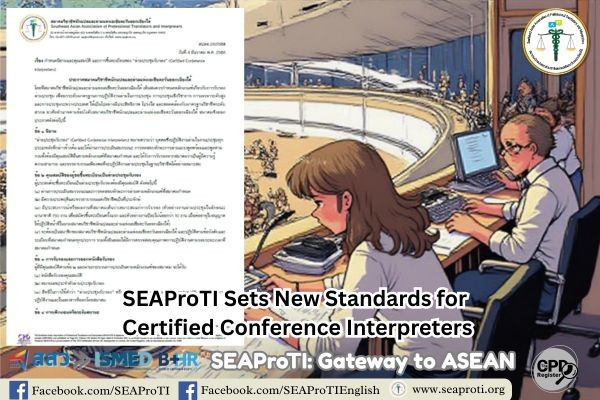
The Southeast Asian Association of Professional Translators and Interpreters (SEAProTI) has officially shared the qualifications and requirements for becoming Certified Translators, Translation Certification Providers, and Certified Interpreters in Sections 9 and 10 of the Royal Gazette, which was published by the Prime Minister’s Office in Thailand on July 25, 2024. Certified Translators, Translation Certification Providers, and Certified Interpreters
The Council of State has proposed the enactment of a Royal Decree, granting registered translators and recognised translation certifiers from professional associations or accredited language institutions the authority to provide legally valid translation certification (Letter to SEAProTI dated April 28, 2025)
SEAProTI is the first professional association in Thailand and Southeast Asia to implement a comprehensive certification system for translators, certifiers, and interpreters.
Head Office: Baan Ratchakru Building, No. 33, Room 402, Soi Phahonyothin 5, Phahonyothin Road, Phaya Thai District, Bangkok 10400, Thailand
Email: hello@seaproti.com | Tel.: (+66) 2-114-3128 (Office hours: Mon–Fri, 09:00–17:00).
บทบาทของล่ามในกระบวนการยุติธรรมทางอาญาของไทย: เหตุผลที่ชาวต่างชาติมักจัดหาล่ามของตนเอง
11 มีนาคม 2569, กรุงเทพมหานคร – ในกระบวนการยุติธรรมทางอาญา หลักการพื้นฐานประการหนึ่งที่ได้รับการยอมรับในระดับสากลคือ สิทธิของผู้ต้องหาหรือจำเลยที่จะต้องเข้าใจการดำเนินคดีที่เกิดขึ้นกับตนเองอย่างครบถ้วน หากบุคคลดังกล่าวไม่สามารถใช้ภาษาที่ใช้ในศาลได้อย่างเพียงพอ รัฐย่อมมีหน้าที่จัดให้มีล่ามเพื่ออำนวยความยุติธรรม หลักการนี้มีความสำคัญอย่างยิ่งในบริบทของคดีอาญา ซึ่งผลของคำพิพากษาอาจส่งผลกระทบต่อเสรีภาพ ชื่อเสียง และสถานะทางกฎหมายของบุคคล
ประเทศไทยรับรองหลักการดังกล่าวผ่านบทบัญญัติทางกฎหมายที่เกี่ยวข้อง โดยเฉพาะใน ประมวลกฎหมายวิธีพิจารณาความอาญา ซึ่งกำหนดให้ศาลต้องจัดหาล่ามให้แก่บุคคลที่ไม่เข้าใจภาษาไทย เพื่อให้สามารถเข้าใจข้อกล่าวหา คำถามในศาล และขั้นตอนการพิจารณาคดีได้อย่างถูกต้อง นอกจากนี้ หลักการเรื่องสิทธิในการได้รับความช่วยเหลือด้านภาษายังสอดคล้องกับมาตรฐานด้านสิทธิมนุษยชนระหว่างประเทศ เช่น สิทธิในการพิจารณาคดีอย่างเป็นธรรม (fair trial)
อย่างไรก็ตาม แม้กฎหมายไทยจะรับรองสิทธิในการมีล่าม แต่ในทางปฏิบัติพบว่า ชาวต่างชาติที่เกี่ยวข้องกับคดีอาญาในประเทศไทยจำนวนไม่น้อยเลือกที่จะ จัดหาล่ามของตนเอง เข้าร่วมในกระบวนการพิจารณาคดี ปรากฏการณ์ดังกล่าวไม่ได้เกิดจากการขาดสิทธิในการได้รับล่ามจากรัฐ หากแต่เกิดจากปัจจัยหลายประการที่เกี่ยวข้องกับโครงสร้างของระบบล่ามในกระบวนการยุติธรรม
ประการแรก คือ ข้อจำกัดด้านจำนวนและความหลากหลายของภาษา แม้ว่าศาลจะมีอำนาจแต่งตั้งล่ามได้ แต่ในทางปฏิบัติ ศาลไม่ได้มีล่ามประจำสำหรับทุกภาษา โดยเฉพาะภาษาที่ไม่แพร่หลายในประเทศไทย เช่น ภาษาในยุโรปตะวันออก แอฟริกา หรือบางภาษาในเอเชียกลาง การจัดหาล่ามในกรณีดังกล่าวอาจใช้เวลานาน ส่งผลให้กระบวนการพิจารณาคดีล่าช้า ดังนั้น ทนายความหรือคู่ความจึงมักจัดหาล่ามที่สามารถทำงานได้ทันทีเพื่ออำนวยความสะดวกให้แก่กระบวนการยุติธรรม
ประการที่สอง คือ ความเชี่ยวชาญเฉพาะทางของล่ามในบริบททางกฎหมาย การล่ามในคดีอาญาไม่ได้เป็นเพียงการแปลคำศัพท์ทั่วไป แต่ต้องอาศัยความเข้าใจในศัพท์กฎหมาย โครงสร้างของการพิจารณาคดี และจริยธรรมของวิชาชีพ ล่ามที่ไม่มีประสบการณ์ในบริบททางศาลอาจตีความข้อความหรือคำถามของศาลคลาดเคลื่อน ซึ่งอาจส่งผลต่อความเข้าใจของจำเลยและอาจกระทบต่อสิทธิในการต่อสู้คดี ด้วยเหตุนี้ ทนายความของชาวต่างชาติจึงมักเลือกนำล่ามมืออาชีพที่มีความเชี่ยวชาญเฉพาะด้านเข้ามาช่วยในการสื่อสาร
ประการที่สาม คือ โครงสร้างของระบบล่ามศาลในประเทศไทย ซึ่งยังไม่ได้พัฒนาเป็นระบบการรับรองวิชาชีพอย่างเป็นทางการในลักษณะเดียวกับบางประเทศ ในหลายประเทศ เช่น เยอรมนี สเปน หรือสหรัฐอเมริกา มีระบบ ล่ามศาลที่ได้รับการรับรอง (certified court interpreter) หรือ ล่ามสาบานตน (sworn interpreter) ซึ่งต้องผ่านการสอบและการรับรองจากหน่วยงานรัฐอย่างเป็นระบบ ในประเทศไทย แม้จะมีการขึ้นทะเบียนล่ามในบางศาล แต่ระบบดังกล่าวยังไม่ได้เป็นระบบใบอนุญาตวิชาชีพในระดับประเทศ ทำให้มาตรฐานของล่ามอาจแตกต่างกันไปในแต่ละพื้นที่
ประการสุดท้าย คือ การคุ้มครองสิทธิของจำเลยในกระบวนการยุติธรรม ในคดีอาญา จำเลยต้องสามารถเข้าใจข้อกล่าวหา หลักฐาน และคำถามที่เกิดขึ้นในศาลได้อย่างครบถ้วน การมีล่ามที่จำเลยและทนายความไว้วางใจจึงถือเป็นองค์ประกอบสำคัญในการประกันความเป็นธรรมของกระบวนการพิจารณาคดี ในบางกรณี ล่ามที่นำมาเองอาจทำหน้าที่เพิ่มเติม เช่น ช่วยอธิบายเอกสารหรือช่วยในการสื่อสารระหว่างจำเลยกับทีมทนายความ ซึ่งบทบาทดังกล่าวอาจอยู่นอกเหนือหน้าที่ของล่ามศาลโดยตรง
กล่าวโดยสรุป แม้ว่ากฎหมายไทยจะรับรองสิทธิของผู้ต้องหาหรือจำเลยที่ไม่เข้าใจภาษาไทยในการได้รับความช่วยเหลือจากล่าม แต่ในทางปฏิบัติ ชาวต่างชาติและทนายความมักเลือกจัดหาล่ามของตนเองเพื่อเพิ่มความมั่นใจในด้านความถูกต้องของการสื่อสาร ความเชี่ยวชาญเฉพาะทาง และการคุ้มครองสิทธิของจำเลยในกระบวนการยุติธรรม ปรากฏการณ์ดังกล่าวสะท้อนให้เห็นถึงความสำคัญของการพัฒนาระบบมาตรฐานวิชาชีพล่ามศาลในประเทศไทย เพื่อเสริมสร้างความเชื่อมั่นในกระบวนการยุติธรรมและรองรับการติดต่อระหว่างประเทศที่เพิ่มมากขึ้นในสังคมปัจจุบัน
สมาคมวิชาชีพนักแปลและล่ามแห่งเอเชียตะวันออกเฉียงใต้ (SEAProTI) ได้ประกาศหลักเกณฑ์และคุณสมบัติของผู้ที่ขึ้นทะเบียนเป็น “นักแปลรับรอง (Certified Translators) และผู้รับรองการแปล (Translation Certification Providers) และล่ามรับรอง (Certified Interpreters)” ของสมาคม หมวดที่ 9 และหมวดที่ 10 ในราชกิจจานุเบกษา ของสำนักเลขาธิการคณะรัฐมนตรี ในสำนักนายกรัฐมนตรี แห่งราชอาณาจักรไทย ลงวันที่ 25 ก.ค. 2567 เล่มที่ 141 ตอนที่ 66 ง หน้า 100 อ่านฉบับเต็มได้ที่: นักแปลรับรอง ผู้รับรองการแปล และล่ามรับรอง
สำนักคณะกรรมการกฤษฎีกาเสนอให้ตราเป็นพระราชกฤษฎีกา โดยกำหนดให้นักแปลที่ขึ้นทะเบียน รวมถึงผู้รับรองการแปลจากสมาคมวิชาชีพหรือสถาบันสอนภาษาที่มีการอบรมและขึ้นทะเบียน สามารถรับรองคำแปลได้ (จดหมายถึงสมาคม SEAProTI ลงวันที่ 28 เม.ย. 2568)
สมาคมวิชาชีพนักแปลและล่ามแห่งเอเชียตะวันออกเฉียงใต้เป็นสมาคมวิชาชีพแห่งแรกและแห่งเดียวในประเทศไทยและภูมิภาคเอเชียตะวันออกเฉียงใต้ที่มีระบบรับรองนักแปลรับรอง ผู้รับรองการแปล และล่ามรับรอง
สำนักงานใหญ่: อาคารบ้านราชครู เลขที่ 33 ห้อง 402 ซอยพหลโยธิน 5 ถนนพหลโยธิน แขวงพญาไท เขตพญาไท กรุงเทพมหานคร 10400 ประเทศไทย
อีเมล: hello@seaproti.com โทรศัพท์: (+66) 2-114-3128 (เวลาทำการ: วันจันทร์–วันศุกร์ เวลา 09.00–17.00 น.