


Interpreters in the Justice System: How Lack of Independence Can Undermine Foreign Defendants’ Rights under the ICCPR
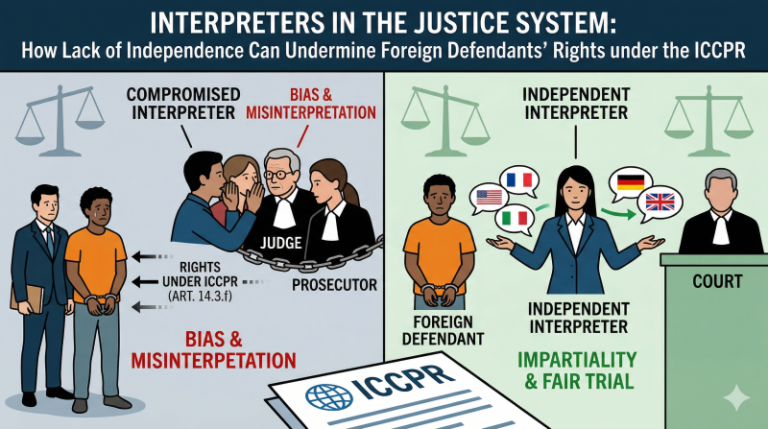
4 April, 2026 – In an increasingly globalized world, cross-border movement has become commonplace, bringing new challenges to national justice systems. One such challenge arises when foreign defendants, unfamiliar with the local language and legal framework, become involved in criminal proceedings. In these situations, interpreters play a critical role as linguistic and cultural bridges. However, when interpreters are not independent and instead operate under the authority or direction of state agencies, their role may compromise, rather than protect, fundamental human rights as guaranteed under the International Covenant on Civil and Political Rights (ICCPR).
**The ICCPR and the Right to a Fair Trial**
Article 14 of the ICCPR guarantees the right to a fair trial, including the right of the accused to understand the charges and proceedings against them. Where a defendant does not understand the language used in court, they are entitled to the free assistance of an interpreter. Importantly, this right is not satisfied merely by the presence of an interpreter; the interpretation must be accurate, complete, and impartial.
**Structural Concerns: Interpreters under State Authority**
In practice, when interpreters are employed by or subordinated to government agencies, their independence may be compromised. They may face direct or indirect pressure to align their translations with the interests of the state. This structural imbalance raises serious concerns about neutrality and the integrity of the judicial process.
**Impacts on the Rights of Foreign Defendants**
First, a lack of impartiality in interpretation can lead to distorted facts. Subtle shifts in wording, omissions, or emphasis can alter the meaning of a defendant’s statements, potentially disadvantaging them in court and undermining the accuracy of judicial findings.
Second, defendants may fail to fully understand their legal rights. If interpreters do not accurately convey critical information—such as the right to counsel, the right to remain silent, or procedural safeguards—defendants may make uninformed decisions that negatively affect their defense.
Third, statements made by the accused may not be truly voluntary. Misinterpretation or suggestive translation can lead to confessions or admissions that do not reflect the defendant’s actual intent or understanding, raising concerns under the ICCPR’s protection against compelled self-incrimination.
Fourth, communication between defendants and their legal counsel may be impaired. If interpreters are not neutral or do not respect confidentiality, the defense cannot be adequately prepared, weakening the defendant’s ability to exercise their right to legal representation effectively.
Finally, these issues contribute to a broader inequality of arms. While the state operates within its own linguistic and institutional framework, foreign defendants depend entirely on interpreters. If those interpreters are not independent, the imbalance becomes systemic, eroding the fairness of the proceedings.
**The Need for Independent and Impartial Interpretation**
To comply with international human rights standards, interpreters in the justice system must be independent, impartial, and professionally competent. They must provide accurate and complete translations without influence or bias. Ensuring these standards is essential not only for protecting defendants’ rights but also for maintaining the credibility and legitimacy of the justice system as a whole.
**Conclusion**
Interpreters are not merely translators of language; they are facilitators of justice. When their role is compromised by institutional pressures or lack of independence, the consequences can be profound, particularly for foreign defendants who rely on them entirely. Upholding the principles of neutrality and accuracy in interpretation is therefore not optional—it is a fundamental requirement of any justice system committed to the rule of law and human rights.
For professional services, please visit: https://www.seaproti.org/practitioners/
About certified translators, translation certifiers, and certified interpreters associated with SEAProTI.
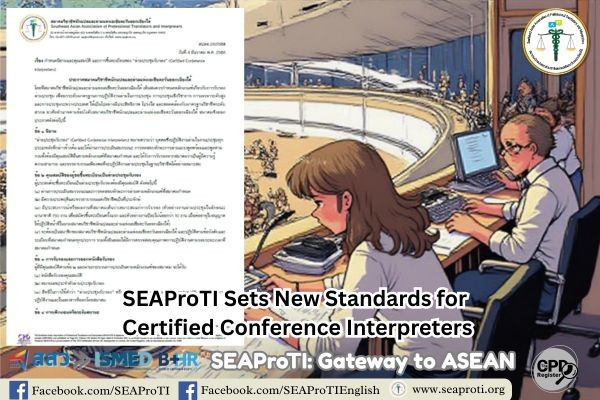
The Southeast Asian Association of Professional Translators and Interpreters (SEAProTI) has officially shared the qualifications and requirements for becoming Certified Translators, Translation Certification Providers, and Certified Interpreters in Sections 9 and 10 of the Royal Gazette, which was published by the Prime Minister’s Office in Thailand on July 25, 2024. Certified Translators, Translation Certification Providers, and Certified Interpreters
The Council of State has proposed the enactment of a Royal Decree, granting registered translators and recognised translation certifiers from professional associations or accredited language institutions the authority to provide legally valid translation certification (Letter to SEAProTI dated April 28, 2025)
SEAProTI is the first professional association in Thailand and Southeast Asia to implement a comprehensive certification system for translators, certifiers, and interpreters.
Head Office: Baan Ratchakru Building, No. 33, Room 402, Soi Phahonyothin 5, Phahonyothin Road, Phaya Thai District, Bangkok 10400, Thailand
Email: hello@seaproti.com | Tel.: (+66) 2-114-3128 (Office hours: Mon–Fri, 09:00–17:00).
**ล่ามในกระบวนการยุติธรรม: เมื่อความไม่เป็นอิสระอาจพรากสิทธิผู้ต้องหาชาวต่างชาติภายใต้ ICCPR**
4 เมษายน 2569, กรุงเทพมหานคร – ในยุคโลกาภิวัตน์ที่การเคลื่อนย้ายของผู้คนข้ามพรมแดนเป็นเรื่องปกติ กระบวนการยุติธรรมของรัฐต่าง ๆ ต้องเผชิญกับความท้าทายใหม่ โดยเฉพาะกรณีที่ผู้ต้องหาเป็นชาวต่างชาติซึ่งไม่เข้าใจภาษาและระบบกฎหมายของประเทศนั้น ๆ “ล่าม” จึงกลายเป็นกลไกสำคัญที่ทำหน้าที่เชื่อมต่อความเข้าใจระหว่างรัฐกับผู้ต้องหา อย่างไรก็ตาม เมื่อบทบาทของล่ามไม่ได้เป็นอิสระ แต่กลับอยู่ภายใต้คำสั่งหรืออาณัตของหน่วยงานรัฐ ปัญหาที่ตามมาอาจร้ายแรงถึงขั้นละเมิดสิทธิมนุษยชนขั้นพื้นฐานตามกติการะหว่างประเทศว่าด้วยสิทธิพลเมืองและสิทธิทางการเมือง (ICCPR)
**ICCPR กับสิทธิในการพิจารณาคดีอย่างเป็นธรรม**
ICCPR โดยเฉพาะข้อ 14 รับรองสิทธิของบุคคลในการได้รับการพิจารณาคดีอย่างเป็นธรรม (fair trial) ซึ่งรวมถึงสิทธิที่จะ “เข้าใจ” ข้อกล่าวหาและกระบวนการพิจารณา หากบุคคลนั้นไม่เข้าใจภาษา ก็มีสิทธิได้รับความช่วยเหลือจากล่ามโดยไม่เสียค่าใช้จ่าย หลักการนี้ไม่ได้หมายถึงเพียงการมีล่ามเท่านั้น แต่ต้องเป็นล่ามที่มีความเป็นกลาง ถูกต้อง และไม่บิดเบือนข้อเท็จจริง
**ปัญหาเชิงโครงสร้าง: ล่ามภายใต้คำสั่งรัฐ**
ในทางปฏิบัติ หากล่ามเป็นบุคลากรในสังกัดหน่วยงานรัฐ หรืออยู่ภายใต้คำสั่งโดยตรงของเจ้าหน้าที่ อาจทำให้ความเป็นกลางถูกตั้งคำถาม ล่ามอาจเผชิญแรงกดดันทั้งโดยตรงและโดยอ้อมให้แปลถ้อยคำในลักษณะที่เอื้อประโยชน์ต่อฝ่ายรัฐ ซึ่งส่งผลกระทบต่อสาระสำคัญของกระบวนการยุติธรรม
**ผลกระทบต่อสิทธิของผู้ต้องหาชาวต่างชาติ**
ประการแรก การแปลที่ไม่เป็นกลางอาจทำให้ข้อเท็จจริงถูกบิดเบือน ไม่ว่าจะเป็นการลดทอนน้ำหนักคำให้การของผู้ต้องหา หรือการเพิ่มความหนักแน่นให้กับคำกล่าวของเจ้าหน้าที่ ส่งผลให้ศาลได้รับข้อมูลที่ไม่ครบถ้วนและอาจนำไปสู่คำพิพากษาที่ไม่เป็นธรรม
ประการที่สอง ผู้ต้องหาอาจไม่เข้าใจสิทธิของตนเองอย่างแท้จริง เช่น สิทธิในการมีทนาย สิทธิที่จะไม่ให้การ หรือสิทธิในการต่อสู้คดี หากล่ามไม่ถ่ายทอดข้อมูลเหล่านี้อย่างครบถ้วน ผู้ต้องหาอาจตัดสินใจในทางที่เสียเปรียบโดยไม่รู้ตัว
ประการที่สาม การให้การอาจไม่เป็นไปโดยสมัครใจอย่างแท้จริง หากล่ามแปลคลาดเคลื่อนหรือชี้นำ ผู้ต้องหาอาจยอมรับสารภาพโดยไม่เข้าใจเนื้อหาหรือผลทางกฎหมาย ซึ่งเข้าข่ายละเมิดหลักการสำคัญของ ICCPR ที่ห้ามการบังคับให้รับสารภาพ
ประการที่สี่ ความสัมพันธ์ระหว่างผู้ต้องหากับทนายความอาจถูกกระทบ หากล่ามไม่เป็นกลางหรือไม่รักษาความลับ การสื่อสารเพื่อเตรียมคดีจะไม่สมบูรณ์ ส่งผลให้ผู้ต้องหาไม่สามารถใช้สิทธิในการป้องกันตนเองได้อย่างเต็มที่
ท้ายที่สุด ความไม่เป็นอิสระของล่ามยังนำไปสู่ความไม่เท่าเทียมในกระบวนการยุติธรรม (inequality of arms) เนื่องจากฝ่ายรัฐสามารถสื่อสารได้โดยตรง ในขณะที่ผู้ต้องหาต้องพึ่งพาล่ามที่อาจไม่เป็นกลาง ทำให้เกิดความเหลื่อมล้ำเชิงโครงสร้าง
**มาตรฐานที่พึงมี: ล่ามต้องเป็น “กลาง” และ “อิสระ”**
เพื่อให้สอดคล้องกับ ICCPR ล่ามในกระบวนการยุติธรรมควรมีสถานะที่เป็นอิสระจากฝ่ายใดฝ่ายหนึ่ง ปฏิบัติหน้าที่ด้วยความเป็นกลาง และแปลอย่างครบถ้วนถูกต้องโดยปราศจากการชี้นำหรือแรงกดดัน การรับรองมาตรฐานดังกล่าวไม่เพียงเป็นการคุ้มครองสิทธิของผู้ต้องหา แต่ยังช่วยเสริมสร้างความน่าเชื่อถือของกระบวนการยุติธรรมโดยรวม
**บทสรุป**
ล่ามไม่ใช่เพียงผู้แปลภาษา แต่เป็น “ตัวกลางของความยุติธรรม” หากบทบาทนี้ถูกบิดเบือนด้วยอำนาจหรือโครงสร้างที่ไม่เป็นอิสระ สิทธิขั้นพื้นฐานของผู้ต้องหาชาวต่างชาติอาจถูกละเมิดอย่างเงียบงัน การปฏิรูประบบล่ามให้เป็นอิสระและยึดหลักสิทธิมนุษยชนจึงไม่ใช่ทางเลือก แต่เป็นความจำเป็นในสังคมที่ยึดมั่นในหลักนิติธรรม
ติดต่อขอใช้บริการนักวิชาชีพของสมาคมได้ที่: https://www.seaproti.org/practitioners/
สมาคมวิชาชีพนักแปลและล่ามแห่งเอเชียตะวันออกเฉียงใต้ (SEAProTI) ได้ประกาศหลักเกณฑ์และคุณสมบัติของผู้ที่ขึ้นทะเบียนเป็น “นักแปลรับรอง (Certified Translators) และผู้รับรองการแปล (Translation Certification Providers) และล่ามรับรอง (Certified Interpreters)” ของสมาคม หมวดที่ 9 และหมวดที่ 10 ในราชกิจจานุเบกษา ของสำนักเลขาธิการคณะรัฐมนตรี ในสำนักนายกรัฐมนตรี แห่งราชอาณาจักรไทย ลงวันที่ 25 ก.ค. 2567 เล่มที่ 141 ตอนที่ 66 ง หน้า 100 อ่านฉบับเต็มได้ที่: นักแปลรับรอง ผู้รับรองการแปล และล่ามรับรอง
สำนักคณะกรรมการกฤษฎีกาเสนอให้ตราเป็นพระราชกฤษฎีกา โดยกำหนดให้นักแปลที่ขึ้นทะเบียน รวมถึงผู้รับรองการแปลจากสมาคมวิชาชีพหรือสถาบันสอนภาษาที่มีการอบรมและขึ้นทะเบียน สามารถรับรองคำแปลได้ (จดหมายถึงสมาคม SEAProTI ลงวันที่ 28 เม.ย. 2568)
สมาคมวิชาชีพนักแปลและล่ามแห่งเอเชียตะวันออกเฉียงใต้เป็นสมาคมวิชาชีพแห่งแรกและแห่งเดียวในประเทศไทยและภูมิภาคเอเชียตะวันออกเฉียงใต้ที่มีระบบรับรองนักแปลรับรอง ผู้รับรองการแปล และล่ามรับรอง
สำนักงานใหญ่: อาคารบ้านราชครู เลขที่ 33 ห้อง 402 ซอยพหลโยธิน 5 ถนนพหลโยธิน แขวงพญาไท เขตพญาไท กรุงเทพมหานคร 10400 ประเทศไทย
อีเมล: hello@seaproti.com โทรศัพท์: (+66) 2-114-3128 (เวลาทำการ: วันจันทร์–วันศุกร์ เวลา 09.00–17.00 น.