



When Certification Becomes an Alternative for Those Unable to Pass Professional Examinations
12 March 2026, Bangkok – In recent years, the translation and interpreting profession in Thailand has begun to experience a notable phenomenon that deserves careful reflection. A number of language practitioners have increasingly sought professional certifications from organizations both domestically and abroad, even when their language proficiency—particularly in English or other foreign languages—may not meet the standards typically required to pass internationally recognized examinations. This development reflects broader changes within the language services market, where professional certification has become an important symbol of credibility and professional recognition.
In many countries, certification systems for translators and interpreters are designed to evaluate professional competence through structured and rigorous processes. These systems usually include language proficiency examinations, practical tests in translation or interpreting, and assessments related to professional ethics and standards of practice. Such procedures aim to ensure that certified professionals possess the linguistic competence and professional skills necessary to perform work that requires a high degree of accuracy and responsibility, whether in legal translation, medical interpreting, or international conference settings where precision in communication is essential.
However, the situation in Thailand presents a somewhat different context. A considerable number of translators and interpreters have worked in the profession for decades, with some accumulating more than twenty or even thirty years of experience. Despite this extensive professional history, their foreign language proficiency—particularly in English or other working languages—may not always align with the standards required by international certification bodies. When confronted with certification systems that require candidates to pass formal examinations, many practitioners find themselves unable to meet the required benchmarks.
As a result, some individuals begin searching for alternative pathways to obtain professional credentials. These alternatives often involve joining associations or organizations that do not require formal examinations, or obtaining certification or licensing based primarily on documented work experience rather than demonstrated language proficiency. In some cases, organizations grant certifications through the evaluation of professional portfolios or résumés without conducting standardized assessments of linguistic competence. In other instances, certification may be granted upon membership enrollment or participation in short training programs.
While such pathways may appear to offer recognition to practitioners with long professional experience, they also raise important questions about the reliability and credibility of these certifications. If professional credentials can be obtained without rigorous evaluation of language ability and professional skills, it becomes difficult for clients and institutions to determine whether certified individuals truly possess the competence required for high-stakes linguistic work. Over time, this may undermine the credibility of certification systems and weaken the professional reputation of the translation and interpreting field as a whole.
Within language professions, experience is undeniably valuable. However, experience alone does not necessarily guarantee linguistic competence. Some translators or interpreters may have worked for decades without systematically developing their language proficiency or updating their professional skills. In such cases, inaccuracies in translation, misinterpretation of meaning, or misunderstandings of specialized terminology may occur. These risks become particularly significant in sensitive professional contexts such as legal translation, court interpreting, medical interpreting, or diplomatic communication, where even minor errors can lead to serious consequences for individuals, institutions, or legal processes.
For these reasons, many experts in the field emphasize the importance of establishing certification systems that genuinely measure professional competence. Effective certification frameworks should include transparent examination procedures, practical assessments of translation or interpreting ability, and ongoing professional development requirements. Such systems may be more demanding and selective, but they play a crucial role in maintaining professional standards and ensuring public trust in language services.
Ultimately, the central question surrounding professional certification in the translation and interpreting profession is not simply how many credentials a practitioner holds, but whether those credentials genuinely reflect competence, expertise, and professional responsibility. If certification becomes merely a symbolic credential that can be obtained without meaningful evaluation, the standards of the profession may gradually erode. In the long term, this could weaken the credibility of the entire field and diminish the trust that society places in language professionals.
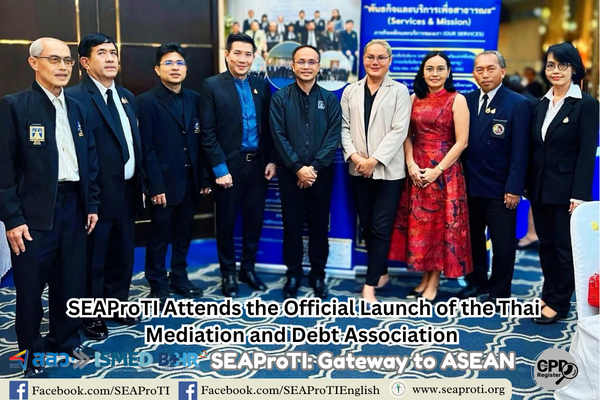
About certified translators, translation certifiers, and certified interpreters associated with SEAProTI.
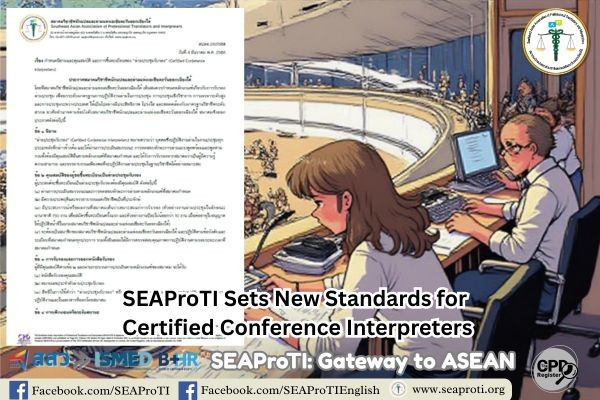
The Southeast Asian Association of Professional Translators and Interpreters (SEAProTI) has officially shared the qualifications and requirements for becoming Certified Translators, Translation Certification Providers, and Certified Interpreters in Sections 9 and 10 of the Royal Gazette, which was published by the Prime Minister’s Office in Thailand on July 25, 2024. Certified Translators, Translation Certification Providers, and Certified Interpreters
The Council of State has proposed the enactment of a Royal Decree, granting registered translators and recognised translation certifiers from professional associations or accredited language institutions the authority to provide legally valid translation certification (Letter to SEAProTI dated April 28, 2025)
SEAProTI is the first professional association in Thailand and Southeast Asia to implement a comprehensive certification system for translators, certifiers, and interpreters.
Head Office: Baan Ratchakru Building, No. 33, Room 402, Soi Phahonyothin 5, Phahonyothin Road, Phaya Thai District, Bangkok 10400, Thailand
Email: hello@seaproti.com | Tel.: (+66) 2-114-3128 (Office hours: Mon–Fri, 09:00–17:00).
เมื่อ Certification กลายเป็นทางเลือกของผู้ที่ไม่สามารถผ่านการสอบมาตรฐานวิชาชีพ
12 มีนาคม 2569, กรุงเทพมหานคร – ในช่วงหลายปีที่ผ่านมา วงการนักแปลและล่ามในประเทศไทยเริ่มเผชิญกับปรากฏการณ์ที่น่าสนใจและควรค่าแก่การพิจารณาอย่างจริงจัง นั่นคือการที่ผู้ปฏิบัติงานด้านภาษาจำนวนหนึ่งพยายามแสวงหาใบรับรองวิชาชีพหรือ Certification จากองค์กรทั้งในและต่างประเทศ แม้ว่าทักษะทางภาษา โดยเฉพาะภาษาอังกฤษหรือภาษาต่างประเทศของพวกเขา อาจยังไม่อยู่ในระดับที่สามารถผ่านการสอบมาตรฐานสากลได้ก็ตาม ปรากฏการณ์นี้สะท้อนให้เห็นถึงความเปลี่ยนแปลงของตลาดงานแปลและการล่าม ซึ่งใบรับรองวิชาชีพเริ่มกลายเป็นสัญลักษณ์สำคัญของความน่าเชื่อถือและความเป็นมืออาชีพในสายอาชีพด้านภาษา
ในหลายประเทศ ระบบ Certification สำหรับนักแปลและล่ามถูกออกแบบมาเพื่อประเมินความสามารถของผู้ประกอบวิชาชีพอย่างเป็นระบบและเข้มงวด โดยมักมีการสอบวัดทักษะภาษา การทดสอบความสามารถด้านการแปลหรือการล่าม รวมถึงการประเมินความเข้าใจด้านจริยธรรมวิชาชีพ กระบวนการเหล่านี้มีเป้าหมายสำคัญเพื่อให้มั่นใจว่าผู้ที่ได้รับการรับรองมีความสามารถทางภาษาและมีทักษะเชิงวิชาชีพเพียงพอที่จะทำงานในสถานการณ์ที่ต้องการความแม่นยำสูง ไม่ว่าจะเป็นงานแปลเอกสารทางกฎหมาย งานล่ามทางการแพทย์ หรือการล่ามในการประชุมระหว่างประเทศที่มีความละเอียดอ่อนด้านข้อมูล
อย่างไรก็ตาม ในบริบทของประเทศไทย นักแปลและล่ามจำนวนไม่น้อยทำงานอยู่ในสายอาชีพนี้มาเป็นเวลายาวนาน บางคนมีประสบการณ์การทำงานมากกว่า 20 หรือ 30 ปี แต่ในขณะเดียวกัน ทักษะทางภาษา โดยเฉพาะภาษาอังกฤษหรือภาษาต่างประเทศอื่น ๆ กลับไม่ได้พัฒนาไปตามมาตรฐานสากลที่องค์กรวิชาชีพระดับนานาชาติกำหนดไว้ เมื่อเผชิญกับระบบ Certification ที่ต้องผ่านการสอบจริง ผู้ปฏิบัติงานบางส่วนจึงไม่สามารถผ่านเกณฑ์ดังกล่าวได้ และเริ่มมองหาทางเลือกอื่นในการได้รับใบรับรองวิชาชีพ
ทางเลือกที่เกิดขึ้นในทางปฏิบัติคือการสมัครเป็นสมาชิกหรือขอรับ Certification จากองค์กรหรือสมาคมที่ไม่มีระบบสอบ หรือองค์กรที่สามารถออก License หรือ Certification ให้ได้โดยอาศัยเพียงประสบการณ์การทำงานที่ผ่านมาโดยไม่มีการทดสอบความสามารถทางภาษาอย่างเป็นทางการ บางองค์กรใช้วิธีพิจารณาเอกสารประวัติการทำงานหรือ Portfolio ของผู้สมัครแทนการสอบ ในขณะที่บางแห่งเปิดโอกาสให้ผู้สมัครได้รับการรับรองทันทีเมื่อสมัครสมาชิกหรือเข้าร่วมโครงการฝึกอบรมระยะสั้น
แม้ว่าการรับรองลักษณะนี้อาจถูกมองว่าเป็นช่องทางที่ช่วยให้ผู้ที่มีประสบการณ์ยาวนานสามารถได้รับการยอมรับทางวิชาชีพได้ แต่ก็ทำให้เกิดคำถามสำคัญเกี่ยวกับมาตรฐานของใบรับรองเหล่านั้น หาก Certification สามารถได้รับโดยไม่ต้องผ่านการประเมินทักษะจริง ผู้ใช้บริการอาจไม่สามารถแยกแยะได้ว่าผู้ที่ได้รับใบรับรองมีความสามารถทางภาษาในระดับใด หรือมีทักษะการแปลและการล่ามที่สอดคล้องกับมาตรฐานสากลหรือไม่ ในระยะยาว สิ่งนี้อาจส่งผลกระทบต่อความน่าเชื่อถือของทั้งระบบ Certification และภาพลักษณ์ของวิชาชีพโดยรวม
ในวิชาชีพด้านภาษา ประสบการณ์การทำงานถือเป็นองค์ประกอบสำคัญ แต่ประสบการณ์เพียงอย่างเดียวไม่สามารถรับประกันความสามารถทางภาษาได้เสมอไป นักแปลหรือล่ามบางคนอาจทำงานมานานหลายสิบปี แต่หากไม่ได้พัฒนาทักษะภาษาอย่างต่อเนื่องหรือไม่ได้ผ่านการประเมินมาตรฐานที่ชัดเจน ก็อาจเกิดความคลาดเคลื่อนในการแปลหรือการตีความได้ โดยเฉพาะในงานที่มีความละเอียดอ่อนสูง เช่น การแปลเอกสารทางกฎหมาย การล่ามในกระบวนการยุติธรรม หรือการล่ามทางการแพทย์ ซึ่งความผิดพลาดเพียงเล็กน้อยอาจนำไปสู่ผลกระทบที่ร้ายแรงต่อบุคคลหรือองค์กรที่เกี่ยวข้อง
ด้วยเหตุนี้ ผู้เชี่ยวชาญในวงการจำนวนมากจึงเห็นว่าการพัฒนาระบบ Certification ที่มีมาตรฐานชัดเจนและมีการสอบวัดความสามารถจริงเป็นสิ่งจำเป็นต่อการยกระดับวิชาชีพนักแปลและล่ามในประเทศไทย ระบบดังกล่าวควรมีทั้งการประเมินทักษะภาษา การทดสอบความสามารถเชิงวิชาชีพ และการส่งเสริมการพัฒนาวิชาชีพอย่างต่อเนื่อง เพื่อให้ผู้ที่ได้รับการรับรองสามารถปฏิบัติงานได้อย่างมีคุณภาพและเป็นที่เชื่อถือในระดับสากล
ท้ายที่สุดแล้ว คำถามสำคัญของระบบ Certification ในวงการนักแปลและล่ามอาจไม่ได้อยู่ที่จำนวนใบรับรองที่ผู้ประกอบวิชาชีพถือครอง แต่อยู่ที่คุณค่าของใบรับรองนั้นว่ามีความสามารถในการรับรองความรู้ ความสามารถ และความรับผิดชอบทางวิชาชีพได้จริงเพียงใด หาก Certification กลายเป็นเพียงเครื่องมือทางภาพลักษณ์ที่สามารถได้รับโดยไม่ต้องผ่านการประเมินทักษะอย่างแท้จริง มาตรฐานของวิชาชีพอาจค่อย ๆ ถูกลดทอนลง และความเชื่อมั่นของสังคมต่อผู้ประกอบวิชาชีพด้านภาษาอาจได้รับผลกระทบในระยะยาว
สมาคมวิชาชีพนักแปลและล่ามแห่งเอเชียตะวันออกเฉียงใต้ (SEAProTI) ได้ประกาศหลักเกณฑ์และคุณสมบัติของผู้ที่ขึ้นทะเบียนเป็น “นักแปลรับรอง (Certified Translators) และผู้รับรองการแปล (Translation Certification Providers) และล่ามรับรอง (Certified Interpreters)” ของสมาคม หมวดที่ 9 และหมวดที่ 10 ในราชกิจจานุเบกษา ของสำนักเลขาธิการคณะรัฐมนตรี ในสำนักนายกรัฐมนตรี แห่งราชอาณาจักรไทย ลงวันที่ 25 ก.ค. 2567 เล่มที่ 141 ตอนที่ 66 ง หน้า 100 อ่านฉบับเต็มได้ที่: นักแปลรับรอง ผู้รับรองการแปล และล่ามรับรอง
สำนักคณะกรรมการกฤษฎีกาเสนอให้ตราเป็นพระราชกฤษฎีกา โดยกำหนดให้นักแปลที่ขึ้นทะเบียน รวมถึงผู้รับรองการแปลจากสมาคมวิชาชีพหรือสถาบันสอนภาษาที่มีการอบรมและขึ้นทะเบียน สามารถรับรองคำแปลได้ (จดหมายถึงสมาคม SEAProTI ลงวันที่ 28 เม.ย. 2568)
สมาคมวิชาชีพนักแปลและล่ามแห่งเอเชียตะวันออกเฉียงใต้เป็นสมาคมวิชาชีพแห่งแรกและแห่งเดียวในประเทศไทยและภูมิภาคเอเชียตะวันออกเฉียงใต้ที่มีระบบรับรองนักแปลรับรอง ผู้รับรองการแปล และล่ามรับรอง
สำนักงานใหญ่: อาคารบ้านราชครู เลขที่ 33 ห้อง 402 ซอยพหลโยธิน 5 ถนนพหลโยธิน แขวงพญาไท เขตพญาไท กรุงเทพมหานคร 10400 ประเทศไทย
อีเมล: hello@seaproti.com โทรศัพท์: (+66) 2-114-3128 (เวลาทำการ: วันจันทร์–วันศุกร์ เวลา 09.00–17.00 น.