



Translation Quality, Training, and the Legal Framework for Certification
Lessons Learned from the Training Program “Thai Translation into English for Beginners, Cohort 41”
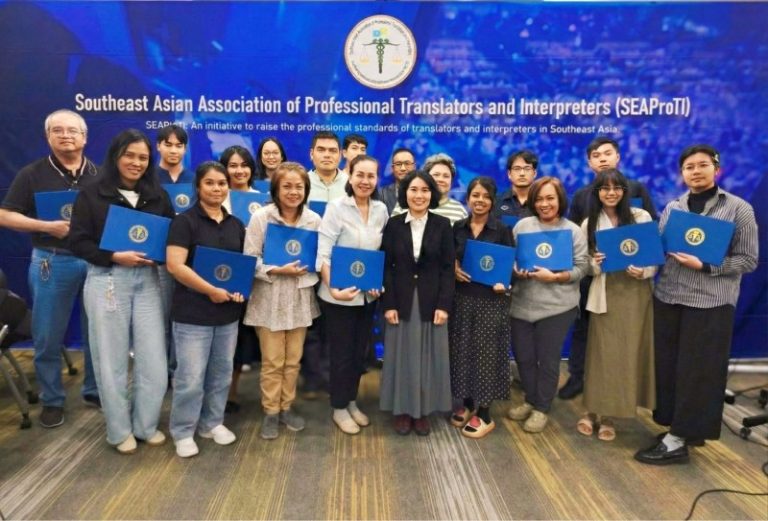
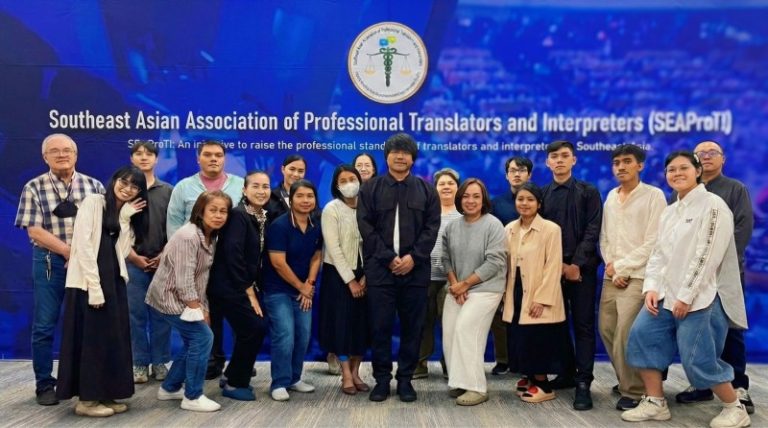
15 December 2025, Bangkok – The training program “Thai Translation into English for Beginners, Cohort 41,” held on 11 December 2025, served as an important forum for examining the interrelationship between translation competence, service quality, and the legal framework governing document translation in Thailand. This article aims to analyze the key issues that emerged from the discussions during the training, focusing on four main aspects: (1) intern training and quality control mechanisms, (2) quality standards in document translation services, (3) challenges related to certification and international recognition of translated documents, and (4) common misunderstandings regarding translators’ qualifications and the scope of translation certification.
The analysis demonstrates that translation quality cannot be assessed solely from a linguistic perspective but must be considered in conjunction with training systems, professional accountability, and the relevant legal framework.
Keywords: document translation, translation certification, translator training, professional standards, international document law
In the context of globalization, document translation plays a crucial role in facilitating cross-border mobility, education, trade, and judicial processes. Accurate and properly certified translations of legal and official documents constitute a fundamental element of trust between states and between public authorities and individuals. However, in practice, the document translation system in Thailand continues to face challenges related to quality assurance, professional standards, and public understanding of certification requirements. The Cohort 41 training program therefore provides a valuable case study that highlights these structural issues in a concrete and practical manner.
Intern Training and Quality Control
Discussions during the training revealed that intern education involves more than the transmission of translation skills alone. It also requires the development of a comprehensive understanding of real-world workflows, ranging from document processing to client communication. While many interns were able to correct errors effectively, some continued to encounter difficulties with basic tasks despite having received prior guidance.
These findings underscore the necessity of a structured training system, continuous monitoring and evaluation, and clearly defined shared responsibilities between interns and supervisors in order to ensure sustainable skill development and professional growth.
Quality Standards in Document Translation Services
Another key issue concerned translation quality and client complaints. Participants expressed concerns about cases in which clients failed to follow prescribed procedures yet expected outcomes equivalent to officially certified documents. As a result, the discussions led to proposals aimed at strengthening service standards, including the establishment of clear terms and conditions, the non-refundability of translations affected by errors in source documents, and the requirement that experienced translators review translations prior to delivery.
These measures reflect an effort to strike a balance between consumer protection and the preservation of professional standards within the translation profession.
Challenges in Certification and Document Recognition
The discussions also highlighted persistent confusion surrounding translation certification systems, particularly in the context of immigration-related and international documents. Participants noted the lack of clarity regarding the roles and responsibilities of competent authorities authorized to certify translations, which often leads to misunderstandings among both service providers and the general public.
Furthermore, the discussions addressed differences in document recognition practices across countries. While some states accept translations certified in Thailand without additional formalities, others require further authentication, such as certification by embassies or consular authorities. Understanding these distinctions is therefore essential for providing accurate guidance to clients.
Translator Qualifications and the Scope of Certification
One issue that attracted particular attention was the misunderstanding surrounding translators’ qualifications. The discussion considered cases involving individuals who obtained degrees abroad, with the conclusion that translation certification must be based on the language of instruction and verifiable academic evidence, rather than merely the country or institution where the degree was awarded. This point highlights the importance of clearly distinguishing between translation competence and the legal authority to certify translations.
Conclusion and Recommendations
The analysis of the Cohort 41 training program demonstrates that document translation is an activity that extends beyond linguistic skills alone. It requires robust training systems, a strong professional ethical framework, and a sound understanding of applicable legal regulations. This article recommends enhanced collaboration among professional associations, government agencies, and educational institutions to establish clear, consistent training and certification standards aligned with international practices. Such cooperation would contribute to the sustainable development and professionalization of the translation profession in Thailand.
About Certified Translators, Translation Certifiers, and Certified Interpreters of SEAProTI
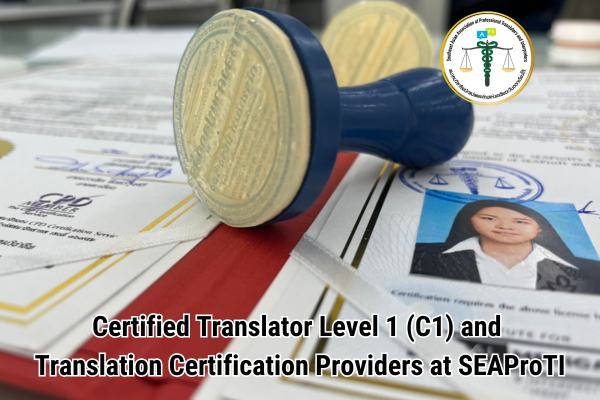
The Southeast Asian Association of Professional Translators and Interpreters (SEAProTI) has formally announced the qualifications and requirements for registration of Certified Translators, Translation Certification Providers, and Certified Interpreters in Sections 9 and 10 of the Royal Gazette, published by the Secretariat of the Cabinet, Office of the Prime Minister of Thailand, on 25 July 2024 (Vol. 141, Part 66 Ng, p. 100). Certified Translators, Translation Certification Providers, and Certified Interpreters
The Council of State has proposed the enactment of a Royal Decree, granting registered translators and recognized translation certifiers from professional associations or accredited language institutions the authority to provide legally valid translation certification (Letter to SEAProTI dated April 28, 2025)
SEAProTI is the first professional association in Thailand and Southeast Asia to implement a comprehensive certification system for translators, certifiers, and interpreters.
Head Office: Baan Ratchakru Building, No. 33, Room 402, Soi Phahonyothin 5, Phahonyothin Road, Phaya Thai District, Bangkok 10400, Thailand
Email: hello@seaproti.com | Tel.: (+66) 2-114-3128 (Office hours: Mon–Fri, 09:00–17:00)
คุณภาพงานแปล การฝึกอบรม และกรอบการรับรองทางกฎหมาย
บทเรียนจากการอบรม “การแปลเอกสารจากภาษาไทยเป็นภาษาอังกฤษเบื้องต้น รุ่นที่ 41”
การอบรม “การแปลเอกสารจากภาษาไทยเป็นภาษาอังกฤษเบื้องต้น (Thai Translation into English for Beginners) รุ่นที่ 41” เมื่อวันที่ 11 ธันวาคม พ.ศ. 2568 เป็นเวทีสำคัญที่สะท้อนให้เห็นถึงความเชื่อมโยงระหว่างทักษะการแปล คุณภาพการให้บริการ และกรอบกฎหมายที่กำกับงานแปลเอกสารในประเทศไทย บทความนี้มีวัตถุประสงค์เพื่อวิเคราะห์ประเด็นที่เกิดขึ้นจากการอภิปรายในที่ประชุม โดยมุ่งเน้น 4 ประเด็นหลัก ได้แก่ (1) การฝึกอบรมและการกำกับคุณภาพผู้ฝึกงาน (2) มาตรฐานคุณภาพบริการแปลเอกสาร (3) ความท้าทายด้านการรับรองและการยอมรับเอกสารระหว่างประเทศ และ (4) ความเข้าใจผิดเกี่ยวกับคุณสมบัติและขอบเขตการรับรองงานแปล ผลการวิเคราะห์ชี้ให้เห็นว่าคุณภาพงานแปลไม่อาจพิจารณาเพียงในเชิงภาษา แต่ต้องพิจารณาควบคู่กับระบบการฝึกอบรม ความรับผิดชอบทางวิชาชีพ และกรอบกฎหมายที่เกี่ยวข้อง
คำสำคัญ: งานแปลเอกสาร, การรับรองการแปล, การฝึกอบรมนักแปล, มาตรฐานวิชาชีพ, กฎหมายเอกสารระหว่างประเทศ
ในบริบทของโลกาภิวัตน์ งานแปลเอกสารมีบทบาทสำคัญอย่างยิ่งต่อการเคลื่อนย้ายบุคคล การศึกษา การค้า และกระบวนการยุติธรรม เอกสารทางกฎหมายและเอกสารราชการที่ได้รับการแปลอย่างถูกต้องและผ่านการรับรองจึงเป็นองค์ประกอบสำคัญของความเชื่อมั่นระหว่างรัฐและประชาชน อย่างไรก็ตาม ในทางปฏิบัติ ระบบการแปลเอกสารในประเทศไทยยังเผชิญกับปัญหาด้านคุณภาพ มาตรฐาน และความเข้าใจเกี่ยวกับการรับรอง การอบรมรุ่นที่ 41 จึงเป็นกรณีศึกษาที่สะท้อนปัญหาเชิงโครงสร้างเหล่านี้ได้อย่างชัดเจน
การฝึกอบรมผู้ฝึกงานและการควบคุมคุณภาพ
การอภิปรายในที่ประชุมสะท้อนให้เห็นว่า การฝึกอบรมนักศึกษาฝึกงานมิใช่เพียงการถ่ายทอดทักษะการแปล แต่รวมถึงการสร้างความเข้าใจเกี่ยวกับกระบวนการทำงานจริง ตั้งแต่การจัดการเอกสารไปจนถึงการสื่อสารกับลูกค้า แม้ว่าผู้ฝึกงานจำนวนหนึ่งสามารถแก้ไขข้อผิดพลาดได้อย่างมีประสิทธิภาพ แต่ยังพบว่าผู้ฝึกงานบางรายประสบปัญหาในการปฏิบัติงานพื้นฐาน แม้จะได้รับคำแนะนำมาก่อนแล้ว
ประเด็นดังกล่าวสะท้อนให้เห็นถึงความจำเป็นของระบบฝึกอบรมที่มีโครงสร้างชัดเจน การติดตามผลอย่างต่อเนื่อง และการกำหนดความรับผิดชอบร่วมกันระหว่างผู้ฝึกงานและผู้ควบคุมงาน เพื่อให้การพัฒนาทักษะเป็นไปอย่างยั่งยืน
มาตรฐานคุณภาพบริการแปลเอกสาร
อีกประเด็นสำคัญคือปัญหาคุณภาพงานแปลและข้อร้องเรียนจากลูกค้า ที่ประชุมได้สะท้อนถึงความท้าทายจากกรณีที่ลูกค้าไม่ปฏิบัติตามขั้นตอนที่กำหนด แต่กลับคาดหวังผลลัพธ์ในระดับเอกสารทางการ การอภิปรายจึงนำไปสู่ข้อเสนอในการยกระดับมาตรฐานการให้บริการ เช่น การกำหนดเงื่อนไขการใช้บริการที่ชัดเจน การไม่คืนเงินในกรณีที่งานแปลผิดพลาดจากข้อมูลต้นทาง และการกำหนดให้มีการตรวจทานงานโดยนักแปลที่มีประสบการณ์ก่อนส่งมอบ
แนวทางดังกล่าวสะท้อนความพยายามในการสร้างสมดุลระหว่างการคุ้มครองผู้บริโภคและการรักษามาตรฐานวิชาชีพของนักแปล
ความท้าทายด้านการรับรองและการยอมรับเอกสาร
การอภิปรายยังชี้ให้เห็นถึงความสับสนเกี่ยวกับระบบการรับรองงานแปล โดยเฉพาะในงานด้านการเข้าเมืองและเอกสารระหว่างประเทศ ผู้เข้าร่วมตั้งข้อสังเกตถึงความไม่ชัดเจนเกี่ยวกับบทบาทของหน่วยงานที่มีอำนาจรับรอง ซึ่งนำไปสู่ความเข้าใจคลาดเคลื่อนในหมู่ประชาชนและผู้ให้บริการ
นอกจากนี้ ยังมีการอภิปรายเกี่ยวกับความแตกต่างในการยอมรับเอกสารของแต่ละประเทศ บางประเทศยอมรับการรับรองจากประเทศไทยโดยตรง ขณะที่บางประเทศกำหนดให้ต้องผ่านขั้นตอนเพิ่มเติม เช่น การรับรองโดยสถานทูตหรือกรมกงสุล ความเข้าใจในประเด็นนี้จึงเป็นองค์ประกอบสำคัญของการให้คำแนะนำแก่ลูกค้าอย่างถูกต้อง
คุณสมบัติผู้แปลและขอบเขตการรับรอง
ประเด็นหนึ่งที่ได้รับความสนใจคือความเข้าใจเกี่ยวกับคุณสมบัติของนักแปล โดยมีการยกกรณีผู้สำเร็จการศึกษาจากต่างประเทศขึ้นพิจารณา ที่ประชุมมีข้อสรุปว่าการรับรองงานแปลต้องพิจารณาจากภาษาในการศึกษาและหลักฐานทางวิชาการ มิใช่เพียงสถานที่หรือประเทศที่สำเร็จการศึกษา ประเด็นนี้สะท้อนถึงความจำเป็นในการแยกแยะระหว่าง “ความสามารถในการแปล” กับ “สิทธิในการรับรองงานแปล” อย่างชัดเจน
สรุปและข้อเสนอแนะ
จากการวิเคราะห์การอบรมรุ่นที่ 41 สามารถสรุปได้ว่า งานแปลเอกสารเป็นกิจกรรมที่ต้องอาศัยมากกว่าทักษะภาษา แต่ต้องพึ่งพาระบบฝึกอบรมที่มีคุณภาพ กรอบจริยธรรมวิชาชีพ และความเข้าใจในกฎหมายที่เกี่ยวข้อง ผู้เขียนเสนอให้มีการพัฒนาความร่วมมือระหว่างสมาคมวิชาชีพ หน่วยงานภาครัฐ และสถาบันการศึกษา เพื่อสร้างมาตรฐานการฝึกอบรมและการรับรองที่ชัดเจนและสอดคล้องกับบริบทสากล อันจะนำไปสู่การยกระดับวิชาชีพนักแปลในประเทศไทยอย่างยั่งยืน
เกี่ยวกับนักแปลรับรอง ผู้รับรองการแปล และล่ามรับรองของสมาคมวิชาชีพนักแปลและล่ามแห่งเอเชียตะวันออกเฉียงใต้
สมาคมวิชาชีพนักแปลและล่ามแห่งเอเชียตะวันออกเฉียงใต้ (SEAProTI) ได้ประกาศหลักเกณฑ์และคุณสมบัติผู้ที่ขึ้นทะเบียนเป็น “นักแปลรับรอง (Certified Translators) และผู้รับรองการแปล (Translation Certification Providers) และล่ามรับรอง (Certified Interpreters)” ของสมาคม หมวดที่ 9 และหมวดที่ 10 ในราชกิจจานุเบกษา ของสำนักเลขาธิการคณะรัฐมนตรี ในสำนักนายกรัฐมนตรี แห่งราชอาณาจักรไทย ลงวันที่ 25 ก.ค. 2567 เล่มที่ 141 ตอนที่ 66 ง หน้า 100 อ่านฉบับเต็มได้ที่: นักแปลรับรอง ผู้รับรองการแปล และล่ามรับรอง
สำนักคณะกรรมการกฤษฎีกาเสนอให้ตราเป็นพระราชกฤษฎีกา โดยกำหนดให้นักแปลที่ขึ้นทะเบียน รวมถึงผู้รับรองการแปลจากสมาคมวิชาชีพหรือสถาบันสอนภาษาที่มีการอบรมและขึ้นทะเบียน สามารถรับรองคำแปลได้ (จดหมายถึงสมาคม SEAProTI ลงวันที่ 28 เม.ย. 2568)
สมาคมวิชาชีพนักแปลและล่ามแห่งเอเชียตะวันออกเฉียงใต้ เป็นสมาคมวิชาชีพแห่งแรกในประเทศไทยและภูมิภาคเอเชียตะวันออกเฉียงใต้ที่มีระบบรับรองนักแปลรับรอง ผู้รับรองการแปล และล่ามรับรอง
สำนักงานใหญ่: อาคารบ้านราชครู เลขที่ 33 ห้อง 402 ซอยพหลโยธิน 5 ถนนพหลโยธิน แขวงพญาไท เขตพญาไท กรุงเทพมหานคร 10400 ประเทศไทย
อีเมล: hello@seaproti.com โทรศัพท์: (+66) 2-114-3128 (เวลาทำการ: วันจันทร์–วันศุกร์ เวลา 09.00–17.00 น.