


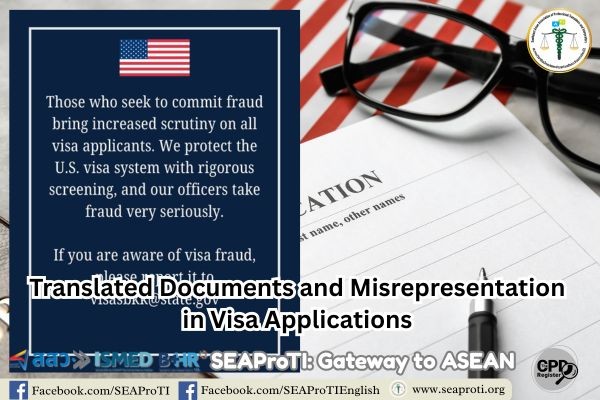
Translated Documents in the Visa Application Process:
A Legal Analysis of False Information and Fraudulent Documents in the Context of Translation
16 December 2025, Bangkok — The visa application process constitutes a legal and administrative procedure in which documentary evidence plays a decisive role in assessing an applicant’s eligibility and credibility. One component that is frequently overlooked is the translated document. In practice, translated documents do not merely serve as linguistic renditions of original texts; rather, they function as legal evidence with direct legal effect. This article aims to analyze how translated documents may constitute false information or fraudulent documents, even when the original documents are authentic. Drawing upon frameworks from consular law, immigration law, and professional translation ethics, the analysis demonstrates that translation inaccuracies, substantive distortions, unauthorized certifications, and the misuse of translated documents may all result in serious legal consequences for visa applicants. The article argues for the elevation of translation standards in visa applications, recognizing translated documents as legal evidence rather than purely linguistic products.
Keywords: translated documents, false information, fraudulent documents, visa, material misrepresentation, translation ethics
Translated Documents in Modern Visa Adjudication Systems
In contemporary state-based visa adjudication systems, supporting documentation constitutes a central mechanism for evaluating an applicant’s identity, status, and intent (Bhabha, 2014). When original documents are produced in a language other than the official language of the receiving state, translated documents become the primary means through which consular officers access and assess the applicant’s information.
In practice, however, translated documents are often perceived merely as technical instruments lacking legal status equivalent to that of original documents. Such a perception creates significant legal risk, as consular and immigration laws in many jurisdictions establish that all documents submitted in support of an application—whether originals or translations—fall under the responsibility of the applicant (U.S. Department of State, 2023).
Translated Documents as Legal Evidence
From a legal perspective, translated documents are not ancillary or explanatory materials. Rather, they function as substitutes for the original documents within the adjudicatory process (Garzone & Viezzi, 2019). Given that most consular officers are unable to read the source language, the translated version becomes the primary, and often sole, basis for factual determination.
Consequently, any discrepancy between the translated document and the original text is interpreted as a factual assertion made directly by the applicant, regardless of whether the error originated from the translator or another third party.
Translated Documents as “False Information”
Inaccurate Translation of the Original Content
The addition, omission, or alteration of substantive elements in the original document—such as employment status, duration, or legal relationships—may constitute material misrepresentation. Such misrepresentation is a recognized ground for visa refusal in many jurisdictions (Immigration and Nationality Act, §212(a)(5)).
Linguistically Accurate but Legally Distortive Terminology
Even where a translation is linguistically acceptable, the selection of terminology that alters the applicant’s legal status—such as inflating business roles or income stability—may amount to intended misrepresentation. In such cases, the translation misleads decision-makers by reshaping the legal implications of the original content.
Translated Documents as “Fraudulent Documents”
Translation Without a Legally Existing Original
When a translated document is produced without a legally valid original document, it lacks a factual foundation and may be considered part of a fabricated documentation scheme. Linguistic accuracy alone cannot legitimize a translation that is detached from a lawful source.
Unauthorized Certification of Translations
The use of certification statements such as “Certified True Translation” by individuals or entities lacking legal authority or professional accreditation may constitute unauthorized representation. Such practices undermine the credibility of the translated document in the eyes of consular authorities (Pym, 2014).
Responsibility of Visa Applicants and Translators
International consular law principles clearly establish that visa applicants bear full responsibility for every document submitted, regardless of whether those documents were prepared by the applicants themselves or by third parties (U.S. Department of State, 2023). At the same time, translators, as professional practitioners, carry ethical obligations to render content accurately, faithfully, and without distortion (Chesterman, 2016).
Conclusion and Recommendations
This article demonstrates that translated documents in the visa application process are not merely linguistic tools but constitute integral components of legal evidence with direct consequences for applicants’ rights and legal status. Translated documents may be deemed false information or fraudulent documents when they involve substantive distortion, unauthorized certification, or improper use.
The author recommends that relevant authorities, translators, and applicants recognize the legal status of translated documents and develop higher standards for translation practices in visa applications, aligned with principles of accuracy, transparency, and international accountability.
References
- Bhabha, J. (2014). Child migration and human rights in a global age. Princeton University Press.
- Chesterman, A. (2016). Memes of translation: The spread of ideas in translation theory. John Benjamins Publishing.
- Garzone, G., & Viezzi, M. (2019). Legal translation and interpreting: Ethics, quality and accountability. Routledge.
- Immigration and Nationality Act, 8 U.S.C. § 1182(a).
- Pym, A. (2014). Exploring translation theories (2nd ed.). Routledge.
- U.S. Department of State. (2023). Foreign Affairs Manual (9 FAM 302.9 – Ineligibilities).
About Certified Translators, Translation Certifiers, and Certified Interpreters of SEAProTI
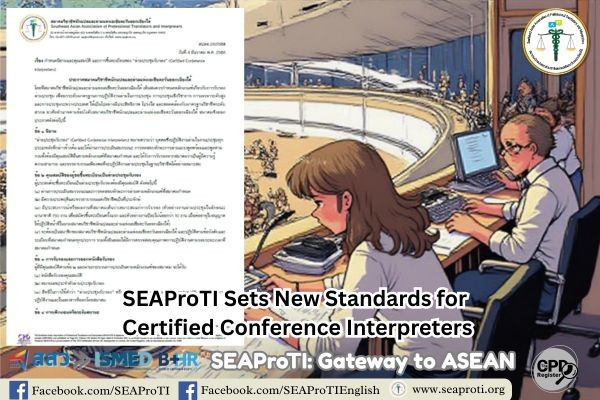
The Southeast Asian Association of Professional Translators and Interpreters (SEAProTI) has formally announced the qualifications and requirements for registration of Certified Translators, Translation Certification Providers, and Certified Interpreters in Sections 9 and 10 of the Royal Gazette, published by the Secretariat of the Cabinet, Office of the Prime Minister of Thailand, on 25 July 2024 (Vol. 141, Part 66 Ng, p. 100). Certified Translators, Translation Certification Providers, and Certified Interpreters
The Council of State has proposed the enactment of a Royal Decree, granting registered translators and recognized translation certifiers from professional associations or accredited language institutions the authority to provide legally valid translation certification (Letter to SEAProTI dated April 28, 2025)
SEAProTI is the first professional association in Thailand and Southeast Asia to implement a comprehensive certification system for translators, certifiers, and interpreters.
Head Office: Baan Ratchakru Building, No. 33, Room 402, Soi Phahonyothin 5, Phahonyothin Road, Phaya Thai District, Bangkok 10400, Thailand
Email: hello@seaproti.com | Tel.: (+66) 2-114-3128 (Office hours: Mon–Fri, 09:00–17:00)
เอกสารแปลในกระบวนการยื่นขอวีซ่า:
การวิเคราะห์เชิงกฎหมายว่าด้วยข้อมูลเท็จและเอกสารปลอมในมิติของการแปล
16 ธันวาคม 2568, กรุงเทพมหานคร – การยื่นขอวีซ่าเป็นกระบวนการทางกฎหมายและการปกครองที่อาศัยเอกสารเป็นหลักฐานสำคัญในการพิจารณาคุณสมบัติและความน่าเชื่อถือของผู้สมัคร หนึ่งในองค์ประกอบที่มักถูกมองข้ามคือ “เอกสารแปล” ซึ่งในทางปฏิบัติไม่ได้เป็นเพียงการถ่ายทอดภาษาจากต้นฉบับเท่านั้น แต่ยังทำหน้าที่เป็นพยานหลักฐานที่มีผลผูกพันทางกฎหมายโดยตรง บทความนี้มีวัตถุประสงค์เพื่อวิเคราะห์ว่าเอกสารแปลสามารถเข้าข่ายเป็น “ข้อมูลเท็จ” หรือ “เอกสารปลอม” ได้อย่างไร แม้ในกรณีที่ต้นฉบับเป็นเอกสารจริง โดยอาศัยกรอบแนวคิดด้านกฎหมายกงสุล กฎหมายการเข้าเมือง และจริยธรรมวิชาชีพนักแปล ผลการวิเคราะห์ชี้ให้เห็นว่า ความคลาดเคลื่อนทางการแปล การบิดเบือนสาระสำคัญ การรับรองโดยไม่มีอำนาจ และการใช้เอกสารแปลผิดวัตถุประสงค์ ล้วนสามารถก่อให้เกิดผลทางกฎหมายร้ายแรงต่อผู้ยื่นคำร้องได้ บทความนี้เสนอให้มีการยกระดับมาตรฐานการจัดทำเอกสารแปลในกระบวนการยื่นวีซ่าในฐานะ “หลักฐานทางกฎหมาย” ไม่ใช่เพียงงานด้านภาษา
คำสำคัญ: เอกสารแปล, ข้อมูลเท็จ, เอกสารปลอม, วีซ่า, การบิดเบือนข้อเท็จจริง, จริยธรรมการแปล
ในระบบการพิจารณาวีซ่าของรัฐสมัยใหม่ เอกสารประกอบคำร้องถือเป็นกลไกสำคัญในการประเมินตัวตน สถานะ และเจตนาของผู้สมัคร (Bhabha, 2014) เมื่อเอกสารต้นฉบับจัดทำขึ้นในภาษาที่ไม่ใช่ภาษาราชการของประเทศผู้รับคำร้อง เอกสารแปลจึงกลายเป็นเครื่องมือหลักในการถ่ายทอดข้อมูลให้เจ้าหน้าที่กงสุลใช้ประกอบการตัดสินใจ
อย่างไรก็ตาม ในทางปฏิบัติ เอกสารแปลมักถูกเข้าใจว่าเป็นเพียง “เอกสารทางเทคนิค” ที่ไม่มีสถานะทางกฎหมายเทียบเท่าต้นฉบับ ความเข้าใจดังกล่าวนำไปสู่ความเสี่ยงอย่างมีนัยสำคัญ เนื่องจากกฎหมายกงสุลและกฎหมายการเข้าเมืองของหลายประเทศถือว่า เอกสารทุกฉบับที่ยื่นประกอบคำร้อง ไม่ว่าต้นฉบับหรือฉบับแปล ล้วนอยู่ภายใต้ความรับผิดของผู้ยื่น (U.S. Department of State, 2023)
เอกสารแปลในฐานะพยานหลักฐานทางกฎหมาย
จากมุมมองทางกฎหมาย เอกสารแปลไม่ใช่เอกสารประกอบเชิงอธิบาย (ancillary document) หากแต่เป็นเอกสารที่ทำหน้าที่แทนต้นฉบับในกระบวนการพิจารณา (Garzone & Viezzi, 2019) เจ้าหน้าที่กงสุลส่วนใหญ่ไม่สามารถอ่านภาษาต้นทางได้ และจะพิจารณาข้อเท็จจริงทั้งหมดจากเอกสารแปลเป็นหลัก
ดังนั้น หากเอกสารแปลมีเนื้อหาที่คลาดเคลื่อนจากต้นฉบับ ความคลาดเคลื่อนดังกล่าวจะถูกตีความว่าเป็นข้อเท็จจริงที่ผู้สมัครนำเสนอด้วยตนเอง ไม่ว่าความผิดพลาดนั้นจะเกิดจากนักแปลหรือบุคคลที่สามก็ตาม
เอกสารแปลในฐานะ “ข้อมูลเท็จ” (False Information)
การแปลไม่ตรงต้นฉบับ
การเพิ่ม ตัด หรือเปลี่ยนสาระสำคัญของเอกสารต้นฉบับ เช่น การเปลี่ยนสถานะการจ้างงาน ระยะเวลา หรือลักษณะความสัมพันธ์ทางกฎหมาย อาจเข้าข่าย “การบิดเบือนข้อเท็จจริงสาระสำคัญ” (material misrepresentation) ซึ่งเป็นเหตุปฏิเสธวีซ่าในหลายประเทศ (Immigration and Nationality Act, §212(a)(5))
การใช้ถ้อยคำที่บิดเจตนาเชิงกฎหมาย
แม้คำแปลจะถูกต้องในเชิงภาษาศาสตร์ แต่หากเลือกใช้ถ้อยคำที่ทำให้สถานะทางกฎหมายของผู้สมัครเปลี่ยนไป เช่น การยกระดับบทบาททางธุรกิจหรือสถานะทางรายได้ ก็อาจถือเป็นการให้ข้อมูลเท็จโดยเจตนาแฝง (intended misrepresentation)
เอกสารแปลในฐานะ “เอกสารปลอม” (Fraudulent Document)
การจัดทำเอกสารแปลจากต้นฉบับที่ไม่มีอยู่จริง
หากเอกสารแปลถูกจัดทำขึ้นโดยไม่มีต้นฉบับทางกฎหมายรองรับ เอกสารแปลนั้นย่อมขาดฐานแห่งความจริง และอาจถือเป็นส่วนหนึ่งของการสร้างเอกสารปลอม ไม่ว่ารูปแบบภาษาจะถูกต้องเพียงใด
การรับรองการแปลโดยไม่มีอำนาจ
การใช้คำรับรอง เช่น “Certified True Translation” โดยบุคคลหรือหน่วยงานที่ไม่มีอำนาจตามกฎหมายหรือมาตรฐานวิชาชีพ อาจเข้าข่ายการแสดงตนเป็นผู้มีอำนาจโดยมิชอบ และส่งผลให้เอกสารแปลทั้งหมดขาดความน่าเชื่อถือในสายตากงสุล (Pym, 2014)
ความรับผิดของผู้ยื่นคำร้องและนักแปล
หลักการสากลของกฎหมายกงสุลระบุชัดว่า ผู้ยื่นคำร้องต้องรับผิดชอบต่อเอกสารทุกฉบับที่ยื่น ไม่ว่าจะเป็นเอกสารที่จัดทำด้วยตนเองหรือโดยบุคคลที่สาม (U.S. Department of State, 2023) ในขณะเดียวกัน นักแปลในฐานะผู้ประกอบวิชาชีพย่อมมีหน้าที่ทางจริยธรรมในการถ่ายทอดเนื้อหาอย่างถูกต้อง เที่ยงตรง และไม่บิดเบือน (Chesterman, 2016)
บทสรุปและข้อเสนอแนะ
บทความนี้ชี้ให้เห็นว่า เอกสารแปลในกระบวนการยื่นขอวีซ่าไม่ใช่เพียงงานด้านภาษา หากแต่เป็นองค์ประกอบของพยานหลักฐานทางกฎหมายที่มีผลโดยตรงต่อสิทธิและสถานะของผู้สมัคร เอกสารแปลสามารถเข้าข่ายเป็นข้อมูลเท็จหรือเอกสารปลอมได้ หากมีการบิดเบือนเนื้อหา รับรองโดยไม่มีอำนาจ หรือใช้ผิดวัตถุประสงค์
ผู้เขียนเสนอให้หน่วยงานที่เกี่ยวข้อง นักแปล และผู้ยื่นคำร้อง ตระหนักถึงสถานะทางกฎหมายของเอกสารแปล และพัฒนามาตรฐานการจัดทำเอกสารแปลเพื่อการยื่นวีซ่าให้สอดคล้องกับหลักความถูกต้อง ความโปร่งใส และความรับผิดชอบในระดับสากล
เอกสารอ้างอิง
- Bhabha, J. (2014). Child migration and human rights in a global age. Princeton University Press.
- Chesterman, A. (2016). Memes of translation: The spread of ideas in translation theory. John Benjamins Publishing.
- Garzone, G., & Viezzi, M. (2019). Legal translation and interpreting: Ethics, quality and accountability. Routledge.
- Immigration and Nationality Act, 8 U.S.C. § 1182(a).
- Pym, A. (2014). Exploring translation theories (2nd ed.). Routledge.
- U.S. Department of State. (2023). Foreign Affairs Manual (9 FAM 302.9 – Ineligibilities).
เกี่ยวกับนักแปลรับรอง ผู้รับรองการแปล และล่ามรับรองของสมาคมวิชาชีพนักแปลและล่ามแห่งเอเชียตะวันออกเฉียงใต้
สมาคมวิชาชีพนักแปลและล่ามแห่งเอเชียตะวันออกเฉียงใต้ (SEAProTI) ได้ประกาศหลักเกณฑ์และคุณสมบัติผู้ที่ขึ้นทะเบียนเป็น “นักแปลรับรอง (Certified Translators) และผู้รับรองการแปล (Translation Certification Providers) และล่ามรับรอง (Certified Interpreters)” ของสมาคม หมวดที่ 9 และหมวดที่ 10 ในราชกิจจานุเบกษา ของสำนักเลขาธิการคณะรัฐมนตรี ในสำนักนายกรัฐมนตรี แห่งราชอาณาจักรไทย ลงวันที่ 25 ก.ค. 2567 เล่มที่ 141 ตอนที่ 66 ง หน้า 100 อ่านฉบับเต็มได้ที่: นักแปลรับรอง ผู้รับรองการแปล และล่ามรับรอง
สำนักคณะกรรมการกฤษฎีกา เสนอให้ตราเป็นพระราชกฤษฎีกา โดยกำหนดให้นักแปลที่ขึ้นทะเบียน รวมถึงผู้รับรองการแปลจากสมาคมวิชาชีพหรือสถาบันสอนภาษาที่มีการอบรมและขึ้นทะเบียน สามารถรับรองคำแปลได้ (จดหมายถึงสมาคม SEAProTI ลงวันที่ 28 เม.ย. 2568)
สมาคมวิชาชีพนักแปลและล่ามแห่งเอเชียตะวันออกเฉียงใต้ เป็นสมาคมวิชาชีพแห่งแรกในประเทศไทยและภูมิภาคเอเชียตะวันออกเฉียงใต้ที่มีระบบรับรองนักแปลรับรอง ผู้รับรองการแปล และล่ามรับรอง
สำนักงานใหญ่: อาคารบ้านราชครู เลขที่ 33 ห้อง 402 ซอยพหลโยธิน 5 ถนนพหลโยธิน แขวงพญาไท เขตพญาไท กรุงเทพมหานคร 10400 ประเทศไทย
อีเมล: hello@seaproti.com โทรศัพท์: (+66) 2-114-3128 (เวลาทำการ: วันจันทร์–วันศุกร์ เวลา 09.00–17.00 น.