


“Standard Translation” in the Thai Bureaucratic System: Conceptual Problems, Practical Impacts, and Divergence from International Standards
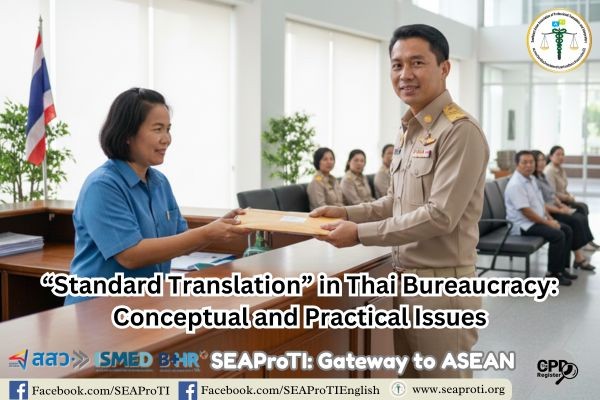
27 December 2025, Bangkok — Many Thai government agencies claim to rely on “standard translations” as a criterion for reviewing and certifying translated documents from foreign languages. In practice, however, repeated revisions of terminology without clear principles are frequently observed, creating significant burdens for both the public and professional translators. This article aims to analyze the conceptual problems surrounding the notion of “standard translation” within the Thai bureaucratic system, examine its real-world practical impacts, and compare these practices with principles of legal translation and international standards. It argues that the core problem does not lie in the existence of standards themselves but in the invocation of “standards” without clear definitions or verifiable frameworks of reference.
Keywords: standard translation, official document translation, legal translation, documentary review authority, translation standards
In the process of submitting foreign documents to Thai government agencies particularly documents relating to personal status, legal matters, or administrative structures the term “standard translation” is often cited as justification for requiring revisions to translated texts. What repeatedly occurs, however, is the inconsistent back-and-forth alteration of terminology without coherence, such as alternating between “American citizen” and “American national” or revising “sub-district” to “sub-area” and later reverting to the original term.
Such situations reflect structural problems within the document review system rather than deficiencies in translation quality per se. This article therefore raises an academic question: does “standard translation” in the context of Thai government agencies genuinely function as a linguistic standard, or is it merely an authority-based justification for controlling the certification process?
The Concept of “Standards” in Translation
From a theoretical perspective, translation standards should possess at least three essential characteristics: clear definition, verifiable references, and consistent application. Scholars of legal translation emphasize that terminological choices must be grounded in the legal meanings of both the source and target legal systems, rather than in the familiarity or personal intuition of document reviewers (Šarčević, 1997). Consequently, standards cannot arise from individual discretion but must rely on shared reference frameworks, such as officially established glossaries or style guides.
Practical Problems in the Thai Bureaucratic Context
In the Thai context, most government agencies do not publish official lists of standard translations, do not specify legal or linguistic reference sources, and lack clear criteria for determining when one term should be preferred over another. As a result, the same translation may be accepted or rejected depending on the individual official reviewing the document.
This practice does not enhance legal accuracy; instead, it generates delays and increases hidden costs for both citizens and professional translators, without delivering corresponding improvements in documentary quality.
Divergence from International Standards
In many cases, terms claimed to be “standard translations” by Thai authorities do not align with usage in the legal systems of the source countries, nor with terminology used in international instruments such as treaties or official state documents. From the perspective of legal translation theory, altering terminology without regard to its legal implications may lead to distortions of personal status or legal rights (Cao, 2007).
Invoking “Standards” as a Mechanism of Authority
From a forensic linguistics perspective, invoking “standard translation” without clear definition may be understood as an exercise of institutional power aimed at maintaining procedural control rather than safeguarding linguistic or legal accuracy (Gibbons, 2003). The burden of repeated revisions is thus shifted onto translators and citizens, even though the root cause lies in the absence of a coherent standardization system within the institutions themselves.
Policy and Professional Recommendations
This article argues that if Thai government agencies genuinely intend to apply “standard translations,” they should undertake at least three concrete measures:
(1) establish and publish an official centralized glossary;
(2) clearly specify legal and linguistic reference sources; and
(3) incorporate participation from professional translators and academic experts.
Standards themselves are not the problem. The systemic problem lies in invoking standards without transparency, accountability, or verifiability—an issue that demands urgent institutional reform.
- Cao, D. (2007). Translating law. Multilingual Matters.
- Gibbons, J. (2003). Forensic linguistics: An introduction to language in the justice system. Blackwell Publishing.
- Šarčević, S. (1997). New approach to legal translation. Kluwer Law International.
The Southeast Asian Association of Professional Translators and Interpreters (SEAProTI) has formally announced the qualifications and requirements for registration of Certified Translators, Translation Certification Providers, and Certified Interpreters in Sections 9 and 10 of the Royal Gazette, published by the Secretariat of the Cabinet, Office of the Prime Minister of Thailand, on 25 July 2024 (Vol. 141, Part 66 Ng, p. 100). Certified Translators, Translation Certification Providers, and Certified Interpreters
The Council of State has proposed the enactment of a Royal Decree, granting registered translators and recognised translation certifiers from professional associations or accredited language institutions the authority to provide legally valid translation certification (Letter to SEAProTI dated April 28, 2025)
SEAProTI is the first professional association in Thailand and Southeast Asia to implement a comprehensive certification system for translators, certifiers, and interpreters.
Head Office: Baan Ratchakru Building, No. 33, Room 402, Soi Phahonyothin 5, Phahonyothin Road, Phaya Thai District, Bangkok 10400, Thailand
Email: hello@seaproti.com | Tel.: (+66) 2-114-3128 (Office hours: Mon–Fri, 09:00–17:00)
“คำแปลมาตรฐาน” ในระบบราชการไทย: ปัญหาเชิงแนวคิด ผลกระทบเชิงปฏิบัติ และความคลาดเคลื่อนจากมาตรฐานสากล
27 ธันวาคม 2568, กรุงเทพมหานคร – หน่วยงานราชการไทยจำนวนมากอ้างการใช้ “คำแปลมาตรฐาน” เป็นเกณฑ์ในการตรวจรับรองเอกสารแปลจากภาษาต่างประเทศ อย่างไรก็ตาม ในทางปฏิบัติกลับพบการแก้ไขคำศัพท์ไปมาโดยไม่มีหลักเกณฑ์ที่ชัดเจน สร้างภาระต่อประชาชนและผู้ประกอบวิชาชีพการแปล บทความนี้มีวัตถุประสงค์เพื่อวิเคราะห์ปัญหาเชิงแนวคิดของคำว่า “คำแปลมาตรฐาน” ในระบบราชการไทย สำรวจผลกระทบเชิงปฏิบัติที่เกิดขึ้นจริง และเปรียบเทียบแนวปฏิบัติดังกล่าวกับหลักการด้านการแปลเชิงกฎหมายและมาตรฐานสากล โดยเสนอว่าปัญหาหลักมิได้อยู่ที่การมีมาตรฐาน หากแต่อยู่ที่การอ้างมาตรฐานโดยปราศจากการนิยามและกรอบอ้างอิงที่ตรวจสอบได้
คำสำคัญ: คำแปลมาตรฐาน, การแปลเอกสารราชการ, การแปลเชิงกฎหมาย, อำนาจการตรวจเอกสาร, มาตรฐานการแปล
ในกระบวนการยื่นเอกสารจากต่างประเทศต่อหน่วยงานราชการไทย โดยเฉพาะเอกสารที่เกี่ยวข้องกับสถานะบุคคล กฎหมาย หรือโครงสร้างการปกครอง คำว่า “คำแปลมาตรฐาน” มักถูกใช้เป็นเหตุผลในการให้แก้ไขเอกสารแปล อย่างไรก็ตาม ปรากฏการณ์ที่เกิดขึ้นซ้ำแล้วซ้ำเล่าคือ การแก้ไขคำศัพท์กลับไปกลับมาโดยไม่มีความสม่ำเสมอ เช่น การสลับใช้คำ American citizen และ American national หรือการแก้ Sub-district เป็น Sub-area และกลับไปใช้คำเดิมในภายหลัง
สถานการณ์ดังกล่าวสะท้อนปัญหาเชิงโครงสร้างของระบบการตรวจเอกสาร มากกว่าจะเป็นปัญหาคุณภาพของงานแปลเพียงอย่างเดียว บทความนี้ตั้งคำถามเชิงวิชาการว่า “คำแปลมาตรฐาน” ในบริบทของหน่วยงานรัฐไทยมีสถานะเป็นมาตรฐานทางภาษาจริง หรือเป็นเพียงข้ออ้างเชิงอำนาจในการควบคุมกระบวนการรับรองเอกสาร
แนวคิดเรื่อง “มาตรฐาน” ในงานแปล
ในทางทฤษฎี มาตรฐานทางการแปลควรมีลักษณะสำคัญสามประการ ได้แก่ มีการนิยามอย่างชัดเจน มีเอกสารอ้างอิงที่ตรวจสอบได้ และมีความสม่ำเสมอในการบังคับใช้
นักวิชาการด้านการแปลเชิงกฎหมายชี้ว่า การเลือกคำศัพท์ต้องตั้งอยู่บนความหมายทางกฎหมายของประเทศต้นทางและปลายทาง มิใช่ความคุ้นชินหรือความรู้สึกของผู้ตรวจเอกสาร (Šarčević, 1997) มาตรฐานจึงไม่อาจเกิดจากดุลพินิจรายบุคคล แต่ต้องอาศัยกรอบอ้างอิงร่วม เช่น glossary กลาง หรือ style guide อย่างเป็นทางการ
ปัญหาเชิงปฏิบัติในระบบราชการไทย
ในบริบทของประเทศไทย พบว่าหน่วยงานรัฐส่วนใหญ่ ไม่ได้เผยแพร่บัญชีคำแปลมาตรฐานอย่างเป็นทางการ ไม่ระบุแหล่งอ้างอิงทางกฎหมายหรือภาษาศาสตร์ และไม่มีหลักเกณฑ์ที่แน่นอนในการตัดสินว่าเมื่อใดควรใช้คำหนึ่งแทนอีกคำหนึ่ง
ผลที่เกิดขึ้นคือ คำแปลเดียวกันอาจถูกปฏิเสธหรือยอมรับแตกต่างกันไปตามเจ้าหน้าที่ผู้ตรวจ ส่งผลให้การแก้ไขเอกสารไม่ได้เพิ่มความถูกต้องทางกฎหมาย หากแต่เพิ่มความล่าช้าและต้นทุนให้แก่ประชาชนและนักแปลมืออาชีพ
ความคลาดเคลื่อนจากมาตรฐานสากล
ในหลายกรณี คำที่ถูกอ้างว่าเป็น “คำแปลมาตรฐานของราชการไทย” กลับไม่สอดคล้องกับการใช้ในกฎหมายของประเทศต้นทาง หรือไม่ตรงกับการใช้ในเอกสารระหว่างประเทศ เช่น สนธิสัญญา หรือเอกสารทางการของรัฐอื่น ๆ ตามหลักการแปลเชิงกฎหมาย การเปลี่ยนคำโดยไม่คำนึงถึงนัยทางกฎหมายอาจนำไปสู่ความคลาดเคลื่อนของสถานะบุคคลหรือสิทธิทางกฎหมาย (Cao, 2007)
การอ้าง “มาตรฐาน” ในฐานะกลไกอำนาจ
จากมุมมองเชิงนิติภาษาศาสตร์ การอ้าง “คำแปลมาตรฐาน” โดยไม่มีการนิยามที่ชัดเจน อาจถูกมองว่าเป็นการใช้อำนาจเชิงสถาบันเพื่อรักษาการควบคุมกระบวนการ มากกว่าการคุ้มครองความถูกต้องทางภาษาและกฎหมาย (Gibbons, 2003) ภาระในการแก้ไขจึงถูกผลักไปยังนักแปลและประชาชน ทั้งที่ต้นเหตุของปัญหาอยู่ที่การขาดระบบมาตรฐานของหน่วยงานเอง
ข้อเสนอเชิงนโยบายและวิชาชีพ
บทความนี้เสนอว่า หากหน่วยงานราชการไทยประสงค์จะใช้ “คำแปลมาตรฐาน” อย่างแท้จริง ควรดำเนินการอย่างน้อยสามประการ ได้แก่ จัดทำและเผยแพร่ glossary กลางอย่างเป็นทางการ ระบุแหล่งอ้างอิงทางกฎหมายและภาษาศาสตร์อย่างชัดเจน และเปิดรับการมีส่วนร่วมจากผู้ประกอบวิชาชีพการแปลและนักวิชาการ การมีมาตรฐานไม่ใช่ปัญหา แต่การอ้างมาตรฐานโดยปราศจากความโปร่งใสและตรวจสอบไม่ได้ คือปัญหาเชิงระบบที่ควรได้รับการแก้ไขอย่างเร่งด่วน
- Cao, D. (2007). Translating law. Multilingual Matters.
- Gibbons, J. (2003). Forensic linguistics: An introduction to language in the justice system. Blackwell Publishing.
- Šarčević, S. (1997). New approach to legal translation. Kluwer Law International.
สมาคมวิชาชีพนักแปลและล่ามแห่งเอเชียตะวันออกเฉียงใต้ (SEAProTI) ได้ประกาศหลักเกณฑ์และคุณสมบัติผู้ที่ขึ้นทะเบียนเป็น “นักแปลรับรอง (Certified Translators) และผู้รับรองการแปล (Translation Certification Providers) และล่ามรับรอง (Certified Interpreters)” ของสมาคม หมวดที่ 9 และหมวดที่ 10 ในราชกิจจานุเบกษา ของสำนักเลขาธิการคณะรัฐมนตรี ในสำนักนายกรัฐมนตรี แห่งราชอาณาจักรไทย ลงวันที่ 25 ก.ค. 2567 เล่มที่ 141 ตอนที่ 66 ง หน้า 100 อ่านฉบับเต็มได้ที่: นักแปลรับรอง ผู้รับรองการแปล และล่ามรับรอง
สำนักคณะกรรมการกฤษฎีกา เสนอให้ตราเป็นพระราชกฤษฎีกา โดยกำหนดให้นักแปลที่ขึ้นทะเบียน รวมถึงผู้รับรองการแปลจากสมาคมวิชาชีพหรือสถาบันสอนภาษาที่มีการอบรมและขึ้นทะเบียน สามารถรับรองคำแปหฟลได้ (จดหมายถึงสมาคม SEAProTI ลงวันที่ 28 เม.ย. 2568)
สมาคมวิชาชีพนักแปลและล่ามแห่งเอเชียตะวันออกเฉียงใต้ เป็นสมาคมวิชาชีพแห่งแรกและแห่งเดียวในประเทศไทยและภูมิภาคเอเชียตะวันออกเฉียงใต้ที่มีระบบรับรองนักแปลรับรอง ผู้รับรองการแปล และล่ามรับรอง
สำนักงานใหญ่: อาคารบ้านราชครู เลขที่ 33 ห้อง 402 ซอยพหลโยธิน 5 ถนนพหลโยธิน แขวงพญาไท เขตพญาไท กรุงเทพมหานคร 10400 ประเทศไทย
อีเมล: hello@seaproti.com โทรศัพท์: (+66) 2-114-3128 (เวลาทำการ: วันจันทร์–วันศุกร์ เวลา 09.00–17.00 น.