




Why Some Thais Resist the CEFR Framework:
An Academic Analysis of the “Rejection of Standards” and Its Impact on Translation and Interpreting Quality
3 January 2026, Bangkok—The phenomenon of some Thais expressing resistance toward learning and sitting for language proficiency assessments under the CEFR framework is far from accidental. Rather, it reflects a structural condition rooted in deeper issues within educational culture, professional attitudes, and a fundamental misunderstanding of “language” as a social responsibility rather than merely a personal tool for earning a living.
At a superficial level, opposition to CEFR is often justified by claims that the framework is “unsuitable for the Thai context,” “a Western construct,” or “irrelevant to real-world practice.” However, when examined systematically, such claims tend to function more as self-protective narratives than as academically grounded critiques. In reality, CEFR does not prescribe cultural content, impose teaching methodologies, or monopolize learning pathways. It serves merely as a neutral reference framework that describes what language users at a given level are actually able to do.
The core issue, therefore, lies not in CEFR itself but in the gap between actual language competence and the professional identity individuals wish to claim. Many aspire to work in language-intensive roles such as translators, interpreters, international communicators, or cross-cultural specialists without being willing to invest in the systematic development such roles require. CEFR examinations thus become a threat to identity, as they render previously ambiguous competence visible, measurable, and verifiable.
Within this context, resistance to standards functions as a psychological mechanism for avoiding confrontation with reality. By rejecting the framework outright, individuals avoid facing results that may expose their limitations. Consequently, assertions that CEFR is unnecessary or disconnected from real work are often accompanied by claims that “experience matters more.” From an academic standpoint, however, experience without reflection, feedback, and structured skill development cannot substitute for genuine language competence.
The consequences of such attitudes are most evident in practice, particularly in translation and interpreting. When individuals who disregard proficiency levels, have never undergone systematic assessment, and lack awareness of their own limitations undertake high-stakes language work, the outcome is not merely “low-quality output.” It is distorted communication that generates misunderstanding and, in many cases, causes tangible harm in legal, medical, or human rights contexts. Mistranslation and inaccurate interpreting are therefore not minor errors but symptoms of a system that refuses to accept accountability through standards.
Analytically, CEFR does not exist to exclude individuals from professions. Its function is to protect the public by establishing minimum thresholds of competence for work that directly affects others. Resistance to CEFR thus reveals a confusion between individual freedom and professional responsibility. The desire to perform language-dependent work without regard for proficiency levels reflects a view of language as a private resource rather than a public infrastructure that must be reliable.
Moreover, Thailand’s educational culture, which prioritizes passing over genuine competence, has further reinforced resistance to standardized assessment. Formal language education often rewards memorization rather than authentic language use in real contexts. Upon entering the labor market, many therefore believe they are “functional” users without ever being challenged by independent, internationally benchmarked evaluation. CEFR, as an external reference, disrupts this structural comfort and is consequently perceived as intrusive.
In conclusion, resistance to CEFR among certain groups in Thailand does not stem from inherent flaws in the framework itself but from an unwillingness to confront the reality of one’s own competence and a reluctance to elevate professional practice in line with its social responsibilities. As long as society continues to permit individuals to undertake language-dependent work without demonstrable proficiency, problems of mistranslation, misinterpretation, and communicative failure will persist as structural issues.
The central question, therefore, is not whether CEFR is necessary, but whether we accept that work affecting others must be subject to verifiable standards. If the answer is yes, then learning, assessment, and recognition of language proficiency are not burdens but fundamental responsibilities of language professionals.
About Certified Translators, Translation Certifiers, and Certified Interpreters of SEAProTI
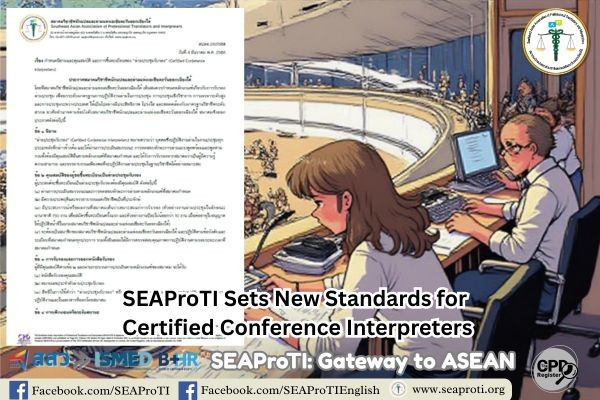
The Southeast Asian Association of Professional Translators and Interpreters (SEAProTI) has formally announced the qualifications and requirements for registration of Certified Translators, Translation Certification Providers, and Certified Interpreters in Sections 9 and 10 of the Royal Gazette, published by the Secretariat of the Cabinet, Office of the Prime Minister of Thailand, on 25 July 2024 (Vol. 141, Part 66 Ng, p. 100). Certified Translators, Translation Certification Providers, and Certified Interpreters
The Council of State has proposed the enactment of a Royal Decree, granting registered translators and recognised translation certifiers from professional associations or accredited language institutions the authority to provide legally valid translation certification (Letter to SEAProTI dated April 28, 2025)
SEAProTI is the first professional association in Thailand and Southeast Asia to implement a comprehensive certification system for translators, certifiers, and interpreters.
Head Office: Baan Ratchakru Building, No. 33, Room 402, Soi Phahonyothin 5, Phahonyothin Road, Phaya Thai District, Bangkok 10400, Thailand
Email: hello@seaproti.com | Tel.: (+66) 2-114-3128 (Office hours: Mon–Fri, 09:00–17:00)
เหตุใดคนไทยบางส่วนจึงต่อต้านกรอบ CEFR: บทวิเคราะห์เชิงวิชาการว่าด้วย “การปฏิเสธมาตรฐาน” กับปัญหาคุณภาพการแปลและการล่าม
3 มกราคม 2569, กรุงเทพมหานคร – ปรากฏการณ์ที่คนไทยบางส่วนแสดงท่าทีต่อต้านการเรียนรู้และการสอบวัดระดับภาษาตามกรอบ CEFR มิใช่เรื่องบังเอิญ หากแต่เป็นอาการเชิงโครงสร้างที่สะท้อนปัญหาลึกซึ้งในวัฒนธรรมการศึกษา ทัศนคติทางวิชาชีพ และความเข้าใจผิดเกี่ยวกับ “ภาษา” ในฐานะทักษะที่ต้องรับผิดชอบต่อสังคม ไม่ใช่เพียงเครื่องมือส่วนบุคคลเพื่อการทำมาหากิน
ในเชิงผิวเผิน การต่อต้าน CEFR มักถูกอธิบายว่าเป็นเพราะกรอบดังกล่าว “ไม่เหมาะกับบริบทไทย” “เป็นของฝรั่ง” หรือ “วัดไม่ตรงกับการทำงานจริง” แต่เมื่อพิจารณาอย่างเป็นระบบ จะพบว่าเหตุผลเหล่านี้มักเป็นเพียงวาทกรรมปกป้องตนเอง มากกว่าจะเป็นข้อโต้แย้งทางวิชาการที่มีน้ำหนัก เพราะในความเป็นจริง CEFR มิได้กำหนดเนื้อหาทางวัฒนธรรม มิได้บังคับวิธีการสอน และมิได้ผูกขาดรูปแบบการเรียนรู้ หากเป็นเพียงกรอบอ้างอิงกลางสำหรับอธิบายว่า “ผู้ใช้ภาษาในระดับหนึ่งสามารถทำอะไรได้จริง”
ปัญหาที่แท้จริงจึงไม่ได้อยู่ที่ CEFR แต่อยู่ที่ “ช่องว่างระหว่างความสามารถที่แท้จริงกับภาพลักษณ์ทางวิชาชีพที่อยากเป็น” คนจำนวนไม่น้อยต้องการทำงานที่ต้องใช้ภาษาในระดับสูง เช่น นักแปล ล่าม ผู้สื่อสารระหว่างประเทศ หรือผู้เชี่ยวชาญในเวทีข้ามวัฒนธรรม แต่กลับไม่ต้องการยอมรับต้นทุนของการพัฒนาความสามารถอย่างเป็นระบบ การสอบ CEFR จึงกลายเป็นสิ่งคุกคามอัตลักษณ์ เพราะมันทำให้ความสามารถที่เคยคลุมเครือ ถูกทำให้ “มองเห็น วัดได้ และตรวจสอบได้”
ในบริบทเช่นนี้ การต่อต้านมาตรฐานจึงทำหน้าที่เป็นกลไกทางจิตวิทยาเพื่อหลีกเลี่ยงความจริง กล่าวคือ หากปฏิเสธกรอบการวัดเสียตั้งแต่ต้น ก็ไม่จำเป็นต้องเผชิญกับผลลัพธ์ที่อาจสะท้อนข้อจำกัดของตนเอง การกล่าวหาว่า CEFR ไม่จำเป็น หรือไม่เกี่ยวข้องกับงานจริง จึงมักมาพร้อมกับการยืนยันว่า “ประสบการณ์ทำงานสำคัญกว่า” ทั้งที่ในทางวิชาการ ประสบการณ์ที่ขาดการสะท้อนตนเองและการพัฒนาทักษะอย่างมีทิศทาง ย่อมไม่อาจทดแทนความสามารถทางภาษาได้
ผลกระทบของทัศนคติเช่นนี้ปรากฏชัดในภาคปฏิบัติ โดยเฉพาะในงานแปลและการล่าม เมื่อบุคคลที่ไม่สนใจระดับภาษา ไม่เคยผ่านการประเมินที่เป็นระบบ และไม่เข้าใจขอบเขตความสามารถของตนเอง เข้าไปทำงานที่มีความเสี่ยงสูง ผลลัพธ์ที่เกิดขึ้นจึงไม่ใช่เพียง “งานคุณภาพต่ำ” แต่เป็นการสื่อสารที่บิดเบือน สร้างความเข้าใจผิด และในหลายกรณี นำไปสู่ความเสียหายทางกฎหมาย การแพทย์ หรือสิทธิมนุษยชน การแปลมั่วและล่ามมั่วจึงไม่ใช่ความผิดพลาดเล็กน้อย แต่เป็นอาการของระบบที่ไม่ยอมรับความรับผิดชอบเชิงมาตรฐาน
ในเชิงวิเคราะห์ CEFR มิได้มีหน้าที่คัดคนออกจากอาชีพ หากแต่มีหน้าที่ “ปกป้องสาธารณะ” โดยการกำหนดเส้นขั้นต่ำของความสามารถสำหรับงานที่เกี่ยวข้องกับผู้อื่น การต่อต้าน CEFR จึงสะท้อนความสับสนระหว่างเสรีภาพส่วนบุคคลกับความรับผิดชอบทางวิชาชีพ การอยากทำงานโดยไม่สนใจระดับภาษา คือการมองภาษาเป็นทรัพยากรส่วนตัว ไม่ใช่โครงสร้างสาธารณะที่ต้องเชื่อถือได้
นอกจากนี้ วัฒนธรรมการศึกษาของไทยที่เน้นการผ่าน มากกว่าการวัดความสามารถจริง ก็มีส่วนหล่อเลี้ยงทัศนคติต่อต้านการประเมินมาตรฐาน การเรียนภาษาในระบบมักให้รางวัลกับการจำ มากกว่าการใช้ภาษาในสถานการณ์จริง เมื่อเข้าสู่ตลาดแรงงาน ผู้เรียนจำนวนหนึ่งจึงเชื่อว่าตนเอง “ใช้ได้” โดยไม่เคยถูกท้าทายด้วยการประเมินที่เป็นอิสระและเป็นสากล CEFR ในฐานะกรอบภายนอก จึงกลายเป็นสิ่งแปลกปลอมที่รบกวนความสบายเชิงโครงสร้างนี้
กล่าวโดยสรุป การต่อต้าน CEFR ของคนไทยบางกลุ่มมิได้เกิดจากข้อบกพร่องของกรอบมาตรฐาน หากเกิดจากการไม่ต้องการเผชิญกับข้อเท็จจริงของความสามารถตนเอง และความไม่พร้อมที่จะยกระดับวิชาชีพให้สอดคล้องกับความรับผิดชอบที่งานนั้นพึงมี ตราบใดที่สังคมยังยอมรับให้ใครก็ตามทำงานที่ต้องใช้ภาษาได้โดยไม่ต้องพิสูจน์ความสามารถ ตราบนั้นปัญหาการแปลมั่ว ล่ามมั่ว และการสื่อสารผิดพลาดก็จะยังคงเป็นปัญหาเชิงโครงสร้างที่ไม่อาจแก้ได้
คำถามสำคัญจึงไม่ใช่ว่า “CEFR จำเป็นหรือไม่” แต่คือ “เรายอมรับหรือไม่ว่า งานที่กระทบผู้อื่น ต้องมีมาตรฐานที่ตรวจสอบได้” และหากคำตอบคือใช่ การเรียนรู้ การสอบ และการยอมรับระดับภาษา ก็ไม่ใช่ภาระ หากแต่เป็นความรับผิดชอบพื้นฐานของผู้ประกอบวิชาชีพทางภาษาอย่างแท้จริง
เกี่ยวกับนักแปลรับรอง ผู้รับรองการแปล และล่ามรับรองของสมาคมวิชาชีพนักแปลและล่ามแห่งเอเชียตะวันออกเฉียงใต้
สมาคมวิชาชีพนักแปลและล่ามแห่งเอเชียตะวันออกเฉียงใต้ (SEAProTI) ได้ประกาศหลักเกณฑ์และคุณสมบัติผู้ที่ขึ้นทะเบียนเป็น “นักแปลรับรอง (Certified Translators) และผู้รับรองการแปล (Translation Certification Providers) และล่ามรับรอง (Certified Interpreters)” ของสมาคม หมวดที่ 9 และหมวดที่ 10 ในราชกิจจานุเบกษา ของสำนักเลขาธิการคณะรัฐมนตรี ในสำนักนายกรัฐมนตรี แห่งราชอาณาจักรไทย ลงวันที่ 25 ก.ค. 2567 เล่มที่ 141 ตอนที่ 66 ง หน้า 100 อ่านฉบับเต็มได้ที่: นักแปลรับรอง ผู้รับรองการแปล และล่ามรับรอง
สำนักคณะกรรมการกฤษฎีกา เสนอให้ตราเป็นพระราชกฤษฎีกา โดยกำหนดให้นักแปลที่ขึ้นทะเบียน รวมถึงผู้รับรองการแปลจากสมาคมวิชาชีพหรือสถาบันสอนภาษาที่มีการอบรมและขึ้นทะเบียน สามารถรับรองคำแปลได้ (จดหมายถึงสมาคม SEAProTI ลงวันที่ 28 เม.ย. 2568)
สมาคมวิชาชีพนักแปลและล่ามแห่งเอเชียตะวันออกเฉียงใต้ เป็นสมาคมวิชาชีพแห่งแรกและแห่งเดียวในประเทศไทยและภูมิภาคเอเชียตะวันออกเฉียงใต้ที่มีระบบรับรองนักแปลรับรอง ผู้รับรองการแปล และล่ามรับรอง
สำนักงานใหญ่: อาคารบ้านราชครู เลขที่ 33 ห้อง 402 ซอยพหลโยธิน 5 ถนนพหลโยธิน แขวงพญาไท เขตพญาไท กรุงเทพมหานคร 10400 ประเทศไทย
อีเมล: hello@seaproti.com โทรศัพท์: (+66) 2-114-3128 (เวลาทำการ: วันจันทร์–วันศุกร์ เวลา 09.00–17.00 น.