



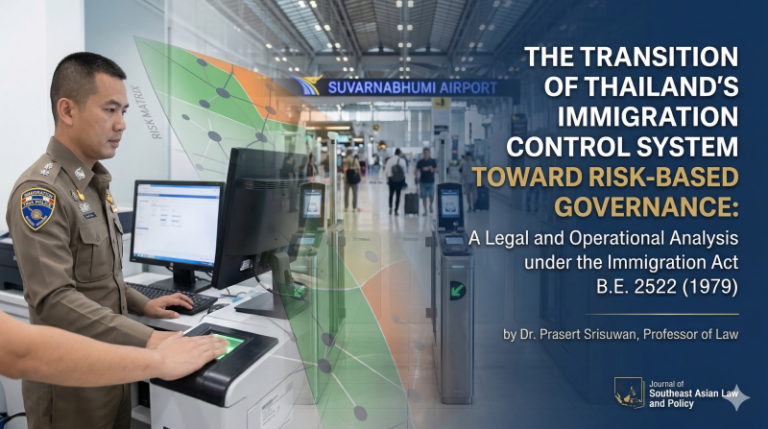
The Transition of Thailand’s Immigration Control System Toward Risk-Based Governance:
A Legal and Operational Analysis under the Immigration Act B.E. 2522 (1979)
March 20, 2026, Bangkok — This article aims to analyze the transformation of Thailand’s immigration control system during the period 2024–2026, reflecting a shift from a facilitative border regime toward a more stringent risk-based border control framework. The analysis is grounded in the legal provisions of the Immigration Act B.E. 2522 (1979), particularly Section 12, which grants broad discretionary powers to immigration officers to deny entry. This study examines the issue from legal, policy, and operational perspectives, while also discussing its implications for international travelers. It argues that the burden of proving the legitimacy of travel has been significantly shifted onto the traveler.
Introduction
In the context of globalization, cross-border mobility has become a central mechanism of international economic and social interaction. Thailand, as a major hub for tourism and investment in Southeast Asia, has traditionally maintained an immigration system characterized by flexibility and facilitation for foreign nationals. However, in recent years, enforcement practices have undergone a notable transformation. This shift has been driven by increasing concerns over illegal labor, transnational crime, and the rise of remote work conducted under tourist visa conditions. This article, therefore, seeks to examine how such changes have emerged and how they have reconfigured the structure of authority in border governance.
Legal Framework: Discretionary Power under Section 12
The Immigration Act B.E. 2522 (1979) serves as the primary legal framework governing entry into and exit from Thailand. Section 12 outlines prohibited characteristics of persons who may be denied entry, including individuals lacking sufficient means of subsistence or those reasonably suspected of engaging in unauthorized employment (Office of the Council of State, 1979). A defining feature of this provision is its reliance on administrative discretion, allowing immigration officers to assess risk on a case-by-case basis. This aligns with modern border control paradigms, which extend beyond formal documentation to include behavioral and contextual evaluation of travelers (Guild & Bigo, 2010).
The Shift Toward Risk-Based Border Control
Empirical observations from 2024 to 2026 indicate that Thailand has increasingly adopted risk-based screening mechanisms. This approach is reflected in stricter enforcement practices, including requirements for travelers to carry a minimum amount of physical cash, demonstrate consistency in travel itineraries, comply with limits on land border entries, and maintain a verifiable travel history. Furthermore, there are indications that immigration authorities have begun integrating digital technologies to analyze behavioral patterns of travelers, consistent with the concept of “smart borders,” which utilize data-driven systems for risk assessment (Dijstelbloem & Meijer, 2011).
From a theoretical perspective, this transition can be understood through the framework of the securitization of migration, wherein human mobility is increasingly framed as a matter of national security. This framing legitimizes the expansion of state control and stricter enforcement practices (Buzan, Wæver, & de Wilde, 1998). In the Thai context, key drivers include the suppression of illegal labor, the control of transnational criminal networks, and the regulation of emerging work patterns such as digital nomadism, exploiting tourist visa loopholes.
Impacts on Travelers and Related Stakeholders
The tightening of immigration enforcement has had direct consequences for travelers, particularly tourists and independent professionals who may lack awareness of practical entry requirements. These include the necessity of carrying physical cash and possessing confirmed outbound travel arrangements. Failure to meet such requirements may result in denial of entry and detention at an Immigration Detention Center (IDC) until repatriation arrangements are made.
From an international law perspective, the broad discretionary power exercised by immigration authorities raises concerns regarding transparency and consistency in enforcement. Nevertheless, the principle of state sovereignty affirms the right of states to regulate the entry of foreign nationals within their territory (Hollifield, Martin, & Orrenius, 2014). As such, denial of entry remains legally justified when conducted in accordance with domestic law.
Discussion and Recommendations
The findings suggest that Thailand’s evolving immigration regime represents not merely an increase in enforcement intensity but a structural shift toward risk-based governance aligned with global trends. However, the extensive use of discretion may create uncertainty for travelers and potentially affect the country’s international image.
It is therefore recommended that relevant authorities enhance transparency by providing clearer and more systematic guidance on entry requirements and decision-making criteria. At the same time, travelers must recognize that entry into a sovereign state constitutes a conditional privilege and should prepare all necessary documentation and supporting evidence accordingly.
Conclusion
The transformation of Thailand’s immigration control system during 2024–2026 reflects a broader structural shift from a facilitative model to a risk-based regulatory framework. Section 12 of the Immigration Act B.E. 2522 (1979) serves as the central legal foundation for this transition, reinforcing the discretionary authority of immigration officers. This evolution has significantly shifted the burden of proof onto travelers and aligns with global trends in border governance.
References
- Buzan, B., Wæver, O., & de Wilde, J. (1998). Security: A new framework for analysis. Lynne Rienner Publishers.
- Dijstelbloem, H., & Meijer, A. (2011). Migration and the new technological borders of Europe. Palgrave Macmillan.
- Guild, E., & Bigo, D. (2010). The transformation of European border controls. In B. Ryan & V. Mitsilegas (Eds.), Extrality, sovereignty and human rights (pp. 257–279). Martinus Nijhoff.
- Hollifield, J. F., Martin, P. L., & Orrenius, P. M. (2014). Controlling immigration: A global perspective (3rd ed.). Stanford University Press.
- Office of the Council of State. (1979). Immigration Act B.E. 2522 (1979). Government Gazette, Thailand.
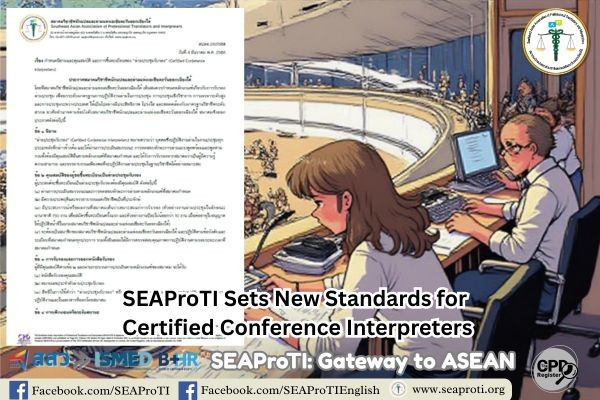
About certified translators, translation certifiers, and certified interpreters associated with SEAProTI.
The Southeast Asian Association of Professional Translators and Interpreters (SEAProTI) has officially shared the qualifications and requirements for becoming Certified Translators, Translation Certification Providers, and Certified Interpreters in Sections 9 and 10 of the Royal Gazette, which was published by the Prime Minister’s Office in Thailand on July 25, 2024. Certified Translators, Translation Certification Providers, and Certified Interpreters
The Council of State has proposed the enactment of a Royal Decree, granting registered translators and recognised translation certifiers from professional associations or accredited language institutions the authority to provide legally valid translation certification (Letter to SEAProTI dated April 28, 2025)
SEAProTI is the first professional association in Thailand and Southeast Asia to implement a comprehensive certification system for translators, certifiers, and interpreters.
Head Office: Baan Ratchakru Building, No. 33, Room 402, Soi Phahonyothin 5, Phahonyothin Road, Phaya Thai District, Bangkok 10400, Thailand
Email: hello@seaproti.com | Tel.: (+66) 2-114-3128 (Office hours: Mon–Fri, 09:00–17:00).
การเปลี่ยนผ่านของระบบตรวจคนเข้าเมืองไทยสู่การควบคุมเชิงความเสี่ยง:
การวิเคราะห์เชิงกฎหมายและปฏิบัติการภายใต้พระราชบัญญัติคนเข้าเมือง พ.ศ. 2522
20 มีนาคม 2569, กรุงเทพมหานคร – บทความนี้มีวัตถุประสงค์เพื่อวิเคราะห์การเปลี่ยนแปลงของระบบตรวจคนเข้าเมืองของประเทศไทยในช่วงปี พ.ศ. 2567–2569 ซึ่งสะท้อนการเปลี่ยนผ่านจากระบบที่เน้นการอำนวยความสะดวกแก่ผู้เดินทาง ไปสู่ระบบการควบคุมเชิงความเสี่ยง (risk-based border control) ที่มีความเข้มงวดมากขึ้น โดยอาศัยกรอบกฎหมายตามพระราชบัญญัติคนเข้าเมือง พ.ศ. 2522 โดยเฉพาะมาตรา 12 ซึ่งให้อำนาจดุลพินิจแก่เจ้าหน้าที่ตรวจคนเข้าเมืองในการปฏิเสธการเข้าเมือง บทความนี้วิเคราะห์ทั้งในเชิงกฎหมาย เชิงนโยบาย และเชิงปฏิบัติการ พร้อมทั้งอภิปรายผลกระทบต่อผู้เดินทางระหว่างประเทศ โดยชี้ให้เห็นว่าภาระการพิสูจน์ความสุจริตของการเดินทางได้ถูกย้ายไปยังผู้เดินทางอย่างมีนัยสำคัญ
บทนำ
ในบริบทของโลกาภิวัตน์ การเคลื่อนย้ายข้ามพรมแดนได้กลายเป็นกลไกสำคัญของเศรษฐกิจและสังคมระหว่างประเทศ ประเทศไทยในฐานะศูนย์กลางการท่องเที่ยวและการลงทุนในภูมิภาคเอเชียตะวันออกเฉียงใต้ เคยใช้ระบบตรวจคนเข้าเมืองที่เน้นความยืดหยุ่นและการอำนวยความสะดวกแก่ชาวต่างชาติ อย่างไรก็ตาม ในช่วงไม่กี่ปีที่ผ่านมา แนวโน้มการบังคับใช้กฎหมายตรวจคนเข้าเมืองได้เปลี่ยนแปลงไปอย่างมีนัยสำคัญ โดยเฉพาะภายใต้แรงกดดันจากปัญหาแรงงานผิดกฎหมาย อาชญากรรมข้ามชาติ และการทำงานทางไกลโดยใช้วีซ่าท่องเที่ยว บทความนี้จึงมุ่งวิเคราะห์ว่าการเปลี่ยนแปลงดังกล่าวเกิดขึ้นอย่างไร และส่งผลกระทบต่อโครงสร้างอำนาจในการควบคุมพรมแดนอย่างไร
กรอบกฎหมาย: อำนาจดุลพินิจภายใต้มาตรา 12
พระราชบัญญัติคนเข้าเมือง พ.ศ. 2522 เป็นกฎหมายหลักที่กำกับดูแลการเข้าและออกจากราชอาณาจักรไทย โดยมาตรา 12 กำหนดลักษณะของบุคคลต้องห้ามมิให้เข้ามาในราชอาณาจักร ซึ่งรวมถึงบุคคลที่ไม่มีหลักฐานเพียงพอในการดำรงชีพ หรือมีพฤติการณ์อันน่าเชื่อว่าอาจเข้ามาประกอบอาชีพโดยไม่ได้รับอนุญาต (สำนักงานคณะกรรมการกฤษฎีกา, 2522) ลักษณะสำคัญของบทบัญญัตินี้คือการเปิดช่องให้เจ้าหน้าที่สามารถใช้ “ดุลพินิจ” ในการประเมินความเสี่ยงของผู้เดินทางแต่ละราย ซึ่งสอดคล้องกับแนวคิดของการควบคุมพรมแดนสมัยใหม่ที่ไม่ได้อาศัยเพียงเอกสารทางกฎหมาย แต่รวมถึงการประเมินพฤติกรรมและบริบทของผู้เดินทาง (Guild & Bigo, 2010)
การเปลี่ยนผ่านสู่ระบบควบคุมเชิงความเสี่ยง
จากข้อมูลเชิงปฏิบัติในช่วงปี พ.ศ. 2567–2569 พบว่าประเทศไทยได้ปรับใช้แนวทางการคัดกรองผู้เดินทางที่เข้มงวดมากขึ้น โดยเน้นการประเมินความเสี่ยง (risk profiling) เป็นหลัก แนวโน้มดังกล่าวสะท้อนผ่านมาตรการต่าง ๆ เช่น การกำหนดให้ผู้เดินทางต้องมีเงินสดตามเกณฑ์ขั้นต่ำ การตรวจสอบความสอดคล้องของแผนการเดินทาง การจำกัดจำนวนครั้งของการเข้าออกทางบก และการตรวจสอบประวัติการพำนักในอดีต นอกจากนี้ ยังมีรายงานว่าหน่วยงานตรวจคนเข้าเมืองเริ่มใช้เทคโนโลยีดิจิทัลในการวิเคราะห์รูปแบบพฤติกรรมของผู้เดินทาง ซึ่งสอดคล้องกับแนวคิดของ “smart borders” ที่ใช้ข้อมูลขนาดใหญ่ในการคัดกรองความเสี่ยง (Dijstelbloem & Meijer, 2011)
ในเชิงทฤษฎี การเปลี่ยนผ่านดังกล่าวสามารถอธิบายได้ผ่านกรอบของ “securitization of migration” ซึ่งมองว่าการเคลื่อนย้ายของมนุษย์ถูกทำให้เป็นประเด็นด้านความมั่นคงมากขึ้น ส่งผลให้รัฐมีแนวโน้มใช้อำนาจควบคุมที่เข้มงวดขึ้น (Buzan, Wæver, & de Wilde, 1998) ในกรณีของประเทศไทย ปัจจัยสำคัญที่ผลักดันแนวโน้มนี้ ได้แก่ การปราบปรามแรงงานผิดกฎหมาย การควบคุมอาชญากรรมข้ามชาติ และการจัดการกับรูปแบบการทำงานใหม่ เช่น digital nomad ที่ใช้ช่องว่างของวีซ่าท่องเที่ยว
ผลกระทบต่อผู้เดินทางและภาคส่วนที่เกี่ยวข้อง
การเพิ่มความเข้มงวดของระบบตรวจคนเข้าเมืองส่งผลกระทบโดยตรงต่อผู้เดินทาง โดยเฉพาะนักท่องเที่ยวและผู้ประกอบอาชีพอิสระที่อาจไม่เข้าใจข้อกำหนดเชิงปฏิบัติ เช่น การต้องมีเงินสด หรือการต้องมีตั๋วเดินทางออกจากประเทศอย่างชัดเจน ในกรณีที่ไม่สามารถปฏิบัติตามข้อกำหนดดังกล่าว ผู้เดินทางอาจถูกปฏิเสธการเข้าเมืองและถูกควบคุมตัวในสถานกักกันคนเข้าเมือง (Immigration Detention Center: IDC) จนกว่าจะสามารถเดินทางกลับประเทศต้นทางได้
ในมิติของกฎหมายระหว่างประเทศ การใช้ดุลพินิจอย่างกว้างขวางของเจ้าหน้าที่อาจก่อให้เกิดคำถามเกี่ยวกับความโปร่งใสและความสม่ำเสมอในการบังคับใช้กฎหมาย อย่างไรก็ตาม หลักการอธิปไตยของรัฐ (state sovereignty) ยังคงให้สิทธิแก่รัฐในการควบคุมการเข้าเมืองของชาวต่างชาติ (Hollifield, Martin, & Orrenius, 2014) ทำให้การปฏิเสธการเข้าเมืองยังคงเป็นมาตรการที่ชอบด้วยกฎหมาย หากดำเนินการภายใต้กรอบกฎหมายภายในประเทศ
อภิปรายผลและข้อเสนอแนะ
จากการวิเคราะห์พบว่าการเปลี่ยนแปลงของระบบตรวจคนเข้าเมืองไทยไม่ใช่เพียงการเพิ่มความเข้มงวดในเชิงปฏิบัติ แต่เป็นการปรับโครงสร้างของระบบควบคุมพรมแดนให้สอดคล้องกับแนวโน้มสากลที่เน้นการจัดการความเสี่ยงเป็นหลัก อย่างไรก็ตาม การใช้ดุลพินิจอย่างกว้างขวางอาจนำไปสู่ความไม่แน่นอนสำหรับผู้เดินทาง และอาจกระทบต่อภาพลักษณ์ของประเทศในระยะยาว
ดังนั้น ผู้เขียนเสนอว่าหน่วยงานที่เกี่ยวข้องควรพิจารณาการเผยแพร่ข้อมูลที่ชัดเจนและเป็นระบบเกี่ยวกับเกณฑ์การพิจารณาเข้าเมือง เพื่อเพิ่มความโปร่งใสและลดความสับสนของผู้เดินทาง ขณะเดียวกัน ผู้เดินทางควรตระหนักว่าการเข้าเมืองเป็น “สิทธิแบบมีเงื่อนไข” (conditional privilege) และต้องเตรียมเอกสารและหลักฐานให้ครบถ้วนตามข้อกำหนด
สรุป
การเปลี่ยนผ่านของระบบตรวจคนเข้าเมืองไทยในช่วงปี พ.ศ. 2567–2569 สะท้อนการเปลี่ยนแปลงเชิงโครงสร้างจากระบบที่เน้นการอำนวยความสะดวก ไปสู่ระบบที่เน้นการควบคุมความเสี่ยง โดยมีมาตรา 12 ของพระราชบัญญัติคนเข้าเมือง พ.ศ. 2522 เป็นฐานทางกฎหมายสำคัญ การเปลี่ยนแปลงดังกล่าวได้เพิ่มบทบาทของดุลพินิจของเจ้าหน้าที่ และย้ายภาระการพิสูจน์ไปยังผู้เดินทางอย่างมีนัยสำคัญ ซึ่งเป็นแนวโน้มที่สอดคล้องกับการบริหารจัดการพรมแดนในระดับสากล
เอกสารอ้างอิง
- Buzan, B., Wæver, O., & de Wilde, J. (1998). Security: A new framework for analysis. Lynne Rienner Publishers.
- Dijstelbloem, H., & Meijer, A. (2011). Migration and the new technological borders of Europe. Palgrave Macmillan.
- Guild, E., & Bigo, D. (2010). The transformation of European border controls. In B. Ryan & V. Mitsilegas (Eds.), Extrality, sovereignty and human rights (pp. 257–279). Martinus Nijhoff.
- Hollifield, J. F., Martin, P. L., & Orrenius, P. M. (2014). Controlling immigration: A global perspective (3rd ed.). Stanford University Press.
- สำนักงานคณะกรรมการกฤษฎีกา. (2522). พระราชบัญญัติคนเข้าเมือง พ.ศ. 2522. กรุงเทพมหานครฯ: ราชกิจจานุเบกษา.
สมาคมวิชาชีพนักแปลและล่ามแห่งเอเชียตะวันออกเฉียงใต้ (SEAProTI) ได้ประกาศหลักเกณฑ์และคุณสมบัติของผู้ที่ขึ้นทะเบียนเป็น “นักแปลรับรอง (Certified Translators) และผู้รับรองการแปล (Translation Certification Providers) และล่ามรับรอง (Certified Interpreters)” ของสมาคม หมวดที่ 9 และหมวดที่ 10 ในราชกิจจานุเบกษา ของสำนักเลขาธิการคณะรัฐมนตรี ในสำนักนายกรัฐมนตรี แห่งราชอาณาจักรไทย ลงวันที่ 25 ก.ค. 2567 เล่มที่ 141 ตอนที่ 66 ง หน้า 100 อ่านฉบับเต็มได้ที่: นักแปลรับรอง ผู้รับรองการแปล และล่ามรับรอง
สำนักคณะกรรมการกฤษฎีกาเสนอให้ตราเป็นพระราชกฤษฎีกา โดยกำหนดให้นักแปลที่ขึ้นทะเบียน รวมถึงผู้รับรองการแปลจากสมาคมวิชาชีพหรือสถาบันสอนภาษาที่มีการอบรมและขึ้นทะเบียน สามารถรับรองคำแปลได้ (จดหมายถึงสมาคม SEAProTI ลงวันที่ 28 เม.ย. 2568)
สมาคมวิชาชีพนักแปลและล่ามแห่งเอเชียตะวันออกเฉียงใต้เป็นสมาคมวิชาชีพแห่งแรกและแห่งเดียวในประเทศไทยและภูมิภาคเอเชียตะวันออกเฉียงใต้ที่มีระบบรับรองนักแปลรับรอง ผู้รับรองการแปล และล่ามรับรอง
สำนักงานใหญ่: อาคารบ้านราชครู เลขที่ 33 ห้อง 402 ซอยพหลโยธิน 5 ถนนพหลโยธิน แขวงพญาไท เขตพญาไท กรุงเทพมหานคร 10400 ประเทศไทย
อีเมล: hello@seaproti.com โทรศัพท์: (+66) 2-114-3128 (เวลาทำการ: วันจันทร์–วันศุกร์ เวลา 09.00–17.00 น.