



Provision of Interpreters in Thai Criminal Proceedings:
Interpreting Section 13 of the Criminal Procedure Code in Light of Supreme Court Judgment No. 52/2529
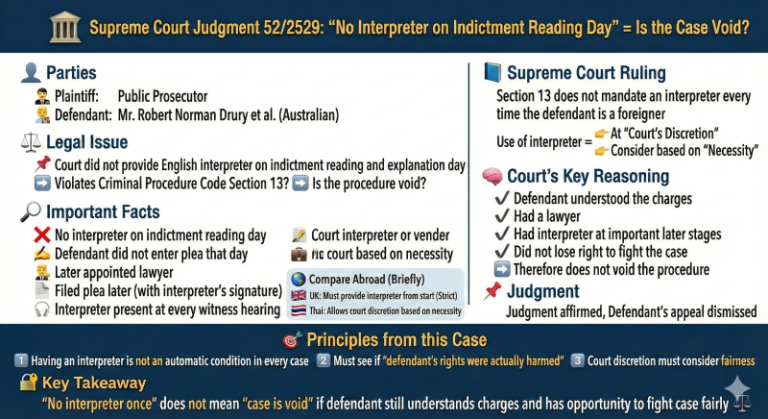
14 February 2026, Bangkok – This article analyzes Supreme Court Judgment No. 52/2529, which establishes an important principle concerning the provision of interpreters for foreign defendants in Thai criminal proceedings. The Supreme Court held that Section 13 of the Criminal Procedure Code is not a mandatory rule requiring an interpreter in every instance involving a foreign defendant; rather, it is subject to judicial discretion based on necessity.
This article examines the doctrinal reasoning of the judgment, compares it with English legal practice, and discusses the issue in light of the right to a fair trial, while proposing policy recommendations regarding interpreter standards in the Thai justice system.
1. Introduction
The right to understand the proceedings and the charges brought against oneself is a fundamental component of the right to a fair trial in criminal law. This principle becomes particularly significant where a defendant does not understand the language used in court. The question of whether courts are obliged to provide an interpreter at every stage of the proceedings thus raises important issues concerning domestic statutory interpretation and international human rights standards.
Supreme Court Judgment No. 52/2529 serves as a key precedent in interpreting Section 13 of the Thai Criminal Procedure Code (CPC) concerning the use of interpreters in criminal trials.
2. Facts and Legal Issue
In this case, the public prosecutor charged an Australian defendant under the Narcotics Act B.E. 2522 (1979). The Court of First Instance and the Court of Appeal sentenced the defendants to imprisonment.
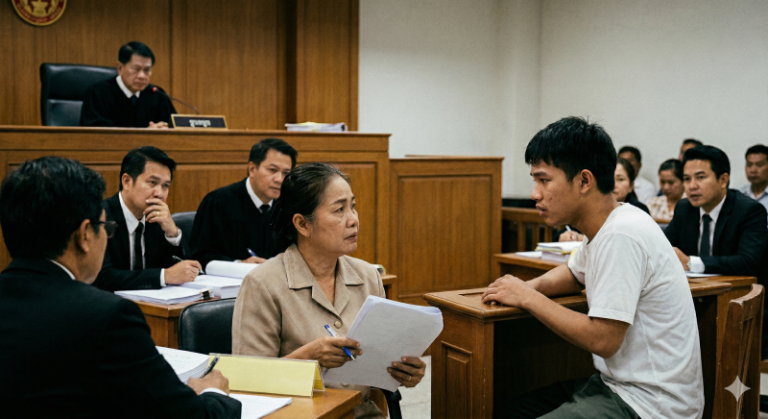
The second defendant appealed to the Supreme Court, arguing that on the day the court read and explained the indictment (referred to in the judgment as the “day of two-status clarification”), no interpreter was provided to translate the Thai proceedings into English. The defendant contended that this omission violated Section 13 of the CPC and rendered the entire proceedings void.
The central legal issue was therefore whether the absence of an interpreter on that day required the annulment of the entire trial process.
3. Interpretation of Section 13: Judicial Discretion
Section 13 of the CPC provides that Thai shall be used in court proceedings, but where translation is necessary, an interpreter shall be used.
The Supreme Court held that this provision does not mandate the appointment of an interpreter in every case involving a foreign defendant. Rather, the necessity of providing an interpreter is a matter for judicial discretion, to be assessed on a case-by-case basis.
The Court considered the factual circumstances and found that although no interpreter was present on the day the indictment was read, the defendant did not enter a plea on that day. Subsequently, the defendant appointed legal counsel and filed a written plea bearing the signature of an interpreter. Moreover, interpreters were present and signed the record at every subsequent evidentiary hearing.
The Court concluded that the defendant understood the indictment and was not deprived of the right to defend himself. Accordingly, the Supreme Court affirmed the lower courts’ judgments (Supreme Court of Thailand, 1986).
4. Doctrinal Analysis: The Right to a Fair Trial
A fundamental principle of criminal justice is that defendants must have a meaningful opportunity to understand the charges and defend themselves effectively. This aligns with the concepts of procedural fairness and equality of arms.
Although Section 13 employs broad language, the Supreme Court’s interpretation reflects what may be described as a “substantive prejudice test.” In other words, the absence of an interpreter does not automatically invalidate proceedings; rather, courts must assess whether the omission caused actual prejudice to the defendant’s rights.
Comparatively, English law adopts a stricter approach. Courts have held that a defendant who does not understand English must be provided with an interpreter from the outset of the proceedings, particularly at arraignment (R v. Lee Kun, 1916). This strict position is grounded in safeguarding the defendant’s fundamental procedural rights.
Nevertheless, even within the English system, courts consider the factual circumstances of each case, including whether the defendant in fact understood the language used in court.
5. Critique and Policy Recommendations
Although the Supreme Court’s reasoning is consistent with Thai statutory interpretation, the increasing number of transnational criminal cases suggests the need for clearer procedural standards concerning interpreter provision at the earliest stage of proceedings.
Policy recommendations include:
Establishing formal guidelines for assessing “necessity” under Section 13.
Adopting a general presumption in favor of providing an interpreter at the reading of the indictment, unless it is clearly established that the defendant understands Thai.
Requiring courts to record findings regarding the defendant’s language competence in the official trial record.
Such measures would enhance transparency and strengthen international confidence in the Thai criminal justice system.
6. Conclusion
Supreme Court Judgment No. 52/2529 establishes that the provision of interpreters under Section 13 of the Criminal Procedure Code is subject to judicial discretion rather than constituting an automatic procedural requirement. The absence of an interpreter at a particular stage does not render the proceedings void unless it is shown that the defendant’s right to defend himself was materially impaired.
The decision reflects a balancing approach between procedural efficiency and the protection of defendants’ rights. It also leaves room for future policy development to align Thai practice more closely with international standards concerning the right to a fair trial.
References
- R. v. Lee Kun. (1916). 1 K.B. 337.
- Supreme Court of Thailand. (1986). Judgment No. 52/2529.
- Thai Criminal Procedure Code, Section 13.
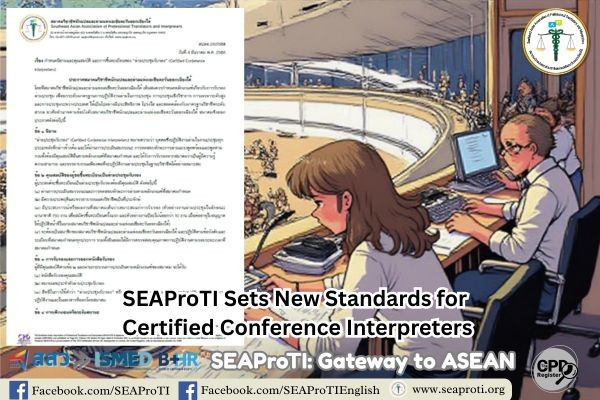
About Certified Translators, Translation Certifiers, and Certified Interpreters of SEAProTI
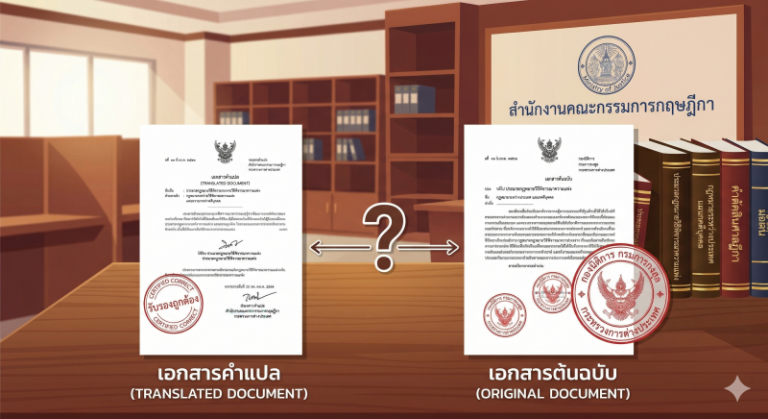
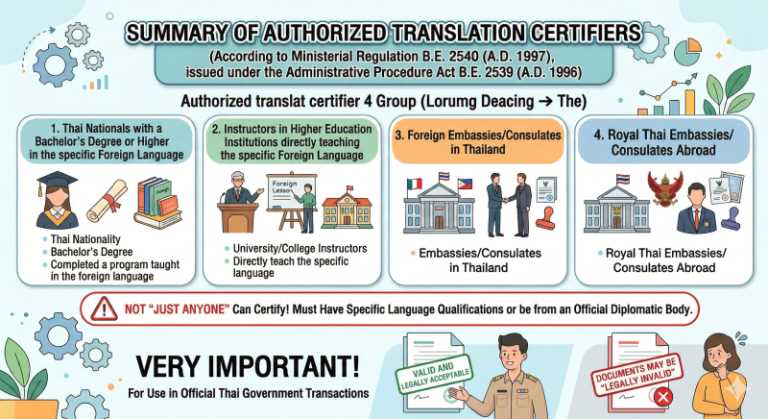
The Southeast Asian Association of Professional Translators and Interpreters (SEAProTI) has officially shared the qualifications and requirements for becoming Certified Translators, Translation Certification Providers, and Certified Interpreters in Sections 9 and 10 of the Royal Gazette, which was published by the Prime Minister’s Office in Thailand on July 25, 2024. Certified Translators, Translation Certification Providers, and Certified Interpreters
The Council of State has proposed the enactment of a Royal Decree, granting registered translators and recognised translation certifiers from professional associations or accredited language institutions the authority to provide legally valid translation certification (Letter to SEAProTI dated April 28, 2025)
SEAProTI is the first professional association in Thailand and Southeast Asia to implement a comprehensive certification system for translators, certifiers, and interpreters.
Head Office: Baan Ratchakru Building, No. 33, Room 402, Soi Phahonyothin 5, Phahonyothin Road, Phaya Thai District, Bangkok 10400, Thailand
Email: hello@seaproti.com | Tel.: (+66) 2-114-3128 (Office hours: Mon–Fri, 09:00–17:00)
การจัดหาล่ามในคดีอาญาไทย: การตีความมาตรา 13 แห่งประมวลกฎหมายวิธีพิจารณาความอาญา ตามแนวคำพิพากษาศาลฎีกาที่ 52/2529
14 กุมภาพันธ์ 2569, กรุงเทพมหานคร – บทความนี้มุ่งวิเคราะห์คำพิพากษาศาลฎีกาที่ 52/2529 ซึ่งวางหลักสำคัญเกี่ยวกับการจัดหาล่ามให้แก่จำเลยชาวต่างประเทศในคดีอาญา โดยศาลฎีกาวินิจฉัยว่า บทบัญญัติมาตรา 13 แห่งประมวลกฎหมายวิธีพิจารณาความอาญา มิได้เป็นบทบังคับเด็ดขาดให้ต้องมีล่ามทุกครั้ง หากเป็นเรื่องดุลพินิจของศาลตามความจำเป็น บทความวิเคราะห์เหตุผลเชิงหลักการของคำพิพากษาดังกล่าว เปรียบเทียบกับแนวปฏิบัติในระบบกฎหมายอังกฤษ และอภิปรายในมิติของหลักประกันสิทธิในการต่อสู้คดี (right to fair trial) พร้อมข้อเสนอเชิงนโยบายเกี่ยวกับมาตรฐานการจัดหาล่ามในกระบวนการยุติธรรมไทย
1. บทนำ
สิทธิในการเข้าใจกระบวนพิจารณาและข้อกล่าวหาเป็นองค์ประกอบสำคัญของหลักการพิจารณาคดีอย่างเป็นธรรม (fair trial) ในคดีอาญา โดยเฉพาะเมื่อจำเลยเป็นบุคคลที่ไม่เข้าใจภาษาที่ใช้ในศาล ประเด็นว่าศาลมีหน้าที่ต้องจัดหาล่ามในทุกขั้นตอนหรือไม่ จึงเป็นปัญหาทางกฎหมายที่เกี่ยวข้องกับทั้งบทบัญญัติกฎหมายภายในและมาตรฐานสากลด้านสิทธิมนุษยชน
คำพิพากษาศาลฎีกาที่ 52/2529 เป็นบรรทัดฐานสำคัญที่วางแนวตีความมาตรา 13 แห่งประมวลกฎหมายวิธีพิจารณาความอาญา (ป.วิ.อ.) เกี่ยวกับการใช้ล่ามในกระบวนพิจารณา
2. ข้อเท็จจริงและประเด็นข้อกฎหมาย
ในคดีดังกล่าว พนักงานอัยการเป็นโจทก์ฟ้องจำเลยชาวออสเตรเลียในความผิดตามพระราชบัญญัติยาเสพติดให้โทษ พ.ศ. 2522 ศาลชั้นต้นและศาลอุทธรณ์พิพากษาลงโทษจำคุก จำเลยที่ 2 ฎีกาว่า ในวันอ่านและอธิบายคำฟ้อง (ซึ่งคำพิพากษาเรียกว่า “วันชี้สองสถาน”) ศาลมิได้จัดให้มีล่ามแปลภาษาอังกฤษให้แก่จำเลย อันเป็นการฝ่าฝืนมาตรา 13 ป.วิ.อ. ทำให้กระบวนพิจารณาเป็นโมฆะ
ประเด็นข้อกฎหมายจึงอยู่ที่ว่า การไม่มีล่ามในวันดังกล่าวเป็นเหตุให้ต้องเพิกถอนกระบวนพิจารณาทั้งหมดหรือไม่
3. การตีความมาตรา 13: ดุลพินิจของศาล
มาตรา 13 ป.วิ.อ. บัญญัติว่า ในการพิจารณาให้ใช้ภาษาไทย แต่ถ้ามีความจำเป็นต้องแปล ก็ให้ใช้ล่ามแปล ศาลฎีกาวินิจฉัยว่า บทบัญญัตินี้มิได้บังคับให้ต้องจัดล่ามทุกครั้งที่จำเลยเป็นชาวต่างประเทศ หากแต่เป็นเรื่องที่ศาลต้องพิจารณาตามความจำเป็นเป็นกรณีไป
ศาลพิเคราะห์ข้อเท็จจริงว่า แม้ในวันอ่านคำฟ้องจะไม่มีล่าม แต่จำเลยยังมิได้ให้การในวันนั้น ต่อมาได้แต่งตั้งทนายความและยื่นคำให้การเป็นลายลักษณ์อักษร โดยมีลายมือชื่อล่ามปรากฏ และในขั้นตอนสืบพยานทุกครั้งมีล่ามแปล ศาลจึงเห็นว่าจำเลยเข้าใจคำฟ้องและไม่ได้เสียสิทธิในการต่อสู้คดี
ผลคือ ศาลฎีกาพิพากษายืน ไม่เพิกถอนกระบวนพิจารณา (Supreme Court of Thailand, 1986)
4. การวิเคราะห์เชิงหลักการ: สิทธิในการพิจารณาคดีอย่างเป็นธรรม
หลักการสำคัญของกระบวนการยุติธรรมทางอาญาคือ การเปิดโอกาสให้จำเลยเข้าใจข้อกล่าวหาและสามารถต่อสู้คดีได้อย่างเต็มที่ หลักการดังกล่าวสอดคล้องกับแนวคิดเรื่อง procedural fairness และ equality of arms
แม้มาตรา 13 จะใช้ถ้อยคำกว้าง แต่การตีความให้เป็นดุลพินิจของศาลสะท้อนแนวคิดแบบ “ผลกระทบจริง” (substantive prejudice test) กล่าวคือ ต้องพิจารณาว่าการไม่มีล่ามก่อให้เกิดความเสียหายต่อสิทธิของจำเลยหรือไม่ มิใช่ถือเป็นโมฆะโดยอัตโนมัติ
ในมิติเปรียบเทียบ กฎหมายอังกฤษวางหลักเคร่งครัดมากกว่า โดยถือว่าจำเลยที่ไม่เข้าใจภาษาอังกฤษต้องได้รับการจัดหาล่ามตั้งแต่เริ่มต้นกระบวนพิจารณา โดยเฉพาะในวัน arraignment (R v. Lee Kun, 1916) แนวคิดดังกล่าวตั้งอยู่บนหลักประกันสิทธิขั้นพื้นฐานของจำเลย
อย่างไรก็ดี แม้ในระบบอังกฤษเอง ศาลก็ยังคำนึงถึงข้อเท็จจริงเกี่ยวกับความเข้าใจของจำเลยในแต่ละกรณี
5. วิพากษ์และข้อเสนอเชิงนโยบาย
แม้คำพิพากษานี้จะชอบด้วยบทบัญญัติกฎหมายไทย แต่ในบริบทปัจจุบันที่คดีระหว่างประเทศเพิ่มมากขึ้น การกำหนดแนวปฏิบัติที่ชัดเจนเกี่ยวกับการจัดหาล่ามตั้งแต่ระยะแรกของกระบวนพิจารณา อาจช่วยเสริมสร้างความเชื่อมั่นในระบบยุติธรรมไทย
ข้อเสนอเชิงนโยบาย ได้แก่
- การกำหนดแนวปฏิบัติมาตรฐาน (guidelines) สำหรับการประเมิน “ความจำเป็น” ตามมาตรา 13
- การจัดให้มีล่ามในวันอ่านคำฟ้องเป็นหลักทั่วไป เว้นแต่ปรากฏชัดว่าจำเลยเข้าใจภาษาไทย
- การบันทึกข้อเท็จจริงเกี่ยวกับความสามารถทางภาษาไว้ในรายงานกระบวนพิจารณาอย่างชัดเจน
6. บทสรุป
คำพิพากษาศาลฎีกาที่ 52/2529 วางหลักว่า การจัดหาล่ามตามมาตรา 13 ป.วิ.อ. เป็นเรื่องดุลพินิจของศาล มิใช่บทบังคับโดยอัตโนมัติ และการไม่มีล่ามในขั้นตอนหนึ่งขั้นตอนใด มิได้ทำให้กระบวนพิจารณาเป็นโมฆะ หากไม่ปรากฏว่าจำเลยเสียสิทธิในการต่อสู้คดี
แนววินิจฉัยดังกล่าวสะท้อนการถ่วงดุลระหว่างประสิทธิภาพของกระบวนพิจารณาและหลักประกันสิทธิจำเลย ทั้งยังเปิดพื้นที่สำหรับการพัฒนามาตรฐานเชิงนโยบายในอนาคต เพื่อยกระดับความสอดคล้องกับหลักสากลด้านสิทธิในการพิจารณาคดีอย่างเป็นธรรม
เอกสารอ้างอิง
- R v. Lee Kun. (1916). 1 K.B. 337.
- Supreme Court of Thailand. (1986). Judgment No. 52/2529.
- ประมวลกฎหมายวิธีพิจารณาความอาญา มาตรา 13.
สมาคมวิชาชีพนักแปลและล่ามแห่งเอเชียตะวันออกเฉียงใต้ (SEAProTI) ได้ประกาศหลักเกณฑ์และคุณสมบัติของผู้ที่ขึ้นทะเบียนเป็น “นักแปลรับรอง (Certified Translators) และผู้รับรองการแปล (Translation Certification Providers) และล่ามรับรอง (Certified Interpreters)” ของสมาคม หมวดที่ 9 และหมวดที่ 10 ในราชกิจจานุเบกษา ของสำนักเลขาธิการคณะรัฐมนตรี ในสำนักนายกรัฐมนตรี แห่งราชอาณาจักรไทย ลงวันที่ 25 ก.ค. 2567 เล่มที่ 141 ตอนที่ 66 ง หน้า 100 อ่านฉบับเต็มได้ที่: นักแปลรับรอง ผู้รับรองการแปล และล่ามรับรอง
สำนักคณะกรรมการกฤษฎีกาเสนอให้ตราเป็นพระราชกฤษฎีกา โดยกำหนดให้นักแปลที่ขึ้นทะเบียน รวมถึงผู้รับรองการแปลจากสมาคมวิชาชีพหรือสถาบันสอนภาษาที่มีการอบรมและขึ้นทะเบียน สามารถรับรองคำแปลได้ (จดหมายถึงสมาคม SEAProTI ลงวันที่ 28 เม.ย. 2568)
สมาคมวิชาชีพนักแปลและล่ามแห่งเอเชียตะวันออกเฉียงใต้เป็นสมาคมวิชาชีพแห่งแรกและแห่งเดียวในประเทศไทยและภูมิภาคเอเชียตะวันออกเฉียงใต้ที่มีระบบรับรองนักแปลรับรอง ผู้รับรองการแปล และล่ามรับรอง
สำนักงานใหญ่: อาคารบ้านราชครู เลขที่ 33 ห้อง 402 ซอยพหลโยธิน 5 ถนนพหลโยธิน แขวงพญาไท เขตพญาไท กรุงเทพมหานคร 10400 ประเทศไทย
อีเมล: hello@seaproti.com โทรศัพท์: (+66) 2-114-3128 (เวลาทำการ: วันจันทร์–วันศุกร์ เวลา 09.00–17.00 น.