




Regulating Professional Standards for Certified Translators and Interpreters:
An Analysis of Qualification Criteria, Ethics, and Conflict of Interest within SEAProTI
19 February 2026, Bangkok—Enhancing professional standards for certified translators and interpreters is not merely a matter of linguistic competence; it is fundamentally a question of institutional responsibility toward the public. In contexts where translation and interpreting directly affect legal rights, financial transactions, official documentation, and judicial proceedings, the credibility of practitioners becomes an essential component of legal and social stability. This article examines the qualification framework of the Southeast Asian Association of Professional Translators and Interpreters (SEAProTI) as a model of professional self-regulation aimed at managing ethical risk and preventing conflicts of interest in a systematic manner.
SEAProTI’s screening criteria encompass criminal background considerations, financial status, and conduct that may affect the reputation of the profession. These conditions reflect the “fit and proper person” principle commonly applied in trust-sensitive professions such as law, finance, and healthcare. The exclusion of individuals with convictions relating to property offenses, fraud, corruption, or cases directly connected to translation and interpreting is not punitive in nature; rather, it functions as a preventive risk management measure designed to protect service users from foreseeable harm.
Similarly, the exclusion of individuals declared bankrupt reflects an awareness of financial vulnerability as a potential risk factor in professions involving sensitive legal and financial documentation. Although such measures may raise questions in relation to individual rights, within the framework of professional regulation they are aligned with the broader mandate of safeguarding public confidence.
Another significant dimension of SEAProTI’s framework concerns the refusal to readmit members for life in cases where individuals have been expelled on ethical grounds or have resigned during ongoing disciplinary proceedings. This policy serves an institutional integrity function by preventing resignation from being used as a mechanism to evade accountability. From a regulatory theory perspective, such measures preserve the credibility and authority of the disciplinary system. Nevertheless, the application of lifetime exclusion must be grounded in transparent procedures, proportionality, and due process in order to maintain an appropriate balance between public protection and the rights of practitioners.
Conflict of interest management represents an additional pillar of the regulatory structure. SEAProTI has articulated concerns regarding translators and interpreters who are already registered with, or operating under, governmental agencies. Dual registration may create tensions in accountability structures or remuneration systems, potentially affecting professional independence. In certain circumstances, refusal of registration is framed not as a restriction of professional freedom but as a preventive safeguard to preserve neutrality, transparency, and independence within the certification system.
The requirement for criminal background disclosure is particularly significant in a jurisdiction where no centralized or universally mandated verification system exists for translators and interpreters across all sectors. In such an environment, professional associations assume a gatekeeping role. Where consumers are unable to independently assess the risk profile of service providers, structured screening mechanisms serve as institutional assurances of reliability. However, the implementation of such mechanisms must remain consistent with the presumption of innocence and avoid unsubstantiated generalizations that could lead to unfair stigmatization.
In conclusion, SEAProTI’s qualification and regulatory framework reflect an effort to construct a robust system of professional self-governance grounded in accountability, transparency, and structural risk prevention. The central challenge lies not solely in maintaining strict standards but in ensuring that regulatory measures remain proportionate, reviewable, and procedurally fair. Only through this balance can professional regulation strengthen public trust while preserving the dignity and legitimate interests of practitioners, thereby contributing to sustainable confidence at both national and international levels.
This section provides information about certified translators, translation certifiers, and certified interpreters associated with SEAProTI.
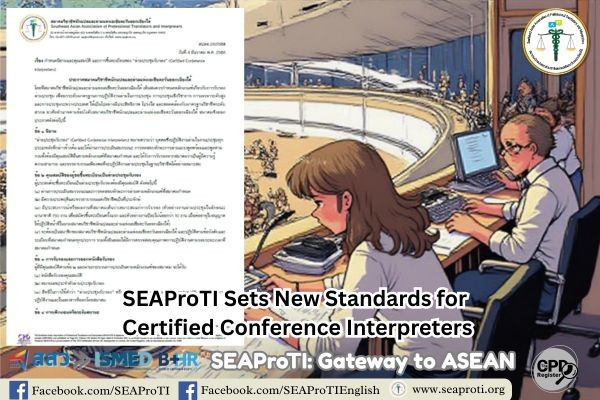
The Southeast Asian Association of Professional Translators and Interpreters (SEAProTI) has officially shared the qualifications and requirements for becoming Certified Translators, Translation Certification Providers, and Certified Interpreters in Sections 9 and 10 of the Royal Gazette, which was published by the Prime Minister’s Office in Thailand on July 25, 2024. Certified Translators, Translation Certification Providers, and Certified Interpreters
The Council of State has proposed the enactment of a Royal Decree, granting registered translators and recognised translation certifiers from professional associations or accredited language institutions the authority to provide legally valid translation certification (Letter to SEAProTI dated April 28, 2025)
SEAProTI is the first professional association in Thailand and Southeast Asia to implement a comprehensive certification system for translators, certifiers, and interpreters.
Head Office: Baan Ratchakru Building, No. 33, Room 402, Soi Phahonyothin 5, Phahonyothin Road, Phaya Thai District, Bangkok 10400, Thailand
Email: hello@seaproti.com | Tel.: (+66) 2-114-3128 (Office hours: Mon–Fri, 09:00–17:00)
การกำกับมาตรฐานวิชาชีพนักแปลและล่ามรับรอง: การวิเคราะห์หลักเกณฑ์คุณสมบัติ จริยธรรม และผลประโยชน์ทับซ้อนของ SEAProTI
19 กุมภาพันธ์ 2569, กรุงเทพมหานคร – การยกระดับมาตรฐานวิชาชีพนักแปลและล่ามรับรองมิใช่เพียงประเด็นด้านทักษะภาษา หากแต่เป็นเรื่องของความรับผิดชอบเชิงสถาบันต่อสาธารณะ ในบริบทที่งานแปลและล่ามเกี่ยวข้องโดยตรงกับสิทธิทางกฎหมาย ธุรกรรมทางการเงิน เอกสารราชการ และกระบวนการยุติธรรม ความน่าเชื่อถือของผู้ประกอบวิชาชีพจึงเป็นองค์ประกอบสำคัญของความมั่นคงทางกฎหมายและสังคม บทความนี้วิเคราะห์หลักเกณฑ์การขึ้นทะเบียนของ Southeast Asian Association of Professional Translators and Interpreters (SEAProTI) ในฐานะกลไกกำกับตนเองขององค์กรวิชาชีพ ที่มุ่งจัดการความเสี่ยงเชิงจริยธรรมและผลประโยชน์ทับซ้อนอย่างเป็นระบบ
หลักเกณฑ์การคัดกรองคุณสมบัติของ SEAProTI กำหนดเงื่อนไขด้านประวัติอาชญากรรม สถานะทางการเงิน และความประพฤติที่อาจกระทบต่อชื่อเสียงของวิชาชีพ เงื่อนไขดังกล่าวสะท้อนแนวคิด “บุคคลที่เหมาะสมและสมควร” (fit and proper person) ซึ่งใช้ในหลายวิชาชีพที่มีความไวต่อความเชื่อมั่นของสาธารณะ เช่น วิชาชีพกฎหมาย การเงิน และการแพทย์ การกำหนดไม่รับผู้ที่มีคดีเกี่ยวกับทรัพย์ ฉ้อโกง หรือทุจริต ตลอดจนคดีที่เกี่ยวข้องกับงานแปลและล่ามโดยตรง มิได้มีลักษณะเป็นการลงโทษซ้ำ หากแต่เป็นมาตรการบริหารความเสี่ยงเชิงป้องกัน เพื่อคุ้มครองผู้ใช้บริการจากความเสียหายที่อาจเกิดขึ้นในอนาคต
นอกจากนี้ การกำหนดไม่รับผู้ที่มีสถานะบุคคลล้มละลายยังสะท้อนความตระหนักถึงความเสี่ยงด้านความมั่นคงทางการเงิน ซึ่งอาจสัมพันธ์กับแรงจูงใจเชิงลบในงานที่เกี่ยวข้องกับเอกสารทางการเงินหรือสิทธิประโยชน์ของบุคคลอื่น แม้มาตรการดังกล่าวอาจถูกตั้งคำถามในมิติสิทธิส่วนบุคคล แต่ในกรอบของการกำกับวิชาชีพ มาตรฐานที่สูงย่อมสอดคล้องกับภารกิจในการปกป้องสาธารณะ
อีกประเด็นสำคัญคือ มาตรการไม่รับกลับสมาชิกตลอดชีพในกรณีที่ถูกมีมติให้พ้นสภาพสมาชิกด้วยเหตุด้านจริยธรรม หรือกรณีที่ลาออกในระหว่างกระบวนการตรวจสอบวินัย มาตรการนี้มีนัยสำคัญเชิงสถาบัน เพราะป้องกันไม่ให้การลาออกถูกใช้เป็นเครื่องมือหลีกเลี่ยงความรับผิดทางจริยธรรม ในเชิงทฤษฎี อาจเรียกได้ว่าเป็นการรักษาความสมบูรณ์ขององค์กร (institutional integrity) อย่างไรก็ตาม การใช้มาตรการดังกล่าวควรตั้งอยู่บนกระบวนการที่โปร่งใส เป็นธรรม และสามารถตรวจสอบได้ เพื่อคงไว้ซึ่งความสมดุลระหว่างการคุ้มครองสาธารณะและสิทธิของผู้ประกอบวิชาชีพ
ในด้านผลประโยชน์ทับซ้อน SEAProTI ให้ความสำคัญกับกรณีที่นักแปลและล่ามมีสถานะขึ้นทะเบียนหรือปฏิบัติงานภายใต้หน่วยงานราชการอยู่แล้ว การขึ้นทะเบียนซ้ำในอีกระบบหนึ่งอาจก่อให้เกิดความตึงเครียดด้านความรับผิดชอบ (dual accountability) หรือผลประโยชน์ทับซ้อนด้านค่าตอบแทน ซึ่งอาจกระทบต่อความเป็นอิสระทางวิชาชีพ การปฏิเสธการขึ้นทะเบียนในบางกรณีจึงเป็นมาตรการเชิงป้องกัน เพื่อรักษาหลักความเป็นกลางและความโปร่งใสของระบบรับรอง
ประเด็นการตรวจสอบประวัติอาชญากรรมยังมีความสำคัญเป็นพิเศษในบริบทที่ประเทศไทยยังไม่มีระบบกลางที่บังคับตรวจสอบคุณสมบัตินักแปลและล่ามในทุกภาคส่วน เมื่อผู้บริโภคไม่สามารถประเมินความเสี่ยงของผู้ให้บริการได้ด้วยตนเอง องค์กรวิชาชีพจึงทำหน้าที่เป็น “ผู้คัดกรอง” เพื่อสร้างความเชื่อมั่น อย่างไรก็ดี การดำเนินการดังกล่าวต้องตั้งอยู่บนหลักสันนิษฐานไว้ก่อนว่าบริสุทธิ์ และต้องหลีกเลี่ยงการกล่าวอ้างที่เกินกว่าข้อเท็จจริงที่พิสูจน์ได้ เพื่อไม่ให้มาตรฐานจริยธรรมกลายเป็นเครื่องมือสร้างความหวาดระแวงหรือการตีตราโดยไม่เป็นธรรม
โดยสรุป หลักเกณฑ์ของ SEAProTI สะท้อนความพยายามสร้างระบบกำกับวิชาชีพที่เน้นความรับผิดชอบ ความโปร่งใส และการป้องกันความเสี่ยงเชิงโครงสร้างในงานแปลและล่ามรับรอง ความท้าทายสำคัญในอนาคตมิได้อยู่ที่ความเข้มงวดของมาตรฐานเพียงอย่างเดียว หากแต่อยู่ที่การออกแบบกระบวนการกำกับที่ได้สัดส่วน ตรวจสอบได้ และคงไว้ซึ่งความยุติธรรม เพื่อให้การยกระดับมาตรฐานวิชาชีพนำไปสู่ความเชื่อมั่นอย่างยั่งยืนทั้งในระดับชาติและนานาชาติ
สมาคมวิชาชีพนักแปลและล่ามแห่งเอเชียตะวันออกเฉียงใต้ (SEAProTI) ได้ประกาศหลักเกณฑ์และคุณสมบัติของผู้ที่ขึ้นทะเบียนเป็น “นักแปลรับรอง (Certified Translators) และผู้รับรองการแปล (Translation Certification Providers) และล่ามรับรอง (Certified Interpreters)” ของสมาคม หมวดที่ 9 และหมวดที่ 10 ในราชกิจจานุเบกษา ของสำนักเลขาธิการคณะรัฐมนตรี ในสำนักนายกรัฐมนตรี แห่งราชอาณาจักรไทย ลงวันที่ 25 ก.ค. 2567 เล่มที่ 141 ตอนที่ 66 ง หน้า 100 อ่านฉบับเต็มได้ที่: นักแปลรับรอง ผู้รับรองการแปล และล่ามรับรอง
สำนักคณะกรรมการกฤษฎีกาเสนอให้ตราเป็นพระราชกฤษฎีกา โดยกำหนดให้นักแปลที่ขึ้นทะเบียน รวมถึงผู้รับรองการแปลจากสมาคมวิชาชีพหรือสถาบันสอนภาษาที่มีการอบรมและขึ้นทะเบียน สามารถรับรองคำแปลได้ (จดหมายถึงสมาคม SEAProTI ลงวันที่ 28 เม.ย. 2568)
สมาคมวิชาชีพนักแปลและล่ามแห่งเอเชียตะวันออกเฉียงใต้เป็นสมาคมวิชาชีพแห่งแรกและแห่งเดียวในประเทศไทยและภูมิภาคเอเชียตะวันออกเฉียงใต้ที่มีระบบรับรองนักแปลรับรอง ผู้รับรองการแปล และล่ามรับรอง
สำนักงานใหญ่: อาคารบ้านราชครู เลขที่ 33 ห้อง 402 ซอยพหลโยธิน 5 ถนนพหลโยธิน แขวงพญาไท เขตพญาไท กรุงเทพมหานคร 10400 ประเทศไทย
อีเมล: hello@seaproti.com โทรศัพท์: (+66) 2-114-3128 (เวลาทำการ: วันจันทร์–วันศุกร์ เวลา 09.00–17.00 น.