



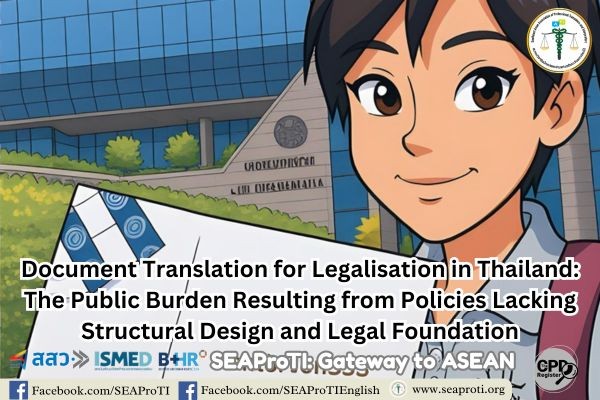
Document Translation for Legalisation in Thailand: The Public Burden Resulting from Policies Lacking Structural Design and Legal Foundation
25 December 2025, Bangkok – Document legalisation is a crucial mechanism for certifying the authenticity of documents intended for use abroad. In the Thai context, however, the translation stage of the legalisation process has become a structural burden borne by the public, in terms of financial cost, time consumption, and legal risk. This article examines the problem through the lenses of good governance and the principle of legality, arguing that the policy allowing “anyone to translate documents,” combined with state review of translations without a clear legal basis, has generated redundant costs and systematically undermined public confidence in Thailand’s document legalisation system.
Keywords: document legalisation, document translation, public burden, translator standards, rule of law
In an era marked by increasing cross-border mobility of people, education, and legal transactions, the use of official documents in foreign jurisdictions requires compliance with document legalisation procedures to certify the authenticity of source documents. One essential component of this process is document translation. Nevertheless, Thailand’s current system for translation in the context of legalisation has produced structural problems that directly affect service users.
The “Anyone Can Translate” Principle and the Transfer of Burden to the Public
The administrative practice that permits any individual to translate documents for legalisation reflects a liberal, deregulated approach that does not formally recognise translator qualifications or professional standards. While this principle is often justified as a measure to facilitate public access, in practice it transfers the entire burden of risk management to citizens. Service users must independently select translators, assess translation quality, and bear the consequences if a translation fails official review.
In the absence of a state-endorsed system for recognising translator qualifications, many citizens opt for low-cost translation services, assuming that deficiencies will later be corrected by the authorities. This dynamic reveals that the system is not designed to ensure quality at the source but instead relies on corrective intervention at the final stage.
State Review of Translations and Procedural Delays
Because translations are produced without standardised quality control, state authorities are compelled to conduct substantive reviews of translation content by default. As a result, many legalisation applications cannot be completed in a single submission but instead undergo repeated cycles of rejection, revision, and resubmission. Such delays are inconsistent with the principle of administrative efficiency and impose significant time costs on citizens.
Translation Review Fees and the Principle of Legality
A critical legal concern arises from the fact that no statutory provision explicitly authorises state agencies to review or amend translation content. Consequently, the collection of fees for translation review raises questions under the principle of legality, which requires that the exercise of state power be grounded in clear legal authority.
The need for translation review is therefore not inherent to the nature of document legalisation itself but is instead a consequence of the policy decision to permit unrestricted translation at the outset. This constitutes a structural problem created by administrative policy and subsequently externalised onto the public.
The Role of Lawyers and Risks Associated with Certification by Non-Translators
In practice, some lawyers misunderstand the scope of their professional responsibilities and certify translations produced by others. Such certification lacks a legal basis and contravenes fundamental principles of professional accountability, as certifiers cannot guarantee the accuracy of content they did not produce.
Moreover, when assessed against recognised language competence frameworks such as the Common European Framework of Reference for Languages (CEFR), many legal professionals do not possess language proficiency at a level appropriate for certifying translations intended for international use. This significantly increases the risk of rejection by foreign authorities.
Informal Intermediaries and Unfair Competition in the Translation Profession
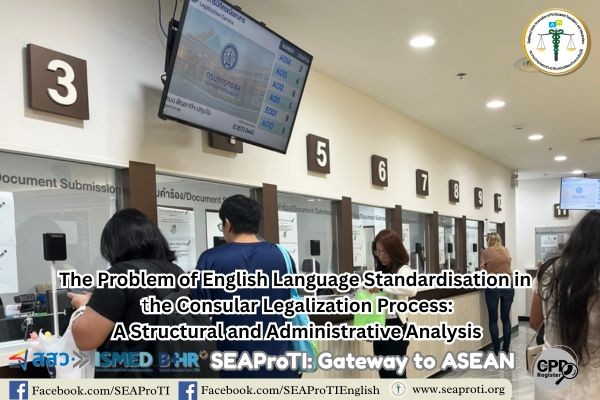
Another systemic issue concerns the presence of individuals or translation businesses positioned near government offices, often relying on informal familiarity with officials. When documents are rejected, citizens may be encouraged to abandon their original translators and engage alternative providers on site rather than returning to the original translator for revision. This practice undermines trust in professional translators and fosters unfair competition within the translation market.
Spatial Inconsistencies and Logistical Burdens
Many citizens commission translations in Bangkok but submit documents for legalisation in provincial offices. When revisions are required, coordination becomes difficult, necessitating repeated translations, certifications, and travel. These spatial inconsistencies impose unnecessary burdens and reflect the absence of user-centred administrative design.
Conclusion and Policy Recommendations
This article demonstrates that the burdens imposed on citizens in Thailand’s document translation and legalisation process do not primarily stem from user error or translator incompetence, but rather from policies lacking clear standards, defined professional roles, and a sound legal foundation. Systemic reform should therefore prioritise:
- Formal recognition and accreditation of professional translators;
- The abolition of the “anyone can translate” principle for legalisation purposes;
- Clear separation of roles among translators, translation certifiers, and reviewing authorities in accordance with the rule of law.
These reforms would reduce the burden on the public, enhance administrative efficiency, and strengthen the international credibility of Thailand’s document legalisation system.
References
- Council of Europe. (2020). Common European framework of reference for languages: Learning, teaching, assessment (Companion volume). Council of Europe Publishing.
- Denhardt, R. B., & Denhardt, J. V. (2015). The new public service: Serving, not steering (4th ed.). Routledge.
- Office of the Council of State. (2017). The principle of legality in administrative law. Bangkok: Office of the Council of State. [in Thai]
- Office of the Permanent Secretary, Ministry of Foreign Affairs. (2022). Guidelines on document legalisation. Bangkok: Ministry of Foreign Affairs. [in Thai]
About Certified Translators, Translation Certifiers, and Certified Interpreters of SEAProTI
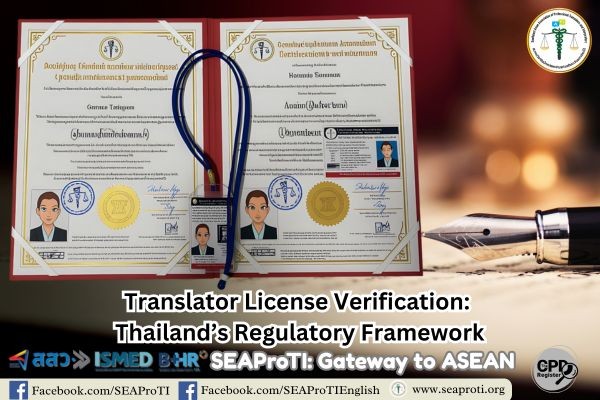
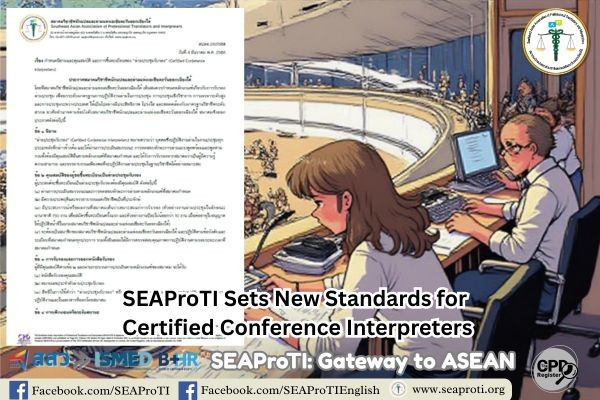
The Southeast Asian Association of Professional Translators and Interpreters (SEAProTI) has formally announced the qualifications and requirements for registration of Certified Translators, Translation Certification Providers, and Certified Interpreters in Sections 9 and 10 of the Royal Gazette, published by the Secretariat of the Cabinet, Office of the Prime Minister of Thailand, on 25 July 2024 (Vol. 141, Part 66 Ng, p. 100). Certified Translators, Translation Certification Providers, and Certified Interpreters
The Council of State has proposed the enactment of a Royal Decree, granting registered translators and recognised translation certifiers from professional associations or accredited language institutions the authority to provide legally valid translation certification (Letter to SEAProTI dated April 28, 2025)
SEAProTI is the first professional association in Thailand and Southeast Asia to implement a comprehensive certification system for translators, certifiers, and interpreters.
Head Office: Baan Ratchakru Building, No. 33, Room 402, Soi Phahonyothin 5, Phahonyothin Road, Phaya Thai District, Bangkok 10400, Thailand
Email: hello@seaproti.com | Tel.: (+66) 2-114-3128 (Office hours: Mon–Fri, 09:00–17:00)
การแปลเอกสารเพื่อการนิติกรณ์เอกสารในประเทศไทย: ภาระของประชาชนจากนโยบายที่ขาดโครงสร้างและฐานกฎหมายรองรับ
25 ธันวาคม 2568, กรุงเทพมหานคร – การนิติกรณ์เอกสารเป็นกลไกสำคัญในการรับรองความถูกต้องของเอกสารเพื่อใช้ในต่างประเทศ อย่างไรก็ตาม ในบริบทของประเทศไทย ขั้นตอนการแปลเอกสารกลับกลายเป็นภาระเชิงโครงสร้างที่ตกอยู่กับประชาชน ทั้งด้านค่าใช้จ่าย เวลา และความเสี่ยงทางกฎหมาย บทความนี้มุ่งวิเคราะห์ปัญหาดังกล่าวผ่านกรอบการบริหารกิจการบ้านเมืองที่ดี (good governance) และหลักความชอบด้วยกฎหมาย (legality) โดยชี้ให้เห็นว่า หลักการที่เปิดให้ “ใครแปลเอกสารก็ได้” ประกอบกับการตรวจแก้คำแปลโดยหน่วยงานรัฐที่ไม่มีฐานกฎหมายรองรับ ได้สร้างต้นทุนซ้ำซ้อนและบั่นทอนความเชื่อมั่นต่อระบบนิติกรณ์เอกสารอย่างเป็นระบบ
คำสำคัญ: การนิติกรณ์เอกสาร, การแปลเอกสาร, ภาระของประชาชน, มาตรฐานนักแปล, หลักนิติธรรม
ในยุคที่การเคลื่อนย้ายบุคคล การศึกษา และธุรกรรมข้ามพรมแดนเพิ่มสูงขึ้น การใช้เอกสารราชการในต่างประเทศจำเป็นต้องผ่านกระบวนการนิติกรณ์เอกสาร (document legalisation) เพื่อยืนยันความถูกต้องของเอกสารต้นทาง หนึ่งในขั้นตอนสำคัญของกระบวนการดังกล่าวคือ “การแปลเอกสาร” อย่างไรก็ตาม ระบบการแปลเอกสารเพื่อการนิติกรณ์ในประเทศไทยกลับก่อให้เกิดปัญหาเชิงโครงสร้างที่ส่งผลกระทบโดยตรงต่อประชาชนผู้ใช้บริการ
หลักการ “ใครแปลเอกสารก็ได้” และการผลักภาระให้ประชาชน
แนวปฏิบัติของหน่วยงานราชการนี้ที่เปิดให้บุคคลใดก็สามารถแปลเอกสารเพื่อนำไปนิติกรณ์ได้ สะท้อนแนวคิดเชิงเสรีที่ไม่กำหนดมาตรฐานผู้แปลอย่างเป็นทางการ แม้หลักการดังกล่าวจะถูกอธิบายว่าเป็นการอำนวยความสะดวกแก่ประชาชน แต่ในทางปฏิบัติกลับทำให้ประชาชนต้องแบกรับภาระทั้งหมด ตั้งแต่การคัดเลือกผู้แปล การประเมินคุณภาพ ไปจนถึงการรับความเสี่ยงหากคำแปลไม่ผ่านการพิจารณา
เมื่อรัฐไม่รับรองคุณวุฒิหรือสถานะผู้แปลอย่างชัดเจน ประชาชนจำนวนมากจึงเลือกนักแปลที่มีราคาต่ำ โดยคาดหวังว่าคำแปลจะถูกตรวจแก้โดยหน่วยงานรัฐในภายหลัง ซึ่งสะท้อนให้เห็นว่า ระบบไม่ได้ออกแบบมาเพื่อสร้างคุณภาพตั้งแต่ต้นทาง แต่กลับพึ่งพาการแก้ไขในปลายทางเป็นหลัก
การตรวจแก้คำแปลของรัฐและความล่าช้าเชิงกระบวนการ
จากหลักการที่เปิดให้ใครก็แปลได้ หน่วยงานรัฐจึงต้องทำหน้าที่ตรวจแก้คำแปลในเชิงเนื้อหาโดยปริยาย ส่งผลให้กระบวนการนิติกรณ์เอกสารจำนวนมากไม่สามารถแล้วเสร็จในครั้งเดียว แต่ต้องผ่านการตีกลับและแก้ไขหลายรอบ ความล่าช้านี้ขัดกับหลักประสิทธิภาพ (efficiency) ในการบริหารราชการ และสร้างต้นทุนด้านเวลาให้แก่ประชาชนอย่างมีนัยสำคัญ
ปัญหาค่าธรรมเนียมตรวจแก้และหลักความชอบด้วยกฎหมาย
ประเด็นสำคัญเชิงกฎหมายคือ การตรวจแก้คำแปลโดยหน่วยงานรัฐ ไม่ได้มีบทบัญญัติกฎหมายใดให้อำนาจไว้อย่างชัดแจ้ง การเรียกเก็บค่าธรรมเนียมในส่วนของการตรวจแก้คำแปลจึงเป็นประเด็นที่อาจขัดกับหลักความชอบด้วยกฎหมาย (legality principle) ซึ่งกำหนดให้การใช้อำนาจรัฐต้องมีฐานกฎหมายรองรับอย่างชัดเจน
กล่าวได้ว่า ความจำเป็นในการตรวจแก้คำแปลไม่ได้เกิดจากลักษณะงานโดยธรรมชาติ แต่เกิดจากนโยบายที่เปิดให้ใครแปลก็ได้ตั้งแต่ต้น จึงเป็นการสร้างปัญหาเชิงโครงสร้างแล้วผลักต้นทุนกลับไปให้ประชาชนผู้ใช้บริการ
บทบาททนายความและความเสี่ยงจากการรับรองคำแปลโดยผู้ที่ไม่ได้แปลเอง
ในทางปฏิบัติ พบว่าทนายความบางส่วนเข้าใจบทบาทหน้าที่ของตนคลาดเคลื่อน โดยรับรองคำแปลของนักแปล ทั้งที่ตนเองไม่ได้เป็นผู้แปลเอกสารนั้น การกระทำดังกล่าวไม่มีฐานกฎหมายรองรับ และขัดกับหลักความรับผิดชอบทางวิชาชีพ เนื่องจากผู้รับรองไม่สามารถรับประกันความถูกต้องของเนื้อหาที่ตนไม่ได้ผลิตขึ้น
ยิ่งไปกว่านั้น หากพิจารณาจากกรอบสมรรถนะทางภาษา เช่น Common European Framework of Reference for Languages (CEFR) จะพบว่าทักษะภาษาอังกฤษของผู้ประกอบวิชาชีพด้านกฎหมายจำนวนมากไม่ได้อยู่ในระดับที่เหมาะสมต่อการรับรองคำแปลเพื่อใช้ในต่างประเทศ ความเสี่ยงในการถูกปฏิเสธเอกสารจากหน่วยงานปลายทางจึงเพิ่มสูงขึ้นอย่างมีนัยสำคัญ
ปัญหาคนกลางหน้าเคาน์เตอร์และความไม่เป็นธรรมต่อวิชาชีพนักแปล
อีกประเด็นหนึ่งที่ส่งผลกระทบต่อระบบคือ การปรากฏของบุคคลหรือร้านแปลที่ยืนรอรับงานบริเวณหน้าหน่วยงานรัฐ โดยอาศัยความคุ้นเคยกับเจ้าหน้าที่ เมื่อเอกสารถูกตีกลับ ประชาชนมักถูกชักจูงให้เปลี่ยนผู้แปลใหม่ แทนที่จะกลับไปแก้ไขกับนักแปลเดิม สถานการณ์ดังกล่าวเป็นบ่อนทำลายความเชื่อมั่นต่อวิชาชีพนักแปล และสร้างการแข่งขันที่ไม่เป็นธรรมในระบบ
ความไม่สอดคล้องเชิงพื้นที่และภาระด้านโลจิสติกส์
ประชาชนจำนวนมากใช้บริการร้านแปลในกรุงเทพมหานคร แต่ต้องนำเอกสารไปยื่นนิติกรณ์ในต่างจังหวัด เมื่อเอกสารถูกสั่งแก้ไข การประสานงานกลับเป็นไปอย่างยากลำบาก ส่งผลให้ต้องแปลใหม่ รับรองใหม่ และเดินทางซ้ำหลายครั้ง ความไม่สอดคล้องเชิงพื้นที่นี้เพิ่มภาระโดยไม่จำเป็น และสะท้อนถึงการขาดการออกแบบระบบแบบผู้ใช้เป็นศูนย์กลาง (user-centered design)
สรุปและข้อเสนอเชิงนโยบาย
บทความนี้ชี้ให้เห็นว่า ภาระของประชาชนในกระบวนการแปลเอกสารเพื่อการนิติกรณ์ มิได้เกิดจากความบกพร่องของประชาชนหรือนักแปลเป็นหลัก หากแต่เป็นผลจากนโยบายที่ขาดมาตรฐาน บทบาท และฐานกฎหมายรองรับอย่างชัดเจน การปฏิรูประบบควรพิจารณาอย่างน้อยสามประการ ได้แก่
(1) การรับรองสถานะนักแปลอย่างเป็นทางการ
(2) การยุติหลักการ “ใครแปลก็ได้”
(3) การแยกบทบาทผู้แปล ผู้รับรองการแปล และผู้ตรวจอย่างชัดเจนตามหลักนิติธรรม
แนวทางดังกล่าวจะช่วยลดภาระของประชาชน เพิ่มประสิทธิภาพของรัฐ และยกระดับความน่าเชื่อถือของระบบนิติกรณ์เอกสารไทยในเวทีระหว่างประเทศ
เอกสารอ้างอิง
- Council of Europe. (2020). Common European framework of reference for languages: Learning, teaching, assessment (Companion volume). Council of Europe Publishing.
- Denhardt, R. B., & Denhardt, J. V. (2015). The new public service: Serving, not steering (4th ed.). Routledge.
- สำนักงานคณะกรรมการกฤษฎีกา. (2560). หลักความชอบด้วยกฎหมายในการใช้อำนาจทางปกครอง. กรุงเทพมหานคร: สำนักพิมพ์คณะกรรมการกฤษฎีกา.
- สำนักงานปลัดกระทรวงการต่างประเทศ. (2565). แนวปฏิบัติการนิติกรณ์เอกสาร. กรุงเทพมหานคร: กระทรวงการต่างประเทศ.
เกี่ยวกับนักแปลรับรอง ผู้รับรองการแปล และล่ามรับรองของสมาคมวิชาชีพนักแปลและล่ามแห่งเอเชียตะวันออกเฉียงใต้
สมาคมวิชาชีพนักแปลและล่ามแห่งเอเชียตะวันออกเฉียงใต้ (SEAProTI) ได้ประกาศหลักเกณฑ์และคุณสมบัติผู้ที่ขึ้นทะเบียนเป็น “นักแปลรับรอง (Certified Translators) และผู้รับรองการแปล (Translation Certification Providers) และล่ามรับรอง (Certified Interpreters)” ของสมาคม หมวดที่ 9 และหมวดที่ 10 ในราชกิจจานุเบกษา ของสำนักเลขาธิการคณะรัฐมนตรี ในสำนักนายกรัฐมนตรี แห่งราชอาณาจักรไทย ลงวันที่ 25 ก.ค. 2567 เล่มที่ 141 ตอนที่ 66 ง หน้า 100 อ่านฉบับเต็มได้ที่: นักแปลรับรอง ผู้รับรองการแปล และล่ามรับรอง
สำนักคณะกรรมการกฤษฎีกา เสนอให้ตราเป็นพระราชกฤษฎีกา โดยกำหนดให้นักแปลที่ขึ้นทะเบียน รวมถึงผู้รับรองการแปลจากสมาคมวิชาชีพหรือสถาบันสอนภาษาที่มีการอบรมและขึ้นทะเบียน สามารถรับรองคำแปหฟลได้ (จดหมายถึงสมาคม SEAProTI ลงวันที่ 28 เม.ย. 2568)
สมาคมวิชาชีพนักแปลและล่ามแห่งเอเชียตะวันออกเฉียงใต้ เป็นสมาคมวิชาชีพแห่งแรกและแห่งเดียวในประเทศไทยและภูมิภาคเอเชียตะวันออกเฉียงใต้ที่มีระบบรับรองนักแปลรับรอง ผู้รับรองการแปล และล่ามรับรอง
สำนักงานใหญ่: อาคารบ้านราชครู เลขที่ 33 ห้อง 402 ซอยพหลโยธิน 5 ถนนพหลโยธิน แขวงพญาไท เขตพญาไท กรุงเทพมหานคร 10400 ประเทศไทย
อีเมล: hello@seaproti.com โทรศัพท์: (+66) 2-114-3128 (เวลาทำการ: วันจันทร์–วันศุกร์ เวลา 09.00–17.00 น.