


“Speaking Two Languages” as a Skill versus “Professional Interpreting” as a Profession Requiring Training, Examination, and Certification by Professional Bodies: An Analysis of Standards, Ethics, and the Misrepresentation of Qualifications in the Translation and Interpreting Profession
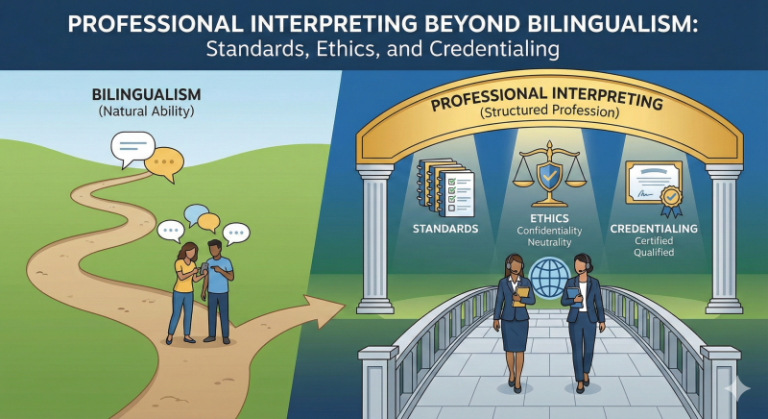
3 January 2025, Bangkok — The demand for translation and interpreting services continues to rise steadily in medical, legal, and public service contexts. Nevertheless, a widespread misconception persists: the tendency to equate “being bilingual” with being “ready to work as a professional interpreter.” This article aims to analyse the conceptual and structural distinctions between bilingualism as a linguistic skill and interpreting as a profession. Particular emphasis is placed on the roles of formal training, certification examinations, and ethical governance, as well as on the growing problem of individuals misrepresenting themselves as professional or certified translators and interpreters. Such practices directly affect the quality of communication, the rights of service users, and the overall credibility of the profession. The article argues that strengthening professional standards and certification mechanisms through professional associations is a critical condition for public protection and for sustaining the professional status of translation and interpreting.
Keywords: professional interpreting, bilingualism, interpreting ethics, professional certification, misrepresentation of qualifications
In an era of globalisation, the ability to use more than one language has become a valuable labour resource. However, language use in professional contexts that directly affect individual rights, health, and liberty requires far more than linguistic fluency alone. The misconception that anyone who speaks two languages can immediately function as an interpreter represents a structural problem that is widely observed and has led to numerous communication failures and ethical violations. This article raises a central academic question: why must professional interpreting rely on systematic training, assessment, and certification?
Bilingualism and Professional Interpreting
Research in interpreting studies clearly demonstrates that bilingualism is a necessary but insufficient condition for professional interpreting (Pöchhacker, 2016). Interpreting is a communicative process that involves managing cognitive load, real-time processing, and severe time constraints. It therefore requires specialised training in skills such as segmentation of meaning units, control of grammatical person, and the accurate, complete, and impartial transfer of messages.
Professional interpreters are not merely “language users,” but rather managers of communication, operating within defined professional standards and bearing responsibility to the public.
Professional Standards and the Interpreter’s Role
International interpreting standards define the interpreter’s role as one of faithful message transfer, emphasising accuracy, completeness, and neutrality. Deviations from this role frequently result in ethical breaches, particularly among novice practitioners. Common errors include:
- The use of third-person narration instead of first-person speech, which shifts the interpreter from being the speaker’s voice to a narrator
- Explanatory intervention or unsolicited advice, which violates the principle of neutrality
- Summarising messages rather than conveying them in full, thereby omitting critical information, especially in legal and medical contexts
These errors illustrate that interpreting competence must be developed through structured training rather than assumed on the basis of language proficiency alone.
Interpreting Ethics and Public Responsibility
Professional ethics form the core of interpreting practice. Interpreters must recognise that communication failures may lead to misdiagnosis, unjust legal outcomes, or violations of fundamental rights (Hale, 2014). Adhering strictly to professional role boundaries and refusing to perform tasks beyond those boundaries are, therefore, direct obligations owed to both service users and society at large.
The Problem of Misrepresentation in the Translation and Interpreting Profession
In many countries where interpreting is not regulated through statutory licensing systems, the misrepresentation of oneself as a “professional translator” or “certified interpreter” without appropriate training or professional certification has become a serious issue. Such misrepresentation not only misleads service users but also undermines the profession’s capacity for self-regulation in the long term and erodes public trust in professional language services.
The Role of Training, Examination, and Professional Certification
Professional associations play a crucial role in setting and enforcing standards through structured training programs, competency assessments, and certification or registration systems. These mechanisms distinguish individuals who merely possess language skills from those who meet professional standards of practice. Consequently, service users should verify the credentials and professional status of translators and interpreters through reputable professional bodies prior to engagement.
Conclusion
This article argues that while bilingualism constitutes a foundational skill, professional interpreting requires systematic training, formal assessment, and recognised certification. Addressing the problem of misrepresented qualifications demands both strong professional institutions and heightened public awareness. Ultimately, maintaining professional standards and ethical integrity not only elevates the translation and interpreting profession but also serves to protect individual rights and uphold social justice.
References
- Angelelli, C. V. (2004). Medical interpreting and cross-cultural communication. Cambridge University Press.
- Hale, S. B. (2014). The discourse of court interpreting. John Benjamins Publishing Company.
- Pöchhacker, F. (2016). Introducing interpreting studies (2nd ed.). Routledge.
About Certified Translators, Translation Certifiers, and Certified Interpreters of SEAProTI
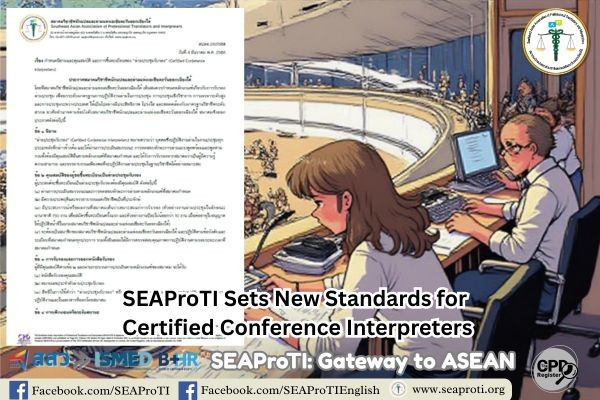
The Southeast Asian Association of Professional Translators and Interpreters (SEAProTI) has formally announced the qualifications and requirements for registration of Certified Translators, Translation Certification Providers, and Certified Interpreters in Sections 9 and 10 of the Royal Gazette, published by the Secretariat of the Cabinet, Office of the Prime Minister of Thailand, on 25 July 2024 (Vol. 141, Part 66 Ng, p. 100). Certified Translators, Translation Certification Providers, and Certified Interpreters
The Council of State has proposed the enactment of a Royal Decree, granting registered translators and recognised translation certifiers from professional associations or accredited language institutions the authority to provide legally valid translation certification (Letter to SEAProTI dated April 28, 2025)
SEAProTI is the first professional association in Thailand and Southeast Asia to implement a comprehensive certification system for translators, certifiers, and interpreters.
Head Office: Baan Ratchakru Building, No. 33, Room 402, Soi Phahonyothin 5, Phahonyothin Road, Phaya Thai District, Bangkok 10400, Thailand
Email: hello@seaproti.com | Tel.: (+66) 2-114-3128 (Office hours: Mon–Fri, 09:00–17:00)
“การพูดได้สองภาษา” ในฐานะทักษะ กับ “การเป็นล่ามวิชาชีพ” ที่ต้องฝึกฝน สอบ และรับการรับรองโดยหน่วยงานวิชาชีพ:
บทวิเคราะห์เชิงมาตรฐาน จริยธรรม และการแอบอ้างคุณวุฒิในวิชาชีพการแปลและการล่าม
3 มกราคม 2568, กรุงเทพมหานคร – ความต้องการบริการแปลและล่ามเพิ่มสูงขึ้นอย่างต่อเนื่องในบริบทการแพทย์ กฎหมาย และการบริการสาธารณะ อย่างไรก็ตาม ยังปรากฏความเข้าใจผิดอย่างแพร่หลายที่เหมารวม “การพูดได้สองภาษา” เข้ากับ “ความพร้อมในการเป็นล่ามวิชาชีพ” บทความนี้มีวัตถุประสงค์เพื่อวิเคราะห์ความแตกต่างเชิงแนวคิดและเชิงโครงสร้างระหว่างทักษะสองภาษา (bilingualism) กับการล่ามในฐานะวิชาชีพ (professional interpreting) โดยเน้นบทบาทของการฝึกอบรม การสอบรับรอง และการกำกับจริยธรรม ตลอดจนวิเคราะห์ปัญหาการแอบอ้างคุณวุฒิเป็นนักแปลหรือล่ามวิชาชีพ ซึ่งส่งผลต่อคุณภาพการสื่อสาร สิทธิของผู้รับบริการ และความน่าเชื่อถือของวิชาชีพโดยรวม บทความเสนอว่าการยกระดับมาตรฐานและกลไกการรับรองโดยองค์กรวิชาชีพเป็นเงื่อนไขสำคัญในการคุ้มครองสาธารณะและธำรงความเป็นวิชาชีพของการแปลและการล่าม
คำสำคัญ: การล่ามวิชาชีพ, ทักษะสองภาษา, จริยธรรมการล่าม, การรับรองวิชาชีพ, การแอบอ้างคุณวุฒิ
ในโลกยุคโลกาภิวัตน์ ความสามารถในการใช้มากกว่าหนึ่งภาษาเป็นทรัพยากรสำคัญของแรงงาน อย่างไรก็ตาม การใช้ภาษาในบริบทวิชาชีพที่มีผลต่อสิทธิ สุขภาพ และเสรีภาพของบุคคล จำเป็นต้องอาศัยมากกว่าความคล่องแคล่วทางภาษา ความเข้าใจผิดที่ว่าผู้ที่พูดได้สองภาษาสามารถทำหน้าที่ล่ามได้ทันที เป็นปัญหาเชิงโครงสร้างที่พบได้ทั่วไป และเป็นที่มาของความผิดพลาดด้านการสื่อสารและจริยธรรมในหลายกรณี บทความนี้ตั้งคำถามเชิงวิชาการว่า เหตุใด “การเป็นล่ามวิชาชีพ” จึงต้องอาศัยการฝึกฝน การประเมิน และการรับรองอย่างเป็นระบบ
ทักษะสองภาษา (Bilingualism) กับการล่ามวิชาชีพ (Professional Interpreting)
งานศึกษาด้าน Interpreting Studies ชี้ชัดว่า bilingualism เป็นเพียงเงื่อนไขเบื้องต้น มิใช่เงื่อนไขเพียงพอของการเป็นล่าม (Pöchhacker, 2016) การล่ามเป็นกระบวนการสื่อสารที่ต้องจัดการกับภาระทางปัญญา (cognitive load) การประมวลผลแบบเรียลไทม์ และข้อจำกัดด้านเวลา ซึ่งต้องอาศัยการฝึกทักษะเฉพาะทาง เช่น การแบ่งหน่วยความหมาย การคุมบุรุษสรรพนาม และการถ่ายทอดสารอย่างครบถ้วนและเป็นกลาง
ล่ามวิชาชีพจึงไม่ใช่ “ผู้รู้ภาษา” แต่เป็น “ผู้จัดการการสื่อสาร” ภายใต้กรอบมาตรฐานและความรับผิดชอบต่อสาธารณะ
มาตรฐานและบทบาทของล่ามในเชิงวิชาชีพ
มาตรฐานสากลของการล่ามกำหนดบทบาทล่ามเป็นผู้ถ่ายทอดสารอย่างตรงไปตรงมา (accuracy) ครบถ้วน (completeness) และเป็นกลาง (neutrality) การเบี่ยงเบนจากบทบาทดังกล่าวนำไปสู่ข้อผิดพลาดเชิงจริยธรรมที่พบบ่อยในผู้เริ่มต้น ได้แก่
การใช้บุรุษที่สามแทนบุรุษที่หนึ่ง ซึ่งเปลี่ยนล่ามจาก “เสียงของผู้พูด” เป็นผู้บรรยาย
การแทรกแซงเชิงอธิบายหรือให้คำแนะนำ ซึ่งละเมิดหลักความเป็นกลาง
การสรุปสารแทนการถ่ายทอดทั้งหมด ซึ่งลดทอนข้อมูลสำคัญ โดยเฉพาะในบริบทกฎหมายและการแพทย์
ข้อผิดพลาดเหล่านี้สะท้อนว่าการล่ามต้องอาศัยการฝึกฝนเชิงระบบ มิใช่เพียงความสามารถทางภาษา
จริยธรรมการล่ามและความรับผิดชอบต่อสาธารณะ
จริยธรรมวิชาชีพเป็นแกนกลางของการล่าม ล่ามต้องตระหนักว่าการสื่อสารที่คลาดเคลื่อนอาจส่งผลต่อการวินิจฉัยทางการแพทย์ การตัดสินคดี หรือสิทธิขั้นพื้นฐานของบุคคล (Hale, 2014) ดังนั้น การยึดมั่นในบทบาท ขอบเขตหน้าที่ และการปฏิเสธการทำหน้าที่เกินขอบเขต จึงเป็นความรับผิดชอบโดยตรงต่อผู้รับบริการและสังคม
ปัญหาการแอบอ้างคุณวุฒิในวิชาชีพการแปลและการล่าม
ในหลายประเทศที่ยังไม่มีระบบใบอนุญาตตามกฎหมายสำหรับล่าม ปรากฏการณ์การแอบอ้างเป็น “นักแปลวิชาชีพ” หรือ “นักแปลรับรอง” โดยปราศจากการฝึกอบรมหรือการรับรองจากองค์กรวิชาชีพ เป็นปัญหาที่ส่งผลกระทบอย่างรุนแรงต่อความน่าเชื่อถือของวิชาชีพ การแอบอ้างดังกล่าวไม่เพียงสร้างความเข้าใจผิดแก่ผู้ใช้บริการ แต่ยังบ่อนทำลายกลไกการกำกับตนเอง (self-regulation) ของวิชาชีพในระยะยาว
บทบาทของการฝึกอบรม การสอบ และการรับรองโดยองค์กรวิชาชีพ
องค์กรวิชาชีพทำหน้าที่เป็นกลไกสำคัญในการกำหนดมาตรฐาน ผ่านกระบวนการฝึกอบรม การประเมินสมรรถนะ และการออกใบรับรองหรือการขึ้นทะเบียนผู้ประกอบวิชาชีพ กลไกเหล่านี้ช่วยแยก “ผู้มีทักษะทางภาษา” ออกจาก “ผู้มีความพร้อมเชิงวิชาชีพ” และเป็นเครื่องมือคุ้มครองสาธารณะ ผู้ใช้บริการจึงควรตรวจสอบสถานะและคุณวุฒิของนักแปลหรือล่ามจากแหล่งข้อมูลขององค์กรวิชาชีพที่น่าเชื่อถือก่อนใช้บริการทุกครั้ง
บทสรุป
บทความนี้เสนอว่า การเป็นคนสองภาษาเป็นเพียงฐานทักษะ ขณะที่การเป็นล่ามวิชาชีพต้องอาศัยการฝึกฝน การสอบประเมิน และการรับรองตามมาตรฐาน การแก้ไขปัญหาการแอบอ้างคุณวุฒิจำเป็นต้องอาศัยทั้งความเข้มแข็งขององค์กรวิชาชีพและความตระหนักรู้ของผู้ใช้บริการ ในท้ายที่สุด การธำรงมาตรฐานและจริยธรรมไม่เพียงยกระดับวิชาชีพการแปลและการล่าม แต่ยังเป็นการคุ้มครองสิทธิและความเป็นธรรมของสังคมโดยรวม
- Angelelli, C. V. (2004). Medical interpreting and cross-cultural communication. Cambridge University Press.
- Hale, S. B. (2014). The discourse of court interpreting. John Benjamins Publishing Company.
- Pöchhacker, F. (2016). Introducing interpreting studies (2nd ed.). Routledge.
สมาคมวิชาชีพนักแปลและล่ามแห่งเอเชียตะวันออกเฉียงใต้ (SEAProTI) ได้ประกาศหลักเกณฑ์และคุณสมบัติผู้ที่ขึ้นทะเบียนเป็น “นักแปลรับรอง (Certified Translators) และผู้รับรองการแปล (Translation Certification Providers) และล่ามรับรอง (Certified Interpreters)” ของสมาคม หมวดที่ 9 และหมวดที่ 10 ในราชกิจจานุเบกษา ของสำนักเลขาธิการคณะรัฐมนตรี ในสำนักนายกรัฐมนตรี แห่งราชอาณาจักรไทย ลงวันที่ 25 ก.ค. 2567 เล่มที่ 141 ตอนที่ 66 ง หน้า 100 อ่านฉบับเต็มได้ที่: นักแปลรับรอง ผู้รับรองการแปล และล่ามรับรอง
สำนักคณะกรรมการกฤษฎีกา เสนอให้ตราเป็นพระราชกฤษฎีกา โดยกำหนดให้นักแปลที่ขึ้นทะเบียน รวมถึงผู้รับรองการแปลจากสมาคมวิชาชีพหรือสถาบันสอนภาษาที่มีการอบรมและขึ้นทะเบียน สามารถรับรองคำแปลได้ (จดหมายถึงสมาคม SEAProTI ลงวันที่ 28 เม.ย. 2568)
สมาคมวิชาชีพนักแปลและล่ามแห่งเอเชียตะวันออกเฉียงใต้ เป็นสมาคมวิชาชีพแห่งแรกและแห่งเดียวในประเทศไทยและภูมิภาคเอเชียตะวันออกเฉียงใต้ที่มีระบบรับรองนักแปลรับรอง ผู้รับรองการแปล และล่ามรับรอง
สำนักงานใหญ่: อาคารบ้านราชครู เลขที่ 33 ห้อง 402 ซอยพหลโยธิน 5 ถนนพหลโยธิน แขวงพญาไท เขตพญาไท กรุงเทพมหานคร 10400 ประเทศไทย
อีเมล: hello@seaproti.com โทรศัพท์: (+66) 2-114-3128 (เวลาทำการ: วันจันทร์–วันศุกร์ เวลา 09.00–17.00 น.