



Corruption in Company Registration, Nominee Structures, and Fraudulent Translations: A Silent Cycle Undermining Thailand’s Economy
In principle, company registration should function as a gateway that allows legitimate capital and lawful entrepreneurs to operate on a fair and regulated basis. In practice, however, the system has often been exploited as a “back door” for grey capital, particularly foreign capital restricted by ownership laws, through the use of Thai nominees who appear as shareholders on paper while having no real control. In many such cases, the individuals listed in the corporate registry are not the true owners, while the actual beneficiaries remain entirely invisible to the Thai legal system.
When ownership structures lack transparency, law enforcement inevitably weakens. State authorities are unable to identify the true beneficiaries when tax evasion, money laundering, or other illegal activities occur. The economic and social costs are borne by the state and the public, while those truly responsible can simply withdraw from the foreground, leaving nominees to absorb legal liability.
What intensifies this problem is the role of translated documents in the company registration process, particularly documents originating abroad such as certificates of incorporation, powers of attorney, or shareholder identification records. These documents must be translated into Thai, yet Thailand’s system for certifying translations leaves ample room for manipulation, whether in content, seals, or translator credentials.
In many cases, translations do not faithfully reflect the source texts. Information may be selectively altered to suit the objectives of those submitting the registration, for example, by downplaying the role of foreign shareholders, omitting clauses that indicate control, or even fabricating entire document sets under the guise of legitimate translations. Once such documents pass through administrative procedures and receive official acceptance, falsehoods are transformed into “legal truth.”
The economic consequences of this cycle are multifaceted. At the macro level, Thailand loses tax revenue to businesses that shift profits abroad through nominee structures. Legitimate investors lose confidence in a system where they must compete against entities that use illegal arrangements to reduce costs and bypass regulations. Over time, Thailand’s international reputation suffers, increasingly viewed as a jurisdiction with weak enforcement and heightened risks of money laundering and financial misconduct.
At the micro level, the damage extends directly to professional communities, particularly translators and language practitioners. When the system allows virtually anyone to issue certified translations without meaningful standards or oversight, the credibility of the entire translation profession is undermined. Ethical, professional translators are forced to compete with those willing to distort documents for short-term gain, turning the translation market itself into yet another grey zone.
If left unaddressed, this problem will continue to produce an economy built on fragile foundations. Investment figures may appear attractive in the short term, but the quality of that investment will be low and inherently unstable. Addressing the issue therefore requires more than sporadic enforcement actions; it demands structural reform strengthening mechanisms to identify beneficial ownership, closing nominee loopholes, and establishing a robust, transparent, and traceable system for translation certification.
A resilient economy cannot be built on forged documents and fictitious identities. Restoring confidence must begin with acknowledging the reality of this problem and having the courage to dismantle the structures that allow falsehoods to function as economic mechanisms. If action is not taken today, the cost Thailand will pay in the future will be far greater than anticipated.
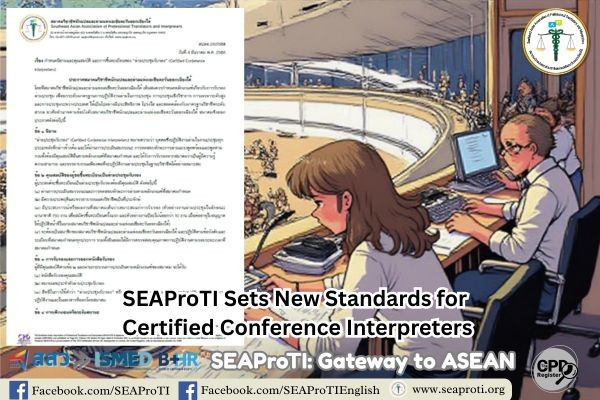
The Southeast Asian Association of Professional Translators and Interpreters (SEAProTI) has formally announced the qualifications and requirements for registration of Certified Translators, Translation Certification Providers, and Certified Interpreters in Sections 9 and 10 of the Royal Gazette, published by the Secretariat of the Cabinet, Office of the Prime Minister of Thailand, on 25 July 2024 (Vol. 141, Part 66 Ng, p. 100). Certified Translators, Translation Certification Providers, and Certified Interpreters
The Council of State has proposed the enactment of a Royal Decree, granting registered translators and recognised translation certifiers from professional associations or accredited language institutions the authority to provide legally valid translation certification (Letter to SEAProTI dated April 28, 2025)
SEAProTI is the first professional association in Thailand and Southeast Asia to implement a comprehensive certification system for translators, certifiers, and interpreters.
Head Office: Baan Ratchakru Building, No. 33, Room 402, Soi Phahonyothin 5, Phahonyothin Road, Phaya Thai District, Bangkok 10400, Thailand
Email: hello@seaproti.com | Tel.: (+66) 2-114-3128 (Office hours: Mon–Fri, 09:00–17:00)
การคอร์รัปชันในการจดทะเบียนบริษัท นอมินี และการปลอมเอกสารแปล: วงจรเงียบที่บ่อนทำลายเศรษฐกิจไทย
27 ธันวาคม 2568, กรุงเทพมหานคร – การคอร์รัปชันในแวดวงการจดทะเบียนบริษัทของไทยไม่ใช่เรื่องใหม่ หากแต่เป็นปัญหาเชิงโครงสร้างที่ฝังรากลึกและพัฒนาไปตามช่องโหว่ของกฎหมาย เทคโนโลยี และระบบราชการ หนึ่งในรูปแบบที่อันตรายที่สุดคือการใช้ “นอมินี” ควบคู่กับการจัดทำและใช้เอกสารแปลที่สามารถปลอมแปลงได้อย่างแนบเนียน ปัญหานี้ไม่ได้ส่งผลเพียงต่อความโปร่งใสของภาคธุรกิจ แต่ยังกัดกร่อนความเชื่อมั่นทางเศรษฐกิจของประเทศในระดับลึกและยาวนาน
ในเชิงโครงสร้าง การจดทะเบียนบริษัทควรเป็นกลไกที่เปิดโอกาสให้ทุนและผู้ประกอบการที่ถูกต้องตามกฎหมายเข้ามาดำเนินกิจการอย่างเป็นธรรม แต่ในทางปฏิบัติ ระบบนี้กลับถูกใช้เป็น “ประตูหลัง” ให้ทุนสีเทา โดยเฉพาะทุนต่างชาติที่กฎหมายจำกัดสัดส่วนการถือหุ้น ใช้วิธีตั้งคนไทยเป็นนอมินีในเอกสาร เพื่ออำพรางความเป็นเจ้าของที่แท้จริง บริษัทจำนวนไม่น้อยจึงไม่ได้เป็นของผู้ที่มีชื่อในทะเบียน แต่เป็นของผู้ที่ไม่ปรากฏตัวในระบบกฎหมายไทยเลย
เมื่อโครงสร้างการถือหุ้นไม่โปร่งใส การบังคับใช้กฎหมายย่อมอ่อนแรง หน่วยงานรัฐไม่สามารถระบุตัวผู้รับผลประโยชน์ที่แท้จริงได้ หากเกิดการหลีกเลี่ยงภาษี ฟอกเงิน หรือใช้บริษัทเป็นเครื่องมือในกิจกรรมผิดกฎหมาย ความเสียหายจึงตกอยู่กับรัฐและสังคมโดยรวม ขณะที่ผู้กระทำผิดสามารถถอยออกจากฉากหน้าได้อย่างง่ายดาย ปล่อยให้ “นอมินี” รับภาระความผิดแทน
สิ่งที่ทำให้ปัญหานี้รุนแรงขึ้น คือบทบาทของเอกสารแปลในกระบวนการจดทะเบียนบริษัท โดยเฉพาะเอกสารจากต่างประเทศ เช่น หนังสือรับรองบริษัท หนังสือมอบอำนาจ หรือเอกสารยืนยันตัวตนของผู้ถือหุ้น เอกสารเหล่านี้ต้องผ่านการแปลเป็นภาษาไทย แต่ระบบการรับรองคำแปลในไทยยังเปิดช่องให้เกิดการปลอมแปลงได้ง่าย ทั้งในแง่ของเนื้อหา ตราประทับ และชื่อผู้แปล
ในหลายกรณี คำแปลไม่ได้สะท้อนเนื้อหาต้นฉบับอย่างถูกต้อง บางครั้งมีการ “ปรับ” ข้อมูลให้สอดคล้องกับวัตถุประสงค์ของผู้ยื่นจดทะเบียน เช่น การลดบทบาทของผู้ถือหุ้นต่างชาติ การตัดข้อความที่บ่งชี้อำนาจควบคุม หรือแม้แต่การสร้างเอกสารขึ้นใหม่ทั้งชุดโดยอ้างว่าเป็นคำแปลจากต้นฉบับจริง เมื่อเอกสารเหล่านี้ถูกใช้ผ่านระบบราชการและได้รับการรับรอง ความเท็จจึงกลายเป็น “ความจริงทางกฎหมาย”
ผลกระทบทางเศรษฐกิจจากวงจรนี้มีหลายระดับ ในระดับมหภาค ประเทศสูญเสียรายได้ภาษีจากธุรกิจที่โอนกำไรออกนอกประเทศผ่านโครงสร้างนอมินี นักลงทุนที่สุจริตขาดความเชื่อมั่นในระบบการแข่งขัน เพราะต้องเผชิญกับคู่แข่งที่ใช้โครงสร้างผิดกฎหมายเพื่อลดต้นทุนและหลบเลี่ยงกฎเกณฑ์ ในระยะยาว ภาพลักษณ์ของไทยในสายตานานาชาติถูกมองว่าเป็นประเทศที่บังคับใช้กฎหมายไม่จริงจัง และเป็นพื้นที่เสี่ยงสำหรับการฟอกเงินหรือกิจกรรมทางการเงินที่ไม่โปร่งใส
ในระดับจุลภาค ความเสียหายยังตกกับวิชาชีพที่เกี่ยวข้องโดยตรง โดยเฉพาะนักแปลและผู้ประกอบวิชาชีพด้านภาษา เมื่อระบบเปิดช่องให้ใครก็ได้ออกตรารับรองคำแปลโดยไม่มีการตรวจสอบมาตรฐาน ความน่าเชื่อถือของงานแปลทั้งระบบจึงถูกลดทอน นักแปลมืออาชีพที่ยึดมั่นในจริยธรรมต้องแข่งขันกับผู้ที่ยอมบิดเบือนเอกสารเพื่อผลประโยชน์ระยะสั้น ซึ่งสุดท้ายทำให้ตลาดงานแปลกลายเป็นพื้นที่สีเทาเช่นเดียวกับการจดทะเบียนบริษัท
หากปล่อยให้ปัญหานี้ดำเนินต่อไปโดยไม่มีการแก้ไขเชิงโครงสร้าง ไทยจะเผชิญกับเศรษฐกิจที่เติบโตบนฐานที่เปราะบาง ตัวเลขการลงทุนอาจดูสวยงามในระยะสั้น แต่คุณภาพของการลงทุนจะต่ำและเสี่ยงต่อการพังทลายในระยะยาว การแก้ไขปัญหาจึงไม่ใช่เพียงการจับกุมเป็นรายกรณี แต่ต้องเริ่มจากการยกระดับระบบตรวจสอบผู้ถือหุ้นที่แท้จริง การปิดช่องโหว่นอมินี และการสร้างระบบรับรองคำแปลที่มีมาตรฐาน โปร่งใส และตรวจสอบย้อนกลับได้
เศรษฐกิจที่เข้มแข็งไม่อาจตั้งอยู่บนเอกสารปลอมและตัวตนที่ไม่จริง การฟื้นฟูความเชื่อมั่นต้องเริ่มจากการยอมรับว่าปัญหานี้มีอยู่จริง และกล้าที่จะรื้อโครงสร้างที่เอื้อให้ความเท็จกลายเป็นกลไกทางเศรษฐกิจ หากไม่ทำวันนี้ ต้นทุนที่ประเทศไทยต้องจ่ายในวันหน้าจะสูงกว่าที่คิดมากนัก
เกี่ยวกับนักแปลรับรอง ผู้รับรองการแปล และล่ามรับรองของสมาคมวิชาชีพนักแปลและล่ามแห่งเอเชียตะวันออกเฉียงใต้
สมาคมวิชาชีพนักแปลและล่ามแห่งเอเชียตะวันออกเฉียงใต้ (SEAProTI) ได้ประกาศหลักเกณฑ์และคุณสมบัติผู้ที่ขึ้นทะเบียนเป็น “นักแปลรับรอง (Certified Translators) และผู้รับรองการแปล (Translation Certification Providers) และล่ามรับรอง (Certified Interpreters)” ของสมาคม หมวดที่ 9 และหมวดที่ 10 ในราชกิจจานุเบกษา ของสำนักเลขาธิการคณะรัฐมนตรี ในสำนักนายกรัฐมนตรี แห่งราชอาณาจักรไทย ลงวันที่ 25 ก.ค. 2567 เล่มที่ 141 ตอนที่ 66 ง หน้า 100 อ่านฉบับเต็มได้ที่: นักแปลรับรอง ผู้รับรองการแปล และล่ามรับรอง
สำนักคณะกรรมการกฤษฎีกา เสนอให้ตราเป็นพระราชกฤษฎีกา โดยกำหนดให้นักแปลที่ขึ้นทะเบียน รวมถึงผู้รับรองการแปลจากสมาคมวิชาชีพหรือสถาบันสอนภาษาที่มีการอบรมและขึ้นทะเบียน สามารถรับรองคำแปหฟลได้ (จดหมายถึงสมาคม SEAProTI ลงวันที่ 28 เม.ย. 2568)
สมาคมวิชาชีพนักแปลและล่ามแห่งเอเชียตะวันออกเฉียงใต้ เป็นสมาคมวิชาชีพแห่งแรกและแห่งเดียวในประเทศไทยและภูมิภาคเอเชียตะวันออกเฉียงใต้ที่มีระบบรับรองนักแปลรับรอง ผู้รับรองการแปล และล่ามรับรอง
สำนักงานใหญ่: อาคารบ้านราชครู เลขที่ 33 ห้อง 402 ซอยพหลโยธิน 5 ถนนพหลโยธิน แขวงพญาไท เขตพญาไท กรุงเทพมหานคร 10400 ประเทศไทย
อีเมล: hello@seaproti.com โทรศัพท์: (+66) 2-114-3128 (เวลาทำการ: วันจันทร์–วันศุกร์ เวลา 09.00–17.00 น.