


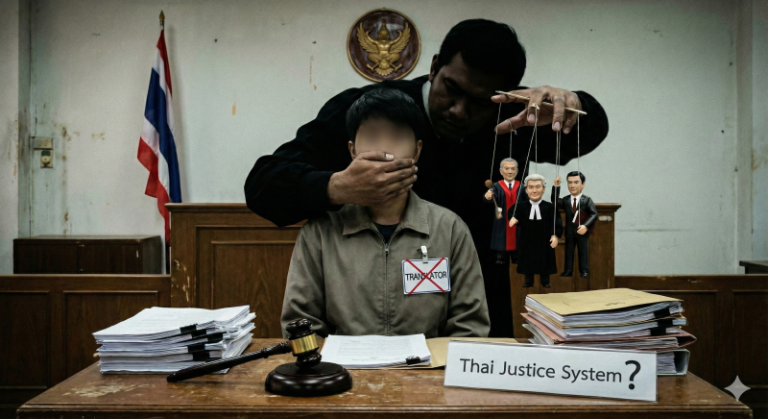
Misrepresentation of Legally Recognized Translator Status:
A Legal and Professional Standards Analysis and Its Impact on the Thai Justice System
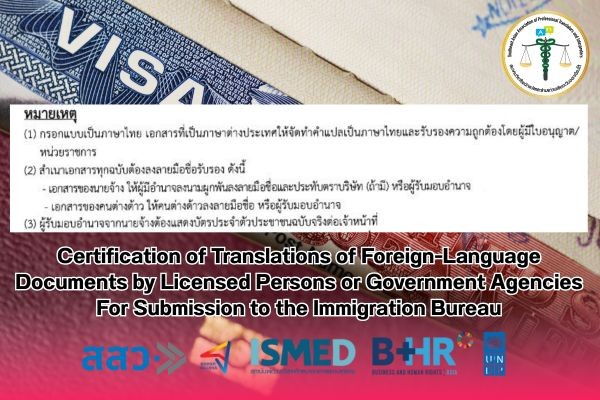
3 January 2026, Bangkok—In recent years, promotional statements and explanations by certain translation agencies in Thailand have claimed that translated documents submitted to Thai government authorities must be prepared exclusively by “court interpreters” or “legally recognized persons”; otherwise, such documents may not be accepted. This article aims to critically examine these claims from legal and professional perspectives. It demonstrates that Thai law does not grant court interpreters exclusive authority over document translation and clarifies the roles of certified translators and translation certification. Providers as professional quality-assurance mechanisms are aligned with the rule of law and the protection of citizens’ rights.
Keywords: translation certification, certified translators, court interpreters, professional standards, Thai justice system
Document translation for use in legal, administrative, and international contexts carries direct legal consequences. Even minor inaccuracies may significantly affect individuals’ rights, obligations, and legal status. Nevertheless, within the Thai context, widespread misunderstanding persists regarding the status of “legally recognized translators,” particularly the assumption that only court interpreters are authorized to produce translations acceptable to government agencies.
The Legal Status of Court Interpreters in Thailand
Court interpreters perform oral interpretation during judicial proceedings to safeguard the rights of parties and witnesses to understand and participate effectively in court hearings. Accordingly, court interpreters function as judicial assistants within adjudicatory processes rather than as professionals holding exclusive authority over document translation.
Crucially, no Thai statute provides that:
- translated documents must be prepared solely by court interpreters; or
- Translations produced by other individuals are legally invalid or inadmissible for submission to government authorities.
Therefore, invoking court interpreter status to imply superior or exclusive legal authority over other translators constitutes an overextension beyond what the law prescribes.
Proper Principles of Translation Certification
Although Thai law does not impose monopolistic qualifications on translators, professional standards dictate that translated documents should be produced by individuals whose qualifications and accountability can be verified. In this framework:
- Certified Translators are responsible for producing translations, and
- Translation Certification Providers are responsible for certifying the accuracy and integrity of such translations.
This system has been developed and regulated by the Southeast Asian Association of Professional Translators and Interpreters, which establishes structured processes for training, examination, and professional certification.
Distinguishing Certified Translators from General Translators
- Certified Translators and Translation Certification Providers are required to undergo:
- specialized training in legal and official document translation;
- formal competency examinations; and
- professional ethical regulation and accountability mechanisms.
By contrast, certain translator registration practices in Thailand rely primarily on academic credentials—such as overseas degrees or high academic ranks—without mandatory training or assessment in legal translation. As a result, such practitioners may lack an adequate understanding of the legal consequences embedded in translated texts.
These practices not only diminish translation quality but also pose potential risks to judicial processes and the rights of litigants and applicants.
Legal Status of the Certification System
The training, examination, and certification framework for Certified Translators and Translation Certification Providers is administered by the professional association:
- is formally registered with the Department of Provincial Administration, Ministry of Interior, and
- has been published in the Royal Thai Government Gazette under the Office of the Prime Minister.
Accordingly, this framework possesses legal standing and is fundamentally distinct from self-asserted qualifications unsupported by verification mechanisms.
Conclusion
Claims that translated documents must be prepared exclusively by court interpreters or vaguely defined “legally recognized persons” constitute a misrepresentation of Thai legal reality. Thai law does not establish such monopolies; rather, it prioritizes accuracy, accountability, and professional credibility in translation and certification.
Within this context, “certified translation” refers specifically to translations prepared by certified translators and certified by duly recognized translation certification providers. It does not extend to documents produced by any translation agency and retrospectively labeled as “certified” without legitimate professional qualifications.
References
- American Translators Association. (2023). Certification program overview. https://www.atanet.org
- Office of the Council of State. (n.d.). Royal Thai Government Gazette.
- Southeast Asian Association of Professional Translators and Interpreters. (2023). Regulations and criteria for the certification of translators and translation certification providers.
- United Nations Office of Legal Affairs. (2018). Translation and interpretation in legal contexts. United Nations.
About Certified Translators, Translation Certifiers, and Certified Interpreters of SEAProTI
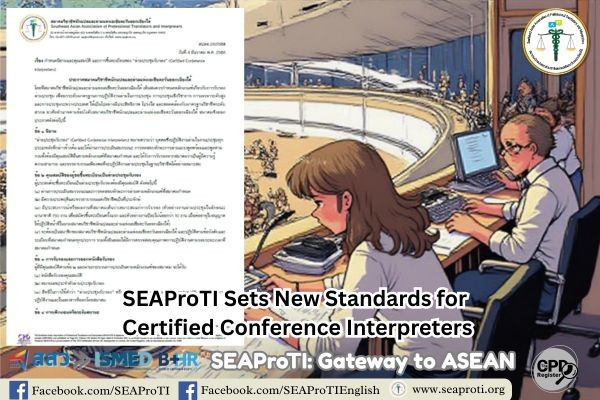
The Southeast Asian Association of Professional Translators and Interpreters (SEAProTI) has formally announced the qualifications and requirements for registration of Certified Translators, Translation Certification Providers, and Certified Interpreters in Sections 9 and 10 of the Royal Gazette, published by the Secretariat of the Cabinet, Office of the Prime Minister of Thailand, on 25 July 2024 (Vol. 141, Part 66 Ng, p. 100). Certified Translators, Translation Certification Providers, and Certified Interpreters
The Council of State has proposed the enactment of a Royal Decree, granting registered translators and recognised translation certifiers from professional associations or accredited language institutions the authority to provide legally valid translation certification (Letter to SEAProTI dated April 28, 2025)
SEAProTI is the first professional association in Thailand and Southeast Asia to implement a comprehensive certification system for translators, certifiers, and interpreters.
Head Office: Baan Ratchakru Building, No. 33, Room 402, Soi Phahonyothin 5, Phahonyothin Road, Phaya Thai District, Bangkok 10400, Thailand
Email: hello@seaproti.com | Tel.: (+66) 2-114-3128 (Office hours: Mon–Fri, 09:00–17:00)
การแอบอ้างสถานะผู้แปลที่กฎหมายรับรอง: การวิเคราะห์เชิงกฎหมาย มาตรฐานวิชาชีพ และผลกระทบต่อระบบยุติธรรมไทย
3 มกราคม 2569, กรุงเทพมหานคร – ในช่วงหลายปีที่ผ่านมา ปรากฏข้อความโฆษณาและคำอธิบายจากร้านแปลบางแห่งที่อ้างว่า เอกสารแปลซึ่งใช้ยื่นต่อหน่วยงานราชการไทยจำเป็นต้องจัดทำโดย “ล่ามศาล” หรือ “บุคคลที่กฎหมายรับรอง” เท่านั้น มิฉะนั้นเอกสารอาจไม่ถูกยอมรับ
บทความนี้มีวัตถุประสงค์เพื่อวิเคราะห์ข้ออ้างดังกล่าวในเชิงกฎหมายและวิชาชีพ โดยชี้ให้เห็นว่า กฎหมายไทยมิได้กำหนดให้ล่ามศาลเป็นผู้มีอำนาจผูกขาดในการแปลเอกสาร และอธิบายบทบาทของนักแปลรับรอง (Certified Translators) และผู้รับรองการแปล (Translation Certification Providers) ในฐานะกลไกกำกับคุณภาพวิชาชีพที่สอดคล้องกับหลักนิติธรรมและความคุ้มครองสิทธิของประชาชน
คำสำคัญ: การรับรองการแปล, นักแปลรับรอง, ล่ามศาล, มาตรฐานวิชาชีพ, ระบบยุติธรรมไทย
การแปลเอกสารเพื่อใช้ในกระบวนการทางกฎหมาย การปกครอง และการต่างประเทศ เป็นกิจกรรมที่มีผลทางนิติศาสตร์โดยตรง ความคลาดเคลื่อนแม้เพียงเล็กน้อยอาจก่อให้เกิดผลกระทบต่อสิทธิ หน้าที่ และสถานะทางกฎหมายของบุคคล อย่างไรก็ดี ในบริบทของประเทศไทย ยังคงมีความเข้าใจผิดอย่างแพร่หลายเกี่ยวกับสถานะของ “ผู้แปลที่กฎหมายรับรอง” โดยเฉพาะการเหมารวมว่าล่ามศาลเป็นผู้เดียวที่สามารถแปลเอกสารที่หน่วยงานรัฐยอมรับได้
สถานะของล่ามศาลตามกฎหมายไทย
“ล่ามศาล” เป็นผู้ปฏิบัติหน้าที่แปลคำพูดในกระบวนพิจารณาคดี เพื่อคุ้มครองสิทธิในการรับฟังและเข้าใจการพิจารณาของคู่ความหรือพยาน ล่ามศาลจึงมีสถานะเป็น “ผู้ช่วยศาล” ในกระบวนการพิจารณาคดี มิใช่วิชาชีพที่มีอำนาจผูกขาดในการแปลเอกสาร
ที่สำคัญ ไม่มีกฎหมายฉบับใดของไทยบัญญัติว่า
- เอกสารแปลต้องจัดทำโดยล่ามศาลเท่านั้น
- เอกสารแปลที่จัดทำโดยบุคคลอื่นเป็นโมฆะหรือไม่อาจยื่นต่อราชการได้
การอ้างสถานะล่ามศาลเพื่อสร้างความเข้าใจว่าตนมีอำนาจตามกฎหมายเหนือผู้แปลรายอื่น จึงเป็นการขยายความเกินกว่าที่กฎหมายบัญญัติไว้
หลักการที่ถูกต้องของ “การรับรองการแปล”
แม้กฎหมายจะไม่กำหนดคุณสมบัติผู้แปลแบบผูกขาด แต่ในทางมาตรฐานวิชาชีพ เอกสารแปลควรจัดทำโดยผู้ที่มีคุณสมบัติและความรับผิดชอบที่ตรวจสอบได้ กล่าวคือ
นักแปลรับรอง (Certified Translators) ทำหน้าที่แปลเอกสาร
ผู้รับรองการแปล (Translation Certification Providers) ทำหน้าที่รับรองความถูกต้องของการแปล
ระบบดังกล่าวถูกพัฒนาและกำกับโดย สมาคมวิชาชีพนักแปลและล่ามแห่งเอเชียตะวันออกเฉียงใต้ ซึ่งกำหนดกระบวนการอบรม สอบ และรับรองตามมาตรฐานวิชาชีพอย่างเป็นระบบ
ความแตกต่างระหว่างนักแปลรับรองกับนักแปลทั่วไป
นักแปลรับรองและผู้รับรองการแปล ของสมาคมวิชาชีพนักแปลและล่ามแห่งเอเชียตะวันออกเฉียงใต้ ต้องผ่าน
- การอบรมเฉพาะทางด้านการแปลเอกสารกฎหมายและเอกสารราชการ
- การสอบวัดสมรรถนะอย่างเป็นทางการ
- การกำกับด้วยจรรยาบรรณและความรับผิดทางวิชาชีพ
ในขณะที่แนวปฏิบัติการขึ้นทะเบียนนักแปลบางระบบในประเทศไทยอาศัยเพียงคุณวุฒิทางการศึกษา เช่น การสำเร็จการศึกษาจากต่างประเทศ หรือการมีตำแหน่งทางวิชาการ โดย ไม่ผ่านการอบรมหรือการสอบด้านการแปลเชิงกฎหมาย ส่งผลให้ผู้ปฏิบัติงานอาจขาดความเข้าใจในผลทางนิติศาสตร์ของถ้อยคำที่ใช้
แนวปฏิบัติดังกล่าวไม่เพียงลดทอนคุณภาพงานแปล แต่ยังอาจก่อให้เกิดความเสียหายต่อกระบวนการยุติธรรมและสิทธิของคู่กรณี
สถานะทางกฎหมายของระบบรับรอง
กระบวนการอบรม สอบ และรับรองนักแปลรับรองและผู้รับรองการแปลของสมาคมวิชาชีพฯ ได้จดทะเบียนกับกรมการปกครอง กระทรวงมหาดไทย ได้รับการประกาศในราชกิจจานุเบกษา ภายใต้สำนักเลขาธิการนายกรัฐมนตรี จึงเป็นระบบที่มีฐานะทางกฎหมาย แตกต่างจากการอ้างคุณสมบัติโดยปราศจากกลไกตรวจสอบ
บทสรุป
การกล่าวอ้างว่าเอกสารแปลต้องจัดทำโดยล่ามศาลหรือบุคคลที่กฎหมายรับรองเท่านั้น เป็นการบิดเบือนข้อเท็จจริงทางกฎหมาย กฎหมายไทยมิได้กำหนดการผูกขาดเช่นนั้น หากแต่ให้ความสำคัญกับความถูกต้อง ความรับผิด และความน่าเชื่อถือของผู้แปลและผู้รับรองการแปล
ในบริบทนี้ Certified Translation จึงหมายถึงเอกสารที่จัดทำและรับรองโดย Certified Translators และผู้รับรองการแปลที่ได้รับการรับรองอย่างถูกต้องเท่านั้น มิใช่เอกสารจากร้านแปลใด ๆ ที่นำมารับรองย้อนหลังโดยปราศจากคุณสมบัติทางวิชาชีพ
เอกสารอ้างอิง (References)
- American Translators Association. (2023). Certification program overview. https://www.atanet.org
- สำนักงานคณะกรรมการกฤษฎีกา. (ไม่ปรากฏปี). ราชกิจจานุเบกษา.
- สมาคมวิชาชีพนักแปลและล่ามแห่งเอเชียตะวันออกเฉียงใต้. (2566). ข้อบังคับและหลักเกณฑ์การรับรองนักแปลและผู้รับรองการแปล.
- United Nations Office of Legal Affairs. (2018). Translation and interpretation in legal contexts. United Nations.
สมาคมวิชาชีพนักแปลและล่ามแห่งเอเชียตะวันออกเฉียงใต้ (SEAProTI) ได้ประกาศหลักเกณฑ์และคุณสมบัติผู้ที่ขึ้นทะเบียนเป็น “นักแปลรับรอง (Certified Translators) และผู้รับรองการแปล (Translation Certification Providers) และล่ามรับรอง (Certified Interpreters)” ของสมาคม หมวดที่ 9 และหมวดที่ 10 ในราชกิจจานุเบกษา ของสำนักเลขาธิการคณะรัฐมนตรี ในสำนักนายกรัฐมนตรี แห่งราชอาณาจักรไทย ลงวันที่ 25 ก.ค. 2567 เล่มที่ 141 ตอนที่ 66 ง หน้า 100 อ่านฉบับเต็มได้ที่: นักแปลรับรอง ผู้รับรองการแปล และล่ามรับรอง
สำนักคณะกรรมการกฤษฎีกา เสนอให้ตราเป็นพระราชกฤษฎีกา โดยกำหนดให้นักแปลที่ขึ้นทะเบียน รวมถึงผู้รับรองการแปลจากสมาคมวิชาชีพหรือสถาบันสอนภาษาที่มีการอบรมและขึ้นทะเบียน สามารถรับรองคำแปลได้ (จดหมายถึงสมาคม SEAProTI ลงวันที่ 28 เม.ย. 2568)
สมาคมวิชาชีพนักแปลและล่ามแห่งเอเชียตะวันออกเฉียงใต้ เป็นสมาคมวิชาชีพแห่งแรกและแห่งเดียวในประเทศไทยและภูมิภาคเอเชียตะวันออกเฉียงใต้ที่มีระบบรับรองนักแปลรับรอง ผู้รับรองการแปล และล่ามรับรอง
สำนักงานใหญ่: อาคารบ้านราชครู เลขที่ 33 ห้อง 402 ซอยพหลโยธิน 5 ถนนพหลโยธิน แขวงพญาไท เขตพญาไท กรุงเทพมหานคร 10400 ประเทศไทย
อีเมล: hello@seaproti.com โทรศัพท์: (+66) 2-114-3128 (เวลาทำการ: วันจันทร์–วันศุกร์ เวลา 09.00–17.00 น.