




New Regulations on Legalisation of Documents B.E. 2568 (2025):
Major Overhaul by the Ministry of Foreign Affairs
On 4 December 2025, the Ministry of Foreign Affairs announced a new set of regulations on the legalisation of documents, which came into force the day after their publication in the Royal Thai Government Gazette. This is a major reform of the system, replacing the previous regulations that had been in place since 1996 (B.E. 2539), and is intended to align with the current legal, diplomatic, and technological landscape, as well as the rapidly growing use of cross-border documents.
The new regulation clearly defines the term “legalisation of documents” to cover three main types of certification: legalisation of translations, legalisation of copies, and legalisation of signatures. It also introduces the use of electronic signatures and electronic databases to store and verify specimen signatures of authorised officers from various government agencies and private entities around the world.
For documents issued outside the Kingdom of Thailand, the regulation requires that they first be legalised by the Ministry of Foreign Affairs of the issuing country, a Notary Public, or another competent authority under the law of that country, as well as by the relevant embassy or consulate, either abroad or in Thailand. Where the issuing country has an embassy whose consular jurisdiction covers Thailand, and there is an established exchange of specimen signatures with Thai authorities, the document may not need to go through the Ministry of Foreign Affairs of a third country, thus reducing steps and easing the burden on users.
For documents issued in Thailand that are intended to be used abroad and presented at Thai embassies or consulates, the new rules require that they first be legalised by the Department of Consular Affairs in Thailand, in line with the usual international chain of authentication.
With regard to filing an application, applicants must use the prescribed form and submit all required supporting documents. They may apply in person or through an authorised representative. However, if a power of attorney is executed abroad, it must first be duly legalised in accordance with the law of the country where it was made. This reflects a significantly stricter approach towards the authenticity of both documents and the identity of document owners, aimed at preventing fraud and enhancing the international credibility of Thai-issued documents.
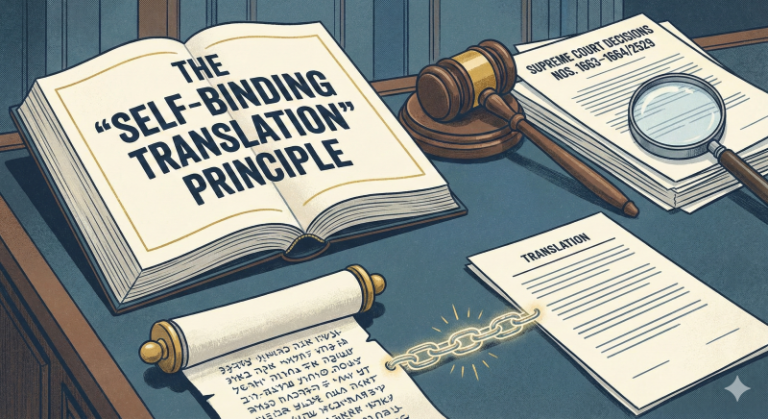
In the chapter on legalisation of translations, the regulation stipulates that official Thai documents must be translated directly from the original, and the translation must clearly indicate that it is a “Translation” and be signed and certified by the translator as a “Certified Correct Translation” or its Thai equivalent. Where the document is a private document, it must first be certified by the relevant authority or organisation. Foreign-language documents, whether in English or any other language, must pass through the appropriate legalisation steps before being translated into Thai and submitted for legalisation.
One notable development is the recognition of translators who are “registered or certified by a competent authority of the country where the document was issued”. This marks an important step towards encouraging the use of translators who are authorised or certified in the country of origin, bringing Thailand closer to international standards and reducing the risk of translation errors that may impact legal procedures, immigration processes, or other official matters.
For the legalisation of copies, the regulation requires that copies be made from originals issued by the competent authorities. The copy must be clear and consistent with the original in all respects. If the original cannot be produced, the copy must first be certified as a true copy by the issuing authority, unless otherwise provided by law.
Regarding the legalisation of signatures, the Ministry will only legalise a signature if it can verify it against specimen signatures stored in its database or those provided by foreign ministries, embassies, consulates, notaries, or competent authorities. For signatures of natural persons in private documents, the person must appear in person before the officer to sign, and the document must be in Thai or English only. Where the signatory is a foreign national, the document must first be legalised by the embassy or consulate of the country of that person’s nationality in Thailand.
The regulation also prescribes standard wording for certificates to be used in each type of legalisation. It clearly states that the Ministry of Foreign Affairs does not assume responsibility for the content of the document and only certifies the genuineness of the signature. This reflects the international practice of separating the authentication of signatures from the substantive correctness of the document’s contents and helps prevent misinterpretation that the Ministry has endorsed or verified what is written in the document.
In terms of processing time, the regulation introduces clear timeframes. The competent authorities in Thailand must complete the legalisation within two working days, or within seven working days for cases involving multiple documents or complex or technical content, such as court documents or corporate documents. Where documents must be sent to other agencies or organisations for verification, the timeframe will start anew from the date on which the written verification result is received. If there is reason to believe that a document has been forged, or that the applicant obtained it unlawfully, officers are expressly authorised to refuse legalisation.
Finally, the regulation confirms that legalisation fees are non-refundable under any circumstances. To collect legalised documents, applicants must present the original receipt issued by the Ministry. If no one claims the documents for more than 90 days after the scheduled collection date, the Ministry of Foreign Affairs reserves the right to handle the documents as it deems appropriate.
The Regulation on Legalisation of Documents B.E. 2568 clearly reflects the Ministry of Foreign Affairs’ intention to upgrade Thailand’s legalisation system to meet international standards, ensuring transparency, verifiability, and stronger safeguards against document fraud. At the same time, it helps individuals, businesses, and government agencies use Thai documents abroad with greater confidence and predictability.
Read the full Thai version in the Royal Thai Government Gazette: Regulations on the Legalisation of Documents B.E. 2568 (2025)
Read the unofficial translated version, translated by the Southeast Asian Association of Professional Translators and Interpreters (SEAProTI): Regulations on the Legalisation of Documents B.E. 2568 (2025)
About Certified Translators, Translation Certifiers, and Certified Interpreters of SEAProTI
The Southeast Asian Association of Professional Translators and Interpreters (SEAProTI) has formally announced the qualifications and requirements for registration of Certified Translators, Translation Certification Providers, and Certified Interpreters in Sections 9 and 10 of the Royal Gazette, published by the Secretariat of the Cabinet, Office of the Prime Minister of Thailand, on 25 July 2024 (Vol. 141, Part 66 Ng, p. 100). Certified Translators, Translation Certification Providers, and Certified Interpreters
The Council of State has proposed the enactment of a Royal Decree, granting registered translators and recognized translation certifiers from professional associations or accredited language institutions the authority to provide legally valid translation certification (Letter to SEAProTI dated April 28, 2025)
SEAProTI is the first professional association in Thailand and Southeast Asia to implement a comprehensive certification system for translators, certifiers, and interpreters.
Head Office: Baan Ratchakru Building, No. 33, Room 402, Soi Phahonyothin 5, Phahonyothin Road, Phaya Thai District, Bangkok 10400, Thailand
Email: hello@seaproti.com | Tel.: (+66) 2-114-3128 (Office hours: Mon–Fri, 09:00–17:00)
ระเบียบการนิติกรณ์เอกสาร พ.ศ. ๒๕๖๘: กต. ปรับระบบใหม่ครั้งใหญ่ในรอบหลายสิบปี
เมื่อวันที่ ๔ ธันวาคม ๒๕๖๘ กระทรวงการต่างประเทศได้ประกาศระเบียบใหม่เกี่ยวกับการนิติกรณ์เอกสาร ซึ่งมีผลใช้บังคับตั้งแต่วันถัดจากวันประกาศ โดยเป็นการปรับปรุงระเบียบครั้งสำคัญหลังจากใช้ระเบียบเดิมมาตั้งแต่ปี ๒๕๓๙ เพื่อให้สอดคล้องกับสภาพแวดล้อมทางกฎหมาย การทูต และเทคโนโลยีในยุคใหม่ ทั้งยังตอบสนองต่อการใช้งานเอกสารระหว่างประเทศที่เพิ่มมากขึ้นอย่างรวดเร็ว
ระเบียบฉบับนี้กำหนดนิยามใหม่ที่ชัดเจนของคำว่า “การนิติกรณ์เอกสาร” ซึ่งครอบคลุมทั้งการรับรองคำแปล การรับรองสำเนา และการรับรองลายมือชื่อ พร้อมทั้งเพิ่มการรองรับลายมือชื่ออิเล็กทรอนิกส์ และระบบฐานข้อมูลอิเล็กทรอนิกส์เพื่อใช้ตรวจสอบลายมือชื่อผู้มีอำนาจลงนามจากหน่วยงานต่าง ๆ ทั่วโลก
สำหรับเอกสารที่ออกนอกราชอาณาจักร ระเบียบใหม่กำหนดให้ต้องผ่านการนิติกรณ์จากกระทรวงการต่างประเทศของประเทศผู้ออกเอกสาร โนตารี พับลิค หรือหน่วยงานตามกฎหมายของประเทศนั้นก่อน รวมถึงสถานเอกอัครราชทูต/สถานกงสุลที่เกี่ยวข้อง ทั้งในต่างประเทศและในประเทศไทย หากประเทศนั้นมีสถานเอกอัครราชทูตประจำไทยและได้มีการแลกเปลี่ยนตัวอย่างลายมือชื่อกับไทยแล้ว อาจไม่ต้องผ่าน MFA ของประเทศที่สามอีกต่อไป ซึ่งช่วยลดขั้นตอนให้ประชาชนอย่างมาก
ส่วนเอกสารที่ออกในประเทศไทย หากต้องการนำไปนิติกรณ์ที่สถานทูตไทยในต่างประเทศ จะต้องผ่านการนิติกรณ์จากกรมการกงสุลในประเทศไทยก่อนตามลำดับชั้นการรับรองสากล
ในด้านการยื่นคำขอ ผู้ยื่นต้องใช้แบบฟอร์มที่กำหนด โดยสามารถยื่นด้วยตนเองหรือมอบอำนาจก็ได้ แต่หากมอบอำนาจจากต่างประเทศ ต้องผ่านการนิติกรณ์ตามกฎหมายของประเทศผู้ออกหนังสือมอบอำนาจก่อนทุกครั้ง ระเบียบนี้จึงเข้มงวดเรื่องความแท้จริงของเอกสารและตัวตนของเจ้าของเอกสารมากขึ้น ทั้งเพื่อป้องกันการปลอมแปลงและเพื่อยกระดับความเชื่อถือในเอกสารไทยในระดับสากล
ในหมวดว่าด้วยการนิติกรณ์คำแปล ระเบียบใหม่กำหนดชัดเจนว่าเอกสารราชการต้องแปลจากต้นฉบับเท่านั้น และคำแปลต้องมีข้อความระบุว่า “Translation” หรือ “คำแปล” พร้อมลายมือชื่อผู้แปลที่รับรองว่า “Certified Correct Translation” หรือ “รับรองคำแปลถูกต้อง” หากเอกสารเป็นเอกชน จะต้องได้รับการรับรองจากหน่วยงานที่เกี่ยวข้องก่อนเสมอ นอกจากนี้เอกสารต่างประเทศทุกภาษา ไม่ว่าจะเป็นอังกฤษหรือภาษาที่สาม ต้องผ่านการนิติกรณ์ตามลำดับชั้นก่อนนำมาแปลเป็นไทยและยื่นขอรับรองต่อไป
สิ่งที่โดดเด่นคือการเพิ่มบทบาทของผู้แปลที่ “ได้รับการขึ้นทะเบียนหรือได้รับการรับรองจากหน่วยงานผู้มีอำนาจของประเทศผู้ออกเอกสาร” ซึ่งเป็นก้าวสำคัญที่ทำให้ประเทศไทยเริ่มมองหา “ผู้แปลที่ได้รับอนุญาตจากประเทศต้นทาง” เพื่อยกระดับมาตรฐานคำแปลให้สอดคล้องกับมาตรฐานสากล และลดปัญหาคำแปลผิดพลาดที่กระทบต่อกระบวนการทางกฎหมายและการตรวจคนเข้าเมือง
ในส่วนการนิติกรณ์สำเนาเอกสาร ระเบียบกำหนดว่าต้องเป็นสำเนาที่ชัดเจน ตรงกับต้นฉบับ และหากไม่นำต้นฉบับมา จะต้องมีการรับรองสำเนาถูกต้องจากหน่วยงานผู้ออกเอกสารก่อน เว้นแต่กฎหมายกำหนดเป็นอย่างอื่น
ด้านการนิติกรณ์ลายมือชื่อ กระทรวงฯ จะรับรองได้เฉพาะเมื่อสามารถตรวจสอบลายมือชื่อจากฐานข้อมูลลายมือชื่อที่มีอยู่ ไม่ว่าจะเป็นลายมือเจ้าหน้าที่รัฐต่างประเทศ ลายมือโนตารี หรือผู้มีอำนาจของหน่วยงานเอกชน สำหรับลายมือชื่อของบุคคลธรรมดาในเอกสารเอกชน ผู้ลงนามต้องมาปรากฏตัวต่อหน้าเจ้าหน้าที่ด้วยตนเองเท่านั้น และเอกสารต้องเป็นภาษาไทยหรือภาษาอังกฤษเท่านั้น กรณีผู้ลงนามเป็นชาวต่างชาติ เอกสารต้องผ่านการรับรองจากสถานทูตของประเทศสัญชาติในไทยก่อน
ระเบียบยังได้กำหนดรูปแบบคำรับรองที่ใช้ พร้อมทั้งระบุชัดเจนว่ากระทรวงการต่างประเทศจะไม่รับผิดชอบต่อเนื้อหาของเอกสารใด ๆ แต่จะรับรองเฉพาะ “ความแท้จริงของลายมือชื่อ” เท่านั้น ถือเป็นหลักสากลที่ใช้กันทั่วโลกเพื่อป้องกันการตีความผิดว่า MFA รับรองความถูกต้องของข้อความภายในเอกสาร
ในด้านกระบวนการทำงาน ระเบียบกำหนดกรอบเวลาใหม่ที่ชัดเจนมากขึ้น โดยให้ส่วนราชการดำเนินการให้เสร็จใน ๒ วันทำการ หรือ ๗ วันทำการในกรณีที่เอกสารมีจำนวนมากหรือมีความซับซ้อน หากต้องส่งตรวจสอบกับหน่วยงานอื่น เวลานับใหม่หลังได้รับผลตรวจเป็นลายลักษณ์อักษร รวมถึงมีข้อกำหนดกรณีสงสัยว่าเอกสารถูกปลอมแปลง ซึ่งเจ้าหน้าที่มีสิทธิ์ปฏิเสธโดยทันที
ท้ายที่สุด ระเบียบยืนยันว่าค่าธรรมเนียมที่ชำระแล้วไม่สามารถขอคืนได้ และผู้มายื่นรับเอกสารต้องนำใบเสร็จรับเงินมาแสดง หากไม่มารับเอกสารเกิน ๙๐ วัน กระทรวงการต่างประเทศมีสิทธิ์ดำเนินการตามที่เห็นสมควร
ระเบียบฉบับ พ.ศ. ๒๕๖๘ นี้สะท้อนความตั้งใจของกระทรวงการต่างประเทศในการยกระดับกระบวนการนิติกรณ์เอกสารของไทยให้เป็นไปตามมาตรฐานสากล โปร่งใส ตรวจสอบได้ และลดปัญหาการปลอมแปลงเอกสารในระดับนานาชาติ ทั้งยังช่วยให้ประชาชน ธุรกิจ และหน่วยงานรัฐสามารถนำเอกสารไทยไปใช้งานในต่างประเทศได้อย่างมั่นใจยิ่งขึ้น
อ่านฉบับเต็มภาษาไทยในราชกิจจานุเบกษา: ระเบียบการนิติกรณ์เอกสาร พ.ศ. ๒๕๖๘
อ่านฉบับแปลแบบไม่เป็นทางการ แปลโดยสมาคมวิชาชีพนักแปลและล่ามแห่งเอเชียตะวันออกเฉียงใต้: ระเบียบการนิติกรณ์เอกสาร พ.ศ. ๒๕๖๘
เกี่ยวกับนักแปลรับรอง ผู้รับรองการแปล และล่ามรับรองของสมาคมวิชาชีพนักแปลและล่ามแห่งเอเชียตะวันออกเฉียงใต้
สมาคมวิชาชีพนักแปลและล่ามแห่งเอเชียตะวันออกเฉียงใต้ (SEAProTI) ได้ประกาศหลักเกณฑ์และคุณสมบัติผู้ที่ขึ้นทะเบียนเป็น “นักแปลรับรอง (Certified Translators) และผู้รับรองการแปล (Translation Certification Providers) และล่ามรับรอง (Certified Interpreters)” ของสมาคม หมวดที่ 9 และหมวดที่ 10 ในราชกิจจานุเบกษา ของสำนักเลขาธิการคณะรัฐมนตรี ในสำนักนายกรัฐมนตรี แห่งราชอาณาจักรไทย ลงวันที่ 25 ก.ค. 2567 เล่มที่ 141 ตอนที่ 66 ง หน้า 100 อ่านฉบับเต็มได้ที่: นักแปลรับรอง ผู้รับรองการแปล และล่ามรับรอง
สำนักคณะกรรมการกฤษฎีกาเสนอให้ตราเป็นพระราชกฤษฎีกา โดยกำหนดให้นักแปลที่ขึ้นทะเบียน รวมถึงผู้รับรองการแปลจากสมาคมวิชาชีพหรือสถาบันสอนภาษาที่มีการอบรมและขึ้นทะเบียน สามารถรับรองคำแปหฟลได้ (จดหมายถึงสมาคม SEAProTI ลงวันที่ 28 เม.ย. 2568)
สมาคมวิชาชีพนักแปลและล่ามแห่งเอเชียตะวันออกเฉียงใต้ เป็นสมาคมวิชาชีพแห่งแรกในประเทศไทยและภูมิภาคเอเชียตะวันออกเฉียงใต้ที่มีระบบรับรองนักแปลรับรอง ผู้รับรองการแปล และล่ามรับรอง
สำนักงานใหญ่: อาคารบ้านราชครู เลขที่ 33 ห้อง 402 ซอยพหลโยธิน 5 ถนนพหลโยธิน แขวงพญาไท เขตพญาไท กรุงเทพมหานคร 10400 ประเทศไทย
อีเมล: hello@seaproti.com โทรศัพท์: (+66) 2-114-3128 (เวลาทำการ: วันจันทร์–วันศุกร์ เวลา 09.00–17.00 น.