


The Legal Status of Translated Documents in the Thai Administrative System:
A Legal and Enforcement Analysis
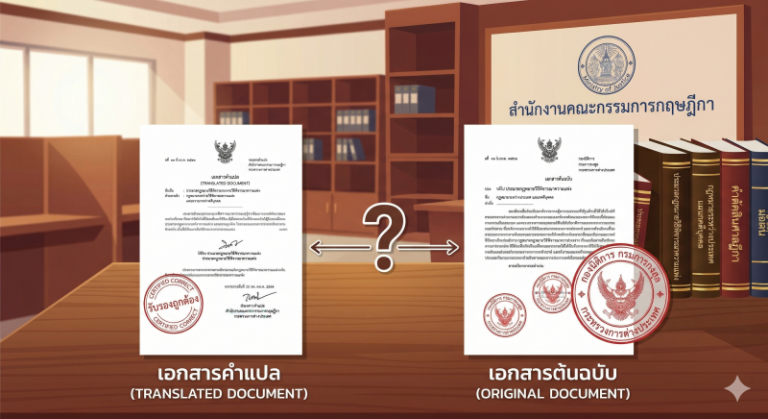
Translated documents from foreign languages into Thai play a crucial role in Thailand’s administrative processes, particularly in activities that produce legal consequences, such as construction permits, contractual arrangements, and regulatory approvals. However, the legal validity of such documents does not depend solely on the accuracy of the translation itself; rather, it fundamentally depends on the legal status of the certification of the translation as prescribed by law.
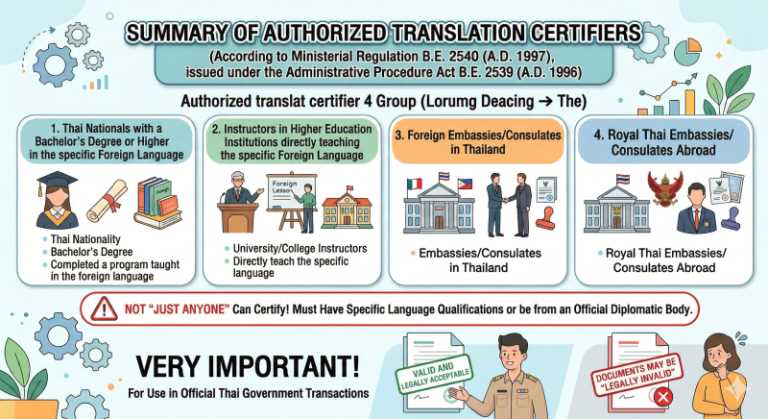
The Ministerial Regulation B.E. 2540 (1997) establishes clear criteria regarding persons authorized to certify the correctness of translations into Thai. Notably, the regulation does not recognize “translators” as a legally defined professional category with inherent authority. Instead, it specifically defines and limits the categories of persons who are legally empowered to certify the accuracy of translated documents. These include individuals with relevant linguistic qualifications, university lecturers in the relevant language, and certain diplomatic or consular officials (Ministerial Regulation B.E. 2540).
This distinction is legally significant. While any individual may perform the act of translation, a translated document acquires legal validity only when its correctness is certified by a person authorized under the regulation. In the absence of such certification, the translated document must be regarded as legally incomplete and cannot properly serve as a basis for administrative decision-making.
In practice, the Council of State (Office of the Council of State of Thailand) has provided legal opinions consistent with this framework. Where a translated document lacks certification by an authorized person, the appropriate administrative response is to require the applicant to rectify the deficiency. Furthermore, in cases where such documents are integral to ongoing projects—such as construction—administrative authorities should suspend the relevant proceedings until the documents are corrected and brought into compliance with legal requirements. This approach aligns with fundamental principles of administrative law, which require that the exercise of state power be grounded in accurate and legally valid documentation (Office of the Council of State, n.d.).
Despite the clarity of the legal framework, practical implementation reveals inconsistencies. There are instances in which translated documents lacking proper certification are nonetheless accepted and used within administrative processes. This phenomenon does not indicate a defect in the legal provisions themselves; rather, it reflects deficiencies in law enforcement. Contributing factors may include insufficient scrutiny by officials, misunderstandings of legal requirements, or the absence of objections from affected parties.
From a theoretical perspective, this issue illustrates the distinction in administrative law between legality and effectiveness of enforcement. A legal system may be normatively sound, yet fail to achieve its intended outcomes if enforcement mechanisms are weak or inconsistently applied. In such circumstances, administrative actions may deviate from legal requirements in practice, even though the governing law remains clear.
In conclusion, the requirement under the Ministerial Regulation B.E. 2540 for certified translations serves as an essential legal safeguard to ensure the reliability and integrity of documents used in administrative proceedings. The challenges observed in practice are therefore not attributable to gaps in the legal framework, but rather to shortcomings in enforcement. Strengthening verification mechanisms and enhancing legal awareness among public officials and stakeholders are essential steps toward ensuring that the law is applied consistently and effectively.
References (APA)
Ministerial Regulation B.E. 2540 (1997) on the Certification of the Accuracy of Translations into Thai. (1997). Royal Gazette.
Office of the Council of State. (n.d.). Legal opinions concerning the use of translated documents in administrative proceedings.
For professional services, please visit: https://www.seaproti.org/practitioners/
About certified translators, translation certifiers, and certified interpreters associated with SEAProTI.
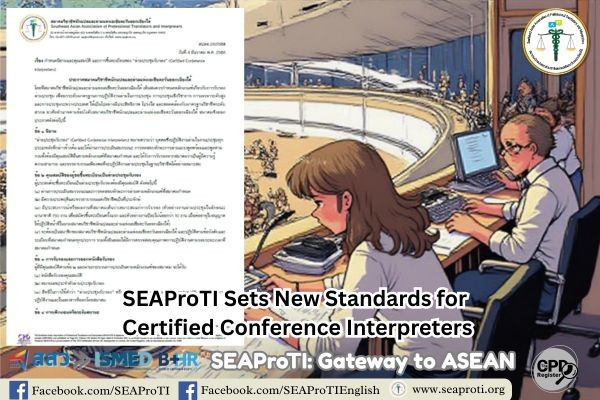
The Southeast Asian Association of Professional Translators and Interpreters (SEAProTI) has officially shared the qualifications and requirements for becoming Certified Translators, Translation Certification Providers, and Certified Interpreters in Sections 9 and 10 of the Royal Gazette, which was published by the Prime Minister’s Office in Thailand on July 25, 2024. Certified Translators, Translation Certification Providers, and Certified Interpreters
The Council of State has proposed the enactment of a Royal Decree, granting registered translators and recognised translation certifiers from professional associations or accredited language institutions the authority to provide legally valid translation certification (Letter to SEAProTI dated April 28, 2025)
SEAProTI is the first professional association in Thailand and Southeast Asia to implement a comprehensive certification system for translators, certifiers, and interpreters.
Head Office: Baan Ratchakru Building, No. 33, Room 402, Soi Phahonyothin 5, Phahonyothin Road, Phaya Thai District, Bangkok 10400, Thailand
Email: hello@seaproti.com | Tel.: (+66) 2-114-3128 (Office hours: Mon–Fri, 09:00–17:00).
ปัญหาสถานะทางกฎหมายของเอกสารแปลในระบบราชการไทย: การวิเคราะห์เชิงกฎหมายและการบังคับใช้
การใช้เอกสารที่แปลจากภาษาต่างประเทศเป็นภาษาไทยมีบทบาทสำคัญในกระบวนการทางปกครองของรัฐไทย โดยเฉพาะในกิจกรรมที่ก่อให้เกิดผลทางกฎหมาย เช่น การอนุญาตก่อสร้าง การทำสัญญา หรือการพิจารณาอนุมัติของหน่วยงานรัฐ อย่างไรก็ดี ความถูกต้องและความน่าเชื่อถือของเอกสารแปลดังกล่าวมิได้ขึ้นอยู่กับเนื้อหาการแปลเพียงอย่างเดียว แต่ยังขึ้นอยู่กับสถานะทางกฎหมายของ “การรับรองคำแปล” ตามที่กฎหมายกำหนดไว้โดยเฉพาะ
กฎกระทรวง พ.ศ. 2540 ที่ออกตามกฎหมายที่เกี่ยวข้อง ได้กำหนดหลักเกณฑ์เกี่ยวกับบุคคลผู้มีอำนาจ “รับรองความถูกต้องของคำแปลเป็นภาษาไทย” ไว้อย่างชัดเจน โดยมิได้บัญญัติรับรองสถานะของ “นักแปล” ในฐานะผู้มีอำนาจตามกฎหมาย หากแต่เน้นไปที่การกำหนดคุณสมบัติของบุคคลผู้มีอำนาจรับรองความถูกต้องของคำแปล ซึ่งต้องเป็นบุคคลหรือหน่วยงานตามที่กฎหมายระบุเท่านั้น อาทิ บุคคลที่มีคุณวุฒิทางการศึกษาเกี่ยวกับภาษานั้น อาจารย์ในสถาบันอุดมศึกษา หรือหน่วยงานทางการทูตที่เกี่ยวข้อง (กฎกระทรวง พ.ศ. 2540)
นัยสำคัญของบทบัญญัติดังกล่าวสะท้อนให้เห็นว่า แม้บุคคลทั่วไปจะสามารถทำหน้าที่ “แปล” เอกสารได้ แต่การทำให้เอกสารแปลนั้นมีผลในทางกฎหมายจำเป็นต้องผ่านกระบวนการ “รับรองความถูกต้องของคำแปล” โดยบุคคลที่กฎหมายกำหนดเท่านั้น หากขาดการรับรองดังกล่าว เอกสารแปลย่อมมีสถานะเป็นเอกสารที่ยังไม่สมบูรณ์ และไม่อาจนำไปใช้เป็นฐานในการดำเนินการทางปกครองได้อย่างถูกต้อง
ในทางปฏิบัติ คณะกรรมการกฤษฎีกาได้ให้ความเห็นในลักษณะสอดคล้องกับหลักกฎหมายดังกล่าว โดยเสนอแนวทางว่า ในกรณีที่ตรวจพบว่าเอกสารแปลมิได้มีการรับรองโดยบุคคลตามที่กฎกระทรวงกำหนด หน่วยงานของรัฐควรให้ผู้ยื่นคำขอนำเอกสารกลับไปแก้ไขให้ถูกต้องเสียก่อน และในกรณีที่เอกสารดังกล่าวมีความเกี่ยวข้องกับโครงการที่อยู่ระหว่างดำเนินการ เช่น โครงการก่อสร้าง ก็ควรระงับการดำเนินการไว้ชั่วคราวจนกว่าจะมีการแก้ไขเอกสารให้ถูกต้องครบถ้วน แนวทางดังกล่าวสอดคล้องกับหลักการพื้นฐานของกฎหมายปกครองที่กำหนดให้การใช้อำนาจของรัฐต้องตั้งอยู่บนฐานของข้อเท็จจริงและเอกสารที่ถูกต้องสมบูรณ์ (สำนักงานคณะกรรมการกฤษฎีกา, ม.ป.ป.)
อย่างไรก็ตาม แม้กรอบกฎหมายและแนววินิจฉัยจะมีความชัดเจน แต่ในทางปฏิบัติกลับพบว่ามีกรณีที่เอกสารแปลซึ่งไม่ได้รับการรับรองตามที่กฎหมายกำหนดยังคงถูกนำไปใช้ในกระบวนการทางราชการได้ ปรากฏการณ์ดังกล่าวมิได้สะท้อนถึงข้อบกพร่องของตัวบทกฎหมาย หากแต่สะท้อนถึงปัญหาในเชิง “การบังคับใช้กฎหมาย” (law enforcement) ซึ่งอาจเกิดจากหลายปัจจัย เช่น การตรวจสอบของเจ้าหน้าที่ที่ไม่เคร่งครัด ความเข้าใจคลาดเคลื่อนเกี่ยวกับข้อกำหนดทางกฎหมาย หรือการขาดกลไกการทักท้วงจากผู้มีส่วนได้เสีย
ในเชิงทฤษฎี ปัญหาดังกล่าวสามารถอธิบายได้ภายใต้กรอบของกฎหมายปกครองที่แยกความแตกต่างระหว่าง “ความชอบด้วยกฎหมาย” (legality) กับ “ความมีประสิทธิภาพในการบังคับใช้” (effectiveness of enforcement) กล่าวคือ แม้บทบัญญัติทางกฎหมายจะมีความครบถ้วนและชัดเจนเพียงใด หากขาดการบังคับใช้อย่างจริงจัง ก็ย่อมก่อให้เกิดสภาพที่การดำเนินการของรัฐอาจเบี่ยงเบนไปจากกรอบของกฎหมายโดยพฤตินัย
โดยสรุป การกำหนดให้เอกสารแปลต้องมีผู้รับรองความถูกต้องตามกฎกระทรวง พ.ศ. 2540 เป็นกลไกทางกฎหมายที่มีความสำคัญในการรักษาความถูกต้องและความน่าเชื่อถือของเอกสารในกระบวนการทางปกครอง ปัญหาที่เกิดขึ้นในทางปฏิบัติจึงมิได้อยู่ที่การออกแบบของกฎหมาย หากแต่อยู่ที่การบังคับใช้ที่ยังไม่สม่ำเสมอและขาดความเข้มงวดเพียงพอ การพัฒนากลไกการตรวจสอบและการสร้างความตระหนักรู้ในหมู่เจ้าหน้าที่รัฐและประชาชนจึงเป็นปัจจัยสำคัญที่จะทำให้กฎหมายดังกล่าวบรรลุผลอย่างแท้จริง
เอกสารอ้างอิง
- กฎกระทรวง พ.ศ. 2540 ว่าด้วยการรับรองความถูกต้องของคำแปลเป็นภาษาไทย. (2540). ราชกิจจานุเบกษา.
- สำนักงานคณะกรรมการกฤษฎีกา. (ม.ป.ป.). ความเห็นเกี่ยวกับการใช้เอกสารแปลในทางปกครอง.
ติดต่อขอใช้บริการนักวิชาชีพของสมาคมได้ที่: https://www.seaproti.org/practitioners/
สมาคมวิชาชีพนักแปลและล่ามแห่งเอเชียตะวันออกเฉียงใต้ (SEAProTI) ได้ประกาศหลักเกณฑ์และคุณสมบัติของผู้ที่ขึ้นทะเบียนเป็น “นักแปลรับรอง (Certified Translators) และผู้รับรองการแปล (Translation Certification Providers) และล่ามรับรอง (Certified Interpreters)” ของสมาคม หมวดที่ 9 และหมวดที่ 10 ในราชกิจจานุเบกษา ของสำนักเลขาธิการคณะรัฐมนตรี ในสำนักนายกรัฐมนตรี แห่งราชอาณาจักรไทย ลงวันที่ 25 ก.ค. 2567 เล่มที่ 141 ตอนที่ 66 ง หน้า 100 อ่านฉบับเต็มได้ที่: นักแปลรับรอง ผู้รับรองการแปล และล่ามรับรอง
สำนักคณะกรรมการกฤษฎีกาเสนอให้ตราเป็นพระราชกฤษฎีกา โดยกำหนดให้นักแปลที่ขึ้นทะเบียน รวมถึงผู้รับรองการแปลจากสมาคมวิชาชีพหรือสถาบันสอนภาษาที่มีการอบรมและขึ้นทะเบียน สามารถรับรองคำแปลได้ (จดหมายถึงสมาคม SEAProTI ลงวันที่ 28 เม.ย. 2568)
สมาคมวิชาชีพนักแปลและล่ามแห่งเอเชียตะวันออกเฉียงใต้เป็นสมาคมวิชาชีพแห่งแรกและแห่งเดียวในประเทศไทยและภูมิภาคเอเชียตะวันออกเฉียงใต้ที่มีระบบรับรองนักแปลรับรอง ผู้รับรองการแปล และล่ามรับรอง
สำนักงานใหญ่: อาคารบ้านราชครู เลขที่ 33 ห้อง 402 ซอยพหลโยธิน 5 ถนนพหลโยธิน แขวงพญาไท เขตพญาไท กรุงเทพมหานคร 10400 ประเทศไทย
อีเมล: hello@seaproti.com โทรศัพท์: (+66) 2-114-3128 (เวลาทำการ: วันจันทร์–วันศุกร์ เวลา 09.00–17.00 น.