


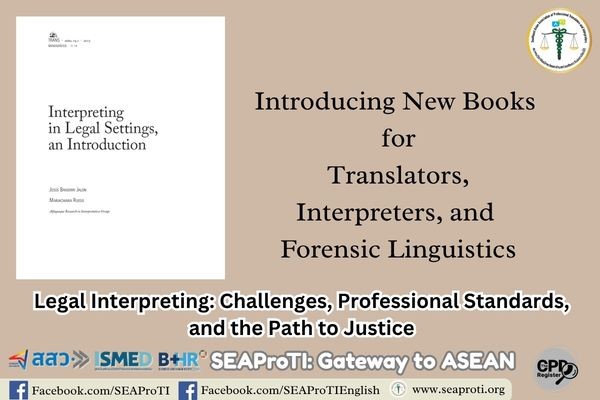
Legal Interpreting: Challenges, Professional Standards, and the Path to Justice
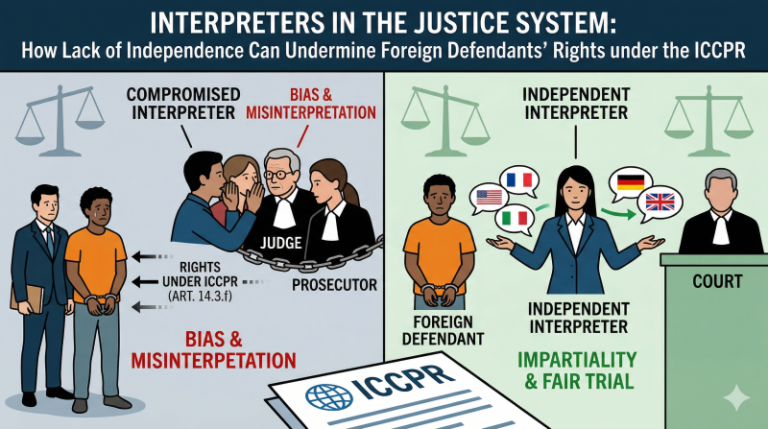
4 April 2026, Bangkok – Legal interpreting is widely regarded as one of the most complex and demanding areas within the interpreting profession. Unlike other forms of interpreting, it operates in high-stakes environments where the accuracy and competence of the interpreter can directly influence judicial outcomes and, ultimately, a person’s fundamental rights. Despite its critical importance, the field continues to face significant challenges, particularly the absence of strict regulatory frameworks that require national authorities to provide qualified interpreters at every stage of legal proceedings. This gap has, in many cases, contributed to miscarriages of justice caused by inadequate or absent interpreting services.
A notable disparity exists between the standards upheld by supranational institutions and those observed in local law enforcement contexts. International bodies such as the Court of Justice of the European Union (CJEU) and the International Court of Justice (ICJ) maintain rigorous recruitment and quality assurance processes for both staff and freelance interpreters. These institutions recognize the importance of linguistic precision and professional accountability in safeguarding fair trials. In contrast, interpreting services in local settings—such as police stations, immigration offices, and prisons—often lack consistency in quality. Reports frequently highlight the use of unqualified interpreters or ad hoc solutions, which can compromise communication and undermine the integrity of legal processes.
Although legislative measures have been introduced to address these issues, their implementation remains uneven. The Directive 2010/64/EU of the European Parliament, for example, establishes the right to interpretation and translation in criminal proceedings, emphasizing the need for quality and fairness. However, in practice, many member states have only partially fulfilled these obligations, particularly in areas related to interpreter training, certification, and ongoing professional development. This discrepancy between policy and practice continues to hinder progress toward a more equitable justice system.
Recent research has further demonstrated that legal interpreting extends beyond the mere transfer of words from one language to another. It involves navigating complex interactional dynamics shaped by institutional settings, participant roles, and sensitive contexts. Studies such as the IMPLI project have explored how interpreters can better cooperate with law enforcement officers during pre-trial interviews, highlighting the need for specialized training in police communication techniques. Similarly, the Co-Minor IN/QUEST project has drawn attention to the unique challenges of working with vulnerable populations, particularly minors, who require adapted communication strategies and heightened ethical awareness.
In emotionally charged contexts, such as cases involving human trafficking or gender-based violence, the interpreter’s role often expands even further. Projects like SOS-VICS reveal that interpreters may need to provide not only linguistic mediation but also elements of cultural understanding and emotional support. These situations challenge the traditional notion of interpreter neutrality and call for a more nuanced understanding of professional boundaries. Additionally, highly specialized tasks, such as interpreting judicial telephone tapping, require advanced methodological skills to manage complex linguistic, technical, and pragmatic elements simultaneously.
Ultimately, ensuring high-quality legal interpreting depends on the presence of well-trained and professionally accredited interpreters who fully understand both their responsibilities and their limitations. Achieving this standard requires the development of robust regulatory systems that prioritize specialized education and formal certification. As globalization and migration continue to increase the demand for legal interpreting services, the need for reliable and professional language mediation becomes ever more urgent. Strengthening these systems is essential not only for the integrity of legal institutions but also for the protection of justice and human rights.
References
Baigorri-Jalón, J., & Russo, M. (2015). Interpreting in legal settings, an introduction. TRANS. Revista de Traductología, 19(1), 11–14.
For professional services, please visit: https://www.seaproti.org/practitioners/
About certified translators, translation certifiers, and certified interpreters associated with SEAProTI.
The Southeast Asian Association of Professional Translators and Interpreters (SEAProTI) has officially shared the qualifications and requirements for becoming Certified Translators, Translation Certification Providers, and Certified Interpreters in Sections 9 and 10 of the Royal Gazette, which was published by the Prime Minister’s Office in Thailand on July 25, 2024. Certified Translators, Translation Certification Providers, and Certified Interpreters
The Council of State has proposed the enactment of a Royal Decree, granting registered translators and recognised translation certifiers from professional associations or accredited language institutions the authority to provide legally valid translation certification (Letter to SEAProTI dated April 28, 2025)
SEAProTI is the first professional association in Thailand and Southeast Asia to implement a comprehensive certification system for translators, certifiers, and interpreters.
Head Office: Baan Ratchakru Building, No. 33, Room 402, Soi Phahonyothin 5, Phahonyothin Road, Phaya Thai District, Bangkok 10400, Thailand
Email: hello@seaproti.com | Tel.: (+66) 2-114-3128 (Office hours: Mon–Fri, 09:00–17:00).
การล่ามในบริบทกฎหมาย: ความท้าทาย มาตรฐานวิชาชีพ และบทบาทในกระบวนการยุติธรรมสมัยใหม่
4 เมษายน 2569, กรุงเทพมหานคร – การล่ามในบริบทกฎหมาย (Legal Interpreting) นับเป็นหนึ่งในสาขาที่มีความซับซ้อนและท้าทายมากที่สุดในวิชาชีพล่าม เนื่องจากต้องเกี่ยวข้องกับความหลากหลายของประเภทคดี การใช้คำศัพท์เฉพาะทางที่มีความละเอียดสูง และผลลัพธ์ของการล่ามที่อาจส่งผลโดยตรงต่อสิทธิ เสรีภาพ และชะตาชีวิตของบุคคลในกระบวนการยุติธรรม ความผิดพลาดเพียงเล็กน้อยในการถ่ายทอดสารอาจนำไปสู่ผลกระทบที่ร้ายแรงได้ ด้วยเหตุนี้ การล่ามในบริบทดังกล่าวจึงถือเป็นงานที่มีความเสี่ยงสูง อย่างไรก็ตาม ในทางปฏิบัติยังคงพบว่าหลายประเทศขาดระเบียบข้อบังคับที่เข้มงวดเพียงพอในการรับรองว่าคู่ความจะได้รับบริการจากล่ามที่มีคุณสมบัติเหมาะสมในทุกขั้นตอนของกระบวนการยุติธรรม ความบกพร่องนี้เป็นปัจจัยสำคัญที่อาจนำไปสู่การบิดเบือนของความยุติธรรม (miscarriage of justice)
เมื่อพิจารณาในระดับสากล จะพบความแตกต่างอย่างชัดเจนระหว่างมาตรฐานขององค์กรเหนือรัฐและการปฏิบัติในระดับท้องถิ่น องค์กรระหว่างประเทศ เช่น ศาลยุติธรรมแห่งสหภาพยุโรป (CJEU) และศาลยุติธรรมระหว่างประเทศ (ICJ) ให้ความสำคัญกับคุณภาพของการล่ามอย่างยิ่ง โดยมีระบบคัดเลือกและควบคุมมาตรฐานที่เข้มงวดสำหรับทั้งล่ามประจำและล่ามอิสระ กระบวนการเหล่านี้ช่วยรับประกันความถูกต้อง ความเป็นกลาง และความเป็นมืออาชีพของการล่ามในเวทีระหว่างประเทศ ในทางตรงกันข้าม หน่วยงานบังคับใช้กฎหมายในระดับท้องถิ่น เช่น สถานีตำรวจ สำนักงานตรวจคนเข้าเมือง หรือเรือนจำ มักประสบปัญหาด้านคุณภาพการล่าม เนื่องจากขาดระบบกำกับดูแลที่มีประสิทธิภาพ ส่งผลให้บางกรณีมีการใช้ล่ามที่ไม่มีคุณสมบัติหรือไม่มีการฝึกอบรมเฉพาะทาง
ในบริบทของสหภาพยุโรป มีความพยายามยกระดับมาตรฐานผ่าน Directive 2010/64/EU ซึ่งกำหนดสิทธิของผู้ต้องหาในการได้รับบริการล่ามและการแปลภาษาในคดีอาญา โดยเน้นย้ำถึง “คุณภาพ” ของบริการเป็นหลัก อย่างไรก็ตาม การนำไปปฏิบัติจริงในหลายประเทศยังไม่สามารถบรรลุเป้าหมายได้อย่างสมบูรณ์ โดยเฉพาะในด้านการฝึกอบรมล่าม การรับรองวิทยฐานะ และกระบวนการคัดเลือกบุคลากร ความเหลื่อมล้ำระหว่างนโยบายและการปฏิบัติยังคงเป็นอุปสรรคสำคัญต่อการสร้างระบบยุติธรรมที่เท่าเทียม
นอกจากนี้ งานวิจัยร่วมสมัยยังชี้ให้เห็นว่าการล่ามในบริบทกฎหมายมิได้จำกัดอยู่เพียงการถ่ายทอดภาษาเท่านั้น แต่ยังเกี่ยวข้องกับมิติด้านปฏิสัมพันธ์ การสื่อสารระหว่างบุคคล และการจัดการบริบทเฉพาะของสถานการณ์ ในขั้นตอนก่อนการพิจารณาคดี ล่ามจำเป็นต้องเข้าใจเทคนิคการสอบสวนของเจ้าหน้าที่เพื่อให้สามารถถ่ายทอดข้อมูลได้อย่างแม่นยำและลดความคลาดเคลื่อน ในกรณีของกลุ่มเปราะบาง เช่น เด็ก หรือเหยื่อความรุนแรงทางเพศ การล่ามต้องอาศัยความละเอียดอ่อนทางจิตใจและจริยธรรมในการสื่อสาร เพื่อปกป้องสิทธิและความเป็นอยู่ของผู้เกี่ยวข้อง
ในบางสถานการณ์ โดยเฉพาะกรณีที่เกี่ยวข้องกับการค้ามนุษย์หรือผู้ย้ายถิ่นฐาน ล่ามอาจต้องทำหน้าที่มากกว่าการแปลภาษา โดยทำหน้าที่เป็นผู้ไกล่เกลี่ยทางวัฒนธรรมและช่วยอธิบายบริบทให้คู่ความเข้าใจได้อย่างถูกต้อง บทบาทดังกล่าวสะท้อนให้เห็นว่าการล่ามในบริบทกฎหมายมีลักษณะยืดหยุ่นและต้องอาศัยวิจารณญาณทางวิชาชีพสูง ขณะเดียวกัน งานล่ามเฉพาะทาง เช่น การล่ามจากการดักฟังโทรศัพท์ ยังต้องอาศัยทักษะเชิงเทคนิคและความเข้าใจในโครงสร้างภาษาที่ซับซ้อน รวมถึงบริบททางวัจนปฏิบัติศาสตร์
โดยสรุป การล่ามในบริบทกฎหมายจะสามารถดำเนินไปอย่างมีคุณภาพและเป็นธรรมได้ก็ต่อเมื่อมีล่ามที่มีความรู้ความสามารถ มีจริยธรรมวิชาชีพ และตระหนักถึงขอบเขตบทบาทของตนเองอย่างชัดเจน การพัฒนาระบบที่สนับสนุนการฝึกอบรมเฉพาะทางควบคู่กับการรับรองวิทยฐานะอย่างเป็นทางการจึงเป็นหัวใจสำคัญในการยกระดับมาตรฐานวิชาชีพ ในโลกที่มีความหลากหลายทางภาษาและวัฒนธรรมเพิ่มขึ้นอย่างต่อเนื่อง การมีระบบล่ามที่มีคุณภาพไม่เพียงเป็นกลไกสนับสนุนกระบวนการยุติธรรม แต่ยังเป็นเครื่องมือสำคัญในการคุ้มครองสิทธิมนุษยชนและสร้างความเท่าเทียมในสังคม
รายการอ้างอิง
Baigorri-Jalón, J., & Russo, M. (2015). Interpreting in legal settings, an introduction. TRANS. Revista de Traductología, 19(1), 11–14.
ติดต่อขอใช้บริการนักวิชาชีพของสมาคมได้ที่: https://www.seaproti.org/practitioners/
สมาคมวิชาชีพนักแปลและล่ามแห่งเอเชียตะวันออกเฉียงใต้ (SEAProTI) ได้ประกาศหลักเกณฑ์และคุณสมบัติของผู้ที่ขึ้นทะเบียนเป็น “นักแปลรับรอง (Certified Translators) และผู้รับรองการแปล (Translation Certification Providers) และล่ามรับรอง (Certified Interpreters)” ของสมาคม หมวดที่ 9 และหมวดที่ 10 ในราชกิจจานุเบกษา ของสำนักเลขาธิการคณะรัฐมนตรี ในสำนักนายกรัฐมนตรี แห่งราชอาณาจักรไทย ลงวันที่ 25 ก.ค. 2567 เล่มที่ 141 ตอนที่ 66 ง หน้า 100 อ่านฉบับเต็มได้ที่: นักแปลรับรอง ผู้รับรองการแปล และล่ามรับรอง
สำนักคณะกรรมการกฤษฎีกาเสนอให้ตราเป็นพระราชกฤษฎีกา โดยกำหนดให้นักแปลที่ขึ้นทะเบียน รวมถึงผู้รับรองการแปลจากสมาคมวิชาชีพหรือสถาบันสอนภาษาที่มีการอบรมและขึ้นทะเบียน สามารถรับรองคำแปลได้ (จดหมายถึงสมาคม SEAProTI ลงวันที่ 28 เม.ย. 2568)
สมาคมวิชาชีพนักแปลและล่ามแห่งเอเชียตะวันออกเฉียงใต้เป็นสมาคมวิชาชีพแห่งแรกและแห่งเดียวในประเทศไทยและภูมิภาคเอเชียตะวันออกเฉียงใต้ที่มีระบบรับรองนักแปลรับรอง ผู้รับรองการแปล และล่ามรับรอง
สำนักงานใหญ่: อาคารบ้านราชครู เลขที่ 33 ห้อง 402 ซอยพหลโยธิน 5 ถนนพหลโยธิน แขวงพญาไท เขตพญาไท กรุงเทพมหานคร 10400 ประเทศไทย
อีเมล: hello@seaproti.com โทรศัพท์: (+66) 2-114-3128 (เวลาทำการ: วันจันทร์–วันศุกร์ เวลา 09.00–17.00 น.