


The Truth About the Status and Problems of Interpreters in Thailand’s Justice System:
An Institutional, Human Rights, and Professional Standards Analysis
29 December 2025, Bangkok — This article aims to analyse the institutional realities concerning the status of interpreters in Thailand, with particular emphasis on the distinction between professional certification/licensing and administrative registration for internal use within the justice system. The article highlights widespread public misunderstandings regarding the concept of “certified interpreters,” especially the incorrect belief that Thai courts function as certifying authorities for interpreters. In addition, the article examines the consequences of using interpreters whose competencies have not been properly assessed, particularly with respect to the rights of foreign defendants under the International Covenant on Civil and Political Rights (ICCPR), and proposes the elevation of interpreter use in Thailand to meet international professional standards.
Keywords: court interpreters, professional certification, ICCPR, human rights, interpreter registration
The Status of Interpreter Certification in Thailand
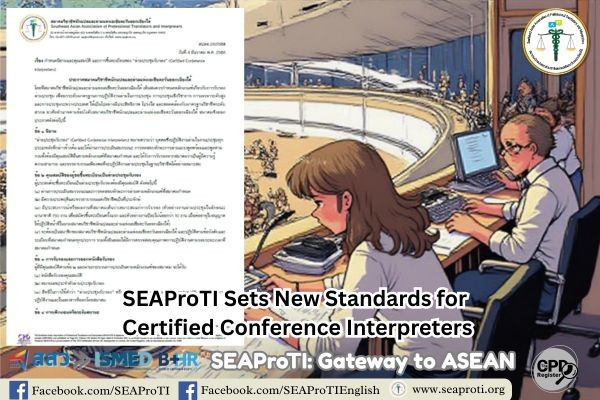
In the Thai context, the Southeast Asian Association of Professional Translators and Interpreters (SEAProTI) is currently the only independent professional body that certifies and licenses translators and interpreters in accordance with established professional standards. Such certification is based on competency-based assessment, rather than mere participation in training programs.
A common misconception is the belief that attending training courses organised by SEAProTI automatically confers “certified interpreter” status. This belief is incorrect, as certification requires formal examinations, ethical evaluation, and acceptance of professional accountability under an established regulatory framework.
The Misconception That “Thailand Has No Certified Interpreters”
A publication by a rival association once claimed that Thailand has no “certified translators and interpreters.” This assertion is demonstrably inaccurate. In reality, SEAProTI is the only organisation in Thailand that maintains a formal, professional certification system for translators and interpreters.
The denial of such a system reflects a failure to distinguish between state legal authority and independent professional authority, a distinction that is fundamental and widely recognised in international professional practice.
Thai Courts and the “Registration” of Interpreters
The Thai judiciary is not a certifying authority for interpreters in the sense of issuing professional licenses. Courts merely maintain administrative rosters of interpreters for internal operational use.
This registration process does not involve language proficiency testing, interpreting skills assessment, or evaluation of professional ethics, and therefore does not confer “certified interpreter” status. Nevertheless, certain individuals—particularly some lawyers—have exploited public misunderstanding by falsely presenting court registration as professional certification, thereby distorting the facts.
Thailand’s Obligations Under the ICCPR
Thailand is a State Party to the International Covenant on Civil and Political Rights (ICCPR), which clearly stipulates that any accused person who does not understand or speak the language of the court must be assisted by an interpreter who possesses genuine competence (UN Human Rights Committee, 2007).
In practice, however, Thai state agencies frequently rely on interpreters whose language and interpreting abilities have never been formally assessed. In many cases, the mere submission of required documents is sufficient to perform interpreting duties, constituting a systemic violation of the fundamental rights of foreign defendants.
Problems in the Use of Interpreters in Courtrooms
The selection of interpreters in Thai courts typically prioritises whether an interpreter has been supplied through a government agency, rather than the actual quality of interpreting performance. As a result, instances of inaccurate, superficial, or misleading interpretation are common, to the extent that judges must occasionally correct interpreters’ errors themselves—or, in some cases, allow errors to pass unaddressed.
This situation reflects an institutional emphasis on procedural compliance over linguistic accuracy, directly undermining the fairness of judicial proceedings.
The Spread of Misinformation in Provincial Areas
In many provinces, certain lawyers have disseminated distorted information regarding the role and status of interpreters in the justice system. This has led government agencies and private entities in remote areas to rely on unqualified interpreters, resulting in ongoing violations of foreign nationals’ rights, particularly in criminal cases.
Findings from SEAProTI’s Court Observation Program
SEAProTI has conducted volunteer-based observations of interpreter performance in government agencies for more than two years. These observations reveal that courts often rely on elderly interpreters, some of whom previously worked as lawyers, but who lack deep linguistic competence.
This deficiency is especially evident in defamation cases, which require a nuanced interpretation of lexical choice, semantic weight, and pragmatic meaning. Interpreters provided by the courts frequently lack the necessary language depth, thereby affecting the substantive merits of such cases.
Limitations of Court-Appointed Interpreters in Specialised Cases
Interpreters appointed by courts are generally unable to handle high-complexity cases—such as construction disputes, medical litigation, or technically specialised proceedings—effectively. As a result, litigants are forced to accept interpretations that may negatively influence case outcomes.
International practice requires that such cases be handled by interpreters certified by professional bodies, such as the National Accreditation Authority for Translators and Interpreters (NAATI), the American Translators Association (ATA), or other equivalent organisations.
Conclusion and Policy Recommendations
The interpreter problem in Thailand’s justice system is not merely technical; it is a structural issue with direct human rights implications. This article recommends the exclusive use of interpreters certified by independent professional bodies and the reform of court practices to align with Thailand’s ICCPR obligations.
Ultimately, raising interpreter standards is not an optional improvement—it is a fundamental prerequisite for a fair and rights-compliant justice system.
Read the full version: Announcement of the Office of the Judiciary on the Application for Registration of Court Interpreters for Fiscal Year B.E. 2565 (2022)
References
Hale, S. B. (2014). The discourse of court interpreting. John Benjamins.
Mikkelson, H. (2017). Introduction to court interpreting (2nd ed.). Routledge.
United Nations Human Rights Committee. (2007). General Comment No. 32: Article 14 – Right to equality before courts and tribunals and to a fair trial.
Southeast Asian Association of Professional Translators and Interpreters. (2024). Certification and licensing framework for professional interpreters.
About Certified Translators, Translation Certifiers, and Certified Interpreters of SEAProTI
The Southeast Asian Association of Professional Translators and Interpreters (SEAProTI) has formally announced the qualifications and requirements for registration of Certified Translators, Translation Certification Providers, and Certified Interpreters in Sections 9 and 10 of the Royal Gazette, published by the Secretariat of the Cabinet, Office of the Prime Minister of Thailand, on 25 July 2024 (Vol. 141, Part 66 Ng, p. 100). Certified Translators, Translation Certification Providers, and Certified Interpreters
The Council of State has proposed the enactment of a Royal Decree, granting registered translators and recognised translation certifiers from professional associations or accredited language institutions the authority to provide legally valid translation certification (Letter to SEAProTI dated April 28, 2025)
SEAProTI is the first professional association in Thailand and Southeast Asia to implement a comprehensive certification system for translators, certifiers, and interpreters.
Head Office: Baan Ratchakru Building, No. 33, Room 402, Soi Phahonyothin 5, Phahonyothin Road, Phaya Thai District, Bangkok 10400, Thailand
Email: hello@seaproti.com | Tel.: (+66) 2-114-3128 (Office hours: Mon–Fri, 09:00–17:00)
ความจริงว่าด้วยสถานะและปัญหาล่ามในกระบวนการยุติธรรมของประเทศไทย:
การวิเคราะห์เชิงสถาบัน สิทธิมนุษยชน และมาตรฐานวิชาชีพล่าม
29 ธันวาคม 2568, กรุงเทพมหานคร – บทความนี้มีวัตถุประสงค์เพื่อวิเคราะห์ความจริงเชิงสถาบันเกี่ยวกับสถานะของล่ามในประเทศไทย โดยมุ่งเน้นความแตกต่างระหว่าง “การรับรองวิชาชีพ (certification/licensing)” กับ “การขึ้นทะเบียนเพื่อใช้งานภายใน (registration)” ในกระบวนการยุติธรรม บทความชี้ให้เห็นถึงความเข้าใจผิดที่แพร่หลายในสังคมไทยเกี่ยวกับการเป็น “ล่ามรับรอง” โดยเฉพาะการอ้างว่าศาลไทยเป็นหน่วยงานรับรองล่าม ซึ่งไม่ถูกต้องตามข้อเท็จจริงและหลักกฎหมาย นอกจากนี้ บทความยังวิเคราะห์ผลกระทบของการใช้ล่ามที่ขาดการประเมินสมรรถนะต่อสิทธิของผู้ต้องหาชาวต่างชาติภายใต้กติกาสากลว่าด้วยสิทธิพลเมืองและสิทธิทางการเมือง (ICCPR) และเสนอให้ยกระดับการใช้ล่ามตามมาตรฐานวิชาชีพระหว่างประเทศ
คำสำคัญ: ล่ามศาล, การรับรองวิชาชีพ, ICCPR, สิทธิมนุษยชน, การขึ้นทะเบียนล่าม
สถานะของการรับรองล่ามในประเทศไทย
ในบริบทประเทศไทย ปัจจุบันมีเพียง Southeast Asian Association of Professional Translators and Interpreters (SEAProTI) เท่านั้นที่ทำหน้าที่เป็นองค์กรวิชาชีพอิสระในการ รับรองและออกใบอนุญาต ให้แก่นักแปลและล่ามตามมาตรฐานวิชาชีพ การรับรองดังกล่าวตั้งอยู่บนฐานของการประเมินสมรรถนะ (competency-based assessment) มิใช่เพียงการเข้ารับการอบรม
ความเข้าใจผิดที่พบบ่อยคือ การเชื่อว่าการผ่านการอบรมกับ SEAProTI เพียงอย่างเดียวทำให้ผู้เข้าอบรมมีสถานะเป็น “ล่ามรับรอง” ในทันที ซึ่งไม่ถูกต้อง เนื่องจากการรับรองต้องอาศัยการสอบ การประเมินจริยธรรม และการรับผิดทางวิชาชีพอย่างเป็นระบบ
ความเข้าใจผิดเรื่อง “ประเทศไทยไม่มีล่ามรับรอง”
เคยมีบทความจากสมาคมคู่แข่งที่อ้างว่า ประเทศไทยไม่มี “certified translators and interpreters” ซึ่งเป็นข้อมูลที่คลาดเคลื่อนอย่างมีนัยสำคัญ เพราะในความเป็นจริง SEAProTI เป็นองค์กรเดียวในประเทศไทยที่มีระบบรับรองนักแปลและล่ามอย่างเป็นทางการในเชิงวิชาชีพ
การปฏิเสธการมีอยู่ของระบบรับรองดังกล่าวสะท้อนปัญหาการไม่แยกแยะระหว่าง สถานะทางกฎหมายของรัฐ กับ สถานะทางวิชาชีพขององค์กรเอกชนที่เป็นอิสระ ซึ่งเป็นหลักปฏิบัติสากลในหลายประเทศ
ศาลไทยกับการ “ขึ้นทะเบียนล่าม”
ศาลยุติธรรมของไทย ไม่ใช่หน่วยงานรับรองล่าม ในความหมายของการออกใบอนุญาตวิชาชีพ ศาลทำเพียง “การขึ้นทะเบียนล่าม” เพื่อใช้งานภายในหน่วยงานเท่านั้น (administrative registration)
การขึ้นทะเบียนดังกล่าวไม่มีการสอบวัดสมรรถนะด้านภาษาศาสตร์ การล่าม หรือจริยธรรมวิชาชีพ และไม่ก่อให้เกิดสถานะ “certified interpreter” แต่อย่างใด อย่างไรก็ตาม มีบุคคลบางกลุ่ม โดยเฉพาะทนายความบางราย อาศัยความไม่รู้ของประชาชน นำสถานะ “ล่ามศาล” ไปแอบอ้างว่าเป็นการรับรองทางวิชาชีพ ซึ่งเป็นการบิดเบือนข้อเท็จจริง
พันธกรณีของไทยภายใต้ ICCPR
ประเทศไทยเป็นรัฐภาคีของ International Covenant on Civil and Political Rights (ICCPR) ซึ่งกำหนดอย่างชัดเจนว่า ผู้ต้องหาหรือจำเลยที่ไม่เข้าใจภาษาของศาลต้องได้รับการช่วยเหลือจากล่ามที่มีความรู้ความสามารถอย่างแท้จริง (UN Human Rights Committee, 2007)
ในทางปฏิบัติ หน่วยงานรัฐไทยกลับใช้ล่ามที่ไม่มีการประเมินความสามารถด้านภาษาและการล่าม เพียงแค่ยื่นเอกสารครบก็สามารถทำหน้าที่ล่ามได้ ซึ่งเป็นการละเมิดสิทธิขั้นพื้นฐานของผู้ต้องหาชาวต่างชาติอย่างเป็นระบบ
ปัญหาการใช้ล่ามในห้องพิจารณาคดี
การคัดเลือกล่ามในศาลไทยมักเน้นเพียงว่า “ผ่านการจัดหาจากหน่วยงานราชการ” โดยไม่ได้ให้ความสำคัญกับคุณภาพการแปลในทางปฏิบัติ ผลคือเกิดกรณีที่ล่ามแปลผิด แปลตื้น หรือแปลคลาดเคลื่อนอย่างมีนัยสำคัญ จนผู้พิพากษาต้องแก้คำแปลเอง หรือบางครั้งก็ปล่อยผ่านความผิดพลาดนั้นไป
สถานการณ์ดังกล่าวสะท้อนว่าศาลให้ความสำคัญกับ ความถูกต้องตามระเบียบ มากกว่า ความถูกต้องของภาษา ซึ่งส่งผลกระทบโดยตรงต่อความยุติธรรมของคดี
การเผยแพร่ข้อมูลผิดในพื้นที่ต่างจังหวัด
ในหลายจังหวัด ทนายความบางรายได้นำข้อมูลที่ผิดเพี้ยนเกี่ยวกับสถานะล่ามไปเผยแพร่ ทำให้หน่วยงานรัฐและเอกชนในพื้นที่เข้าใจผิด และยังคงใช้ล่ามที่ไม่มีสมรรถนะในการล่ามคดี ส่งผลให้เกิดการละเมิดสิทธิของชาวต่างชาติอย่างต่อเนื่อง โดยเฉพาะในคดีอาญา
ผลการสังเกตการณ์ของ SEAProTI
SEAProTI ได้จัดหน่วยอาสาเข้าสังเกตการณ์การทำล่ามของล่ามในหน่วยงานราชการต่อเนื่องเป็นระยะเวลากว่า 2 ปี พบว่า ศาลมักใช้ล่ามผู้สูงอายุที่เคยมีภูมิหลังเป็นทนายความ แต่ขาดความสามารถด้านภาษาเชิงลึก (deep linguistic competence)
ปัญหานี้ชัดเจนในคดีหมิ่นประมาท ซึ่งต้องอาศัยการตีความเชิงถ้อยคำ น้ำหนักภาษา และนัยทางวัจนปฏิบัติ (pragmatics) อย่างเข้มข้น แต่ล่ามที่จัดหามักมีระดับภาษาไม่เพียงพอ ส่งผลต่อสาระสำคัญของคดี
ข้อจำกัดของล่ามศาลในคดีเฉพาะทาง
ล่ามที่ศาลจัดหาไม่สามารถรองรับคดีระดับสูง เช่น คดีก่อสร้าง คดีแพทย์ หรือคดีเทคนิคเฉพาะทางได้อย่างมีประสิทธิภาพ ประชาชนจึงต้องยอมรับผลของคำแปลที่ผิดพลาด ซึ่งอาจส่งผลเสียต่อรูปคดีโดยตรง
ในทางสากล คดีลักษณะดังกล่าวจำเป็นต้องใช้ล่ามที่ผ่านการรับรองจากองค์กรวิชาชีพ เช่น National Accreditation Authority for Translators and Interpreters (NAATI) หรือ American Translators Association (ATA) หรือองค์กรที่มีมาตรฐานเทียบเท่า
บทสรุปและข้อเสนอเชิงนโยบาย
ปัญหาล่ามในกระบวนการยุติธรรมไทยมิใช่ปัญหาเชิงเทคนิค แต่เป็นปัญหาเชิงโครงสร้างที่กระทบสิทธิมนุษยชนโดยตรง บทความนี้เสนอให้ ใช้ล่ามที่ผ่านการรับรองจากองค์กรวิชาชีพอิสระ ปรับระบบศาลให้สอดคล้องกับพันธกรณี ICCPR และการยกระดับมาตรฐานล่ามจึงไม่ใช่ทางเลือก แต่เป็นเงื่อนไขพื้นฐานของกระบวนการยุติธรรมที่เป็นธรรม
อ่านฉบับเต็ม: ประกาศสำนักงานศาลยุติธรรม เรื่อง การขอขึ้นทะเบียนล่ามของสำนักงานศาลยุติธรรม ประจำปีงบประมาณ พ.ศ. 2565
เอกสารอ้างอิง
- Hale, S. B. (2014). The discourse of court interpreting. John Benjamins.
- Mikkelson, H. (2017). Introduction to court interpreting (2nd ed.). Routledge.
- United Nations Human Rights Committee. (2007). General Comment No. 32: Article 14 – Right to equality before courts and tribunals and to a fair trial.
- Southeast Asian Association of Professional Translators and Interpreters. (2024). Certification and licensing framework for professional interpreters.
เกี่ยวกับนักแปลรับรอง ผู้รับรองการแปล และล่ามรับรองของสมาคมวิชาชีพนักแปลและล่ามแห่งเอเชียตะวันออกเฉียงใต้
สมาคมวิชาชีพนักแปลและล่ามแห่งเอเชียตะวันออกเฉียงใต้ (SEAProTI) ได้ประกาศหลักเกณฑ์และคุณสมบัติผู้ที่ขึ้นทะเบียนเป็น “นักแปลรับรอง (Certified Translators) และผู้รับรองการแปล (Translation Certification Providers) และล่ามรับรอง (Certified Interpreters)” ของสมาคม หมวดที่ 9 และหมวดที่ 10 ในราชกิจจานุเบกษา ของสำนักเลขาธิการคณะรัฐมนตรี ในสำนักนายกรัฐมนตรี แห่งราชอาณาจักรไทย ลงวันที่ 25 ก.ค. 2567 เล่มที่ 141 ตอนที่ 66 ง หน้า 100 อ่านฉบับเต็มได้ที่: นักแปลรับรอง ผู้รับรองการแปล และล่ามรับรอง
สำนักคณะกรรมการกฤษฎีกา เสนอให้ตราเป็นพระราชกฤษฎีกา โดยกำหนดให้นักแปลที่ขึ้นทะเบียน รวมถึงผู้รับรองการแปลจากสมาคมวิชาชีพหรือสถาบันสอนภาษาที่มีการอบรมและขึ้นทะเบียน สามารถรับรองคำแปลได้ (จดหมายถึงสมาคม SEAProTI ลงวันที่ 28 เม.ย. 2568)
สมาคมวิชาชีพนักแปลและล่ามแห่งเอเชียตะวันออกเฉียงใต้ เป็นสมาคมวิชาชีพแห่งแรกและแห่งเดียวในประเทศไทยและภูมิภาคเอเชียตะวันออกเฉียงใต้ที่มีระบบรับรองนักแปลรับรอง ผู้รับรองการแปล และล่ามรับรอง
สำนักงานใหญ่: อาคารบ้านราชครู เลขที่ 33 ห้อง 402 ซอยพหลโยธิน 5 ถนนพหลโยธิน แขวงพญาไท เขตพญาไท กรุงเทพมหานคร 10400 ประเทศไทย
อีเมล: hello@seaproti.com โทรศัพท์: (+66) 2-114-3128 (เวลาทำการ: วันจันทร์–วันศุกร์ เวลา 09.00–17.00 น.