


Intellectual Property Disputes in Thailand
and the Crucial Role of Certified Translators and Certified Interpreters in Legal Proceedings
9 July 2026, Bangkok — Technology, innovation, and creativity drive the world at an unprecedented pace in the 21st century. Although these creations are intangible, they possess significant economic value and can be bought, sold, and transferred and generate income for their creators in much the same way as tangible assets. For this reason, the protection of intellectual property rights (IPR) is a vital legal mechanism that must be rigorously enforced.
What Is Intellectual Property?
Intellectual property refers to works or ideas arising from human intellect and creativity, such as product designs, scientific discoveries, literary works, artistic creations, music, and software, as well as brands, trade names, and company logos. Intellectual property assets hold significant value and are susceptible to copying, counterfeiting, or unauthorized use.
Effective management of intellectual property, together with a clear understanding of the legal mechanisms for enforcing rights, is therefore essential for both inventors and businesses.
Intellectual Property Rights in Thailand
Thailand has evolved from being primarily a major tourist destination into a newly industrialized country driven by investment, digital technology, and innovation. As a result, the state has sought to strengthen and modernize its intellectual property protection framework to support creativity across all sectors.
Although counterfeit and infringing goods remain an ongoing concern, the Department of Intellectual Property (DIP) under the Ministry of Commerce has implemented continuous reforms in both legislation and enforcement. In 2021, the DIP started an online platform for settling intellectual property disputes. This helped rights holders get justice faster and at a lower cost.
Common Types of Intellectual Property in Thailand
1) Trademarks
Trademarks are used to distinguish the source of goods or services, such as names, logos, colors, or other commercial symbols. They must be distinctive and not identical or confusingly similar to existing registrations. Trademark registration is required for legal protection.
2) Patents
Patents protect inventions such as new products, processes, or formulations, granting exclusive rights to the owner for a period of 20 years under the Patent Act.
3) Copyrights
Copyright protects the expression of ideas, including literary works, music, films, photographs, and software. Protection lasts for the lifetime of the creator and for 50 years after death.
4) Trade Secrets
Trade secrets cover confidential business information, such as formulas, systems, or strategies that provide a competitive advantage, protected under the Trade Secrets Act.
Intellectual Property Disputes
When someone breaks the law by copying someone else’s work, imitating a product, or using someone else’s work without giving them credit, there is a disagreement between the rights holder and the person who broke the law. In the digital era, where information and creative works circulate rapidly, such disputes have become increasingly common, both intentionally and unintentionally.
Legal Remedies for the Protection of Rights
Criminal Enforcement
This type of litigation is the most commonly used approach in Thailand and involves filing complaints, conducting searches and seizures, and gathering evidence prior to court proceedings.
Civil Enforcement
Rights holders may claim damages and seek permanent injunctions to prevent further infringement. Although civil proceedings are more time-consuming and costly, they provide direct economic remedies.
The Role of Certified Translators and Certified Interpreters in Intellectual Property Cases
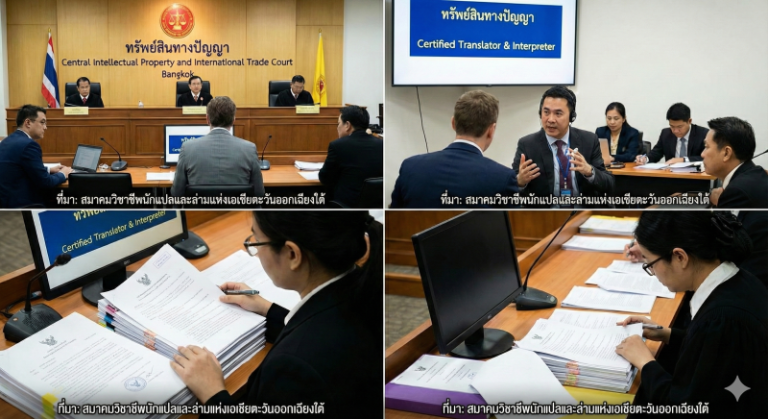
In practice, many intellectual property disputes in Thailand involve foreign parties, including investors, multinational corporations, and overseas rights holders. As a result, documents such as contracts, pleadings, evidence, and witness statements are often in foreign languages.
In this context, the roles of certified translators, translation certification providers, and certified interpreters are critical for guaranteeing the accuracy, credibility, and official acceptance of documents and oral communication within the justice system. Even minor translation errors can significantly affect the interpretation of rights, liabilities, and case outcomes.
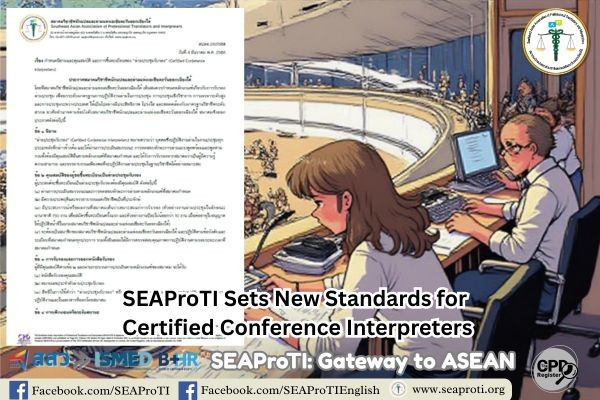
The Southeast Asian Association of Professional Translators and Interpreters (SEAProTI) plays a key role in setting professional standards, certifying qualified translators and interpreters, and promoting ethics, accountability, and specialized expertise in legal and judicial contexts.
Engaging certified professionals who operate under recognized professional standards helps to:
- Ensure legal documents are accepted by courts and government authorities
- Reduce the risk of mistranslation or misinterpretation
- Enhance fairness for all parties, particularly foreign litigants
Conclusion
Intellectual property lies at the heart of the modern economy. Effective protection of rights, dispute resolution, and litigation depend not only on legal frameworks but also on accurate and formal cross-language communication. Certified translators, translation certification providers, and certified interpreters therefore serve as essential mechanisms linking law, technology, and justice within Thailand’s intellectual property system.
About Certified Translators, Translation Certifiers, and Certified Interpreters of SEAProTI
The Southeast Asian Association of Professional Translators and Interpreters (SEAProTI) has officially shared the qualifications and requirements for becoming Certified Translators, Translation Certification Providers, and Certified Interpreters in Sections 9 and 10 of the Royal Gazette, which was published by the Prime Minister’s Office in Thailand on July 25, 2024. Certified Translators, Translation Certification Providers, and Certified Interpreters
The Council of State has proposed the enactment of a Royal Decree, granting registered translators and recognised translation certifiers from professional associations or accredited language institutions the authority to provide legally valid translation certification (Letter to SEAProTI dated April 28, 2025)
SEAProTI is the first professional association in Thailand and Southeast Asia to implement a comprehensive certification system for translators, certifiers, and interpreters.
Head Office: Baan Ratchakru Building, No. 33, Room 402, Soi Phahonyothin 5, Phahonyothin Road, Phaya Thai District, Bangkok 10400, Thailand
Email: hello@seaproti.com | Tel.: (+66) 2-114-3128 (Office hours: Mon–Fri, 09:00–17:00)
ข้อพิพาทด้านทรัพย์สินทางปัญญาในประเทศไทย
พร้อมบทบาทสำคัญของนักแปลรับรองและล่ามรับรองในกระบวนการทางกฎหมาย
9 กรกฎาคม 2569, กรุงเทพมหานคร – ในศตวรรษที่ 21 โลกขับเคลื่อนด้วยเทคโนโลยี นวัตกรรม และความคิดสร้างสรรค์อย่างเข้มข้น ผลงานเหล่านี้แม้จะเป็นสิ่งที่จับต้องไม่ได้ แต่กลับมีมูลค่าทางเศรษฐกิจสูง สามารถซื้อขาย โอนสิทธิ และสร้างรายได้ให้แก่ผู้คิดค้นได้ไม่ต่างจากทรัพย์สินที่เป็นรูปธรรม ด้วยเหตุนี้ การคุ้มครองสิทธิในทรัพย์สินทางปัญญา (Intellectual Property Rights) จึงเป็นกลไกทางกฎหมายที่มีความสำคัญอย่างยิ่ง และต้องได้รับการบังคับใช้อย่างจริงจัง
ทรัพย์สินทางปัญญาคืออะไร
ทรัพย์สินทางปัญญาหมายถึงผลงานหรือแนวคิดที่เกิดจากสติปัญญาและความคิดสร้างสรรค์ของมนุษย์ เช่น การออกแบบผลิตภัณฑ์ การค้นพบทางวิทยาศาสตร์ งานวรรณกรรม งานศิลปะ ดนตรี ซอฟต์แวร์ ตลอดจนแบรนด์ ชื่อทางการค้า และโลโก้ของบริษัท สิ่งเหล่านี้ล้วนเป็นทรัพย์สินที่มีคุณค่า และมีความเสี่ยงสูงต่อการถูกลอกเลียนแบบ ปลอมแปลง หรือถูกนำไปใช้โดยไม่ได้รับอนุญาต
การบริหารจัดการทรัพย์สินทางปัญญาอย่างเป็นระบบ และการเข้าใจกลไกทางกฎหมายในการบังคับใช้สิทธิ จึงเป็นเรื่องจำเป็นสำหรับทั้งนักประดิษฐ์และภาคธุรกิจ
สิทธิในทรัพย์สินทางปัญญาในประเทศไทย
ประเทศไทยได้พัฒนาจากประเทศท่องเที่ยวสำคัญ สู่การเป็นประเทศอุตสาหกรรมใหม่ที่ขับเคลื่อนด้วยการลงทุน เทคโนโลยีดิจิทัล และนวัตกรรม รัฐจึงต้องเสริมสร้างระบบคุ้มครองทรัพย์สินทางปัญญาให้มีความทันสมัยและมีประสิทธิภาพ เพื่อรองรับการสร้างสรรค์ในทุกภาคส่วน
แม้ปัญหาสินค้าละเมิดและสินค้าปลอมแปลงยังคงพบได้ แต่กรมทรัพย์สินทางปัญญา (DIP) ภายใต้กระทรวงพาณิชย์ ได้ดำเนินการปฏิรูปทั้งในด้านกฎหมายและการบังคับใช้ รวมถึงการเปิดระบบออนไลน์สำหรับการระงับข้อพิพาทด้านทรัพย์สินทางปัญญาในปี พ.ศ. 2564 ซึ่งช่วยลดเวลา ค่าใช้จ่าย และเพิ่มการเข้าถึงกระบวนการยุติธรรมให้แก่ผู้ทรงสิทธิ
ประเภทของทรัพย์สินทางปัญญาที่พบได้บ่อยในประเทศไทย
1) เครื่องหมายการค้า (Trademarks)
ใช้เพื่อแยกแยะที่มาของสินค้าและบริการ เช่น ชื่อ โลโก้ สี หรือสัญลักษณ์ทางการค้า ต้องมีลักษณะเฉพาะและไม่ซ้ำกับผู้อื่น และต้องจดทะเบียนจึงจะได้รับความคุ้มครองตามกฎหมาย
2) สิทธิบัตร (Patents)
คุ้มครองการประดิษฐ์ เช่น ผลิตภัณฑ์ กระบวนการ หรือสูตรใหม่ โดยให้สิทธิแต่เพียงผู้เดียวแก่เจ้าของเป็นระยะเวลา 20 ปี ตามพระราชบัญญัติสิทธิบัตร
3) ลิขสิทธิ์ (Copyrights)
คุ้มครองรูปแบบการแสดงออกของแนวคิด เช่น งานเขียน ดนตรี ภาพยนตร์ ภาพถ่าย และซอฟต์แวร์ โดยคุ้มครองตลอดอายุผู้สร้างสรรค์ และต่ออีก 50 ปีหลังถึงแก่ความตาย
4) ความลับทางการค้า (Trade Secrets)
ครอบคลุมข้อมูลลับทางธุรกิจ เช่น สูตร ระบบ หรือกลยุทธ์ ซึ่งเป็นความได้เปรียบในการแข่งขัน และได้รับความคุ้มครองตามพระราชบัญญัติความลับทางการค้า
ข้อพิพาทด้านทรัพย์สินทางปัญญา
เมื่อมีการละเมิดสิทธิ เช่น การละเมิดลิขสิทธิ์ การลอกเลียนแบบสินค้า หรือการนำผลงานผู้อื่นไปใช้โดยไม่ให้เครดิต ย่อมนำไปสู่ข้อพิพาทระหว่างผู้ทรงสิทธิและผู้ละเมิด ในยุคดิจิทัลที่ข้อมูลและผลงานเผยแพร่ได้ง่าย ข้อพิพาทลักษณะนี้จึงเกิดขึ้นบ่อย ทั้งโดยเจตนาและไม่เจตนา
มาตรการทางกฎหมายในการคุ้มครองสิทธิ
การดำเนินคดีทางอาญา
เป็นแนวทางที่ใช้บ่อยในประเทศไทย โดยเกี่ยวข้องกับการร้องทุกข์ การตรวจค้น และการรวบรวมพยานหลักฐานก่อนขึ้นสู่ศาล
การดำเนินคดีทางแพ่ง
ผู้ทรงสิทธิสามารถเรียกค่าเสียหาย และขอให้ศาลมีคำสั่งห้ามถาวรไม่ให้มีการละเมิดต่อไป แม้จะใช้เวลานานและมีค่าใช้จ่ายสูงกว่า แต่ให้ผลในเชิงการเยียวยาทางเศรษฐกิจโดยตรง
บทบาทของนักแปลรับรองและล่ามรับรองในคดีทรัพย์สินทางปัญญา
ในทางปฏิบัติ ข้อพิพาทด้านทรัพย์สินทางปัญญาในประเทศไทยจำนวนมากเกี่ยวข้องกับคู่กรณีต่างชาติ ไม่ว่าจะเป็นนักลงทุน บริษัทข้ามชาติ หรือเจ้าของผลงานจากต่างประเทศ เอกสาร สัญญา คำร้อง พยานหลักฐาน และคำให้การจึงมักอยู่ในภาษาต่างประเทศ
ในบริบทนี้ บทบาทของ
- นักแปลรับรอง (Certified Translators)
- ผู้รับรองการแปล (Translation Certification Providers)
- ล่ามรับรอง (Certified Interpreters)
มีความสำคัญอย่างยิ่งต่อความถูกต้อง ความน่าเชื่อถือ และการยอมรับของเอกสารในกระบวนการยุติธรรม การแปลที่คลาดเคลื่อนเพียงเล็กน้อยอาจกระทบต่อการตีความสิทธิ ความรับผิด และผลของคดีได้โดยตรง
สมาคมวิชาชีพนักแปลและล่ามแห่งเอเชียตะวันออกเฉียงใต้ (SEAProTI) มีบทบาทสำคัญในการกำหนดมาตรฐานวิชาชีพ รับรองคุณสมบัติของนักแปลและล่าม ตลอดจนส่งเสริมจริยธรรม ความรับผิด และความเชี่ยวชาญเฉพาะด้านกฎหมายและการพิจารณาคดี
การใช้นักแปลรับรองและล่ามรับรองที่อยู่ภายใต้มาตรฐานของสมาคมวิชาชีพ จึงช่วยให้
- เอกสารทางกฎหมายได้รับการยอมรับจากศาลและหน่วยงานรัฐ
- ลดความเสี่ยงจากการแปลผิดหรือการตีความคลาดเคลื่อน
- เสริมความเป็นธรรมให้แก่คู่กรณีทุกฝ่าย โดยเฉพาะชาวต่างชาติ
บทสรุป
ทรัพย์สินทางปัญญาเป็นหัวใจของเศรษฐกิจยุคใหม่ การคุ้มครองสิทธิ การจัดการข้อพิพาท และการดำเนินคดีอย่างมีประสิทธิภาพ ไม่ได้ขึ้นอยู่กับกฎหมายเพียงอย่างเดียว แต่ยังต้องอาศัย การสื่อสารที่ถูกต้องและเป็นทางการข้ามภาษา นักแปลรับรอง ผู้รับรองการแปล และล่ามรับรองจึงเป็นกลไกสำคัญที่ช่วยเชื่อมโยงกฎหมาย เทคโนโลยี และความยุติธรรมเข้าด้วยกันอย่างเป็นรูปธรรมในระบบทรัพย์สินทางปัญญาของประเทศไทย
เกี่ยวกับนักแปลรับรอง ผู้รับรองการแปล และล่ามรับรองของสมาคมวิชาชีพนักแปลและล่ามแห่งเอเชียตะวันออกเฉียงใต้
สมาคมวิชาชีพนักแปลและล่ามแห่งเอเชียตะวันออกเฉียงใต้ (SEAProTI) ได้ประกาศหลักเกณฑ์และคุณสมบัติผู้ที่ขึ้นทะเบียนเป็น “นักแปลรับรอง (Certified Translators) และผู้รับรองการแปล (Translation Certification Providers) และล่ามรับรอง (Certified Interpreters)” ของสมาคม หมวดที่ 9 และหมวดที่ 10 ในราชกิจจานุเบกษา ของสำนักเลขาธิการคณะรัฐมนตรี ในสำนักนายกรัฐมนตรี แห่งราชอาณาจักรไทย ลงวันที่ 25 ก.ค. 2567 เล่มที่ 141 ตอนที่ 66 ง หน้า 100 อ่านฉบับเต็มได้ที่: นักแปลรับรอง ผู้รับรองการแปล และล่ามรับรอง
สำนักคณะกรรมการกฤษฎีกา เสนอให้ตราเป็นพระราชกฤษฎีกา โดยกำหนดให้นักแปลที่ขึ้นทะเบียน รวมถึงผู้รับรองการแปลจากสมาคมวิชาชีพหรือสถาบันสอนภาษาที่มีการอบรมและขึ้นทะเบียน สามารถรับรองคำแปลได้ (จดหมายถึงสมาคม SEAProTI ลงวันที่ 28 เม.ย. 2568)
สมาคมวิชาชีพนักแปลและล่ามแห่งเอเชียตะวันออกเฉียงใต้ เป็นสมาคมวิชาชีพแห่งแรกและแห่งเดียวในประเทศไทยและภูมิภาคเอเชียตะวันออกเฉียงใต้ที่มีระบบรับรองนักแปลรับรอง ผู้รับรองการแปล และล่ามรับรอง
สำนักงานใหญ่: อาคารบ้านราชครู เลขที่ 33 ห้อง 402 ซอยพหลโยธิน 5 ถนนพหลโยธิน แขวงพญาไท เขตพญาไท กรุงเทพมหานคร 10400 ประเทศไทย
อีเมล: hello@seaproti.com โทรศัพท์: (+66) 2-114-3128 (เวลาทำการ: วันจันทร์–วันศุกร์ เวลา 09.00–17.00 น.