




Legalization of Foreign Documents for Use in Thailand:
The Authority of the Department of Consular Affairs and the Principle of Public Documents
27 December 2025, Bangkok — The use of foreign documents in Thailand requires compliance with document legalization procedures prescribed by law and by the administrative practice of the Ministry of Foreign Affairs. Central to this process is the role of the Department of Consular Affairs, which serves as the primary authority responsible for certifying documents so that they may be accepted by Thai state agencies. However, as a matter of law, the Department of Consular Affairs does not possess unlimited authority to legalize all categories of documents. Its authority is strictly confined to public documents only.
This article aims to explain the types of seals commonly appearing on foreign official documents, analyze the sequence of document legalization, and emphasize the limits of the Department of Consular Affairs’ authority in accordance with principles of international law and Thai administrative practice.
Cross-Border Mobility and the Growing Use of Foreign Documents
The increasing cross-border movement of individuals, businesses, and legal relationships has led to a steady rise in the use of foreign documents in Thailand. These documents include civil registration records, court judgments, academic certificates, and commercial documents. For such documents to produce legal effects within the Thai legal system, they must undergo a formal process of legalization as prescribed by the state. In this process, the Department of Consular Affairs functions as the final checkpoint on the Thai side.
A common misconception, however, is the belief that the Department of Consular Affairs is authorized to legalize all types of documents. In reality, this authority is clearly and narrowly defined.
The Concept of “Public Documents” in International Law
In international legal practice, public documents generally refer to documents issued by state authorities or by persons exercising public authority under the law, including:
- Documents issued by civil registry offices, courts, or ministries;
- Administrative documents or official orders issued by the state; and
- Documents in which a public official certifies a signature or personal status in the capacity of a Notary Public.
Under the Hague Convention Abolishing the Requirement of Legalization for Foreign Public Documents (Apostille Convention), only documents that qualify as public documents are eligible for the issuance of an Apostille and for cross-border use. The same principle underlies Thai practice, even in cases where documents are legalized through traditional consular channels rather than through the Apostille system.
Types of Seals Found on Foreign Documents
Seals appearing on foreign documents submitted for legalization in Thailand may be categorized according to the stages of certification:
- First, the seal of the issuing authority establishes the document’s original status as a public document.
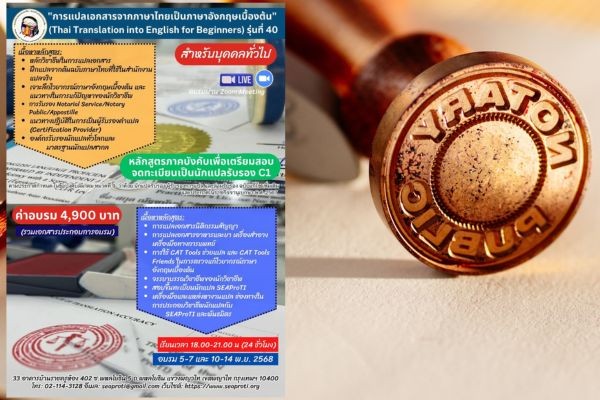
- Second, the seal of a Notary Public, commonly found on private documents that have been elevated to public-document status solely for the purpose of certifying signatures or copies.
- Third, the seal of a Thai embassy or consulate abroad, used when the issuing country is not a party to the Apostille Convention.
- Fourth, the Apostille itself, which replaces consular legalization.
- Finally, the legalization seal was affixed by the Department of Consular Affairs in Thailand.
The Scope of Authority of the Department of Consular Affairs: Public Documents Only
A critical point that must be emphasized is that the Department of Consular Affairs has no authority to legalize private documents directly, such as contracts between private parties, invoices, or documents lacking certification by a public authority. Such private documents must first be converted into documents with public character, for example, through notarization by a Notary Public or another authority recognized under the law of the issuing country.
Legalization by the Department of Consular Affairs therefore, constitutes certification of the signature and official capacity of the issuing authority, not verification of the substantive content of the document. Misinterpretation of this limitation frequently results in public misunderstanding and may lead to disputes among service users, government agencies, and professionals involved in translation and document certification.
Translated Documents and their Legal Status
Although the Department of Consular Affairs legalizes only public documents, translated documents play an essential role in practical administrative proceedings in Thailand. Nevertheless, a translation certification stamp merely confirms linguistic accuracy. It does not transform a private document into a public document and does not fall within the Department’s legalization authority.
Conclusion
The legalization of foreign documents for use in Thailand is grounded in principles consistent with international law: the state certifies only documents that possess the legal status of public documents. The role of the Department of Consular Affairs is therefore limited to certifying the lawful authority behind a document, not its content. A clear understanding of these limits is essential for the public, professionals, and state agencies alike to avoid confusion and reduce unnecessary administrative burdens.
References
- Department of Consular Affairs, Ministry of Foreign Affairs of Thailand. (n.d.). Legalization of documents.
- Hague Conference on Private International Law. (1961). Convention abolishing the requirement of legalization for foreign public documents (Apostille Convention).
- Ministry of Foreign Affairs of Thailand. (2023). Guidelines on the legalization of foreign documents for use in Thailand.
- Trung, T. N., & Otto, D. (2018). Public documents and cross-border legal recognition. Journal of Private International Law, 14(2), 245–268.
About Certified Translators, Translation Certifiers, and Certified Interpreters of SEAProTI
The Southeast Asian Association of Professional Translators and Interpreters (SEAProTI) has formally announced the qualifications and requirements for registration of Certified Translators, Translation Certification Providers, and Certified Interpreters in Sections 9 and 10 of the Royal Gazette, published by the Secretariat of the Cabinet, Office of the Prime Minister of Thailand, on 25 July 2024 (Vol. 141, Part 66 Ng, p. 100). Certified Translators, Translation Certification Providers, and Certified Interpreters
The Council of State has proposed the enactment of a Royal Decree, granting registered translators and recognised translation certifiers from professional associations or accredited language institutions the authority to provide legally valid translation certification (Letter to SEAProTI dated April 28, 2025)
SEAProTI is the first professional association in Thailand and Southeast Asia to implement a comprehensive certification system for translators, certifiers, and interpreters.
Head Office: Baan Ratchakru Building, No. 33, Room 402, Soi Phahonyothin 5, Phahonyothin Road, Phaya Thai District, Bangkok 10400, Thailand
Email: hello@seaproti.com | Tel.: (+66) 2-114-3128 (Office hours: Mon–Fri, 09:00–17:00)
การรับรองตราประทับเอกสารจากต่างประเทศเพื่อใช้ในประเทศไทย:
ขอบเขตอำนาจของกรมการกงสุลและหลักเอกสารมหาชน
27 ธันวาคม 2568, กรุงเทพมหานคร – การนำเอกสารจากต่างประเทศมาใช้ในประเทศไทยจำเป็นต้องผ่านกระบวนการรับรองเอกสารตามกฎหมายและแนวปฏิบัติของกระทรวงการต่างประเทศ โดยเฉพาะการรับรองของ กรมการกงสุล ซึ่งเป็นหน่วยงานหลักที่มีอำนาจรับรองเอกสารเพื่อให้หน่วยงานไทยยอมรับ อย่างไรก็ตาม ในทางกฎหมาย กรมการกงสุลมิได้มีอำนาจรับรองเอกสารทุกประเภท หากแต่จำกัดอยู่เฉพาะ “เอกสารมหาชน” (public documents) เท่านั้น บทความนี้มีวัตถุประสงค์เพื่ออธิบายประเภทของตราประทับที่ปรากฏบนเอกสารราชการจากต่างประเทศ วิเคราะห์ลำดับการรับรองเอกสาร และเน้นย้ำขอบเขตอำนาจของกรมการกงสุลตามหลักกฎหมายระหว่างประเทศและแนวปฏิบัติของรัฐไทย
การเคลื่อนย้ายบุคคล ธุรกิจ และความสัมพันธ์ทางกฎหมายข้ามพรมแดน ส่งผลให้เอกสารจากต่างประเทศถูกนำมาใช้ในประเทศไทยเพิ่มขึ้นอย่างต่อเนื่อง ไม่ว่าจะเป็นเอกสารด้านทะเบียนราษฎร์ คำพิพากษาศาล ใบรับรองทางการศึกษา หรือเอกสารทางพาณิชย์ เพื่อให้เอกสารเหล่านี้มีผลใช้ได้ในระบบกฎหมายไทย จำเป็นต้องผ่านกระบวนการ “รับรองเอกสาร” (legalisation) ตามขั้นตอนที่รัฐกำหนด ซึ่งกรมการกงสุลทำหน้าที่เป็นด่านสุดท้ายในฝั่งประเทศไทย อย่างไรก็ดี ความเข้าใจคลาดเคลื่อนที่พบบ่อยคือการเชื่อว่ากรมการกงสุลสามารถรับรองเอกสารได้ทุกชนิด ทั้งที่ในความเป็นจริงอำนาจดังกล่าวถูกจำกัดอย่างชัดเจน
แนวคิดเรื่อง “เอกสารมหาชน” ในกฎหมายระหว่างประเทศ
เอกสารมหาชน (public documents) โดยทั่วไปหมายถึงเอกสารที่ออกโดยหน่วยงานของรัฐ หรือผู้ใช้อำนาจรัฐตามกฎหมาย เช่น
(1) เอกสารที่ออกโดยหน่วยงานทะเบียน ศาล หรือกระทรวง
(2) เอกสารทางปกครองหรือคำสั่งของรัฐ
(3) เอกสารที่เจ้าพนักงานรับรองลายมือชื่อหรือสถานะบุคคลในฐานะ Notary Public
ภายใต้อนุสัญญากรุงเฮกว่าด้วยการยกเลิกข้อกำหนดการรับรองเอกสารโดยสถานทูตหรือกงสุล (Hague Apostille Convention) เอกสารที่อยู่ในข่ายเอกสารมหาชนเท่านั้นที่สามารถออก Apostille และถูกนำไปใช้ข้ามประเทศได้ หลักการเดียวกันนี้ถูกนำมาใช้ในแนวปฏิบัติของประเทศไทย แม้ในกรณีที่เอกสารไม่ได้ผ่าน Apostille แต่ใช้การรับรองแบบดั้งเดิมผ่านสถานทูตและกรมการกงสุล
ประเภทตราประทับที่ปรากฏในเอกสารจากต่างประเทศ
ตราประทับที่พบในเอกสารซึ่งยื่นต่อกรมการกงสุลสามารถแบ่งออกเป็นหลายระดับตามลำดับขั้นของการรับรอง ได้แก่
- ประการแรก ตราประทับของหน่วยงานผู้ออกเอกสาร (issuing authority) ซึ่งเป็นฐานสำคัญที่แสดงว่าเอกสารนั้นเป็นเอกสารมหาชนตั้งแต่ต้นทาง
- ประการที่สอง ตราประทับ Notary Public ซึ่งมักพบในเอกสารเอกชนที่ถูกยกระดับให้มีสถานะเป็นเอกสารมหาชนเฉพาะในส่วนของการรับรองลายมือชื่อหรือสำเนา
- ประการที่สาม ตราประทับของสถานทูตหรือสถานกงสุลไทยในต่างประเทศ ซึ่งใช้ในกรณีประเทศต้นทางไม่เป็นภาคี Apostille
- ประการที่สี่ ตราประทับ Apostille ซึ่งทำหน้าที่แทนการรับรองโดยสถานทูต
- และประการสุดท้าย คือ ตราประทับรับรองของกรมการกงสุลในประเทศไทย
ขอบเขตอำนาจของกรมการกงสุล: รับรองเฉพาะเอกสารมหาชน
ประเด็นสำคัญที่ต้องเน้นย้ำคือ กรมการกงสุล ไม่มีอำนาจรับรองเอกสารเอกชนโดยตรง เช่น สัญญาระหว่างเอกชน ใบแจ้งหนี้ หรือเอกสารที่ไม่มีการรับรองโดยผู้ใช้อำนาจรัฐ เอกสารเอกชนเหล่านี้จะต้องถูก “แปลงสถานะ” ให้มีลักษณะเป็นเอกสารมหาชนเสียก่อน เช่น ผ่านการรับรองลายมือชื่อโดย Notary Public หรือหน่วยงานที่กฎหมายประเทศต้นทางรับรอง
การรับรองของกรมการกงสุลจึงเป็นการรับรอง “ลายมือชื่อและอำนาจของผู้ลงนามหรือผู้ออกเอกสารในฐานะเจ้าหน้าที่รัฐ” มิใช่การรับรองความถูกต้องของเนื้อหาในเอกสาร การตีความขอบเขตอำนาจนี้อย่างไม่ถูกต้องนำไปสู่ความเข้าใจผิดของประชาชน และก่อให้เกิดข้อพิพาทระหว่างผู้ใช้บริการ หน่วยงานรัฐ และผู้ประกอบวิชาชีพด้านการแปลและการรับรองเอกสาร
เอกสารแปลและสถานะทางกฎหมาย
แม้กรมการกงสุลจะรับรองเฉพาะเอกสารมหาชน แต่ในการใช้งานจริง เอกสารแปลมีบทบาทสำคัญในกระบวนการพิจารณาของหน่วยงานไทย อย่างไรก็ดี ตราประทับรับรองคำแปลเป็นเพียงการรับรองความตรงกันของภาษา มิได้เปลี่ยนสถานะเอกสารเอกชนให้กลายเป็นเอกสารมหาชน และไม่อยู่ในขอบเขตการรับรองของกรมการกงสุลโดยตรง
บทสรุป
การรับรองเอกสารจากต่างประเทศเพื่อใช้ในประเทศไทยตั้งอยู่บนหลักการพื้นฐานเดียวกันกับกฎหมายระหว่างประเทศ กล่าวคือ รัฐจะรับรองเฉพาะเอกสารที่มีสถานะเป็นเอกสารมหาชนเท่านั้น บทบาทของกรมการกงสุลจึงเป็นการรับรองความชอบด้วยอำนาจของเอกสาร ไม่ใช่การรับรองเนื้อหา การทำความเข้าใจขอบเขตอำนาจดังกล่าวอย่างถูกต้องเป็นสิ่งจำเป็นทั้งต่อประชาชน ผู้ประกอบวิชาชีพ และหน่วยงานของรัฐ เพื่อหลีกเลี่ยงความสับสนและลดภาระที่ไม่จำเป็นในกระบวนการทางปกครอง
เอกสารอ้างอิง
- Department of Consular Affairs, Ministry of Foreign Affairs of Thailand. (n.d.). Legalization of documents.
- Hague Conference on Private International Law. (1961). Convention abolishing the requirement of legalization for foreign public documents (Apostille Convention).
- Ministry of Foreign Affairs of Thailand. (2023). Guidelines on legalization of foreign documents for use in Thailand.
- Trung, T. N., & Otto, D. (2018). Public documents and cross-border legal recognition. Journal of Private International Law, 14(2), 245–268.
เกี่ยวกับนักแปลรับรอง ผู้รับรองการแปล และล่ามรับรองของสมาคมวิชาชีพนักแปลและล่ามแห่งเอเชียตะวันออกเฉียงใต้
สมาคมวิชาชีพนักแปลและล่ามแห่งเอเชียตะวันออกเฉียงใต้ (SEAProTI) ได้ประกาศหลักเกณฑ์และคุณสมบัติผู้ที่ขึ้นทะเบียนเป็น “นักแปลรับรอง (Certified Translators) และผู้รับรองการแปล (Translation Certification Providers) และล่ามรับรอง (Certified Interpreters)” ของสมาคม หมวดที่ 9 และหมวดที่ 10 ในราชกิจจานุเบกษา ของสำนักเลขาธิการคณะรัฐมนตรี ในสำนักนายกรัฐมนตรี แห่งราชอาณาจักรไทย ลงวันที่ 25 ก.ค. 2567 เล่มที่ 141 ตอนที่ 66 ง หน้า 100 อ่านฉบับเต็มได้ที่: นักแปลรับรอง ผู้รับรองการแปล และล่ามรับรอง
สำนักคณะกรรมการกฤษฎีกา เสนอให้ตราเป็นพระราชกฤษฎีกา โดยกำหนดให้นักแปลที่ขึ้นทะเบียน รวมถึงผู้รับรองการแปลจากสมาคมวิชาชีพหรือสถาบันสอนภาษาที่มีการอบรมและขึ้นทะเบียน สามารถรับรองคำแปลได้ (จดหมายถึงสมาคม SEAProTI ลงวันที่ 28 เม.ย. 2568)
สมาคมวิชาชีพนักแปลและล่ามแห่งเอเชียตะวันออกเฉียงใต้ เป็นสมาคมวิชาชีพแห่งแรกและแห่งเดียวในประเทศไทยและภูมิภาคเอเชียตะวันออกเฉียงใต้ที่มีระบบรับรองนักแปลรับรอง ผู้รับรองการแปล และล่ามรับรอง
สำนักงานใหญ่: อาคารบ้านราชครู เลขที่ 33 ห้อง 402 ซอยพหลโยธิน 5 ถนนพหลโยธิน แขวงพญาไท เขตพญาไท กรุงเทพมหานคร 10400 ประเทศไทย
อีเมล: hello@seaproti.com โทรศัพท์: (+66) 2-114-3128 (เวลาทำการ: วันจันทร์–วันศุกร์ เวลา 09.00–17.00 น.