



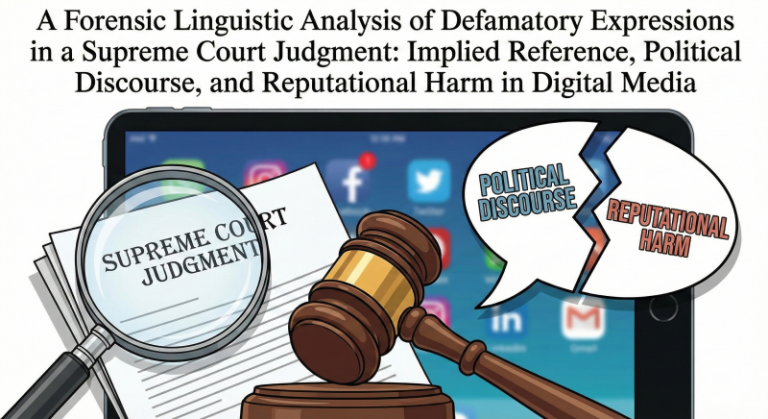
A Forensic Linguistic Analysis of Defamatory Expressions in a Supreme Court Judgment:
Implied Reference, Political Discourse, and Reputational Harm in Digital Media (Supreme Court Judgment No. 976/2567)
Author: Wanitcha Sumanat, president of the Southeast Asian Association of Professional Translators and Interpreters and Certified Forensic Linguist
20 February 2026, Bangkok – This article analyzes the Supreme Court Judgment No. 976/2567 in which the defendant was found guilty of defamation by publication under Section 328 of the Thai Criminal Code. The analysis adopts a forensic linguistic framework to examine the linguistic and discursive mechanisms through which defamatory imputation was constructed, despite the absence of an explicit naming of the plaintiff. The study focuses on implied reference, pragmatic inference, associative linkage, and reputational harm within the context of online media. It argues that defamatory meaning must be assessed at the level of the entire discourse rather than isolated words or sentences, and demonstrates how continuous narrative structuring—without clear segmentation—played a crucial role in leading the audience to identify the plaintiff as the person being accused.
Introduction
Under Sections 326 and 328 of the Thai Criminal Code, defamation requires an imputation made to a third party that causes the injured person to be dishonored, hated, or exposed to contempt. From a forensic linguistic perspective, the key issue is not merely whether a name is explicitly mentioned, but whether an ordinary, reasonable listener can identify the person being referred to. The case under examination provides an important example of implied accusation in online political discourse, where narrative structuring directly affects legal interpretation.
Implied Reference and Individual Identification
Although the defendant did not explicitly state that the plaintiff received foreign funding to promote national secession, the Supreme Court held that the sequence of discourse established a clear referential link. The defendant began the program by showing a video clip of the plaintiff, referring to her by nickname and describing her social role. He then proceeded—without dividing the program into distinct segments—to discuss “a group of people who claim to be pro-democracy activists and receive foreign funding to divide the country.”
From a forensic linguistic standpoint, this pattern aligns with the concepts of referential anchoring and discourse continuity. The speaker first establishes a specific individual as a reference point and subsequently expands the accusatory narrative. Even when using generalized expressions such as “a group of people,” the contextual placement of these statements, immediately following the reference to the plaintiff, makes it pragmatically unavoidable for listeners to interpret them as referring to the same person. Grice’s (1975) theory of conversational implicature explains that meaning is derived not only from literal wording but also from what reasonable listeners infer from the totality of context.
Semantic Analysis and Negative Prosody
Expressions used by the defendant carried strong negative semantic prosody. The phrase “claiming to be pro-democracy” implies insincerity and questions the authenticity of the plaintiff’s political stance. The statement that such individuals were “connected with corrupt politicians” employs an associative strategy that indirectly attributes moral and legal misconduct. More significantly, the assertions that these groups “received funding from foreign sources” and did so “to divide the country” constitute factual imputations of serious wrongdoing, potentially implicating national security concerns.
When combined within a single, uninterrupted narrative, these statements form a coherent framing that positions the plaintiff as a threat to national integrity. The defamatory harm arises not from any single word but from the cumulative negative loading produced by the overall discourse. The aggregated meaning constructs an image of a person who falsely claims democratic ideals for personal gain and participates in efforts to undermine the state.
Reputational and Social Impact
Defamation law requires that the imputation cause reputational damage, contempt, or hatred. In the Thai socio-political context, allegations of receiving foreign funding to divide the country are particularly severe, as they relate to national security and loyalty. Such accusations readily provoke public contempt and hostility. Given that the plaintiff’s professional activities involve teaching and social activism—fields heavily dependent on public credibility—the reputational impact is especially acute.
The dissemination of the statements via YouTube and Facebook amplified the harm. Online platforms facilitate rapid, widespread sharing and long-term accessibility, resulting in amplified reputational damage that is difficult to mitigate. The Court’s order requiring publication of the judgment in both print newspapers and online news websites reflects judicial recognition that reputational restoration must occur within the same public sphere where the harm was inflicted.
Denial of Intent and Limits of Free Expression
Although the defendant repeatedly stated that he was “not referring to anyone in particular,” such disclaimers do not neutralize the pragmatic meaning inferred from the discourse as a whole. From a linguistic standpoint, explicit denials cannot override the cumulative contextual cues that identify the plaintiff. Furthermore, imputing specific factual misconduct—such as receiving foreign funds to promote national division—constitutes an assertion of fact rather than a mere opinion. Accordingly, the statements do not fall within the good-faith exception for fair comment under Section 329 of the Criminal Code.
Conclusion
This case demonstrates that defamation does not require explicit naming. Discursive structuring that links an identifiable individual to serious allegations by implication can suffice. Judicial assessment must therefore operate at the level of the entire discourse, taking into account context, sequencing, and social impact. From a forensic linguistic perspective, the judgment illustrates how language functions as evidentiary material and confirms the critical role of systematic linguistic analysis in resolving reputational disputes in the digital age.
References
- Coulthard, M., & Johnson, A. (2010). An introduction to forensic linguistics: Language in evidence (2nd ed.). Routledge.
- Grice, H. P. (1975). Logic and conversation. In P. Cole & J. L. Morgan (Eds.), Syntax and semantics (Vol. 3, pp. 41–58). Academic Press.
- Shuy, R. W. (1993). Language crimes: The use and abuse of language evidence in the courtroom. Blackwell.
- Solove, D. J. (2007). The future of reputation: Gossip, rumor, and privacy on the Internet. Yale University Press.
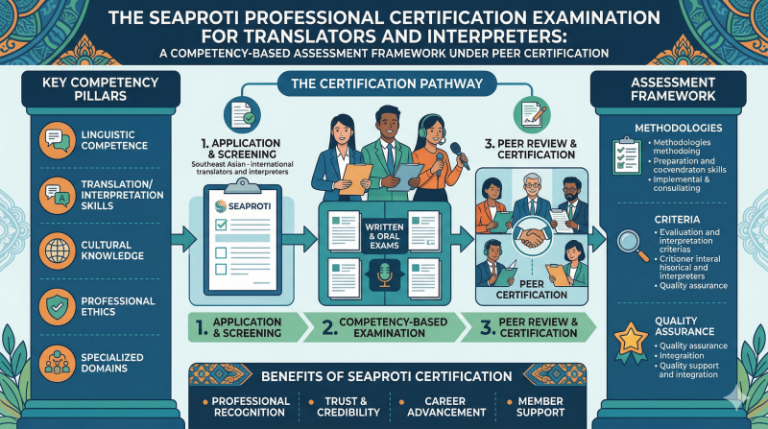
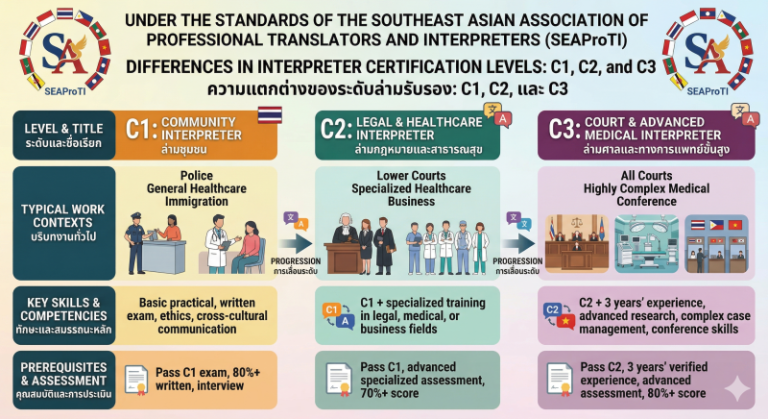
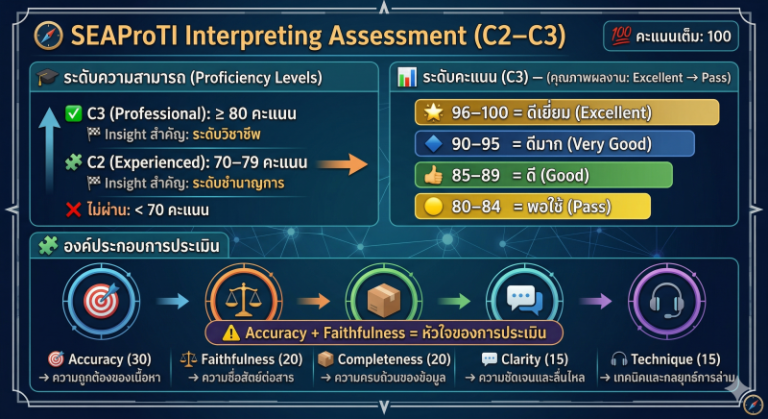
This section provides information about certified translators, translation certifiers, and certified interpreters associated with SEAProTI.
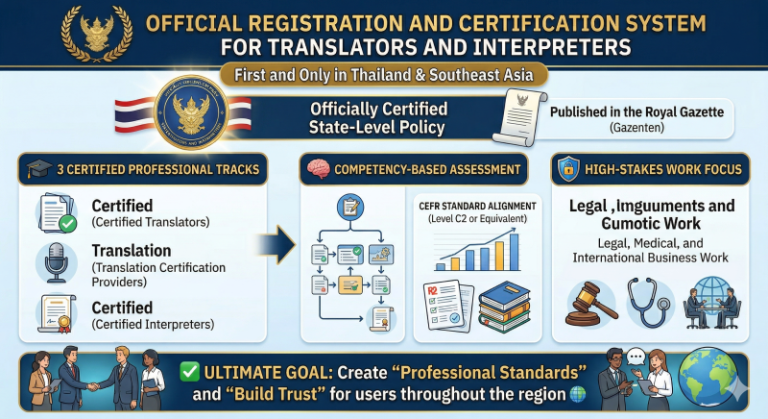
The Southeast Asian Association of Professional Translators and Interpreters (SEAProTI) has officially shared the qualifications and requirements for becoming Certified Translators, Translation Certification Providers, and Certified Interpreters in Sections 9 and 10 of the Royal Gazette, which was published by the Prime Minister’s Office in Thailand on July 25, 2024. Certified Translators, Translation Certification Providers, and Certified Interpreters
The Council of State has proposed the enactment of a Royal Decree, granting registered translators and recognised translation certifiers from professional associations or accredited language institutions the authority to provide legally valid translation certification (Letter to SEAProTI dated April 28, 2025)
SEAProTI is the first professional association in Thailand and Southeast Asia to implement a comprehensive certification system for translators, certifiers, and interpreters.
Head Office: Baan Ratchakru Building, No. 33, Room 402, Soi Phahonyothin 5, Phahonyothin Road, Phaya Thai District, Bangkok 10400, Thailand
Email: hello@seaproti.com | Tel.: (+66) 2-114-3128 (Office hours: Mon–Fri, 09:00–17:00)
การวิเคราะห์เชิงนิติภาษาศาสตร์ถ้อยคำหมิ่นประมาทใน คำพิพากษาศาลฎีกาที่ 976/2567: การอ้างอิงโดยนัย วาทกรรมทางการเมือง และผลกระทบต่อชื่อเสียงในสื่อดิจิทัล
ผู้แต่ง: วณิชชา สุมานัส นายกสมาคมวิชาชีพนักแปลและล่ามแห่งเอเชียตะวันออกเฉียงใต้ และนักนิติภาษาศาสตร์วิชาชีพ
20 กุมภาพันธ์ 2569, กรุงเทพมหานคร – บทความนี้มุ่งวิเคราะห์ คำพิพากษาศาลฎีกาที่ 976/2567 ที่วินิจฉัยให้จำเลยมีความผิดฐานหมิ่นประมาทโดยการโฆษณาตามประมวลกฎหมายอาญา มาตรา 328 ผ่านกรอบแนวคิดนิติภาษาศาสตร์ โดยเน้นศึกษากลไกทางภาษาและวาทกรรมที่ก่อให้เกิด “การใส่ความ” แม้ไม่มีการระบุชื่อโดยตรง การวิเคราะห์ครอบคลุมการชี้เฉพาะตัวบุคคลโดยนัย (implied reference) การสร้างความหมายเชิงปฏิบัติการ (pragmatic inference) การเชื่อมโยงเชิงวาทกรรม (associative linkage) และผลกระทบเชิงชื่อเสียงในบริบทสื่อออนไลน์ บทความเสนอว่าการพิจารณาถ้อยคำต้องกระทำในระดับวาทกรรมทั้งหมด มิใช่เพียงระดับคำศัพท์หรือประโยค และแสดงให้เห็นว่าการจัดวางเนื้อหาเชิงต่อเนื่องโดยไม่แยกช่วงมีบทบาทสำคัญในการก่อให้เกิดความเข้าใจว่าโจทก์เป็นบุคคลที่ถูกกล่าวหาโดยตรง
บทนำ
ความผิดฐานหมิ่นประมาทตามประมวลกฎหมายอาญา มาตรา 326 และ 328 กำหนดองค์ประกอบสำคัญคือการ “ใส่ความผู้อื่นต่อบุคคลที่สาม” อันทำให้ผู้นั้นเสียชื่อเสียง ถูกดูหมิ่น หรือถูกเกลียดชัง ในทางภาษาศาสตร์เชิงนิติวิทยาศาสตร์ คำถามสำคัญมิได้อยู่เพียงว่ามีการกล่าวชื่อบุคคลหรือไม่ หากแต่อยู่ที่ว่า ผู้ฟังโดยวิญญูชนสามารถระบุได้หรือไม่ว่าถ้อยคำดังกล่าวหมายถึงใคร คดีที่ศึกษานี้เป็นกรณีตัวอย่างสำคัญของการกล่าวหาโดยนัยในบริบทสื่อออนไลน์ ซึ่งการจัดวางวาทกรรมมีผลโดยตรงต่อการตีความความหมายทางกฎหมาย
การอ้างอิงโดยนัยและการชี้เฉพาะตัวบุคคล
แม้จำเลยมิได้กล่าวตรงว่าผู้เสียหายเป็นบุคคลที่รับเงินจากต่างประเทศเพื่อแบ่งแยกประเทศ แต่ศาลฎีกาวินิจฉัยว่า การเปิดคลิปของโจทก์ตั้งแต่ช่วงต้นรายการ พร้อมเรียกชื่อเล่นและระบุบทบาททางสังคม จากนั้นจึงดำเนินรายการต่อเนื่องโดยกล่าวถึง “กลุ่มคนที่อ้างว่าเป็นนักประชาธิปไตย รับเงินจากต่างประเทศเพื่อแบ่งแยกประเทศ” โดยไม่แยกช่วงเนื้อหาออกจากกัน ย่อมทำให้ผู้ฟังเข้าใจได้ว่าเป็นบุคคลเดียวกัน
ในเชิงนิติภาษาศาสตร์ ปรากฏการณ์ดังกล่าวสอดคล้องกับแนวคิดเรื่อง referential anchoring และ discourse continuity กล่าวคือ การสร้างจุดอ้างอิงเฉพาะบุคคลไว้ก่อน แล้วค่อยขยายคำกล่าวหาในภายหลัง ทำให้เกิดการชี้เฉพาะโดยนัย แม้ผู้พูดจะใช้คำกว้าง เช่น “กลุ่มคนกลุ่มหนึ่ง” แต่เมื่อวางในบริบทเดียวกับการกล่าวถึงโจทก์ก่อนหน้า ความหมายเชิงปฏิบัติการ (pragmatic meaning) จึงเชื่อมโยงกลับไปยังบุคคลนั้นอย่างหลีกเลี่ยงไม่ได้ แนวคิดเรื่อง conversational implicature ของ Grice (1975) อธิบายได้ว่า ความหมายไม่ได้อยู่เพียงในถ้อยคำที่กล่าว หากอยู่ในสิ่งที่ผู้ฟังสมเหตุสมผลจะตีความจากบริบททั้งหมด
การวิเคราะห์ถ้อยคำเชิงความหมายและน้ำหนักเชิงลบ
ถ้อยคำที่จำเลยใช้ เช่น “อ้างประชาธิปไตย” มีลักษณะเป็นการตั้งข้อสงสัยต่อความจริงใจของบุคคลนั้น คำว่า “อ้าง” มี semantic prosody เชิงลบ แฝงนัยว่าเป็นการกล่าวโดยไม่สุจริต ถ้อยคำ “เกี่ยวข้องกับนักโกงเมือง” เป็นกลไกการเชื่อมโยงเชิงสมาคม (association strategy) ซึ่งสร้างภาพลักษณ์ทางศีลธรรมที่เสื่อมเสียโดยอ้อม ขณะที่ข้อความว่า “ได้รับการสนับสนุนเงินจากต่างประเทศ” และ “เพื่อแบ่งแยกประเทศ” มีลักษณะเป็น factual imputation คือการกล่าวหาข้อเท็จจริงเฉพาะที่หากเป็นจริงอาจเกี่ยวข้องกับความผิดทางกฎหมายหรือภัยต่อความมั่นคงแห่งรัฐ
การนำถ้อยคำเหล่านี้มาปรากฏร่วมกันในวาทกรรมเดียว ทำให้เกิด narrative framing ที่วางโจทก์ไว้ในฐานะบุคคลที่เป็นภัยต่อชาติบ้านเมือง การวิเคราะห์ในระดับ discourse แสดงให้เห็นว่าความเสียหายมิได้เกิดจากคำใดคำหนึ่งโดยลำพัง หากเกิดจากการสะสมของความหมายเชิงลบ (cumulative negative loading) ซึ่งเมื่อประมวลรวมกันแล้วก่อให้เกิดภาพลักษณ์ว่าผู้ถูกกล่าวหาเป็นบุคคลไม่รักแผ่นดิน อ้างอุดมการณ์เพื่อผลประโยชน์ส่วนตน และเกี่ยวข้องกับการบ่อนทำลายประเทศ
ผลกระทบเชิงชื่อเสียงและสังคม
องค์ประกอบความผิดฐานหมิ่นประมาทกำหนดให้ต้องเป็นการกระทำที่ทำให้เสียชื่อเสียง ถูกดูหมิ่น หรือถูกเกลียดชัง ในกรณีนี้ การกล่าวหาว่าเป็นผู้รับเงินต่างชาติและมีเจตนาแบ่งแยกประเทศเป็นการกล่าวหาที่ร้ายแรงในบริบทสังคมไทย เพราะเชื่อมโยงกับความมั่นคงและความจงรักภักดีต่อรัฐ ถ้อยคำดังกล่าวจึงก่อให้เกิดความรู้สึกดูหมิ่นและเกลียดชังในหมู่ผู้ฟังได้โดยง่าย โดยเฉพาะเมื่อโจทก์ประกอบอาชีพด้านการสอนและการเคลื่อนไหวทางสังคม ซึ่งพึ่งพาความน่าเชื่อถือเป็นทุนทางสังคมหลัก
ยิ่งไปกว่านั้น การเผยแพร่ผ่านแพลตฟอร์ม YouTube และ Facebook ทำให้ข้อมูลแพร่กระจายอย่างรวดเร็วและอาจถูกแชร์ซ้ำอย่างกว้างขวาง ความเสียหายทางชื่อเสียงในยุคดิจิทัลจึงมีลักษณะทวีคูณ (amplified reputational harm) และยากต่อการควบคุมหรือแก้ไข การที่ศาลสั่งให้โฆษณาคำพิพากษาผ่านสื่อสิ่งพิมพ์และเว็บไซต์ข่าวออนไลน์สะท้อนความเข้าใจว่าการเยียวยาชื่อเสียงต้องเกิดขึ้นในพื้นที่สาธารณะเดียวกับที่ความเสียหายเกิดขึ้น
การปฏิเสธความรับผิดและขอบเขตเสรีภาพในการแสดงความคิดเห็น
แม้จำเลยกล่าวย้ำหลายครั้งว่า “ไม่ได้พูดถึงใคร” แต่ในเชิงภาษาศาสตร์ คำปฏิเสธดังกล่าวไม่อาจลบล้างความหมายโดยนัยที่ผู้ฟังตีความได้จากบริบททั้งหมด การกล่าวหาข้อเท็จจริงเฉพาะว่าบุคคลหนึ่งรับเงินเพื่อแบ่งแยกประเทศเป็นการกล่าวอ้างข้อเท็จจริง มิใช่เพียงความเห็นทั่วไป จึงไม่อยู่ในขอบเขตการแสดงความคิดเห็นโดยสุจริตตามมาตรา 329
บทสรุป
คดีนี้แสดงให้เห็นชัดเจนว่า การหมิ่นประมาทมิจำเป็นต้องเกิดจากการกล่าวชื่อโดยตรง หากสามารถเกิดจากการจัดวางวาทกรรมที่เชื่อมโยงบุคคลกับข้อกล่าวหาร้ายแรงโดยนัย การพิจารณาต้องทำในระดับวาทกรรมทั้งหมด โดยคำนึงถึงบริบท สถานการณ์ และผลทางสังคมของถ้อยคำ ในมิติของนิติภาษาศาสตร์ คดีนี้เป็นตัวอย่างสำคัญของการใช้ภาษาเป็นเครื่องมือสร้างความหมายเชิงกล่าวหา และยืนยันว่าการวิเคราะห์ภาษาอย่างเป็นระบบมีบทบาทสำคัญในการวินิจฉัยข้อพิพาทด้านชื่อเสียงในยุคดิจิทัล
เอกสารอ้างอิง
- Coulthard, M., & Johnson, A. (2010). An introduction to forensic linguistics: Language in evidence (2nd ed.). Routledge.
- Grice, H. P. (1975). Logic and conversation. In P. Cole & J. L. Morgan (Eds.), Syntax and semantics (Vol. 3, pp. 41–58). Academic Press.
- Shuy, R. W. (1993). Language crimes: The use and abuse of language evidence in the courtroom. Blackwell.
- Solove, D. J. (2007). The future of reputation: Gossip, rumor, and privacy on the Internet. Yale University Press.
สมาคมวิชาชีพนักแปลและล่ามแห่งเอเชียตะวันออกเฉียงใต้ (SEAProTI) ได้ประกาศหลักเกณฑ์และคุณสมบัติของผู้ที่ขึ้นทะเบียนเป็น “นักแปลรับรอง (Certified Translators) และผู้รับรองการแปล (Translation Certification Providers) และล่ามรับรอง (Certified Interpreters)” ของสมาคม หมวดที่ 9 และหมวดที่ 10 ในราชกิจจานุเบกษา ของสำนักเลขาธิการคณะรัฐมนตรี ในสำนักนายกรัฐมนตรี แห่งราชอาณาจักรไทย ลงวันที่ 25 ก.ค. 2567 เล่มที่ 141 ตอนที่ 66 ง หน้า 100 อ่านฉบับเต็มได้ที่: นักแปลรับรอง ผู้รับรองการแปล และล่ามรับรอง
สำนักคณะกรรมการกฤษฎีกาเสนอให้ตราเป็นพระราชกฤษฎีกา โดยกำหนดให้นักแปลที่ขึ้นทะเบียน รวมถึงผู้รับรองการแปลจากสมาคมวิชาชีพหรือสถาบันสอนภาษาที่มีการอบรมและขึ้นทะเบียน สามารถรับรองคำแปลได้ (จดหมายถึงสมาคม SEAProTI ลงวันที่ 28 เม.ย. 2568)
สมาคมวิชาชีพนักแปลและล่ามแห่งเอเชียตะวันออกเฉียงใต้เป็นสมาคมวิชาชีพแห่งแรกและแห่งเดียวในประเทศไทยและภูมิภาคเอเชียตะวันออกเฉียงใต้ที่มีระบบรับรองนักแปลรับรอง ผู้รับรองการแปล และล่ามรับรอง
สำนักงานใหญ่: อาคารบ้านราชครู เลขที่ 33 ห้อง 402 ซอยพหลโยธิน 5 ถนนพหลโยธิน แขวงพญาไท เขตพญาไท กรุงเทพมหานคร 10400 ประเทศไทย
อีเมล: hello@seaproti.com โทรศัพท์: (+66) 2-114-3128 (เวลาทำการ: วันจันทร์–วันศุกร์ เวลา 09.00–17.00 น.