



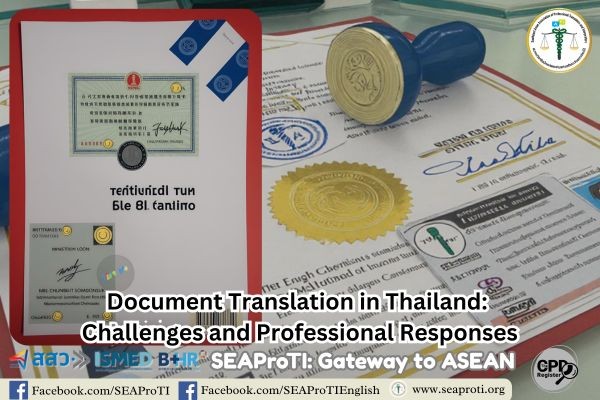
Trends and Challenges in Document Translation in Thailand in Late 2025
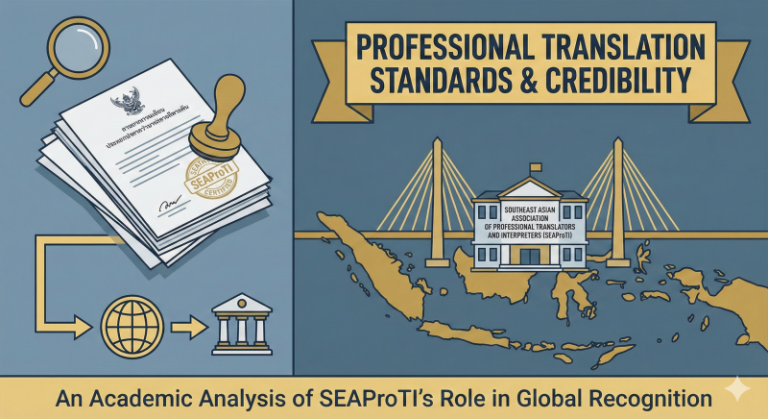
This article aims to analyze these developments, with particular emphasis on the role of the Southeast Asian Association of Professional Translators and Interpreters (SEAProTI) as a professional mechanism that helps reduce the public’s burden, raise translation standards, and protect the rights of document users within legal and administrative processes.
The Growing Use of Qualified Professional Translators
Over the past year, courts, government agencies, and private-sector organizations—both domestically and internationally—have shown a marked tendency to engage translators with recognized professional qualifications. The primary reason for this shift is not limited to quality alone but also includes the reduction of financial burdens on the public.
Direct engagement of professional translators typically involves service fees averaging THB 300–800 per page, whereas services obtained through translation shops, translation companies, or university language institutes often range from THB 500–1,500 per page, or even higher. These higher costs impose unnecessary financial burdens on citizens, particularly in litigation, cross-border documentation, and interactions with government authorities.
This trend reflects growing confidence in professional translator certification systems and enables the public to access high-quality translation services at more reasonable costs.
Risks Associated with Using Unqualified Translators
A persistent problem in Thailand’s document translation sector is the engagement of freelance translators who lack professional qualifications, accountability mechanisms, and ethical standards. Such translators often accept assignments on a one-off basis, refuse to revise work when issues arise, and abandon responsibility immediately after delivery.
As a result, the public bears duplicated costs, wasted time, and, in many cases, legal harm—such as documents being rejected or used as distorted evidence in judicial proceedings.
By contrast, qualified professional translators operate under ongoing professional accountability and are prepared to revise and support their work until the document has completed its intended legal or administrative use.
Certification Burdens and Commercial Costs
Thailand’s document certification system continues to impose heavy burdens on the public, both financially and legally. This is particularly evident in certifications conducted by Notarial Service Attorneys (NSA), which are not governed by the Hague Apostille Convention. As a result, documents certified in this manner may be rejected abroad.
Certification fees charged by NSAs typically range from THB 500–3,000, and in some cases may reach THB 30,000. Moreover, the practice of “certifying content” exposes citizens directly to legal risk.
In addition, the public must bear certification and translation legalization fees at the Department of Consular Affairs of THB 200–400 per stamp. When documents are to be used overseas, multiple layers of repetitive certification are often required, further increasing costs.
Problems in Translation Review and the Lack of Standards
Another critical issue concerns the review and correction of translations by the Legalization Division of the Department of Consular Affairs. This process currently lacks a clear legal basis or standardized authority, resulting in repeated revisions based on individual discretion rather than uniform guidelines.
Consequently, there is no standardized practice, and citizens are often unable to return translations to the original translator for correction, leading to additional costs and potential legal complications.
Furthermore, there have been reports of third parties operating around the Department of Consular Affairs who solicit citizens to incur additional expenses without regard for their financial burden. Such conduct may constitute harassment or public nuisance under Section 397 of the Thai Criminal Code.
Apostille in the Coming Year: Opportunity or New Burden
Thailand’s anticipated entry into the Apostille system in the coming year must be carefully assessed. Without clearly defined translator qualifications, standardized translation controls, and explicit legal accountability mechanisms, the Apostille system may fail to reduce the public burden, instead introducing hidden costs and leaving unresolved issues related to errors in source documents or translations.
State Liability and the Protection of the Public
A key future issue concerns situations in which documents issued by state agencies, or translations endorsed by the state, cause damage—such as loss of legal rights or adverse court outcomes. In such cases, citizens must be aware of their right to bring claims against state authorities under the Administrative Procedure Act B.E. 2539 (1996) in order to protect themselves from harm arising from systemic failures.
Conclusion
The lessons of 2025 clearly demonstrate that strengthening the role of professional translators, establishing clear certification standards, and reducing commercial burdens within the document certification process are central to protecting the public in a modern state. SEAProTI, as a professional organization, plays a crucial role in integrating quality, accountability, and fairness into Thailand’s document translation system.
References
Administrative Procedure Act B.E. 2539 (1996).
Sandrini, P. (2015). Legal terminology and legal translation. Peter Lang.
SEAProTI. (2025). Professional qualifications and code of ethics for translators and interpreters. Southeast Asian Association of Professional Translators and Interpreters.
The Southeast Asian Association of Professional Translators and Interpreters (SEAProTI) has formally announced the qualifications and requirements for registration of Certified Translators, Translation Certification Providers, and Certified Interpreters in Sections 9 and 10 of the Royal Gazette, published by the Secretariat of the Cabinet, Office of the Prime Minister of Thailand, on 25 July 2024 (Vol. 141, Part 66 Ng, p. 100). Certified Translators, Translation Certification Providers, and Certified Interpreters
The Council of State has proposed the enactment of a Royal Decree, granting registered translators and recognized translation certifiers from professional associations or accredited language institutions the authority to provide legally valid translation certification (Letter to SEAProTI dated April 28, 2025)
SEAProTI is the first professional association in Thailand and Southeast Asia to implement a comprehensive certification system for translators, certifiers, and interpreters.
Head Office: Baan Ratchakru Building, No. 33, Room 402, Soi Phahonyothin 5, Phahonyothin Road, Phaya Thai District, Bangkok 10400, Thailand
Email: hello@seaproti.com | Tel.: (+66) 2-114-3128 (Office hours: Mon–Fri, 09:00–17:00)
แนวโน้มและประเด็นท้าทายของการแปลเอกสารในประเทศไทยช่วงปลายปี 2568:
บทเรียนเชิงนโยบาย ภาระประชาชน และบทบาทของนักแปลวิชาชีพในบริบท SEAProTI
24 ธันวาคม 2568, กรุงเทพมหานคร – ในช่วงปลายปี พ.ศ. 2568 แวดวงการแปลเอกสารและการรับรองเอกสารในประเทศไทยกำลังเผชิญกับการเปลี่ยนแปลงเชิงโครงสร้าง ทั้งในมิติของต้นทุน ภาระทางการเงินของประชาชน ความไม่ชัดเจนของมาตรฐานการรับรอง และบทบาทของนักแปลวิชาชีพที่เริ่มได้รับการยอมรับมากขึ้นจากหน่วยงานรัฐและเอกชน
บทความนี้มีวัตถุประสงค์เพื่อวิเคราะห์สถานการณ์ดังกล่าว โดยเน้นบทบาทของ สมาคมวิชาชีพนักแปลและล่ามแห่งเอเชียตะวันออกเฉียงใต้ (SEAProTI) ในฐานะกลไกทางวิชาชีพที่ช่วยลดภาระประชาชน ยกระดับมาตรฐานการแปล และปกป้องสิทธิของผู้ใช้เอกสารในกระบวนการทางกฎหมายและการปกครอง
แนวโน้มการใช้นักแปลที่มีคุณวุฒวิชาชีพเพิ่มขึ้น
ในรอบปีที่ผ่านมา หน่วยงานศาล หน่วยงานรัฐ และหน่วยงานเอกชน ทั้งในและต่างประเทศ มีแนวโน้มเลือกใช้นักแปลที่มีคุณวุฒิวิชาชีพมากขึ้นอย่างมีนัยสำคัญ เหตุผลสำคัญมิใช่เพียงเรื่องคุณภาพ แต่รวมถึง การลดภาระค่าใช้จ่ายของประชาชน
การว่าจ้างนักแปลวิชาชีพโดยตรงมีอัตราค่าบริการเฉลี่ยประมาณ 300–800 บาทต่อหน้า ขณะที่การใช้บริการผ่านร้านแปล บริษัทแปล หรือสถาบันภาษาในมหาวิทยาลัย มักมีอัตรา 500–1,500 บาทต่อหน้า หรือสูงกว่า ซึ่งสร้างภาระทางการเงินโดยไม่จำเป็นแก่ประชาชน โดยเฉพาะในคดีความ การยื่นเอกสารข้ามประเทศ และการติดต่อหน่วยงานรัฐ
การเปลี่ยนแปลงดังกล่าวสะท้อนความเชื่อมั่นที่เพิ่มขึ้นต่อระบบการรับรองนักแปลวิชาชีพ และช่วยให้ประชาชนเข้าถึงบริการแปลที่มีคุณภาพในต้นทุนที่เหมาะสมมากขึ้น
ความเสี่ยงจากการใช้นักแปลที่ไม่มีคุณวุฒิวิชาชีพ
หนึ่งในปัญหาเรื้อรังของวงการแปลเอกสารไทย คือการว่าจ้างนักแปลอิสระที่ไม่มีคุณวุฒิ ไม่มีระบบรับผิดชอบ และไม่มีจริยธรรมทางวิชาชีพ นักแปลกลุ่มนี้มักรับงานและส่งงานเพียงครั้งเดียว ไม่ยินยอมแก้ไขงานเมื่อเกิดปัญหา และทิ้งงานทันทีเมื่อส่งมอบแล้ว ผลที่ตามมาคือ ประชาชนต้องเสียค่าใช้จ่ายซ้ำซ้อน เสียเวลา และในหลายกรณีเกิดความเสียหายทางกฎหมาย เช่น เอกสารถูกปฏิเสธ หรือถูกใช้เป็นหลักฐานที่บิดเบือนในกระบวนการพิจารณาคดี
ในทางตรงกันข้าม นักแปลที่มีคุณวุฒิวิชาชีพจะมี ความรับผิดชอบต่อเนื่อง (professional accountability) และพร้อมแก้ไขงานจนสิ้นสุดกระบวนการใช้งานเอกสาร
ภาระการรับรองเอกสารและต้นทุนเชิงพาณิชย์
ระบบการรับรองเอกสารในประเทศไทยยังคงเป็นภาระหนักสำหรับประชาชน ทั้งในเชิงต้นทุนและความเสี่ยงทางกฎหมาย โดยเฉพาะการรับรองผ่าน Notarial Service Attorney (NSA) ซึ่ง ไม่อยู่ภายใต้อนุสัญญากรุงเฮกว่าด้วย Apostille เอกสารที่รับรองอาจถูกปฏิเสธในต่างประเทศ ค่าใช้จ่ายในการรับรองโดย NSA มีตั้งแต่ 500–3,000 บาท และในบางกรณีสูงถึง 30,000 บาท โดยมีการ “รับรองเนื้อหา” ซึ่งสร้างความเสี่ยงทางกฎหมายแก่ประชาชนโดยตรง
นอกจากนี้ ประชาชนยังต้องแบกรับค่าใช้จ่ายในการรับรองเอกสารและคำแปลที่กรมการกงสุล 200–400 บาทต่อตราประทับ และหากต้องนำเอกสารไปใช้ในต่างประเทศ ก็ต้องเสียค่าใช้จ่ายเพิ่มเติมในการรับรองซ้ำซ้อนหลายชั้น
ปัญหาการตรวจคำแปลและการขาดมาตรฐาน
ปัญหาสำคัญอีกประการคือ การตรวจแก้คำแปลโดยกองนิติกรณ์เอกสาร กรมการกงสุล ซึ่งยังไม่มีมาตรฐานทางกฎหมายหรือฐานอำนาจที่ชัดเจน ส่งผลให้ มีการแก้ไขคำแปลกลับไปกลับมาโดยใช้ดุลพินิจส่วนบุคคล ไม่มีแนวปฏิบัติเดียวกัน (standardized guidelines) และประชาชนไม่สามารถกลับไปแก้ไขกับนักแปลเดิมได้
ยิ่งไปกว่านั้น ยังพบพฤติกรรมของบุคคลภายนอกที่อาศัยพื้นที่รอบกรมการกงสุลเพื่อชักชวนประชาชนให้เสียค่าใช้จ่ายเพิ่มเติม โดยไม่คำนึงถึงภาระทางการเงินของผู้ใช้บริการ ซึ่งอาจเข้าข่ายการรบกวนหรือก่อความเดือดร้อนรำคาญตามประมวลกฎหมายอาญา มาตรา 397
Apostille ในปีถัดไป: โอกาสหรือภาระใหม่
การเข้าสู่ระบบ Apostille ที่คาดว่าจะเกิดขึ้นในปีถัดไป จำเป็นต้องถูกประเมินอย่างรอบด้าน หากไม่มีการกำหนดคุณสมบัตินักแปล การกำกับมาตรฐานคำแปล และกลไกรับผิดทางกฎหมายอย่างชัดเจน ระบบ Apostille อาจไม่ช่วยลดภาระประชาชน เพิ่มต้นทุนแฝง และไม่แก้ปัญหาความผิดพลาดของเอกสารต้นทางหรือคำแปล
ความรับผิดของรัฐและการคุ้มครองประชาชน
ประเด็นสำคัญในอนาคตคือ หากเอกสารที่ออกโดยหน่วยงานรัฐ หรือการแปลที่หน่วยงานรัฐรับรอง ก่อให้เกิดความเสียหาย เช่น คดีแพ้หรือเสียสิทธิ ประชาชนจำเป็นต้องรู้เท่าทันสิทธิของตนในการ ฟ้องร้องหน่วยงานรัฐ ภายใต้ พระราชบัญญัติวิธีปฏิบัติราชการทางปกครอง เพื่อปกป้องตนเองจากความเสียหายที่เกิดจากความผิดพลาดของระบบ
บทสรุป
บทเรียนจากปี 2568 ชี้ให้เห็นอย่างชัดเจนว่า การยกระดับบทบาทของนักแปลวิชาชีพ การกำหนดมาตรฐานการรับรอง และการลดภาระเชิงพาณิชย์ในกระบวนการรับรองเอกสาร เป็นหัวใจสำคัญของการคุ้มครองประชาชนในรัฐสมัยใหม่ SEAProTI ในฐานะองค์กรวิชาชีพ มีบทบาทสำคัญในการเชื่อมโยงคุณภาพ ความรับผิด และความเป็นธรรมเข้าสู่ระบบการแปลเอกสารของประเทศไทย
เอกสารอ้างอิง
- กรมการกงสุล. (2567). แนวปฏิบัติการรับรองเอกสารและคำแปล. กระทรวงการต่างประเทศ.
- พระราชบัญญัติวิธีปฏิบัติราชการทางปกครอง พ.ศ. 2539.
- Sandrini, P. (2015). Legal terminology and legal translation. Peter Lang.
- SEAProTI. (2568). แนวทางคุณวุฒิและจรรยาบรรณนักแปลและล่ามวิชาชีพ. สมาคมวิชาชีพนักแปลและล่ามแห่งเอเชียตะวันออกเฉียงใต้.
เกี่ยวกับนักแปลรับรอง ผู้รับรองการแปล และล่ามรับรองของสมาคมวิชาชีพนักแปลและล่ามแห่งเอเชียตะวันออกเฉียงใต้
สมาคมวิชาชีพนักแปลและล่ามแห่งเอเชียตะวันออกเฉียงใต้ (SEAProTI) ได้ประกาศหลักเกณฑ์และคุณสมบัติผู้ที่ขึ้นทะเบียนเป็น “นักแปลรับรอง (Certified Translators) และผู้รับรองการแปล (Translation Certification Providers) และล่ามรับรอง (Certified Interpreters)” ของสมาคม หมวดที่ 9 และหมวดที่ 10 ในราชกิจจานุเบกษา ของสำนักเลขาธิการคณะรัฐมนตรี ในสำนักนายกรัฐมนตรี แห่งราชอาณาจักรไทย ลงวันที่ 25 ก.ค. 2567 เล่มที่ 141 ตอนที่ 66 ง หน้า 100 อ่านฉบับเต็มได้ที่: นักแปลรับรอง ผู้รับรองการแปล และล่ามรับรอง
สำนักคณะกรรมการกฤษฎีกา เสนอให้ตราเป็นพระราชกฤษฎีกา โดยกำหนดให้นักแปลที่ขึ้นทะเบียน รวมถึงผู้รับรองการแปลจากสมาคมวิชาชีพหรือสถาบันสอนภาษาที่มีการอบรมและขึ้นทะเบียน สามารถรับรองคำแปหฟลได้ (จดหมายถึงสมาคม SEAProTI ลงวันที่ 28 เม.ย. 2568)
สมาคมวิชาชีพนักแปลและล่ามแห่งเอเชียตะวันออกเฉียงใต้ เป็นสมาคมวิชาชีพแห่งแรกในประเทศไทยและภูมิภาคเอเชียตะวันออกเฉียงใต้ที่มีระบบรับรองนักแปลรับรอง ผู้รับรองการแปล และล่ามรับรอง
สำนักงานใหญ่: อาคารบ้านราชครู เลขที่ 33 ห้อง 402 ซอยพหลโยธิน 5 ถนนพหลโยธิน แขวงพญาไท เขตพญาไท กรุงเทพมหานคร 10400 ประเทศไทย
อีเมล: hello@seaproti.com โทรศัพท์: (+66) 2-114-3128 (เวลาทำการ: วันจันทร์–วันศุกร์ เวลา 09.00–17.00 น.