


Differences in Interpreter Certification Levels C1, C2, and C3
under the Standards of the Southeast Asian Association of Professional Translators and Interpreters
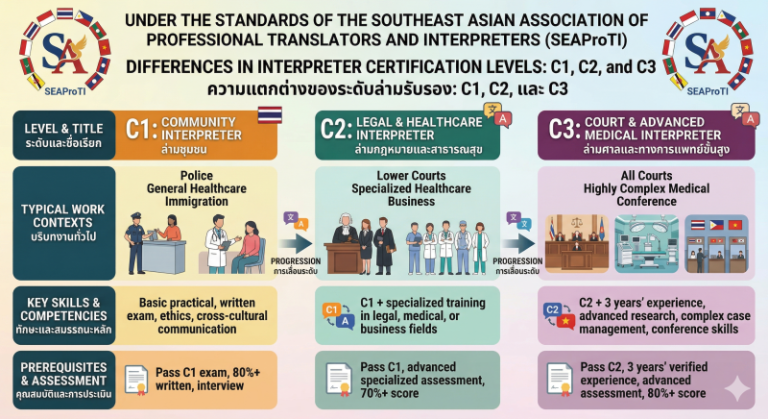
The certification of interpreters by the Southeast Asian Association of Professional Translators and Interpreters establishes a systematic assessment framework that reflects varying levels of professional expertise. In particular, the C1, C2, and C3 levels demonstrate significant differences in terms of examination structure, evaluation criteria, as well as the scope and complexity of the content used for assessment.
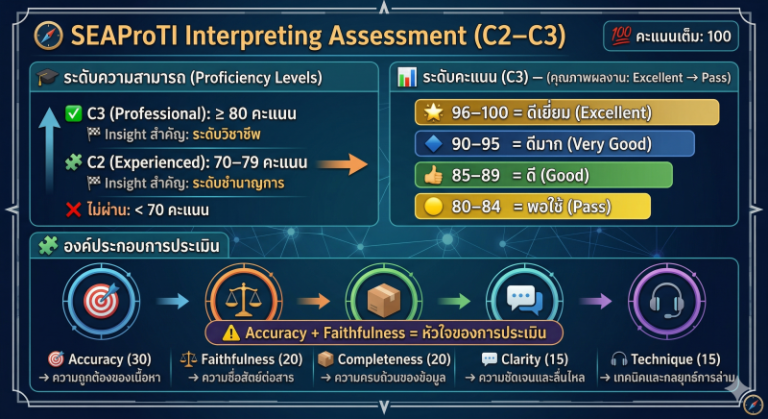
In terms of examination structure, Levels C2 and C3 share the same examination set, with differentiation based on the candidates’ scores. Candidates who achieve scores between 80 and 100 are awarded Level C3 certification, while those scoring between 70 and 79 are awarded Level C2 certification. This approach reflects a method of distinguishing advanced competencies within the same content framework. In contrast, Level C1 uses a separate examination designed to be less demanding and aimed at assessing basic to intermediate competencies.
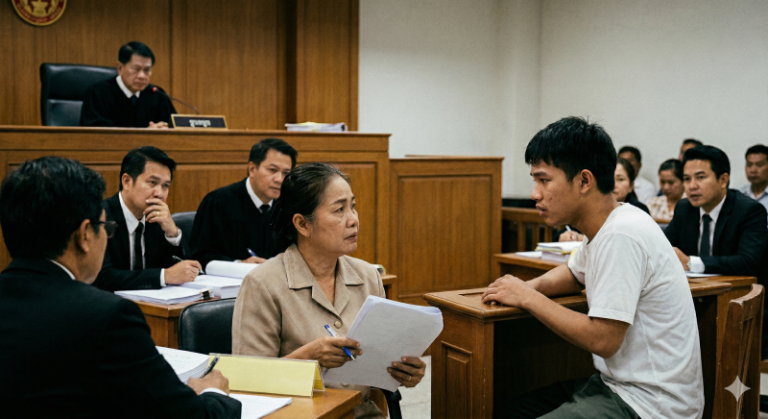
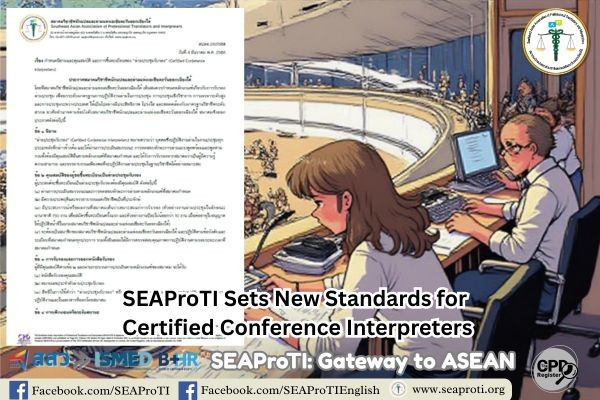
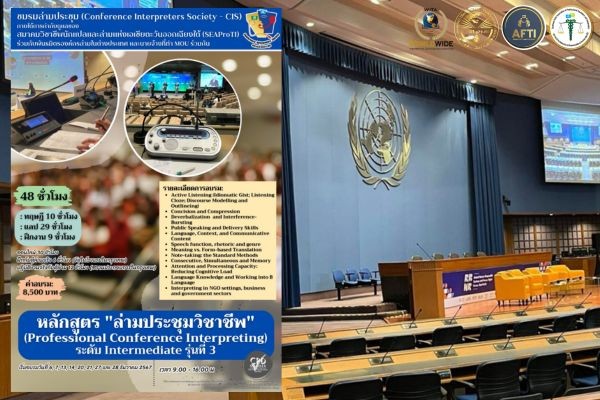
With regard to content, Levels C2 and C3 encompass highly complex and specialized interpreting and translation tasks. These include advanced legal work such as arbitration proceedings and international commercial disputes, as well as high-value civil litigation, including intellectual property and international trade cases. Additionally, these levels cover interpreting in international conference settings, such as those of the United Nations, which require linguistic precision, intercultural competence, and the ability to manage policy-oriented discourse.
In the medical domain, Levels C2 and C3 focus on advanced medical contexts, including physician training, medical conferences, as well as nursing and pharmaceutical settings. These areas involve extensive use of specialized terminology and require a high degree of accuracy. Consequently, interpreting at these levels carries significant risk, as any linguistic inaccuracies may directly impact patient safety or legal outcomes.
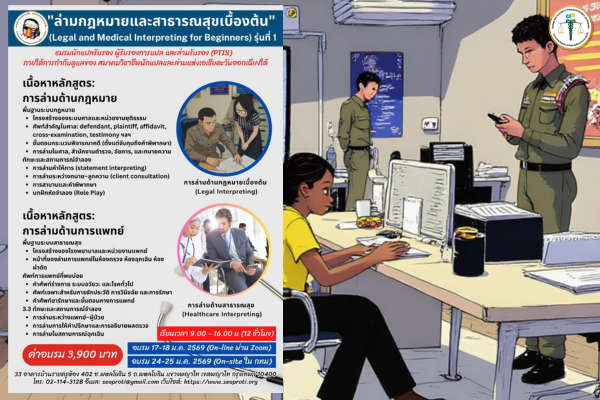
By contrast, Level C1 covers less complex subject matter, particularly in legal contexts involving general criminal cases such as theft, snatching, robbery, offenses against the person, crimes against the state, and drug-related offenses. While such cases still require legal understanding, they do not involve the same level of structural or technical complexity as civil or international disputes. In addition, healthcare-related interpreting at the C1 level typically involves communication between patients and healthcare providers in routine situations, where terminology is less specialized and the associated risk is comparatively lower.
In conclusion, the differences among Levels C1, C2, and C3 extend beyond scoring and examination format to encompass the complexity of content, the scope of specialized knowledge, and the level of professional risk involved in practice. Levels C2 and C3 are therefore suited to advanced professional interpreting in specialized and high-stakes contexts, whereas Level C1 is appropriate for general or moderately complex settings. The establishment of these levels plays a crucial role in standardizing professional practice and enhancing confidence in interpreter quality within an international context.
For professional services, please visit: https://www.seaproti.org/practitioners/
About certified translators, translation certifiers, and certified interpreters associated with SEAProTI.
The Southeast Asian Association of Professional Translators and Interpreters (SEAProTI) has officially shared the qualifications and requirements for becoming Certified Translators, Translation Certification Providers, and Certified Interpreters in Sections 9 and 10 of the Royal Gazette, which was published by the Prime Minister’s Office in Thailand on July 25, 2024. Certified Translators, Translation Certification Providers, and Certified Interpreters
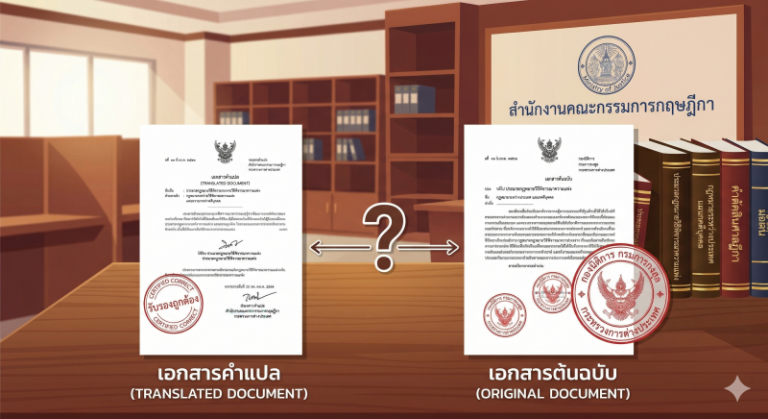
The Council of State has proposed the enactment of a Royal Decree, granting registered translators and recognised translation certifiers from professional associations or accredited language institutions the authority to provide legally valid translation certification (Letter to SEAProTI dated April 28, 2025)
SEAProTI is the first professional association in Thailand and Southeast Asia to implement a comprehensive certification system for translators, certifiers, and interpreters.
Head Office: Baan Ratchakru Building, No. 33, Room 402, Soi Phahonyothin 5, Phahonyothin Road, Phaya Thai District, Bangkok 10400, Thailand
Email: hello@seaproti.com | Tel.: (+66) 2-114-3128 (Office hours: Mon–Fri, 09:00–17:00).
ความแตกต่างของการรับรองล่ามระดับ C1, C2 และ C3
ตามมาตรฐานสมาคมวิชาชีพนักแปลและล่ามแห่งเอเชียตะวันออกเฉียงใต้
10 เมษายน 2569, กรุงเทพมหานคร – การรับรองความสามารถของล่ามโดยสมาคมวิชาชีพนักแปลและล่ามแห่งเอเชียตะวันออกเฉียงใต้ได้กำหนดมาตรฐานการประเมินที่สะท้อนระดับความเชี่ยวชาญของผู้ปฏิบัติงานอย่างเป็นระบบ โดยเฉพาะในระดับ C1, C2 และ C3 ซึ่งมีความแตกต่างกันอย่างมีนัยสำคัญทั้งในด้านโครงสร้างการสอบ เกณฑ์การประเมิน ตลอดจนขอบเขตและความซับซ้อนของเนื้อหาที่ใช้ในการทดสอบ
ในเชิงโครงสร้างการสอบ ระดับ C2 และ C3 ใช้ข้อสอบชุดเดียวกัน โดยอาศัยการแบ่งระดับจากผลคะแนนที่ผู้เข้าสอบได้รับ กล่าวคือ ผู้ที่ได้คะแนนระหว่าง 80 ถึง 100 จะได้รับการรับรองในระดับ C3 ขณะที่ผู้ที่ได้คะแนนระหว่าง 70 ถึง 79 จะได้รับการรับรองในระดับ C2 แนวทางดังกล่าวสะท้อนถึงการวัดความแตกต่างของความสามารถในระดับสูงภายใต้กรอบเนื้อหาเดียวกัน ในทางตรงกันข้าม ระดับ C1 ใช้ข้อสอบอีกชุดหนึ่งที่ออกแบบให้มีระดับความยากต่ำกว่า และมุ่งประเมินสมรรถนะพื้นฐานถึงระดับปานกลางของผู้เข้าสอบ
เมื่อพิจารณาในด้านเนื้อหา ระดับ C2 และ C3 ครอบคลุมงานล่ามและการแปลที่มีความซับซ้อนสูงและมีลักษณะเฉพาะทางอย่างชัดเจน โดยเฉพาะงานด้านกฎหมายขั้นสูง เช่น กระบวนการอนุญาโตตุลาการและข้อพิพาททางการค้าระหว่างประเทศ รวมถึงคดีแพ่งที่มีทุนทรัพย์สูง อาทิ คดีทรัพย์สินทางปัญญาและธุรกรรมระหว่างประเทศ นอกจากนี้ ยังครอบคลุมการปฏิบัติงานในบริบทของการประชุมระดับนานาชาติ เช่น เวทีขององค์การสหประชาชาติ ซึ่งต้องอาศัยทั้งความแม่นยำทางภาษา ความเข้าใจบริบทระหว่างประเทศ และความสามารถในการจัดการกับวาทกรรมเชิงนโยบาย
ในด้านการแพทย์ ระดับ C2 และ C3 มุ่งเน้นเนื้อหาที่เกี่ยวข้องกับการแพทย์ขั้นสูง เช่น การฝึกอบรมแพทย์ การสัมมนาวิชาการด้านการแพทย์ ตลอดจนงานพยาบาลและเภสัชกรรม ซึ่งมีการใช้ศัพท์เฉพาะจำนวนมากและมีความละเอียดอ่อนสูง การปฏิบัติงานในระดับนี้จึงมีความเสี่ยงสูง เนื่องจากความคลาดเคลื่อนทางภาษาสามารถส่งผลกระทบโดยตรงต่อความปลอดภัยของผู้ป่วยหรือผลลัพธ์ทางกฎหมาย
ในทางกลับกัน ระดับ C1 ครอบคลุมเนื้อหาที่มีความซับซ้อนน้อยกว่า โดยเฉพาะงานด้านกฎหมายที่เกี่ยวข้องกับคดีอาญาทั่วไป เช่น คดีลักทรัพย์ วิ่งราว ชิงทรัพย์ ปล้นทรัพย์ ความผิดเกี่ยวกับร่างกาย ความผิดต่อแผ่นดิน และคดียาเสพติด ซึ่งแม้จะต้องการความเข้าใจทางกฎหมาย แต่ยังไม่ถึงระดับความซับซ้อนเชิงโครงสร้างหรือเชิงเทคนิคเทียบเท่ากับคดีแพ่งหรือข้อพิพาทระหว่างประเทศ นอกจากนี้ งานด้านสาธารณสุขในระดับ C1 มักเป็นการสื่อสารระหว่างผู้ป่วยและบุคลากรทางการแพทย์ในสถานการณ์ทั่วไป ซึ่งมีการใช้ศัพท์เฉพาะในระดับที่จำกัดและมีความเสี่ยงต่ำกว่าเมื่อเทียบกับงานทางการแพทย์ขั้นสูง
โดยสรุป ความแตกต่างระหว่างระดับ C1, C2 และ C3 ไม่ได้อยู่เพียงที่คะแนนหรือรูปแบบการสอบเท่านั้น หากแต่สะท้อนถึงระดับความซับซ้อนของเนื้อหา ขอบเขตของความรู้เฉพาะทาง และระดับความเสี่ยงของงานที่ผู้ได้รับการรับรองสามารถปฏิบัติได้ ระดับ C2 และ C3 จึงเหมาะสมกับงานล่ามระดับมืออาชีพขั้นสูงที่ต้องอาศัยความเชี่ยวชาญเฉพาะทางและความรับผิดชอบสูง ขณะที่ระดับ C1 เหมาะสมกับงานทั่วไปหรือสถานการณ์ที่มีความซับซ้อนในระดับจำกัด ทั้งนี้ การกำหนดระดับดังกล่าวมีบทบาทสำคัญในการสร้างมาตรฐานวิชาชีพและส่งเสริมความเชื่อมั่นต่อคุณภาพของล่ามในบริบทสากล
ติดต่อขอใช้บริการนักวิชาชีพของสมาคมได้ที่: https://www.seaproti.org/practitioners/
สมาคมวิชาชีพนักแปลและล่ามแห่งเอเชียตะวันออกเฉียงใต้ (SEAProTI) ได้ประกาศหลักเกณฑ์และคุณสมบัติของผู้ที่ขึ้นทะเบียนเป็น “นักแปลรับรอง (Certified Translators) และผู้รับรองการแปล (Translation Certification Providers) และล่ามรับรอง (Certified Interpreters)” ของสมาคม หมวดที่ 9 และหมวดที่ 10 ในราชกิจจานุเบกษา ของสำนักเลขาธิการคณะรัฐมนตรี ในสำนักนายกรัฐมนตรี แห่งราชอาณาจักรไทย ลงวันที่ 25 ก.ค. 2567 เล่มที่ 141 ตอนที่ 66 ง หน้า 100 อ่านฉบับเต็มได้ที่: นักแปลรับรอง ผู้รับรองการแปล และล่ามรับรอง
สำนักคณะกรรมการกฤษฎีกาเสนอให้ตราเป็นพระราชกฤษฎีกา โดยกำหนดให้นักแปลที่ขึ้นทะเบียน รวมถึงผู้รับรองการแปลจากสมาคมวิชาชีพหรือสถาบันสอนภาษาที่มีการอบรมและขึ้นทะเบียน สามารถรับรองคำแปลได้ (จดหมายถึงสมาคม SEAProTI ลงวันที่ 28 เม.ย. 2568)
สมาคมวิชาชีพนักแปลและล่ามแห่งเอเชียตะวันออกเฉียงใต้เป็นสมาคมวิชาชีพแห่งแรกและแห่งเดียวในประเทศไทยและภูมิภาคเอเชียตะวันออกเฉียงใต้ที่มีระบบรับรองนักแปลรับรอง ผู้รับรองการแปล และล่ามรับรอง
สำนักงานใหญ่: อาคารบ้านราชครู เลขที่ 33 ห้อง 402 ซอยพหลโยธิน 5 ถนนพหลโยธิน แขวงพญาไท เขตพญาไท กรุงเทพมหานคร 10400 ประเทศไทย
อีเมล: hello@seaproti.com โทรศัพท์: (+66) 2-114-3128 (เวลาทำการ: วันจันทร์–วันศุกร์ เวลา 09.00–17.00 น.