


Estate Administration in Cross-Border Contexts:
The Role of Certified Translators, Translation Certifiers, and Certified Interpreters under the Standards of SEAProTI
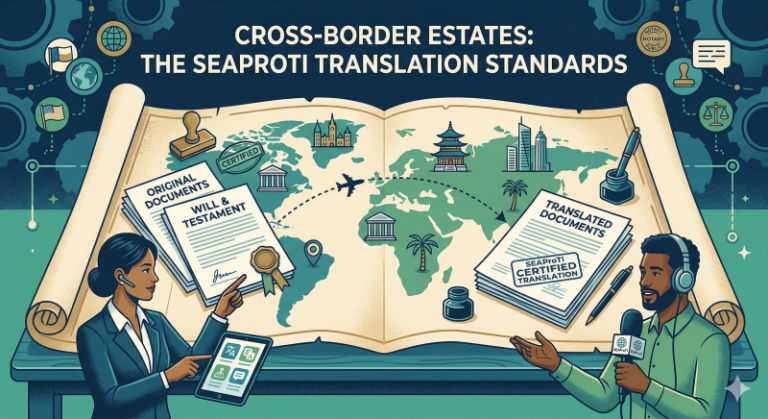
21 March 2026, Bangkok — Estate administration is a legal process characterized by both structural and linguistic complexity, particularly in contexts involving multiple jurisdictions, languages, and legal cultures. Within civil and commercial law systems, the transfer of rights and obligations from the deceased to heirs is not merely an administrative procedure; rather, it is a process that requires rigorous interpretation of legal documents. These may include wills, certificates of inheritance, court orders, and documents relating to the assets and liabilities of the estate. Even minor linguistic discrepancies may result in materially different legal outcomes.
From a forensic linguistic perspective, inheritance disputes represent a domain in which the relationship between “language” and “rights” becomes especially evident. The interpretation of wording in wills and related documents extends beyond literal translation and must take into account the testator’s intent, the legal context, and the applicable interpretive principles of the relevant legal system. For instance, the phrase “equal distribution” may be construed differently depending on the inheritance laws of each jurisdiction, while the concept of “heir-at-law” carries a specific legal scope that cannot be conveyed through direct, word-for-word translation. These challenges are further intensified when documents are drafted in one language but must be applied within another legal system.
Within this context, the role of certified translators is of critical importance. Certified translators do not merely transfer text from one language to another; they function as structural interpreters of legal meaning. This requires a deep understanding of both the source and target legal systems, as well as the ability to select terminology that accurately reflects the legal weight and implications of the original text. Translation certification serves as a mechanism for assuring courts and government authorities that translated documents are accurate, complete, and suitable for evidentiary use in legal proceedings.
At the same time, translation certifiers serve as an independent quality assurance mechanism, distinct from the translator. Their role is to review and validate the accuracy, consistency, and legal appropriateness of translated documents. The presence of a translation certifier helps mitigate systemic risks, such as the use of terminology inconsistent with judicial precedents or interpretations that conflict with applicable legal principles. In high-value estate cases, such errors may lead to prolonged disputes and significant economic consequences.
In addition, certified interpreters play a crucial role in judicial proceedings and related processes involving estate matters, particularly where parties or witnesses operate in different languages. Certified interpreters must accurately and completely convey testimony, judicial instructions, and all forms of communication within the legal process, while maintaining strict neutrality. The principles of neutrality and accuracy are fundamental, as any distortion or misinterpretation may directly affect the rights of the parties involved. Interpreting in this context is therefore not merely linguistic transfer, but a function that safeguards the integrity of the judicial process.
Professional standards established by SEAProTI play a pivotal role in enhancing the quality of language professionals in such contexts. These standards encompass certification frameworks, codes of professional ethics, and traceability systems that enable verification of the origin, process, and accountability of translation and interpreting work. Such frameworks align with global trends that emphasize transparency, accountability, and reliability in language services within the justice system.
In conclusion, estate administration in cross-border contexts represents a convergence of law, language, and the authority to define rights. Understanding the roles of certified translators, translation certifiers, and certified interpreters is essential to reducing risk and strengthening justice within this process. Under the framework established by SEAProTI, language professionals are not merely conveyors of text; they are structural actors in preserving the accuracy of legal meaning and, ultimately, key contributors to the protection of individual rights in contemporary legal systems.
For professional services, please visit: https://www.seaproti.org/practitioners/
About certified translators, translation certifiers, and certified interpreters associated with SEAProTI.
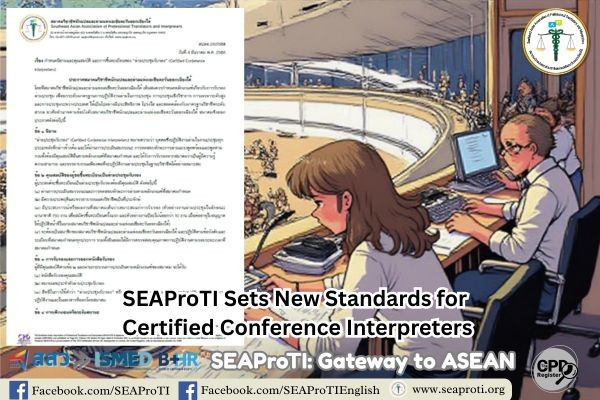
The Southeast Asian Association of Professional Translators and Interpreters (SEAProTI) has officially shared the qualifications and requirements for becoming Certified Translators, Translation Certification Providers, and Certified Interpreters in Sections 9 and 10 of the Royal Gazette, which was published by the Prime Minister’s Office in Thailand on July 25, 2024. Certified Translators, Translation Certification Providers, and Certified Interpreters
The Council of State has proposed the enactment of a Royal Decree, granting registered translators and recognised translation certifiers from professional associations or accredited language institutions the authority to provide legally valid translation certification (Letter to SEAProTI dated April 28, 2025)
SEAProTI is the first professional association in Thailand and Southeast Asia to implement a comprehensive certification system for translators, certifiers, and interpreters.
Head Office: Baan Ratchakru Building, No. 33, Room 402, Soi Phahonyothin 5, Phahonyothin Road, Phaya Thai District, Bangkok 10400, Thailand
Email: hello@seaproti.com | Tel.: (+66) 2-114-3128 (Office hours: Mon–Fri, 09:00–17:00).
การจัดการมรดกในบริบทข้ามพรมแดน:
บทบาทของนักแปลรับรอง ผู้รับรองการแปล และล่ามรับรองภายใต้มาตรฐานของ SEAProTI
21 มีนาคม 2569, กรุงเทพมหานคร – การจัดการมรดกเป็นกระบวนการทางกฎหมายที่มีความซับซ้อนทั้งในเชิงโครงสร้างและเชิงภาษาศาสตร์ โดยเฉพาะอย่างยิ่งในบริบทที่เกี่ยวข้องกับหลายเขตอำนาจศาล หลายภาษา และหลายวัฒนธรรมทางกฎหมาย ภายใต้ระบบกฎหมายแพ่งและพาณิชย์ การโอนสิทธิและหน้าที่ของผู้ตายไปยังทายาทมิได้เป็นเพียงการดำเนินการทางธุรการ หากแต่เป็นกระบวนการที่ต้องอาศัยการตีความเอกสารทางกฎหมายอย่างเคร่งครัด ไม่ว่าจะเป็นพินัยกรรม หนังสือรับรองสิทธิ คำสั่งศาล หรือเอกสารเกี่ยวกับทรัพย์สินและหนี้สินของกองมรดก ความคลาดเคลื่อนทางภาษาเพียงเล็กน้อยอาจส่งผลให้เกิดความแตกต่างเชิงนัยสำคัญในผลลัพธ์ทางกฎหมาย
ในเชิงนิติภาษาศาสตร์ คดีมรดกเป็นพื้นที่ที่สะท้อนความสัมพันธ์ระหว่าง “ภาษา” และ “สิทธิ” อย่างชัดเจนที่สุด เนื่องจากการตีความถ้อยคำในพินัยกรรมหรือเอกสารที่เกี่ยวข้องมิได้เป็นเพียงการแปลความหมายตามตัวอักษร แต่ต้องพิจารณาเจตนารมณ์ของผู้ทำเอกสาร บริบททางกฎหมาย และหลักการตีความตามระบบกฎหมายที่เกี่ยวข้อง ตัวอย่างเช่น คำว่า “แบ่งเท่าๆ กัน” อาจต้องตีความแตกต่างกันตามหลักกฎหมายว่าด้วยการแบ่งมรดกในแต่ละประเทศ หรือคำว่า “ทายาทโดยธรรม” ซึ่งมีขอบเขตทางกฎหมายเฉพาะที่ไม่สามารถถ่ายทอดได้โดยตรงผ่านการแปลแบบคำต่อคำ ปัญหาดังกล่าวยิ่งทวีความซับซ้อนเมื่อเอกสารถูกจัดทำในภาษาหนึ่ง แต่ต้องนำไปใช้ในอีกระบบกฎหมายหนึ่ง
ภายใต้บริบทดังกล่าว บทบาทของนักแปลรับรองจึงมีความสำคัญอย่างยิ่ง นักแปลรับรองมิได้ทำหน้าที่เพียงถ่ายทอดข้อความจากภาษาหนึ่งไปยังอีกภาษาหนึ่ง หากแต่ต้องทำหน้าที่เป็นผู้ตีความเชิงโครงสร้าง (structural interpreter of legal meaning) โดยต้องเข้าใจทั้งระบบกฎหมายต้นทางและปลายทาง ตลอดจนสามารถเลือกใช้คำศัพท์ที่สะท้อน “น้ำหนักทางกฎหมาย” ได้อย่างเหมาะสม การรับรองการแปลเป็นกลไกที่สร้างความเชื่อมั่นให้แก่ศาลและหน่วยงานรัฐว่าเอกสารที่แปลมีความถูกต้อง ครบถ้วน และสามารถใช้เป็นพยานหลักฐานได้ในกระบวนการพิจารณา
ในขณะเดียวกัน ผู้รับรองการแปลมีบทบาทในฐานะกลไกการควบคุมคุณภาพ (quality assurance mechanism) ที่แยกออกจากผู้แปล โดยทำหน้าที่ตรวจสอบความถูกต้อง ความสอดคล้อง และความเหมาะสมของงานแปลในเชิงกฎหมาย การมีผู้รับรองการแปลช่วยลดความเสี่ยงของข้อผิดพลาดเชิงระบบ เช่น การใช้คำศัพท์ที่ไม่สอดคล้องกับแนวคำพิพากษา หรือการตีความที่ขัดกับหลักกฎหมายที่ใช้บังคับ ซึ่งในคดีมรดกที่มีมูลค่าสูง ความผิดพลาดดังกล่าวอาจนำไปสู่ข้อพิพาทที่ยืดเยื้อและความเสียหายทางเศรษฐกิจอย่างมีนัยสำคัญ
นอกจากนี้ ล่ามรับรองมีบทบาทสำคัญในกระบวนการพิจารณาคดีและการดำเนินการที่เกี่ยวข้องกับมรดก โดยเฉพาะในกรณีที่มีคู่ความหรือพยานที่ใช้ภาษาต่างกัน ล่ามรับรองต้องสามารถถ่ายทอดคำให้การ คำสั่งศาล และการสื่อสารในกระบวนการยุติธรรมได้อย่างถูกต้อง ครบถ้วน และเป็นกลาง หลักการความเป็นกลาง (neutrality) และความเที่ยงตรง (accuracy) เป็นหัวใจสำคัญของการปฏิบัติหน้าที่ เนื่องจากการบิดเบือนหรือคลาดเคลื่อนของความหมายอาจส่งผลโดยตรงต่อสิทธิของคู่ความ การตีความในบริบทของล่ามจึงมิใช่เพียงการแปลภาษา หากแต่เป็นการรักษาความสมบูรณ์ของกระบวนการยุติธรรม
มาตรฐานวิชาชีพที่กำหนดโดย SEAProTI มีบทบาทสำคัญในการยกระดับคุณภาพของนักแปลและล่ามในบริบทดังกล่าว โดยเฉพาะในด้านการรับรองคุณสมบัติ การกำหนดจรรยาบรรณวิชาชีพ และการสร้างระบบตรวจสอบย้อนกลับ (traceability) ซึ่งช่วยให้สามารถตรวจสอบแหล่งที่มา กระบวนการ และความรับผิดชอบของงานแปลและการตีความได้อย่างเป็นระบบ มาตรฐานดังกล่าวมีความสอดคล้องกับแนวโน้มสากลที่ให้ความสำคัญกับความโปร่งใส ความรับผิด และความเชื่อถือได้ของผู้ปฏิบัติงานด้านภาษาในกระบวนการยุติธรรม
ในภาพรวม การจัดการมรดกในบริบทข้ามพรมแดนเป็นพื้นที่ที่บรรจบกันของกฎหมาย ภาษา และอำนาจในการกำหนดสิทธิ การทำความเข้าใจบทบาทของนักแปลรับรอง ผู้รับรองการแปล และล่ามรับรองจึงเป็นสิ่งจำเป็นในการลดความเสี่ยงและเสริมสร้างความยุติธรรมในกระบวนการดังกล่าว ภายใต้กรอบมาตรฐานของ SEAProTI ผู้ปฏิบัติงานด้านภาษาไม่ได้เป็นเพียงผู้ถ่ายทอดข้อความ หากแต่เป็นผู้มีบทบาทเชิงโครงสร้างในการรักษาความถูกต้องของความหมายทางกฎหมาย และในท้ายที่สุด เป็นผู้มีส่วนสำคัญในการคุ้มครองสิทธิของบุคคลในกระบวนการยุติธรรมร่วมสมัย
ติดต่อขอใช้บริการนักวิชาชีพของสมาคมได้ที่: https://www.seaproti.org/practitioners/
สมาคมวิชาชีพนักแปลและล่ามแห่งเอเชียตะวันออกเฉียงใต้ (SEAProTI) ได้ประกาศหลักเกณฑ์และคุณสมบัติของผู้ที่ขึ้นทะเบียนเป็น “นักแปลรับรอง (Certified Translators) และผู้รับรองการแปล (Translation Certification Providers) และล่ามรับรอง (Certified Interpreters)” ของสมาคม หมวดที่ 9 และหมวดที่ 10 ในราชกิจจานุเบกษา ของสำนักเลขาธิการคณะรัฐมนตรี ในสำนักนายกรัฐมนตรี แห่งราชอาณาจักรไทย ลงวันที่ 25 ก.ค. 2567 เล่มที่ 141 ตอนที่ 66 ง หน้า 100 อ่านฉบับเต็มได้ที่: นักแปลรับรอง ผู้รับรองการแปล และล่ามรับรอง
สำนักคณะกรรมการกฤษฎีกาเสนอให้ตราเป็นพระราชกฤษฎีกา โดยกำหนดให้นักแปลที่ขึ้นทะเบียน รวมถึงผู้รับรองการแปลจากสมาคมวิชาชีพหรือสถาบันสอนภาษาที่มีการอบรมและขึ้นทะเบียน สามารถรับรองคำแปลได้ (จดหมายถึงสมาคม SEAProTI ลงวันที่ 28 เม.ย. 2568)
สมาคมวิชาชีพนักแปลและล่ามแห่งเอเชียตะวันออกเฉียงใต้เป็นสมาคมวิชาชีพแห่งแรกและแห่งเดียวในประเทศไทยและภูมิภาคเอเชียตะวันออกเฉียงใต้ที่มีระบบรับรองนักแปลรับรอง ผู้รับรองการแปล และล่ามรับรอง
สำนักงานใหญ่: อาคารบ้านราชครู เลขที่ 33 ห้อง 402 ซอยพหลโยธิน 5 ถนนพหลโยธิน แขวงพญาไท เขตพญาไท กรุงเทพมหานคร 10400 ประเทศไทย
อีเมล: hello@seaproti.com โทรศัพท์: (+66) 2-114-3128 (เวลาทำการ: วันจันทร์–วันศุกร์ เวลา 09.00–17.00 น.