


The Quality of Interpreters in the Thai Justice System and Its Impact on Human Rights
8 April 2026, Bangkok – This article aims to examine the lack of standardized certification and selection of interpreters within Thailand’s justice system, particularly in cases where individuals performing interpreting duties do not meet adequate language proficiency standards. Such deficiencies result in miscommunication between state authorities and individuals who are unable to effectively use the Thai language, leading to violations of fundamental human rights, including the right to a fair trial and the right to be properly informed of charges. The article argues that establishing a systematic and internationally aligned interpreter certification framework is essential to addressing these issues.
1. Introduction
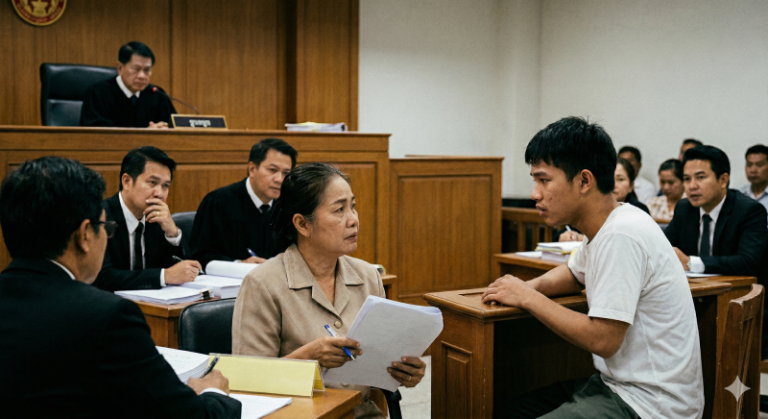
Language plays a crucial role in the justice system, as it serves as the primary medium for conveying facts, communicating charges, and explaining the rights of the parties involved. However, in the Thai context, there remain significant issues regarding the use of interpreters who lack sufficient linguistic competence and specialized knowledge. This is particularly evident in cases involving migrant workers, foreign defendants, and ethnic minorities who are not proficient in Thai. Such problems reflect structural gaps within the justice system, which have yet to effectively ensure interpreter quality, thereby raising serious human rights concerns.
2. Human Rights Framework
Under international legal frameworks, particularly the International Covenant on Civil and Political Rights (ICCPR), individuals are entitled to understand the charges against them clearly, to receive the assistance of a competent interpreter if they do not understand the language used in court, and to be guaranteed a fair trial. These principles underscore that interpreters are not merely language conduits but are essential mechanisms for safeguarding individual rights. The use of unqualified interpreters can therefore undermine the integrity of judicial proceedings and directly result in human rights violations.
3. Current Situation in Thailand
In practice, the use of interpreters in Thailand’s justice system faces several limitations. One major issue is the absence of a unified national certification system, leading to inconsistent selection criteria across different agencies. Furthermore, there are instances where individuals who have not passed language proficiency assessments or who lack legal knowledge are appointed as interpreters in critical processes such as investigations and court proceedings. These issues are exacerbated by the lack of continuous monitoring and evaluation mechanisms, as well as structural constraints such as shortages of interpreters in certain languages and insufficient compensation.
4. Impact on the Justice System
The use of unqualified interpreters has significant consequences for the justice system. Misinterpretation can prevent defendants from fully understanding the charges against them or lead to inaccurate testimonies. In addition, errors in interpretation may cause witnesses to provide distorted information or result in individuals signing documents without fully comprehending their contents. These consequences not only affect the rights of individuals involved in specific cases but also undermine the credibility and reliability of the justice system as a whole.
5. Comparison with International Standards
Comparatively, many countries have developed structured systems for certifying court interpreters. These systems typically require candidates to pass professional certification examinations, receive training in legal knowledge and ethics, and undergo continuous quality assessments. They also include mechanisms for disciplinary action or revocation of certification in cases of misconduct or incompetence. Such approaches help ensure that communication within the justice system is accurate and fair.
6. Policy Recommendations
Addressing the issue of interpreter quality in Thailand requires comprehensive structural reform. A national certification system with standardized criteria should be established, including clear requirements for language proficiency and legal knowledge. Continuous professional development through training programs should be promoted, alongside improved compensation to attract qualified individuals. Additionally, effective monitoring and evaluation systems should be implemented, with the involvement of independent organizations to ensure accountability and transparency.
7. Conclusion
The lack of standardized and qualified interpreters in Thailand’s justice system is a critical issue with significant human rights implications. Developing a concrete system for certification and oversight is essential to ensuring fairness, transparency, and alignment with international human rights standards. Addressing this issue is not only a matter of improving the interpreting profession but also a fundamental step toward strengthening justice in society as a whole.
For professional services, please visit: https://www.seaproti.org/practitioners/
About certified translators, translation certifiers, and certified interpreters associated with SEAProTI.
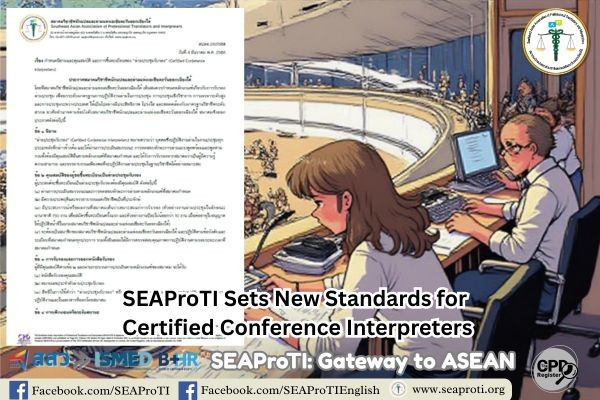
The Southeast Asian Association of Professional Translators and Interpreters (SEAProTI) has officially shared the qualifications and requirements for becoming Certified Translators, Translation Certification Providers, and Certified Interpreters in Sections 9 and 10 of the Royal Gazette, which was published by the Prime Minister’s Office in Thailand on July 25, 2024. Certified Translators, Translation Certification Providers, and Certified Interpreters
The Council of State has proposed the enactment of a Royal Decree, granting registered translators and recognised translation certifiers from professional associations or accredited language institutions the authority to provide legally valid translation certification (Letter to SEAProTI dated April 28, 2025)
SEAProTI is the first professional association in Thailand and Southeast Asia to implement a comprehensive certification system for translators, certifiers, and interpreters.
Head Office: Baan Ratchakru Building, No. 33, Room 402, Soi Phahonyothin 5, Phahonyothin Road, Phaya Thai District, Bangkok 10400, Thailand
Email: hello@seaproti.com | Tel.: (+66) 2-114-3128 (Office hours: Mon–Fri, 09:00–17:00).
ปัญหาคุณภาพของล่ามในกระบวนการยุติธรรมไทยกับผลกระทบต่อสิทธิมนุษยชน
8 เมษายน 2569, กรุงเทพมหานคร – บทความนี้มีวัตถุประสงค์เพื่อวิเคราะห์ปัญหาการขาดมาตรฐานในการคัดเลือกและรับรองล่ามในกระบวนการยุติธรรมของประเทศไทย โดยเฉพาะกรณีที่บุคคลซึ่งปฏิบัติหน้าที่ล่ามไม่มีความสามารถทางภาษาตามเกณฑ์ที่เหมาะสม ส่งผลให้เกิดความคลาดเคลื่อนในการสื่อสารระหว่างเจ้าหน้าที่รัฐกับบุคคลที่ไม่สามารถใช้ภาษาไทยได้อย่างเพียงพอ อันนำไปสู่การละเมิดสิทธิมนุษยชนขั้นพื้นฐาน เช่น สิทธิในการได้รับการพิจารณาคดีอย่างเป็นธรรมและสิทธิในการรับรู้ข้อกล่าวหาอย่างถูกต้อง บทความเสนอว่าการพัฒนาระบบรับรองมาตรฐานล่ามอย่างเป็นระบบและสอดคล้องกับหลักสากลเป็นแนวทางสำคัญในการแก้ไขปัญหาดังกล่าว
1. บทนำ
ภาษาเป็นกลไกสำคัญในกระบวนการยุติธรรม เนื่องจากเป็นสื่อกลางในการถ่ายทอดข้อเท็จจริง การสื่อสารข้อกล่าวหา ตลอดจนการอธิบายสิทธิของคู่ความ อย่างไรก็ตาม ในบริบทของประเทศไทยยังปรากฏปัญหาการใช้ล่ามที่ขาดความสามารถทางภาษาและความรู้เฉพาะด้าน โดยเฉพาะในกรณีของแรงงานข้ามชาติ ผู้ต้องหาชาวต่างชาติ และกลุ่มชาติพันธุ์ที่ไม่สามารถใช้ภาษาไทยได้อย่างเพียงพอ ปัญหาดังกล่าวสะท้อนถึงช่องว่างเชิงโครงสร้างของระบบยุติธรรมที่ยังไม่สามารถรับรองคุณภาพของล่ามได้อย่างมีประสิทธิภาพ และก่อให้เกิดข้อกังวลในเชิงสิทธิมนุษยชน
2. กรอบแนวคิดด้านสิทธิมนุษยชน
ภายใต้กรอบกฎหมายระหว่างประเทศ โดยเฉพาะกติการะหว่างประเทศว่าด้วยสิทธิพลเมืองและสิทธิทางการเมือง ได้กำหนดให้บุคคลมีสิทธิที่จะเข้าใจข้อกล่าวหาอย่างชัดเจน มีสิทธิได้รับความช่วยเหลือจากล่ามที่มีความสามารถหากไม่เข้าใจภาษาที่ใช้ในกระบวนการยุติธรรม และมีสิทธิได้รับการพิจารณาคดีอย่างเป็นธรรม หลักการดังกล่าวสะท้อนให้เห็นว่าล่ามมิใช่เพียงผู้ถ่ายทอดภาษา หากแต่เป็นกลไกสำคัญในการคุ้มครองสิทธิของบุคคล การมีล่ามที่ไม่มีคุณภาพจึงอาจส่งผลให้กระบวนการยุติธรรมบกพร่อง และนำไปสู่การละเมิดสิทธิมนุษยชนโดยตรง
3. สภาพปัญหาในประเทศไทย
ในทางปฏิบัติ การใช้ล่ามในกระบวนการยุติธรรมของไทยยังประสบข้อจำกัดหลายประการ หนึ่งในปัญหาสำคัญคือการขาดระบบรับรองมาตรฐานในระดับชาติ ส่งผลให้แต่ละหน่วยงานใช้เกณฑ์การคัดเลือกที่แตกต่างกันและขาดความสม่ำเสมอ นอกจากนี้ ยังมีกรณีที่บุคคลซึ่งไม่ได้ผ่านการทดสอบความสามารถทางภาษา หรือไม่มีความรู้เฉพาะทางด้านกฎหมาย ได้รับการแต่งตั้งให้ทำหน้าที่ล่ามในกระบวนการสำคัญ เช่น การสอบสวนหรือการพิจารณาคดี ปัญหาดังกล่าวยิ่งทวีความรุนแรงเมื่อประกอบกับการขาดระบบกำกับดูแลและประเมินผลอย่างต่อเนื่อง รวมถึงข้อจำกัดด้านทรัพยากร เช่น การขาดแคลนล่ามในบางภาษาและค่าตอบแทนที่ไม่จูงใจ
4. ผลกระทบต่อกระบวนการยุติธรรม
การใช้ล่ามที่ไม่มีคุณภาพก่อให้เกิดผลกระทบอย่างมีนัยสำคัญต่อกระบวนการยุติธรรม ความคลาดเคลื่อนในการแปลอาจทำให้ผู้ต้องหาไม่เข้าใจข้อกล่าวหาอย่างแท้จริง หรือให้การในลักษณะที่ไม่สอดคล้องกับข้อเท็จจริง นอกจากนี้ การแปลที่ไม่ถูกต้องอาจส่งผลให้พยานให้ข้อมูลผิดเพี้ยน หรือทำให้บุคคลลงนามในเอกสารโดยไม่เข้าใจเนื้อหาอย่างครบถ้วน ผลกระทบดังกล่าวไม่เพียงแต่กระทบต่อสิทธิของบุคคลในคดีนั้น ๆ แต่ยังบั่นทอนความน่าเชื่อถือของระบบยุติธรรมโดยรวม
5. การเปรียบเทียบกับมาตรฐานสากล
เมื่อพิจารณาในเชิงเปรียบเทียบ พบว่าหลายประเทศได้พัฒนาระบบรับรองล่ามศาลอย่างเป็นระบบ โดยกำหนดให้ผู้ปฏิบัติหน้าที่ต้องผ่านการสอบรับรองวิชาชีพ มีความรู้ด้านกฎหมายและจริยธรรมวิชาชีพ และต้องผ่านการประเมินคุณภาพอย่างต่อเนื่อง ระบบดังกล่าวยังรวมถึงมาตรการลงโทษหรือเพิกถอนใบอนุญาตในกรณีที่ล่ามกระทำผิดหรือขาดความสามารถ แนวทางเหล่านี้ช่วยสร้างความมั่นใจว่าการสื่อสารในกระบวนการยุติธรรมเป็นไปอย่างถูกต้องและเป็นธรรม
6. ข้อเสนอเชิงนโยบาย
การแก้ไขปัญหาคุณภาพล่ามในประเทศไทยจำเป็นต้องอาศัยการปรับปรุงเชิงโครงสร้างอย่างเป็นระบบ โดยควรมีการจัดตั้งระบบรับรองล่ามในระดับชาติที่มีมาตรฐานเดียวกัน พร้อมทั้งกำหนดเกณฑ์การทดสอบด้านภาษาและความรู้ทางกฎหมายอย่างชัดเจน นอกจากนี้ ควรมีการพัฒนาวิชาชีพผ่านการอบรมอย่างต่อเนื่อง และปรับปรุงค่าตอบแทนให้เหมาะสมเพื่อดึงดูดบุคลากรที่มีคุณภาพ ควบคู่ไปกับการสร้างระบบกำกับดูแลและตรวจสอบที่มีประสิทธิภาพ รวมถึงการเปิดโอกาสให้องค์กรอิสระเข้ามามีส่วนร่วมในการประเมินคุณภาพ
7. สรุป
ปัญหาการขาดมาตรฐานและคุณภาพของล่ามในกระบวนการยุติธรรมไทยเป็นประเด็นสำคัญที่ส่งผลกระทบต่อสิทธิมนุษยชนอย่างชัดเจน การพัฒนาระบบรับรองและกำกับดูแลล่ามอย่างเป็นรูปธรรมจึงเป็นสิ่งจำเป็น เพื่อให้กระบวนการยุติธรรมมีความเป็นธรรม โปร่งใส และสอดคล้องกับหลักสิทธิมนุษยชนในระดับสากล การแก้ไขปัญหานี้มิใช่เพียงการยกระดับวิชาชีพล่าม หากแต่เป็นการเสริมสร้างความยุติธรรมให้แก่สังคมโดยรวม
ติดต่อขอใช้บริการนักวิชาชีพของสมาคมได้ที่: https://www.seaproti.org/practitioners/
สมาคมวิชาชีพนักแปลและล่ามแห่งเอเชียตะวันออกเฉียงใต้ (SEAProTI) ได้ประกาศหลักเกณฑ์และคุณสมบัติของผู้ที่ขึ้นทะเบียนเป็น “นักแปลรับรอง (Certified Translators) และผู้รับรองการแปล (Translation Certification Providers) และล่ามรับรอง (Certified Interpreters)” ของสมาคม หมวดที่ 9 และหมวดที่ 10 ในราชกิจจานุเบกษา ของสำนักเลขาธิการคณะรัฐมนตรี ในสำนักนายกรัฐมนตรี แห่งราชอาณาจักรไทย ลงวันที่ 25 ก.ค. 2567 เล่มที่ 141 ตอนที่ 66 ง หน้า 100 อ่านฉบับเต็มได้ที่: นักแปลรับรอง ผู้รับรองการแปล และล่ามรับรอง
สำนักคณะกรรมการกฤษฎีกาเสนอให้ตราเป็นพระราชกฤษฎีกา โดยกำหนดให้นักแปลที่ขึ้นทะเบียน รวมถึงผู้รับรองการแปลจากสมาคมวิชาชีพหรือสถาบันสอนภาษาที่มีการอบรมและขึ้นทะเบียน สามารถรับรองคำแปลได้ (จดหมายถึงสมาคม SEAProTI ลงวันที่ 28 เม.ย. 2568)
สมาคมวิชาชีพนักแปลและล่ามแห่งเอเชียตะวันออกเฉียงใต้เป็นสมาคมวิชาชีพแห่งแรกและแห่งเดียวในประเทศไทยและภูมิภาคเอเชียตะวันออกเฉียงใต้ที่มีระบบรับรองนักแปลรับรอง ผู้รับรองการแปล และล่ามรับรอง
สำนักงานใหญ่: อาคารบ้านราชครู เลขที่ 33 ห้อง 402 ซอยพหลโยธิน 5 ถนนพหลโยธิน แขวงพญาไท เขตพญาไท กรุงเทพมหานคร 10400 ประเทศไทย
อีเมล: hello@seaproti.com โทรศัพท์: (+66) 2-114-3128 (เวลาทำการ: วันจันทร์–วันศุกร์ เวลา 09.00–17.00 น.