



Unequal Use of Administrative Discretion in the Certification of Translation Seals by State Authorities: An Analysis of Institutional Bias in the Document Certification Process of the Department of Consular Affairs
27 December 2025, Bangkok – This article examines the problem of unequal use of administrative discretion by state authorities in the certification of translation seals, particularly in cases where translated documents produced by different categories of professional translators are treated inconsistently, despite serving identical legal functions and purposes. The study argues that this phenomenon does not primarily stem from the absence of legal rules or regulatory frameworks, but rather from the presence of institutional bias and inconsistent administrative discretion. Such practices undermine the principles of equality, transparency, and public trust in the state’s document certification system.
Keywords: administrative discretion, institutional bias, document certification, translation, equality before the law
Introduction
The use of foreign documents in Thailand requires official certification by state authorities in order to ensure legal validity and acceptance by domestic institutions. One critical step in this process is the certification of translations and the verification of translation seals affixed by translators or certifying bodies. In practice, however, the evaluation of translation seals has been marked by inconsistency, even when conducted under the same procedural framework.
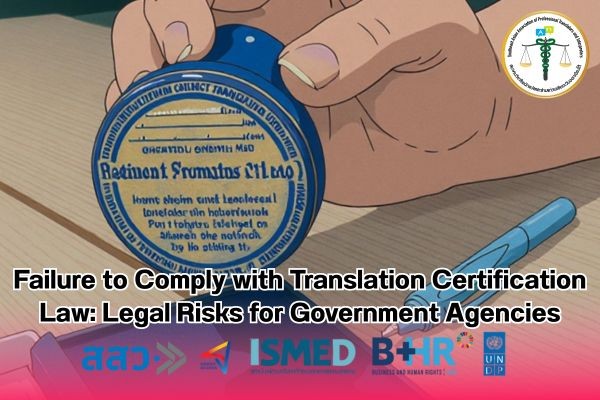
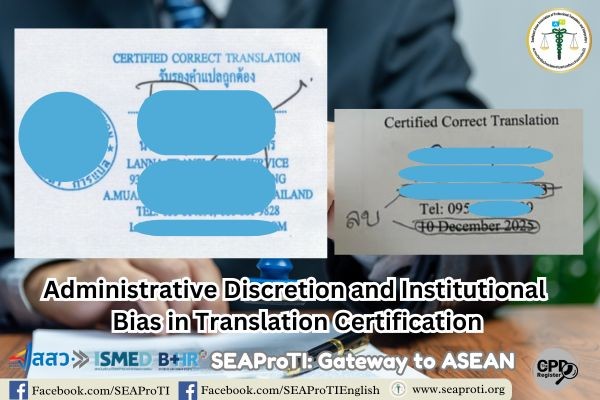
A recurring pattern has emerged in which translation seals containing lengthy and detailed statements from certain providers are accepted, while shorter, concise seals—often used by freelance translators or professional associations and fully consistent with international practice—are rejected. This phenomenon reflects a structural issue that warrants systematic academic analysis rather than treatment as isolated or individual cases.
Legal Principles Governing Translation Seals
Under international principles of document authentication and certification, the function of a translation seal is limited to confirming that the translated text accurately reflects the content of the original document and that the translator assumes responsibility for the accuracy of the translation. A translation seal is not intended to serve as a statement of professional qualifications, a promotional device, or a means of enhancing credibility through verbosity or complex wording.
In many jurisdictions, including the European Union, the United Kingdom, and Japan, regulatory practice emphasizes clarity, conciseness, and traceability of accountability rather than the form or length of the seal’s wording. Consequently, privileging the quantity of text over the legal function of the seal represents a significant deviation from internationally recognized standards.
Institutional Bias and Administrative Discretion
Institutional bias refers to forms of systemic preference embedded within organizational practices that do not necessarily arise from individual misconduct or corrupt intent. In the context of translation seal certification, such bias may manifest in several ways: habitual reliance on previously accepted formats, preferential treatment based on the perceived status of service providers, and an implicit assumption that longer statements signify greater formality or reliability.
When these biases inform administrative discretion, professionals who meet equivalent standards of competence and accountability may nevertheless be treated unequally, without principled or legally defensible justification. This undermines the integrity of administrative decision-making and distorts the purpose of certification procedures.
Inequality and the Rule of Law
Equality before the law constitutes a fundamental principle of administrative law and the rule of law. Inconsistent use of administrative discretion by state authorities disrupts legitimate expectations and erodes public confidence in governmental processes. While such inconsistencies cannot, in themselves, be conclusively characterized as corruption, the absence of clear written criteria and transparent standards creates conditions that are conducive to opacity and long-term governance risks.
Policy Recommendations
To address these structural deficiencies, this article proposes the adoption of a standardized national template for translation seals, the establishment of clear written criteria that explicitly exclude seal length as a determining factor, the equal recognition of individual translators and professional associations that meet accountability requirements, and the creation of a formal mechanism for appealing discretionary decisions deemed unfair or inconsistent.
Conclusion
Inconsistent certification of translation seals reflects deeper issues of institutional bias and unequal administrative discretion within state authorities. Addressing these challenges requires systemic reform rather than attribution of fault to individual officials. Clear standards, transparency, and equal treatment are essential to restoring trust, ensuring fairness, and strengthening the legitimacy of the document certification system.
References
- Davis, K. C. (1971). Discretionary justice: A preliminary inquiry. University of Illinois Press.
- Galligan, D. J. (1996). Due process and fair procedures: A study of administrative procedures. Oxford University Press.
- Mashaw, J. L. (1983). Bureaucratic justice: Managing social security disability claims. Yale University Press.
- Rosenbloom, D. H., Kravchuk, R. S., & Clerkin, R. M. (2015). Public administration: Understanding management, politics, and law in the public sector (8th ed.). McGraw-Hill Education.
About Certified Translators, Translation Certifiers, and Certified Interpreters of SEAProTI
The Southeast Asian Association of Professional Translators and Interpreters (SEAProTI) has formally announced the qualifications and requirements for registration of Certified Translators, Translation Certification Providers, and Certified Interpreters in Sections 9 and 10 of the Royal Gazette, published by the Secretariat of the Cabinet, Office of the Prime Minister of Thailand, on 25 July 2024 (Vol. 141, Part 66 Ng, p. 100). Certified Translators, Translation Certification Providers, and Certified Interpreters
The Council of State has proposed the enactment of a Royal Decree, granting registered translators and recognised translation certifiers from professional associations or accredited language institutions the authority to provide legally valid translation certification (Letter to SEAProTI dated April 28, 2025)
SEAProTI is the first professional association in Thailand and Southeast Asia to implement a comprehensive certification system for translators, certifiers, and interpreters.
Head Office: Baan Ratchakru Building, No. 33, Room 402, Soi Phahonyothin 5, Phahonyothin Road, Phaya Thai District, Bangkok 10400, Thailand
Email: hello@seaproti.com | Tel.: (+66) 2-114-3128 (Office hours: Mon–Fri, 09:00–17:00)
ความไม่เสมอภาคในการใช้ดุลพินิจของหน่วยงานรัฐในการรับรองตราประทับงานแปล:
การวิเคราะห์อคติเชิงสถาบันในกระบวนการรับรองเอกสารของ กรมการกงสุล
27 ธันวาคม 2568, กรุงเทพมหานคร – บทความนี้มุ่งวิเคราะห์ปัญหาความไม่เสมอภาคในการใช้ดุลพินิจของหน่วยงานรัฐในการรับรองตราประทับงานแปล โดยเฉพาะกรณีการรับรองเอกสารแปลจากผู้ประกอบวิชาชีพที่แตกต่างกัน แม้จะมีเนื้อหาและวัตถุประสงค์ของตราประทับในลักษณะเดียวกันก็ตาม การศึกษานี้ชี้ให้เห็นว่า ปัญหาดังกล่าวมิได้เกิดจากการขาดหลักเกณฑ์ทางกฎหมายโดยตรง หากแต่เป็นผลของ “อคติเชิงสถาบัน” (institutional bias) และความไม่สม่ำเสมอในการใช้ดุลพินิจทางปกครอง ซึ่งส่งผลกระทบต่อหลักความเสมอภาค ความโปร่งใส และความเชื่อมั่นในระบบการรับรองเอกสารของรัฐ
คำสำคัญ: ดุลพินิจทางปกครอง, อคติเชิงสถาบัน, การรับรองเอกสาร, งานแปล, หลักความเสมอภาค
การนำเอกสารจากต่างประเทศมาใช้ในประเทศไทยจำเป็นต้องผ่านกระบวนการรับรองเอกสารจากหน่วยงานของรัฐ เพื่อให้เอกสารดังกล่าวมีผลทางกฎหมายและเป็นที่ยอมรับของหน่วยงานภายในประเทศ หนึ่งในขั้นตอนสำคัญคือการรับรองคำแปลและตราประทับของผู้แปลหรือผู้รับรองคำแปล อย่างไรก็ตาม ในทางปฏิบัติกลับพบว่า การพิจารณารับรองตราประทับงานแปลมีความไม่สม่ำเสมอ แม้จะอยู่ภายใต้กรอบแนวปฏิบัติเดียวกัน
ปรากฏการณ์ที่หน่วยงานยอมรับตราประทับที่มีเนื้อหายาวและรายละเอียดมากจากบางแหล่ง แต่กลับไม่ยอมรับตราประทับที่มีเนื้อหาสั้น กระชับ และเป็นไปตามหลักสากลจากนักแปลอิสระหรือสมาคมวิชาชีพ สะท้อนปัญหาเชิงโครงสร้างที่ควรได้รับการวิเคราะห์ในเชิงวิชาการมากกว่าการมองเป็นกรณีปัจเจก
หลักการของตราประทับงานแปลในเชิงกฎหมายเอกสาร
ในหลักกฎหมายเอกสารและการรับรองเอกสารระหว่างประเทศ ตราประทับของผู้แปลมีหน้าที่จำกัดเพียงการยืนยันว่า คำแปลมีความถูกต้องตรงตามต้นฉบับ และผู้แปลเป็นผู้รับผิดชอบต่อเนื้อหาของคำแปลนั้น ตราประทับมิได้มีสถานะเป็นเอกสารอธิบายคุณสมบัติของผู้แปล หรือเป็นกลไกในการเพิ่มน้ำหนักความน่าเชื่อถือผ่านความยาวหรือความซับซ้อนของถ้อยคำ
แนวปฏิบัติในหลายประเทศ เช่น สหภาพยุโรป สหราชอาณาจักร และญี่ปุ่น เน้นความชัดเจน ความกระชับ และความสามารถในการตรวจสอบย้อนกลับ (accountability) มากกว่ารูปแบบหรือความยาวของข้อความในตราประทับ การให้ความสำคัญกับ “ปริมาณข้อความ” แทน “หน้าที่ทางกฎหมาย” จึงเป็นการคลาดเคลื่อนจากหลักการสากล
อคติเชิงสถาบันและการใช้ดุลพินิจทางปกครอง
แนวคิดเรื่องอคติเชิงสถาบัน (institutional bias) อธิบายถึงรูปแบบความลำเอียงที่ฝังอยู่ในกระบวนการทำงานขององค์กร โดยไม่จำเป็นต้องเกิดจากเจตนาทุจริตของบุคคลใดบุคคลหนึ่ง ในกรณีการรับรองตราประทับงานแปล อคติเชิงสถาบันอาจปรากฏในรูปของ ความคุ้นชินต่อรูปแบบเดิมที่เคยผ่านการรับรองมาก่อน การให้คุณค่ากับสถานะของผู้ประกอบการมากกว่าหลักวิชาชีพ และความเชื่อโดยนัยว่าความยาวของข้อความสะท้อนความเป็นทางการหรือความน่าเชื่อถือ
การใช้อคติดังกล่าวในการใช้ดุลพินิจทางปกครอง ส่งผลให้ผู้ประกอบวิชาชีพที่มีมาตรฐานและความรับผิดชอบเท่าเทียมกัน ถูกปฏิบัติแตกต่างกันโดยไม่มีเหตุผลเชิงหลักการรองรับ
ความไม่เสมอภาคกับหลักนิติธรรม
หลักความเสมอภาคเป็นหนึ่งในหลักพื้นฐานของกฎหมายปกครอง การที่หน่วยงานของรัฐใช้ดุลพินิจโดยไม่สม่ำเสมอ ย่อมกระทบต่อหลักนิติธรรม (rule of law) และความคาดหมายโดยชอบด้วยกฎหมายของประชาชน แม้จะไม่อาจสรุปได้ว่าปรากฏการณ์ดังกล่าวเป็นการคอร์รัปชัน แต่ความไม่ชัดเจนของเกณฑ์และการขาดมาตรฐานที่เป็นลายลักษณ์อักษร ย่อมสร้างสภาพแวดล้อมที่เอื้อต่อความไม่โปร่งใสในระยะยาว
ข้อเสนอเชิงนโยบาย
เพื่อแก้ไขปัญหาเชิงโครงสร้าง บทความนี้เสนอให้ จัดทำรูปแบบตราประทับงานแปลมาตรฐานกลางที่ชัดเจน ระบุเกณฑ์การพิจารณาอย่างเป็นลายลักษณ์อักษร โดยไม่ยึดความยาวของข้อความเป็นปัจจัย เปิดให้ผู้แปลบุคคลและสมาคมวิชาชีพที่มีความรับผิดสามารถใช้ตราประทับได้อย่างเท่าเทียม จัดให้มีช่องทางอุทธรณ์การใช้ดุลพินิจที่ไม่เป็นธรรม
สรุป
ปัญหาการรับรองตราประทับงานแปลที่ไม่สม่ำเสมอสะท้อนถึงอคติเชิงสถาบันและความไม่เสมอภาคในการใช้ดุลพินิจของหน่วยงานรัฐ การแก้ไขปัญหาดังกล่าวจำเป็นต้องอาศัยการปรับปรุงเชิงระบบ มากกว่าการมุ่งหาความผิดของบุคคล เพื่อเสริมสร้างความโปร่งใส ความเป็นธรรม และความเชื่อมั่นในกระบวนการรับรองเอกสารของรัฐ
เอกสารอ้างอิง
- Davis, K. C. (1971). Discretionary justice: A preliminary inquiry. University of Illinois Press.
- Galligan, D. J. (1996). Due process and fair procedures: A study of administrative procedures. Oxford University Press.
- Mashaw, J. L. (1983). Bureaucratic justice: Managing social security disability claims. Yale University Press.
- Rosenbloom, D. H., Kravchuk, R. S., & Clerkin, R. M. (2015). Public administration: Understanding management, politics, and law in the public sector (8th ed.). McGraw-Hill Education.
เกี่ยวกับนักแปลรับรอง ผู้รับรองการแปล และล่ามรับรองของสมาคมวิชาชีพนักแปลและล่ามแห่งเอเชียตะวันออกเฉียงใต้
สมาคมวิชาชีพนักแปลและล่ามแห่งเอเชียตะวันออกเฉียงใต้ (SEAProTI) ได้ประกาศหลักเกณฑ์และคุณสมบัติผู้ที่ขึ้นทะเบียนเป็น “นักแปลรับรอง (Certified Translators) และผู้รับรองการแปล (Translation Certification Providers) และล่ามรับรอง (Certified Interpreters)” ของสมาคม หมวดที่ 9 และหมวดที่ 10 ในราชกิจจานุเบกษา ของสำนักเลขาธิการคณะรัฐมนตรี ในสำนักนายกรัฐมนตรี แห่งราชอาณาจักรไทย ลงวันที่ 25 ก.ค. 2567 เล่มที่ 141 ตอนที่ 66 ง หน้า 100 อ่านฉบับเต็มได้ที่: นักแปลรับรอง ผู้รับรองการแปล และล่ามรับรอง
สำนักคณะกรรมการกฤษฎีกา เสนอให้ตราเป็นพระราชกฤษฎีกา โดยกำหนดให้นักแปลที่ขึ้นทะเบียน รวมถึงผู้รับรองการแปลจากสมาคมวิชาชีพหรือสถาบันสอนภาษาที่มีการอบรมและขึ้นทะเบียน สามารถรับรองคำแปลได้ (จดหมายถึงสมาคม SEAProTI ลงวันที่ 28 เม.ย. 2568)
สมาคมวิชาชีพนักแปลและล่ามแห่งเอเชียตะวันออกเฉียงใต้ เป็นสมาคมวิชาชีพแห่งแรกและแห่งเดียวในประเทศไทยและภูมิภาคเอเชียตะวันออกเฉียงใต้ที่มีระบบรับรองนักแปลรับรอง ผู้รับรองการแปล และล่ามรับรอง
สำนักงานใหญ่: อาคารบ้านราชครู เลขที่ 33 ห้อง 402 ซอยพหลโยธิน 5 ถนนพหลโยธิน แขวงพญาไท เขตพญาไท กรุงเทพมหานคร 10400 ประเทศไทย
อีเมล: hello@seaproti.com โทรศัพท์: (+66) 2-114-3128 (เวลาทำการ: วันจันทร์–วันศุกร์ เวลา 09.00–17.00 น.